

Megalophobia: Understanding the Fear of Large Objects
Megalophobia is an intense fear of large objects that feels overwhelming, even when the object does not pose an immediate danger. A person may feel distressed around skyscrapers, large statues, ships, airplanes, bridges, stadiums, mountains, or enormous machinery. The reaction can range from uneasiness to a full panic response, and it may lead someone to avoid places, travel plans, work situations, or entertainment they would otherwise enjoy. Although the fear may seem unusual to others, it is real and can affect daily life. Understanding how megalophobia works is an important first step toward managing it with compassion and practical support.
Like other specific phobias, megalophobia is not simply a dislike of something. It involves a strong anxiety response that can feel difficult to control, even when a person knows logically that they are safe. Some people react only when standing near a large object, while others feel anxious just by seeing images, videos, or descriptions of one. The fear may be connected to size, height, movement, a feeling of being small, or worries about being trapped or harmed. With the right coping strategies and professional support when needed, many people can reduce avoidance and feel more in control.
What Is Megalophobia?
Megalophobia is a type of specific phobia involving an intense fear of very large objects. The word comes from Greek roots relating to “large” and “fear,” which makes the term easy to understand at a basic level. However, the experience can be much more complex than simply feeling uncomfortable around something big. A person may experience fear, dread, disgust, panic, or a strong urge to escape when they encounter a large structure or object. The fear can occur around natural environments, man-made objects, or both. It becomes more clinically significant when it causes distress or interferes with normal activities.
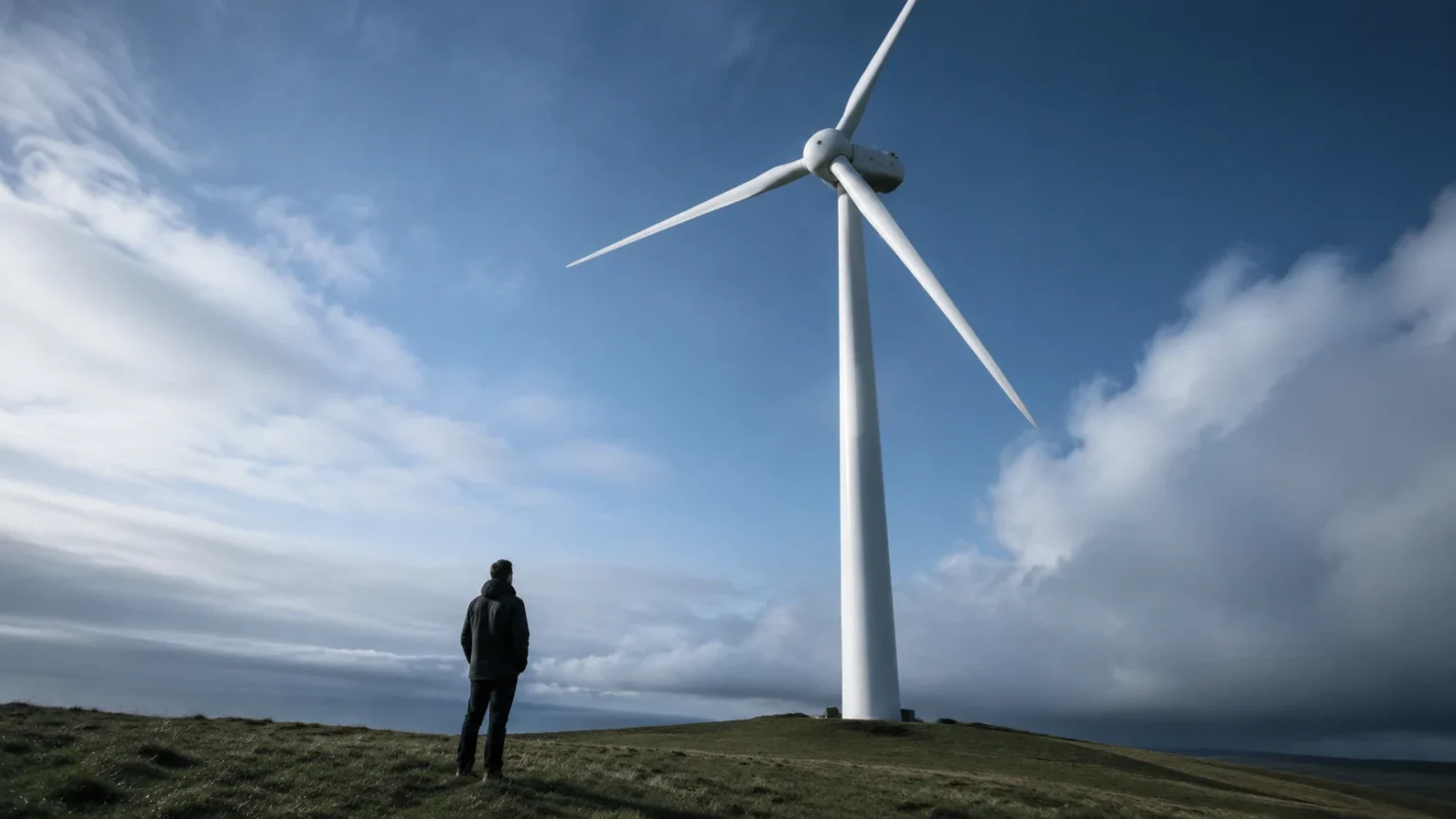
Large objects that trigger megalophobia can vary greatly from person to person. One individual may feel panicked near cruise ships, while another may fear tall buildings, giant sculptures, wind turbines, airplanes, tunnels, or large animals. Some people are particularly unsettled by objects that are both huge and close to them. Others may be more disturbed when a large object moves, creates noise, blocks their view, or feels impossible to escape. The exact trigger does not need to be the same for everyone. What matters is the intensity of the fear and the impact it has on a person’s ability to function.
Megalophobia can affect people of different ages, backgrounds, and lifestyles. A person may notice the fear in childhood, during adolescence, or later in adulthood after a distressing experience. Sometimes the fear has a clear beginning, such as a frightening encounter with a massive object or a difficult experience in a crowded city. In other cases, a person may not know exactly why the fear developed. They may simply remember always feeling uneasy around objects that appear enormous or towering. Not knowing the precise cause does not make the fear less valid or less treatable.
It is important to distinguish megalophobia from ordinary caution. Feeling nervous near heavy construction equipment, a steep cliff, a powerful aircraft engine, or a large animal can be a sensible response to a real hazard. Megalophobia involves fear that is stronger than the actual level of danger and may persist even in controlled, safe situations. For example, someone may panic at the sight of a distant skyscraper from a secure location. They may avoid photographs of large statues despite knowing they cannot be harmed by an image. This gap between perceived danger and actual danger is common in specific phobias.
Many people with megalophobia feel embarrassed because they worry that others will not understand. They may hide their fear, make excuses to avoid certain places, or decline invitations without explaining why. This can make the problem feel more isolating over time. A supportive response from friends, family members, or healthcare professionals can reduce shame and encourage someone to seek help. Fear is not a personal failure or a sign of weakness. It is a learned emotional and physical response that can be understood and gradually changed.
Common Megalophobia Triggers
Tall buildings are one of the most commonly discussed megalophobia triggers. Skyscrapers, towers, apartment blocks, stadiums, and enormous public structures can make a person feel small, vulnerable, or trapped. The sight of a building rising high above them may trigger dizziness, racing thoughts, or a desire to look away. Some people feel worse when they stand directly at the base of a large building and cannot see its top easily. Others may become anxious when entering elevators, lobbies, parking garages, or observation decks. Urban travel can become difficult if large buildings are a frequent part of someone’s daily environment.
Large vehicles can also trigger intense anxiety. Cruise ships, cargo ships, trains, airplanes, buses, trucks, and military vehicles may appear powerful, unpredictable, or difficult to avoid. A person may fear the object itself, its size, the sounds it makes, or the possibility of being close to it. Seeing a massive ship in a harbor can feel especially unsettling because it may appear to rise from the water without a clear sense of scale. Some people are more comfortable viewing these objects from far away than standing near them. Others may avoid airports, ports, train stations, or large roads altogether.
Natural landscapes may also trigger fear of large objects. Mountains, cliffs, glaciers, caves, waterfalls, huge waves, and deep bodies of water can create a powerful sense of scale. For some people, the fear is linked to how vast and uncontrollable nature can feel. A mountain may seem threatening because it is so large and immovable, while a huge wave may feel frightening because of its force and movement. Images of underwater structures, whales, or massive sea creatures may also be distressing. These reactions can overlap with other fears, including fear of deep water, heights, or open spaces.
Large statues, sculptures, amusement-park structures, and monuments can create discomfort for people with megalophobia. These objects may be especially triggering when they have faces, eyes, human shapes, or exaggerated features. A towering statue can feel watchful, unnatural, or too close, even when a person understands it is inanimate. Some people find giant animatronics, parade balloons, mechanical displays, or mascots particularly disturbing. The combination of size and movement can make the fear feel more intense. This is why certain museums, theme parks, festivals, and tourist attractions can be challenging for someone with this phobia.
Large indoor spaces may trigger symptoms as well. Warehouses, aircraft hangars, stadium interiors, large shopping centers, concert arenas, and industrial buildings can create a sense of being overwhelmed. The problem may not be one object but the feeling of scale, height, emptiness, or exposure within the environment. A person may feel unsafe when the ceiling is very high, the walls are far apart, or the space seems difficult to leave quickly. They may also worry about echoes, crowds, or sounds that make the surroundings feel even larger. Understanding these patterns can help identify which situations cause the strongest reaction.
Megalophobia Symptoms and How They Feel
The emotional symptoms of megalophobia can be intense and immediate. A person may feel sudden dread, terror, panic, helplessness, or an urgent need to get away. They may think something terrible will happen even when they recognize that the object is not actually dangerous. Fear can become stronger if they feel unable to leave the situation quickly. Some people describe a sense of being swallowed up, crushed, trapped, or overwhelmed by the object’s size. These thoughts can feel very real in the moment, even if they seem irrational afterward.
Physical anxiety symptoms are also common. Someone may experience a fast heartbeat, sweating, trembling, nausea, dizziness, chest tightness, or shortness of breath. Their muscles may tense as the body prepares for danger, even though there is no immediate threat requiring action. Some people feel lightheaded or disconnected from their surroundings during a strong fear response. They may worry that they will faint, lose control, or have a medical emergency. These sensations can be frightening, but they are common features of anxiety and panic rather than proof that the feared object is harmful.
Avoidance is one of the clearest signs that a fear may be affecting daily life. A person with megalophobia may avoid traveling to cities, taking flights, visiting tourist sites, going to concerts, or watching certain films. They may choose longer routes to avoid bridges, construction zones, or large buildings. Some people avoid social events because they are worried about unexpectedly encountering a trigger. Avoidance often brings short-term relief, which can make it feel like the best solution. Over time, however, it can reinforce the fear and make the world feel increasingly restricted.
Anticipatory anxiety can happen before a person even sees a large object. Someone may feel nervous for days before a trip, a work assignment, a vacation, or an event that could involve a trigger. They might repeatedly search for images of the place, check maps, ask for reassurance, or consider cancelling plans. This mental preparation can be exhausting and may take attention away from work, relationships, and enjoyable activities. The fear can also affect sleep if someone spends the night worrying about an upcoming situation. Anticipatory anxiety is a meaningful symptom because it shows the phobia is shaping life beyond the trigger itself.
Symptoms can differ in severity from one person to another. Some people can manage their fear with discomfort, while others experience panic that makes it difficult to remain in the situation. The same person may react differently depending on stress levels, fatigue, illness, caffeine intake, or whether they feel supported. Fear may also become stronger if a person has had a recent panic attack or a stressful life event. This does not mean the phobia is getting permanently worse. It means the nervous system may need additional support and a more gradual recovery approach.
What Causes a Fear of Large Objects?
Megalophobia can develop after a frightening or overwhelming experience. For example, someone may have been startled by a huge vehicle, lost in a large building, caught in a storm, or frightened while near a towering structure. The brain can connect the intense fear from that moment with similar objects or settings in the future. Even if the original event was not physically dangerous, it may have felt deeply threatening at the time. The memory can become linked to size, movement, noise, height, or a feeling of losing control. This learned association can later trigger anxiety automatically.
Some people develop a phobia after seeing a frightening image, movie scene, news event, or online video. Visual media can make large objects seem dramatic, threatening, or impossible to escape. Children and teenagers may be especially affected by images that feel realistic but are difficult to process emotionally. A person does not need to experience an event directly for it to influence their fears. Hearing repeated warnings or seeing another person panic can also shape the brain’s threat response. This is sometimes called learned fear or observational learning.
Family patterns may play a role in anxiety, although they do not determine a person’s future. A child who grows up around anxious reactions may become more alert to danger or more likely to avoid unfamiliar situations. Genetics can also influence how sensitive someone’s nervous system is to stress. However, having a family history of anxiety does not mean someone will definitely develop megalophobia. Environment, life experience, coping skills, and social support all matter. Phobias usually develop through a combination of factors rather than one single cause.
A person’s temperament may influence how they respond to overwhelming environments. Some people are naturally more sensitive to sensory input, unexpected movement, loud sounds, or visual intensity. Large objects may feel particularly unsettling because they dominate the field of vision and create a strong sense of imbalance. Someone who is already prone to anxiety may interpret these sensations as signs of danger. This can create a cycle where fear increases physical symptoms, and physical symptoms increase fear. Understanding that cycle can help a person separate the feeling of danger from actual danger.
Megalophobia may also overlap with other anxiety-related fears. A person who fears heights may find tall buildings or bridges especially upsetting, while someone with claustrophobia may fear large tunnels or ships because they worry about escape. Fear of deep water may make massive boats, dams, or underwater structures more difficult to tolerate. Some people have social anxiety and feel overwhelmed in large public spaces because of crowds rather than the size of objects. These overlaps are common and do not mean a person has multiple diagnoses. A qualified mental-health professional can help identify the specific patterns involved.
How Megalophobia Can Affect Daily Life
Megalophobia can influence travel choices in ways that are not always obvious. Someone may avoid flying because airplanes feel too large, refuse cruises because ships feel overwhelming, or decline city trips because of tall buildings. They may choose familiar destinations where they know what to expect. This can limit opportunities for work, family events, education, recreation, and personal growth. The person may feel frustrated because they want to take part but cannot easily control the anxiety. Over time, repeated avoidance may reduce confidence and make new experiences feel even more difficult.
Work and school can also be affected. A person may struggle in offices located in high-rise buildings, warehouses, factories, airports, universities, hospitals, or large campuses. They may feel anxious during site visits, conferences, field trips, or presentations held in large venues. If they are worried about encountering a trigger, concentration can become difficult. They may call in sick, arrive late, or avoid career opportunities that involve certain environments. Talking with a trusted supervisor, counselor, or support service may help identify reasonable ways to manage the situation without disclosing more than necessary.
Relationships can become strained when others do not understand the fear. Friends may encourage someone to “just get over it,” make jokes, or pressure them to visit triggering places. Even well-meaning reassurance can feel dismissive if it ignores the intensity of the person’s physical anxiety. A supportive friend does not need to fully understand the phobia to respect boundaries and listen. They can ask what would be helpful, such as leaving early, choosing another location, or offering calm companionship. Feeling understood can make it easier for someone to take gradual steps toward recovery.
Megalophobia can also affect leisure activities. Movies, video games, museums, sporting events, amusement parks, city sightseeing, and nature trips may become difficult if they include large visual objects. Social media can create unexpected triggers through autoplay videos, travel content, or images of massive structures. A person may begin avoiding online content as well as real-world situations. While temporary avoidance can be useful during intense distress, completely shrinking one’s world can make anxiety stronger. A balanced approach focuses on safety while building tolerance gradually and at a manageable pace.
The emotional burden of living with a phobia can be significant. A person may criticize themselves for being afraid, feel embarrassed when panic happens in public, or worry that others see them as difficult. This self-judgment can add another layer of anxiety to an already stressful experience. It is helpful to remember that phobias are treatable and that many people have fears they do not openly discuss. Recovery does not require becoming fearless overnight. It means learning how to respond differently when fear appears, so it has less control over daily choices.
Coping With Megalophobia in the Moment
Slow, steady breathing can help calm the body during a fear response. When anxiety rises, people often breathe quickly and shallowly, which can intensify dizziness, tingling, and a feeling of panic. Try breathing in gently through the nose and breathing out slowly through the mouth for several cycles. The goal is not to force anxiety away immediately but to signal to the body that it can begin to settle. Counting each breath or placing one hand on the stomach may help some people stay focused. If breathing exercises feel uncomfortable, simply slowing down and pausing can still be useful.
Grounding techniques can bring attention back to the present moment. A person might name five things they can see, four things they can feel, three things they can hear, two things they can smell, and one thing they can taste. Another option is to notice the support of the ground beneath the feet or the texture of an object in the hand. These methods can interrupt the spiral of catastrophic thoughts and physical panic. They work best when practiced during calm moments as well as stressful ones. The aim is to remind the mind that fear is happening, but danger is not necessarily happening.
It can help to use realistic, compassionate self-talk. Instead of saying, “I am being ridiculous,” try saying, “My body is reacting with fear, and I can take this one step at a time.” A person may also remind themselves that anxiety rises, peaks, and eventually decreases. The large object may feel overwhelming, but the sensation of fear does not last at the same intensity forever. Reframing thoughts does not mean pretending the experience is pleasant. It means replacing harsh or catastrophic interpretations with statements that are more balanced and supportive.
Planning can reduce anxiety before entering a potentially triggering environment. For example, someone may choose a time when an area is less crowded, go with a trusted person, identify exits, or allow extra time for breaks. They might view photos of the setting in advance if that feels manageable. The goal is to increase a sense of choice without turning preparation into endless reassurance seeking. It is also helpful to decide on a small, realistic goal, such as staying for five minutes or walking near the entrance. Small successes can build confidence more effectively than forcing a major challenge too quickly.
Avoiding alcohol, excessive caffeine, and other stimulants may reduce physical anxiety symptoms for some people. Sleep, regular meals, hydration, and movement can also support the nervous system during periods of stress. These habits do not cure megalophobia, but they can make panic symptoms easier to manage. A person may find it useful to keep a brief record of triggers, thoughts, body sensations, and what helped them cope. Patterns often become clearer when they are written down. This information can also be useful if someone decides to work with a therapist.
Treatment Options for Megalophobia
Cognitive behavioral therapy, often called CBT, is a common treatment approach for specific phobias. It helps people notice the thoughts, beliefs, emotions, and behaviors that keep fear active. A therapist may help a person examine beliefs such as “I will lose control,” “That building will collapse,” or “I cannot handle being near this object.” The goal is not to shame someone for having fearful thoughts. Instead, therapy helps them test those thoughts against reality and develop more balanced ways of responding. CBT can also teach practical skills for managing panic and reducing avoidance.
Exposure therapy is often used as part of treatment for phobias. This approach involves gradually and safely facing feared situations in small, planned steps. A therapist might begin with talking about the trigger, looking at a simple image, watching a video, or standing at a comfortable distance from a large object. The pace is tailored to the individual, and the person is not expected to begin with their most frightening situation. Over time, repeated safe exposure can help the brain learn that fear can decrease without escaping. This process is most effective when it is structured, patient, and consistent.
Virtual reality therapy may be useful in some settings. It allows a person to experience simulated situations involving tall buildings, large vehicles, bridges, or other triggers while remaining in a controlled environment. This can be helpful for people who cannot easily access the real-life situation or who need a gentler starting point. Virtual environments are not necessary for recovery, and they may not be available everywhere. However, they can offer a practical bridge between imagination-based work and real-world exposure. A mental-health professional can help determine whether this approach fits a person’s needs.
Medication is not always required for a specific phobia, but it may be considered when anxiety is severe or occurs alongside another mental-health condition. A healthcare professional may discuss options if panic, depression, generalized anxiety, or sleep problems are also present. Medication is usually most helpful when combined with therapy and coping strategies rather than used as the only solution. It should be prescribed and monitored by a qualified clinician who understands the person’s medical history. People should not borrow medication or change doses without professional advice. The best treatment plan is individualized and may change as symptoms improve.
Support from trusted people can make treatment feel less intimidating. A partner, friend, or family member may help someone attend appointments, practice coping skills, or celebrate progress without pressuring them. It is important that support does not become constant reassurance or enable complete avoidance. The most helpful role is often calm encouragement paired with respect for the person’s pace. Progress can be uneven, and a difficult day does not erase earlier gains. With time, many people find that the fear becomes less intense, less frequent, and less influential in their daily decisions.
When to Seek Professional Help
Professional support is a good idea when fear of large objects interferes with work, school, travel, relationships, or daily activities. If a person changes major plans to avoid triggers or feels anxious for days before an expected situation, the phobia may be having a meaningful impact. Therapy can be helpful even if the fear seems limited to one specific object or place. There is no need to wait until symptoms become unbearable. Early support can prevent avoidance from expanding into more areas of life. A primary-care clinician, therapist, psychologist, or psychiatrist can help guide the next steps.
Seek prompt support if anxiety causes frequent panic attacks, severe sleep disruption, depression, isolation, or difficulty functioning. Panic symptoms can feel frightening and may lead a person to fear future panic attacks as much as the original trigger. A mental-health professional can assess whether the symptoms are related to a specific phobia, panic disorder, trauma, or another condition. This assessment helps ensure that treatment addresses the real pattern rather than only surface symptoms. A person should also discuss new or concerning physical symptoms with a medical professional. Chest pain, fainting, severe shortness of breath, or other urgent symptoms should never be assumed to be anxiety without medical advice.
Children and teenagers may need additional support because fears can affect school attendance, social development, and family routines. A child may not have the words to explain why they avoid certain buildings, vehicles, rides, or locations. They may cry, become angry, freeze, cling to a caregiver, or complain of stomachaches before a triggering event. Caregivers can help by listening calmly and avoiding ridicule or forced exposure. A child mental-health professional can suggest age-appropriate treatment and guide the family through supportive steps. Early help can reduce the chance that avoidance becomes more entrenched over time.
Trauma-related symptoms deserve particular attention. If the fear began after an accident, disaster, frightening medical event, assault, or other traumatic experience, a person may also have nightmares, flashbacks, emotional numbness, or intense distress when reminded of the event. In that case, treatment may need to address trauma as well as the fear of large objects. Trauma-informed therapy can help someone process the experience without pushing them too quickly into overwhelming situations. Healing is possible, but it often works best when the person feels safe, heard, and in control of the pace. Asking for help is a practical act of self-care.
If fear leads to thoughts of self-harm, hopelessness, or feeling unable to stay safe, seek urgent support immediately. Contact local emergency services, a crisis line, or a trusted person who can stay with you and help you access care. Mental-health emergencies deserve the same seriousness as physical emergencies. You do not need to manage intense distress alone or prove that it is “bad enough” before asking for help. Immediate support can create a safe bridge through the hardest moment. Long-term treatment can then help reduce the fear and build a more stable sense of control.
FAQs About Megalophobia
Is megalophobia a real phobia?
Yes. Megalophobia is used to describe a specific fear of large objects that causes intense anxiety, avoidance, or distress. It can be treated in the same way as other specific phobias.
What objects can trigger megalophobia?
Triggers may include skyscrapers, ships, airplanes, bridges, statues, mountains, stadiums, large animals, and heavy machinery. Each person’s triggers can be different.
Can megalophobia cause panic attacks?
Yes. Seeing or anticipating a large object can trigger panic symptoms such as a racing heart, shaking, sweating, dizziness, chest tightness, and a strong urge to escape.
How do you overcome a fear of large objects?
Gradual exposure, cognitive behavioral therapy, grounding techniques, and anxiety-management skills can help reduce the fear. A therapist can create a safe, personalized plan for facing triggers at a manageable pace.
Is megalophobia related to fear of heights?
It can be. Some people fear large objects because of their height, while others are more affected by size, movement, scale, or the feeling of being overwhelmed.