

How to Get Featured in Fashion Magazines and Get Editors to Notice You
Getting featured in a fashion magazine can transform how people perceive a designer, clothing brand, stylist, photographer, model, or creative business. A strong editorial mention can introduce your work to a targeted audience, strengthen brand credibility, generate website traffic, and create social proof that remains useful long after the article is published. However, fashion magazine coverage rarely happens simply because a brand has attractive products. Editors receive countless ideas, press releases, lookbooks, invitations, and product announcements, so your story must give them a compelling reason to pay attention.
The good news is that you do not always need a famous publicist or an enormous fashion PR budget to earn editorial coverage. Independent designers, emerging labels, fashion entrepreneurs, photographers, and creators can successfully approach publications when they understand how editorial decisions are made. The process starts with identifying the right publication, developing a relevant story angle, finding the appropriate editor, and presenting your idea professionally. Thoughtful preparation often matters more than sending hundreds of generic emails and hoping one publication responds.
Fashion magazines also need more than beautiful clothing. Editors are constantly looking for ideas that connect fashion with culture, identity, sustainability, craftsmanship, celebrity style, innovation, consumer behavior, emerging trends, and human experiences. Your fashion brand therefore needs a story that extends beyond “we launched a new collection.” The stronger question is why the collection, designer, trend, or business matters to the magazine’s readers right now. That connection between your story and the publication’s audience is at the center of successful fashion magazine pitching.
Another important distinction is the difference between advertising and editorial coverage. Advertising normally involves paying for guaranteed promotional space, while earned editorial coverage depends on an editor deciding that your story deserves inclusion. You cannot generally control the exact wording, placement, or publication date of genuine editorial coverage. That uncertainty can feel frustrating, but it is also what gives earned media its credibility. Readers understand that a magazine feature represents editorial interest rather than simply purchased exposure.
If you want to know how to get featured in fashion magazines, focus less on asking editors for publicity and more on helping them create valuable content. Research their publication, understand their audience, respect their time, and provide strong information and visual assets. The goal is to make your idea useful enough that an editor can immediately imagine how it might become a story, trend piece, product roundup, designer profile, interview, photo feature, or digital fashion article.
Understand What Fashion Magazines Actually Want to Feature
The first step toward securing a fashion magazine feature is understanding that every publication has its own editorial identity. Vogue, Harper’s Bazaar, Elle, independent fashion magazines, regional lifestyle publications, streetwear websites, luxury titles, and trade publications may all cover fashion, but they do not necessarily want the same stories. One publication might prioritize high-fashion runway trends, while another focuses on emerging designers, sustainable clothing, celebrity style, fashion business, local talent, or accessible shopping recommendations. Pitching without understanding these differences is one of the fastest ways to be ignored.
Spend time reading the publication before contacting anyone. Look through its recent fashion stories and identify recurring categories, writing styles, themes, designers, price points, and audience interests. Pay attention to whether the magazine publishes interviews, product roundups, opinion pieces, emerging designer profiles, seasonal trend reports, or editorial photography. Reading recent coverage helps you understand not only what editors publish but also what they have already covered. Your goal is to identify a gap or fresh angle rather than suggesting another version of something they published last week.
You should also distinguish between print and digital editorial opportunities. Print magazines often plan major features well before publication, particularly around seasonal issues, special themes, fashion weeks, weddings, holidays, and shopping periods. Digital fashion publications may move more quickly because websites can respond to breaking trends, celebrity moments, product launches, cultural conversations, and social media developments. If you are launching something time-sensitive, understanding the publication format helps you approach editors early enough to make your idea useful.
Think about the different ways your work could appear. A designer might be suitable for an emerging talent profile, while a single product could fit a shopping guide or trend roundup. A founder with an unusual career story might work better as an interview. Strong visual work could become an editorial shoot, and original data could support a fashion industry trend story. A brand should therefore avoid thinking only about a full-page profile. Smaller editorial placements can still introduce your name to valuable audiences and lead to larger opportunities later.
Most importantly, remember that editors work for their readers rather than for the brands pitching them. Your announcement may be extremely important to your company, but an editor must consider whether readers will find it interesting, surprising, useful, timely, or visually engaging. When developing a fashion PR strategy, ask what the audience gains from your story. Making that shift from “please promote my brand” to “here is an idea your readers may genuinely care about” can dramatically improve the quality of your outreach.
Create a Story Worth Publishing, Not Just a Product Promotion
A common mistake among emerging fashion brands is believing that launching a new product automatically creates a newsworthy story. Editors regularly receive announcements about new collections, boutiques, websites, collaborations, and campaigns. Unless the launch has a distinctive element, the announcement may not provide enough editorial value. Instead of focusing entirely on what you are selling, identify the larger idea surrounding it. A compelling magazine pitch explains what makes your story different and why people should care about it at this particular moment.
Your founder journey can sometimes provide that angle. Perhaps you built a fashion label after changing careers, developed a collection inspired by a specific cultural tradition, revived a disappearing craft technique, or created a business to solve a clothing problem you personally experienced. Human stories give editors something readers can connect with emotionally. They also make brands more memorable because audiences are introduced to the people, experiences, and motivations behind the products instead of seeing another promotional announcement.
Trends can create another strong opportunity. If your work connects naturally with a rising fashion movement, you may be able to contribute expertise or examples to a broader story. A designer specializing in vintage-inspired clothing might provide insight into the return of a particular silhouette, while a sustainable label could discuss changes in materials or production practices. Avoid forcing your business into every trending topic, however. The relationship between your brand and the trend should be authentic enough that your contribution adds something meaningful.
Original information can also make your fashion media pitch more valuable. Consumer surveys, sales patterns, search behavior, regional fashion preferences, manufacturing insights, or observations from your customers may provide evidence that supports a larger fashion story. Editors are more likely to notice information they cannot easily find elsewhere. Even a small fashion business can collect useful insights if the methodology is transparent and the conclusions are reasonable. Your objective is to become a useful source rather than simply another company requesting exposure.
A strong story angle can usually be summarized in one clear sentence. If you need several paragraphs just to explain why the idea matters, the pitch may not yet be focused enough. Try completing the sentence: “This story is interesting now because…” The answer should reveal your hook. That hook might involve timing, originality, cultural significance, a surprising result, an unusual person, a growing trend, or an exclusive development. Once that central idea is clear, the rest of your fashion magazine submission becomes much easier to build.
Target the Right Fashion Magazines and Editors
Successful PR outreach depends heavily on targeting. Sending the same pitch to dozens of unrelated publications may create activity, but it rarely creates strong media relationships. Start by building a focused media list containing publications whose audiences overlap with your target customers or professional goals. Include large fashion magazines when appropriate, but also consider niche websites, regional magazines, independent publications, fashion business outlets, trade media, cultural magazines, and carefully selected blogs. A smaller publication with the perfect audience can sometimes create more meaningful results than a large but poorly matched outlet.
Next, identify the correct person inside each publication. Fashion magazines usually have editors and writers responsible for different areas such as fashion news, style, accessories, beauty, sustainability, shopping, celebrity style, business, culture, or features. Sending a sustainability story to someone who mainly covers celebrity red carpets creates unnecessary friction. Research editorial mastheads, contributor pages, journalist profiles, recent articles, professional networks, and publication contact pages to determine who actually covers subjects similar to your pitch.
Reading the journalist’s recent work is particularly valuable. It helps you understand how they approach stories and prevents embarrassing outreach. If an editor recently wrote about independent designers, circular fashion, emerging labels, or a trend directly connected with your work, your pitch can reference that broader area naturally. Do not add fake compliments or claim to be a lifelong reader if that is untrue. Genuine relevance is more persuasive than exaggerated flattery, and experienced editors can usually recognize generic personalization immediately.
Keep your fashion media list organized instead of relying on scattered notes. Record the publication, journalist name, role, topics covered, contact details, relevant recent articles, date pitched, follow-up date, response, and final outcome. This simple system prevents duplicate outreach and helps you learn which story angles generate interest. Over time, your media database becomes one of the most useful assets in your public relations strategy because you are building knowledge about relationships rather than repeatedly starting from zero.
Do not overlook freelance fashion journalists. Many writers contribute to several publications and may be interested in strong sources, trends, interviews, and unique perspectives. However, remember that freelancers still need ideas that fit the outlets they write for. Your objective should never be to pressure someone into publishing your business. Instead, become a reliable contact who can provide thoughtful information, accurate facts, useful quotes, strong visual assets, and quick responses whenever an appropriate editorial opportunity appears.
Build a Professional Fashion Press Kit Editors Can Use
A fashion press kit makes it easier for editors and journalists to understand your brand quickly. It should provide essential information without forcing someone to search across your website, social profiles, and old emails. At minimum, include a concise brand overview, founder biography, key facts, contact information, relevant product details, and high-quality photographs. Depending on your business, you might also include a lookbook, campaign images, product shots, previous media coverage, collection notes, sizing information, sustainability details, retail locations, or notable collaborations.
Your brand biography should be informative rather than filled with marketing language. Explain when the company started, who founded it, where it operates, what it creates, and what genuinely differentiates it. Avoid unsupported claims such as “revolutionary,” “world-leading,” or “the most innovative brand” unless there is evidence behind them. Journalists need factual information they can understand quickly. A clear explanation of your design philosophy, materials, craftsmanship, audience, and background is much more useful than several paragraphs of exaggerated promotional language.
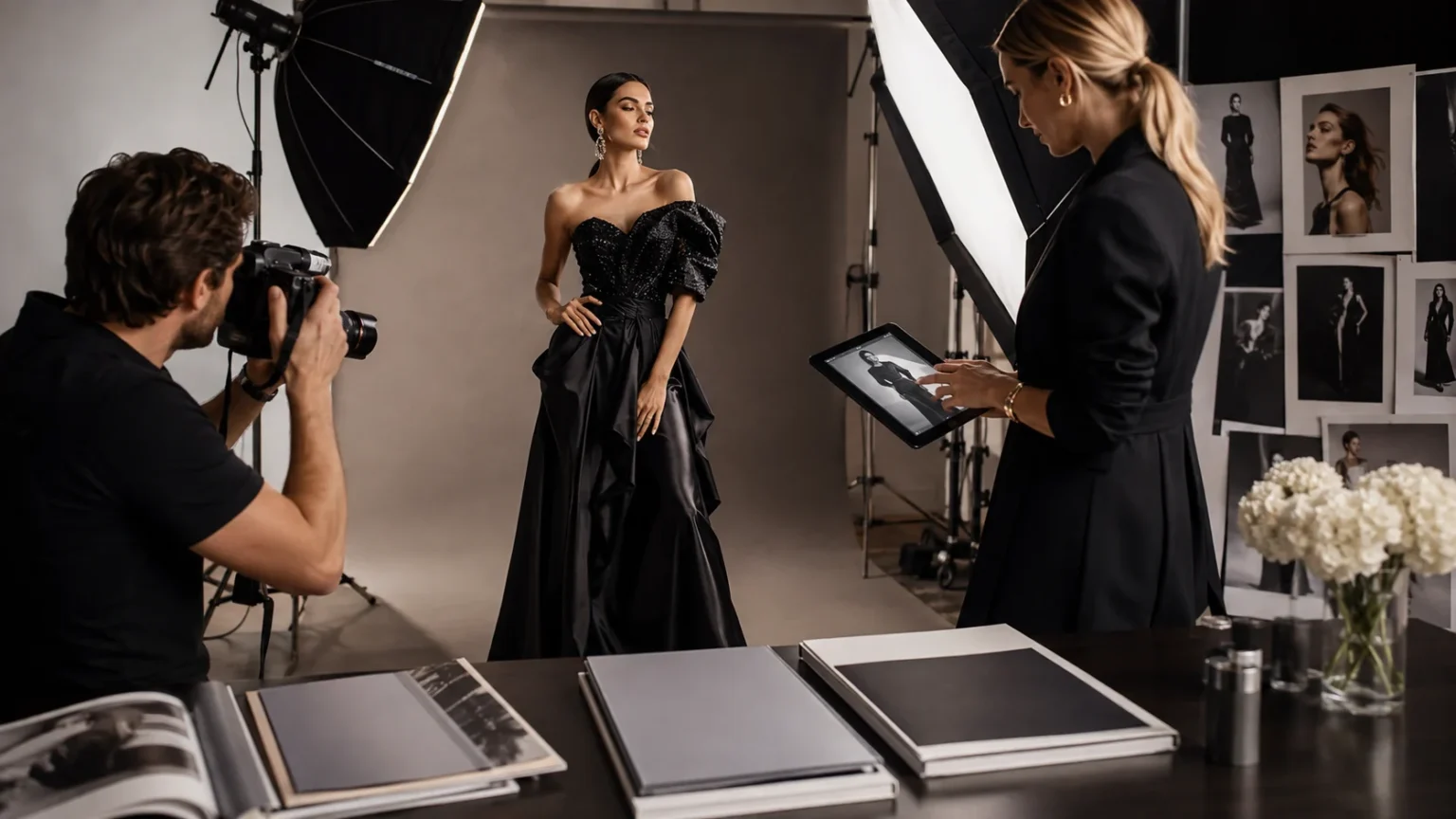
Professional photography is especially important in fashion because editorial coverage is highly visual. Provide clean product images as well as polished lifestyle or campaign photography when appropriate. Images should be high-resolution enough for publication, properly named, easy to access, and accompanied by accurate credits. Editors should not have to email repeatedly just to discover the photographer’s name or determine which product appears in an image. Organizing visual assets properly makes your brand easier to work with and reduces unnecessary delays.
If you are pitching a collection, create a clear fashion lookbook that presents the pieces coherently. Include product names, relevant descriptions, prices when appropriate, available colors, and purchasing or sample information. Keep design beautiful but functional. A heavily animated file, enormous attachment, or complicated download process can frustrate a journalist who simply wants to view the collection quickly. Share a clean online folder or press page when possible and make sure links work before sending your pitch.
Your press kit should also evolve as the brand develops. Update founder information, imagery, product availability, stockists, awards, partnerships, and notable coverage regularly. Remove outdated facts that could create confusion. A professional press kit will not guarantee editorial coverage, but it signals that you understand how media relationships work. When an editor becomes interested, being prepared can make the difference between an idea moving forward smoothly and an opportunity disappearing because basic materials were unavailable.
Write a Fashion Magazine Pitch Editors Actually Want to Read
The best fashion magazine pitch email is usually clear, specific, personalized, and easy to understand quickly. Editors often make an initial judgment within moments of opening an email, so avoid beginning with a long biography or company history. Start with the strongest part of the story. Explain what is happening, why it matters, why it fits that particular publication, and what you can provide. The journalist should understand the potential article before reaching the bottom of the message.
Your subject line deserves careful attention because it determines whether the email looks relevant before it is opened. Avoid vague phrases such as “Amazing Collaboration Opportunity” or “Exciting Fashion News.” Instead, communicate the story itself. A subject line could highlight a distinctive collection, useful data point, timely trend, unusual founder story, exclusive launch, or local angle. Keep it natural and avoid unnecessary capital letters, excessive punctuation, or clickbait language that makes a genuine editorial pitch resemble spam.
Personalization should go beyond changing the editor’s first name. Explain briefly why the particular story belongs with that writer or publication. Perhaps they cover independent designers, sustainable fashion, luxury accessories, emerging markets, or a cultural trend connected to your work. One thoughtful sentence can show that you understand their beat. Avoid writing several paragraphs about their previous work merely to prove you researched them. Your personalization should support relevance rather than become the main subject of the email.
Give editors enough information to evaluate the story without overwhelming them. Include the essential hook, supporting details, your availability, and links to useful assets. If you can provide samples, interviews, original images, expert commentary, or exclusive information, mention that clearly. Do not attach ten large files unless submission guidelines specifically require them. Large attachments can be inconvenient, while well-organized links give journalists the freedom to open the materials they actually need.
Before sending your fashion editorial pitch, remove anything that does not strengthen the idea. Editors generally do not need your entire company history in the first email. They need to know why the story matters. Read your pitch from their perspective and ask whether the value appears quickly. Strong media outreach respects the recipient’s time, avoids exaggerated promises, provides accurate details, and gives the journalist a simple next step if they want more information.
Use Timing, Exclusivity and Follow-Ups Strategically
Timing can dramatically affect whether a fashion story receives attention. A brilliant winter fashion pitch will have limited value if the publication has already completed its seasonal coverage. Major print features may be planned far ahead, while digital publications can sometimes respond more quickly. Build a calendar around fashion seasons, product launches, cultural events, fashion weeks, holidays, wedding periods, award seasons, and other moments relevant to your brand. Pitch early enough that editors still have room to develop the idea.
An editorial calendar can help identify opportunities, especially when publications announce planned themes or special issues. Even when a formal calendar is unavailable, studying previous years can reveal recurring coverage patterns. If a publication consistently produces holiday gift guides, festival fashion features, bridal issues, or sustainability packages, you can anticipate when editors may begin working on them. Planning outreach proactively is usually more effective than contacting a magazine after the relevant conversation has already peaked.
Exclusivity can sometimes make a story more attractive. If you have genuinely significant news, you may offer one publication the opportunity to publish it first. An exclusive could involve a first interview, collection reveal, collaboration announcement, behind-the-scenes access, or unique data. Only promise exclusivity when you are prepared to honor it. Sending the supposedly exclusive story simultaneously to competing editors can damage trust and make future media outreach much harder.
Following up is reasonable when done professionally. Editors are busy, and a strong pitch can disappear beneath other emails. If you receive no response, send one brief follow-up after allowing enough time for the journalist to review the idea. Keep it polite and add useful information if something has changed. Avoid sending daily messages, repeatedly asking whether they saw the email, or contacting the journalist across every social platform. Persistence can help, but pressure rarely creates positive relationships.
Know when to move on. A lack of response usually means the pitch is not a current priority, not that the journalist dislikes you personally. Rework the angle, try another suitable publication, or wait until you have stronger news. Effective fashion PR outreach requires patience because earned media is never guaranteed. By maintaining professionalism after rejection or silence, you protect your reputation and leave the door open for another story when the timing and editorial needs align more closely.
Build Relationships With Fashion Editors Before You Need Coverage
Media relationships become stronger when every interaction is not immediately followed by a request. Follow journalists whose work genuinely relates to your industry and pay attention to the subjects they cover. Share relevant articles when appropriate, engage thoughtfully with professional content, and understand what they consider interesting. This does not mean constantly commenting in order to gain attention. The goal is to become familiar with the media landscape and interact naturally rather than appearing only when you want publicity.
Fashion events can provide meaningful opportunities to develop relationships. Trade shows, fashion weeks, showroom appointments, panel discussions, launches, exhibitions, networking events, and industry conferences may bring designers, editors, stylists, photographers, buyers, and journalists together. Approach these environments as opportunities to learn and connect rather than distribute aggressive sales pitches. A short genuine conversation can create a stronger foundation than sending an unsolicited five-paragraph introduction to someone you have never met.
When a journalist does feature your brand, make the experience easy. Respond promptly, provide accurate information, respect deadlines, deliver requested images in the correct format, and verify names or details before sending them. Journalists remember reliable sources because reliability reduces their workload. One successful collaboration can lead to future opportunities, particularly when the editor knows you can provide useful information quickly without making every interaction complicated.
After coverage appears, thank the journalist without immediately requesting another feature. Share the article through your own channels, tag the publication appropriately, and avoid altering quotes or presenting the coverage misleadingly. You can also add legitimate media mentions to your press page, investor materials, sales presentations, or social proof. Treat the feature as the beginning of a relationship rather than the completion of a transaction.
Long-term fashion media relations are built through credibility. Avoid sending information you cannot verify, exaggerating achievements, hiding commercial arrangements, or creating artificial urgency. Fashion journalism depends on trust between publications, contributors, sources, and audiences. Becoming known as a reliable, interesting, and professional source may not produce immediate coverage every time, but it substantially strengthens your chances of being considered when the right editorial story arises.
Increase Your Chances With Strong Digital Presence and Social Proof
Editors often research a fashion brand after receiving an interesting pitch, which means your online presence should support the story you are presenting. Your website does not need to be extravagant, but it should clearly explain who you are, what you create, where products are available, and how journalists can contact you. Broken pages, inconsistent branding, outdated information, and poor photography can create unnecessary doubt even when the original pitch is strong.
Social media can reinforce credibility, although follower count should not be treated as the only measure of editorial value. A smaller fashion brand with an engaged community, distinctive visual identity, and meaningful story can still be highly interesting to journalists. Use social platforms to show craftsmanship, creative development, customer stories, styling ideas, behind-the-scenes work, and brand personality. These elements help editors understand your world beyond a single promotional email.
Previous coverage can also strengthen future outreach. Start with realistic publications rather than refusing opportunities until a major international magazine becomes interested. Local press, niche fashion media, specialist websites, podcasts, regional magazines, and industry publications can help establish your expertise and provide examples of your story. Strong smaller features can gradually make larger media outlets more comfortable considering your brand because other editors have already found your work credible and newsworthy.
Collaborations may also generate natural publicity when the partnership creates something genuinely interesting. A fashion designer working with an artist, heritage craft community, technology company, photographer, athlete, musician, or environmental initiative can produce a stronger story than an ordinary product announcement. The partnership should still make strategic sense. Collaborating only because two brands want publicity often creates an obvious marketing exercise rather than an editorial idea.
Ultimately, visibility compounds. Strong design leads to customer interest, customers create social proof, interesting developments lead to media stories, and media coverage can attract additional journalists, collaborators, buyers, and industry attention. Instead of treating getting featured in fashion magazines as a one-time campaign, build a brand that regularly creates material worth discussing. Consistent quality gives editors more reasons to return to you when developing future stories.
Common Mistakes That Stop Fashion Brands From Getting Featured
Mass emailing is one of the most common fashion PR mistakes. Sending identical messages to hundreds of journalists may appear efficient, but relevance usually matters more than volume. Editors can quickly recognize generic pitches that have no connection with their publication. Instead, create smaller targeted lists and adapt the angle for each outlet. Ten well-matched pitches may provide more value than hundreds of emails sent without understanding what the recipients actually cover.
Another mistake is making the pitch entirely about yourself. Phrases such as “we are excited to announce” may be appropriate in a company press release, but editors need to know why readers should be excited. Translate internal business developments into external significance. If you are opening a store, explain what makes the concept different. If you launched a collection, identify the cultural, creative, technological, or consumer insight behind it. Editorial stories require a reason beyond the company’s own enthusiasm.
Poor visuals can also weaken an otherwise promising opportunity. Fashion is visual, so blurry images, inconsistent styling, missing credits, cluttered backgrounds, or photographs that cannot be published professionally create problems. Investing in strong fashion photography is not simply about making social media attractive. Editorial-ready photography gives publications more flexibility and can significantly improve the presentation of your brand when a journalist decides to cover it.
Ignoring submission instructions is another avoidable error. Some publications specify how they want pitches, photographs, editorial submissions, or contributor ideas delivered. Others may use specific contact channels for fashion, beauty, commercial partnerships, or general inquiries. Follow the instructions that are publicly available instead of assuming every magazine works the same way. Respecting a publication’s process immediately communicates professionalism and reduces the risk that your materials reach the wrong team.
Finally, avoid expecting guaranteed editorial coverage simply because you sent a press kit, gifted a product, or developed a relationship with an editor. Genuine editorial decisions remain with the publication. Pressuring journalists can damage relationships and make your brand difficult to work with. Focus instead on creating stronger stories, improving your materials, refining your targeting, and consistently providing value. Sustainable media visibility usually develops through repeated credibility rather than one aggressive publicity push.
Conclusion: Make Your Fashion Brand Easy to Feature
Learning how to get featured in fashion magazines begins with understanding that editors are searching for strong stories rather than free advertisements. Your brand may have beautiful products, but editorial coverage becomes much more likely when those products connect with an interesting person, trend, idea, cultural moment, innovation, or consumer need. Before sending any pitch, identify the story clearly and make sure it genuinely belongs in the publication you are approaching.
Research is equally important. Read recent fashion coverage, understand the publication’s audience, identify the appropriate editor, and study the kinds of stories they produce. Avoid approaching every fashion journalist with the same generic email. Thoughtful targeting demonstrates that you respect editorial priorities and allows you to explain specifically why your idea fits their readers. Relevance is one of the strongest advantages an emerging brand can create without spending additional money.
Preparation then turns interest into opportunity. Maintain professional images, a useful press kit, a clear brand biography, accurate product information, and easily accessible media assets. If an editor responds, you should be ready to deliver whatever is reasonably required. Fast, organized communication makes journalists more comfortable working with you and may increase the likelihood that they remember your brand when another appropriate story develops.
You should also approach fashion publicity as relationship building rather than a one-time transaction. Editors, writers, stylists, photographers, publicists, and creative professionals regularly cross paths throughout the fashion industry. Treat people respectfully whether or not a particular pitch succeeds. Today’s rejected idea may lead to a completely different opportunity months later if your brand continues developing and the relationship remains positive.
Most importantly, keep creating something worth talking about. Great fashion magazine PR begins long before the email is written. Distinctive design, compelling brand storytelling, genuine expertise, quality photography, cultural relevance, professional communication, and consistency give publications reasons to notice you. You cannot force earned media coverage, but you can make your fashion brand considerably easier—and more worthwhile—for editors to feature.
Frequently Asked Questions
How do I submit my fashion brand to a magazine?
Research the publication’s editorial team and submission guidelines, identify the appropriate fashion editor, and send a concise personalized pitch with your strongest story angle and press materials.
Do you have to pay to be featured in a fashion magazine?
Genuine earned editorial coverage normally does not require payment. Advertorials, sponsored content, advertising packages, and branded partnerships are different and may involve fees.
Can a small fashion brand get featured in Vogue?
It is possible for emerging designers and smaller brands to receive major editorial attention when they have exceptional work, a strong story, cultural relevance, professional assets, and the right editorial fit.
What should be included in a fashion press kit?
Include your brand biography, founder information, contact details, high-resolution images, product or collection details, lookbook, relevant achievements, and links to additional media assets.
How do I contact fashion magazine editors?
Use official magazine mastheads, contributor pages, publication contact information, professional journalist profiles, and recent bylines to identify editors who genuinely cover your subject before pitching them.