


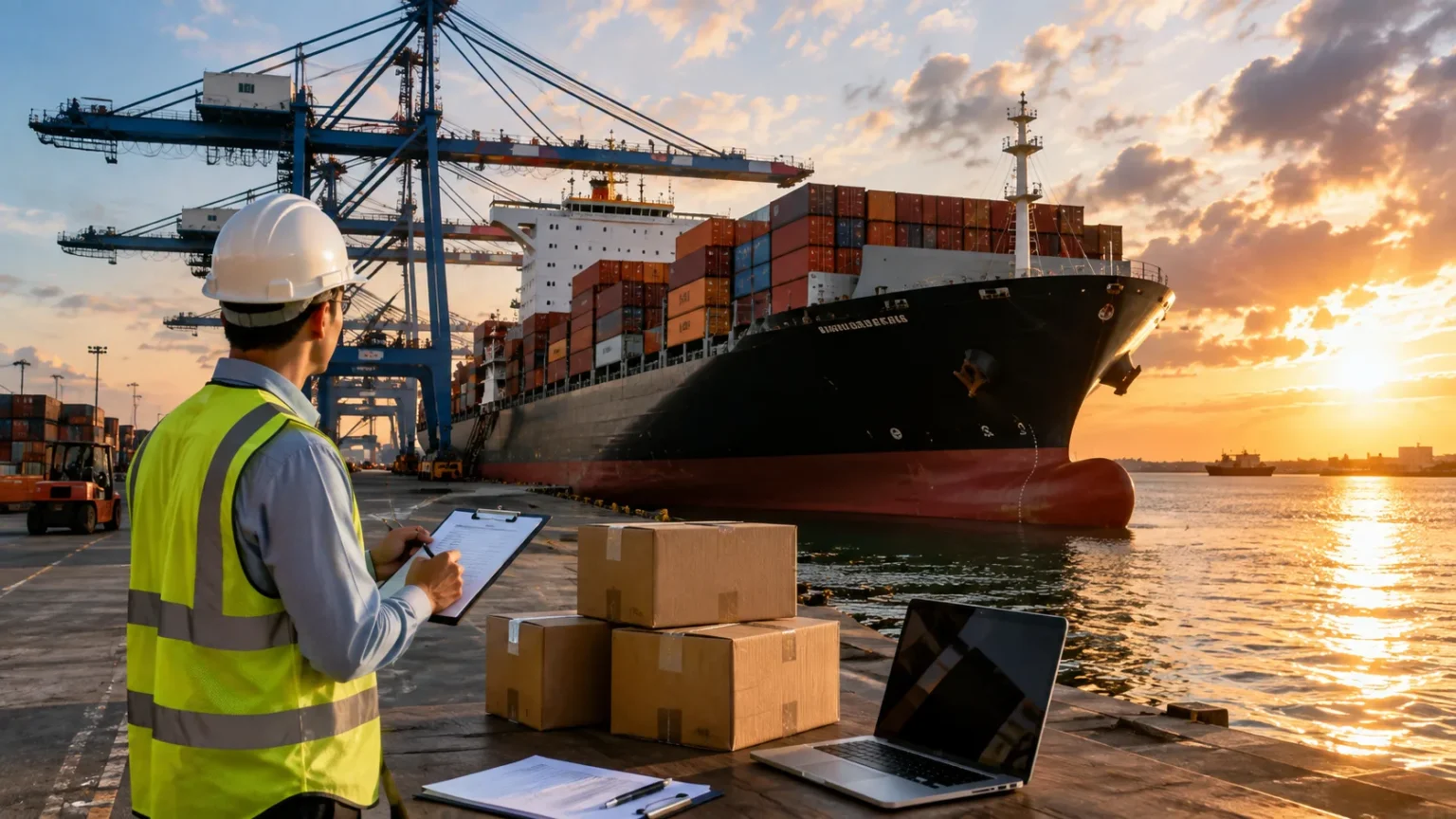
FOB Meaning: What It Means & Common Uses Explained
FOB is an abbreviation that can mean several different things depending on where you see it. In international shipping and trade, FOB most commonly stands for Free On Board, a commercial term that describes responsibilities between a seller and buyer when goods are transported by sea or inland waterway. In everyday life, however, a fob can also mean a small device used to unlock a car, enter a building, or authenticate access. Military conversations may use FOB to mean Forward Operating Base, while some informal conversations use the letters in an entirely different and potentially offensive way. Because the same abbreviation appears in business, logistics, technology, and slang, context is essential for understanding its intended meaning.
For businesses involved in importing or exporting goods, the shipping meaning of FOB is particularly important. It affects who arranges certain stages of transportation, who pays particular costs, and when the risk of loss or damage transfers from the seller to the buyer. A misunderstanding can lead to unexpected freight charges, insurance disputes, customs problems, or confusion about responsibility for damaged cargo. The phrase is often followed by a named port, such as “FOB Shanghai” or “FOB Hamburg,” because the location helps define where the agreed delivery point occurs. Although FOB sounds simple, it should not be interpreted as meaning that the seller handles every transportation expense.
FOB also appears frequently in accounting discussions through expressions such as FOB shipping point and FOB destination. These terms are often used to explain when ownership or responsibility for goods is treated as passing from seller to buyer in domestic commercial transactions. Their use overlaps conceptually with shipping responsibilities, but they should not automatically be treated as identical to the International Chamber of Commerce definition of the FOB Incoterm. Modern international contracts need precise wording because international logistics involve carriers, customs, ports, documentation, insurance, and different legal systems. Using a familiar abbreviation without understanding the applicable rules can create unnecessary uncertainty.
Outside shipping, most consumers encounter a key fob rather than a shipping contract. A vehicle key fob can lock doors, unlock a trunk, start a vehicle, or communicate with a car’s security system. Access-control fobs are similarly used in offices, apartment buildings, gyms, hotels, parking areas, and other controlled spaces. These devices may use radio-frequency identification, near-field communication, or other wireless technologies depending on the system. In this context, the word “fob” refers to a small object rather than an acronym that needs to be expanded. This everyday meaning is completely unrelated to Free On Board.
Understanding the correct FOB meaning therefore begins by identifying the subject being discussed. A purchase order mentioning FOB and a port is probably talking about international shipping, while a mechanic mentioning a replacement fob is probably discussing a vehicle key. A military report referring to a FOB is likely describing an operating base, and an accounting textbook may be discussing shipping terms and inventory recognition. This guide explains these common meanings in detail, with particular attention to Free On Board, FOB shipping terms, FOB shipping point, FOB destination, key fobs, and other uses of FOB. By the end, you should be able to recognize the intended meaning quickly and understand why the distinction matters.
What Does FOB Mean?
In international commerce, FOB means Free On Board. It is one of the standardized Incoterms used to clarify specific obligations between buyers and sellers in international trade contracts. Under an FOB arrangement, the seller generally delivers the goods on board the vessel nominated by the buyer at the named port of shipment. Once the goods have been placed on board according to the agreed terms, the risk of loss or damage generally transfers to the buyer. The buyer then takes responsibility for the main sea transportation and subsequent stages of the journey. This arrangement makes the named port of shipment a critical part of the contract.
FOB should not be understood simply as “the seller pays for shipping.” The seller typically handles the goods until they have been delivered on board the vessel at the agreed port, including obligations such as export clearance where applicable. The buyer normally arranges and pays for the main carriage from that port to the destination. Depending on the transaction, additional expenses can include ocean freight, cargo insurance, destination handling, import customs clearance, duties, taxes, inland transportation, and storage. Contracts should specify responsibilities clearly because shipping costs can be divided in several ways. The three letters alone do not explain every possible expense.
The official Free On Board Incoterm is intended for sea and inland waterway transport. This is an important detail because businesses sometimes use FOB casually for containerized or multimodal shipments where another Incoterm may be more appropriate. For container shipments delivered to a terminal before being loaded onto a vessel, terms such as FCA, or Free Carrier, can sometimes better reflect how control and risk actually pass between parties. Choosing an Incoterm should therefore reflect the physical logistics of the transaction rather than familiarity with a popular abbreviation. Importers and exporters benefit from reviewing exactly where the seller’s delivery obligation ends.
The phrase “FOB price” often refers to the cost of the goods plus the seller’s responsibilities required to deliver them on board at the named shipment port. It does not normally include the buyer’s main international freight after the goods have crossed the defined delivery point. For example, a supplier quoting an FOB price may include manufacturing, local transport to the port, export-related formalities, and loading obligations associated with the agreed term. The importer may then arrange the ocean carrier and pay freight from the port onward. Comparing FOB prices between suppliers can therefore be useful, but buyers should also calculate total landed cost before deciding which offer is cheaper.
In other contexts, FOB can mean something completely different, which is why blindly expanding the abbreviation to Free On Board can be misleading. A vehicle owner’s manual may mention a key fob, while military documentation may refer to a Forward Operating Base. Slang usage has also created additional meanings that may carry cultural or derogatory implications. Understanding the surrounding words usually resolves the ambiguity quickly. Terms such as vessel, shipment, port, supplier, freight, consignee, or Incoterms strongly suggest the shipping meaning. Words such as car, battery, remote, door, access, or ignition usually point toward a key fob.
FOB in Shipping: How Free On Board Works
An FOB shipping transaction begins with the buyer and seller agreeing on the goods, price, destination plans, and named port of shipment. The contract should identify the FOB term together with a specific port rather than simply saying “FOB” with no location. That named port establishes the place where the seller must complete the contractual delivery obligation associated with the term. Before that point, the seller generally prepares the goods, packages them appropriately, and organizes the inland movement needed to reach the port. The seller also handles export clearance where the rules require it. Precise documentation reduces the chance that either party assumes the other is handling a critical logistics step.
The buyer generally has responsibility for arranging the vessel or main sea carriage under an FOB transaction. This means the buyer may work directly with an ocean carrier, freight forwarder, or logistics provider. Vessel schedules, booking information, shipment deadlines, and loading arrangements must be communicated accurately to the seller. If the buyer fails to provide the necessary shipping details on time, delays or additional port charges may result. The seller needs enough information to deliver the goods in accordance with the agreed sailing. Coordination is therefore an essential part of FOB shipping even though the responsibilities are divided between two parties.
The moment at which risk transfers is one of the most important elements of FOB. Under the modern Incoterms framework, risk generally passes from seller to buyer when the goods are on board the vessel at the named port of shipment. Older explanations sometimes use language about goods “passing the ship’s rail,” but modern interpretation focuses on being delivered on board. After risk has transferred, accidental loss or damage during the main voyage is generally the buyer’s concern unless another contractual arrangement changes the outcome. This is one reason buyers often consider cargo insurance even though FOB itself does not require the seller to provide it.
Costs and risks should not be treated as identical concepts. A contract may allocate a particular cost to one party while the risk of physical loss has already passed according to the delivery rule. Under FOB, the seller generally bears costs connected with fulfilling its obligation up to delivery on board, while the buyer takes over the main transportation costs after that point. Port practices can sometimes create additional terminal, handling, documentation, or security charges that need clarification. Commercial invoices and freight quotations should therefore be reviewed carefully. Assuming that one simple FOB price includes every charge to the final warehouse can lead to serious budgeting mistakes.
A practical FOB example makes the arrangement easier to understand. Imagine a retailer in the United States purchasing furniture from a manufacturer with an agreed term of FOB Shanghai. The manufacturer prepares the furniture, moves it to the agreed port, handles applicable export requirements, and fulfills its delivery responsibility by getting the cargo on board the nominated vessel. The buyer arranges the ocean freight from Shanghai and takes responsibility for the transportation risk after the goods are properly on board. The buyer may also arrange marine cargo insurance, import clearance, duties, destination charges, and trucking from the arrival port. The exact commercial arrangements should still be documented clearly because real shipments can contain additional complexities.
FOB Shipping Point vs FOB Destination
The phrases FOB shipping point and FOB destination are commonly encountered in accounting, domestic shipping, and business education. FOB shipping point generally indicates that responsibility or title is treated as passing to the buyer when the seller ships the goods from the origin. In a simplified domestic transaction, this means the buyer may become responsible for the goods while they are in transit. The buyer may also be responsible for transportation costs depending on the commercial agreement. This concept is frequently used when explaining inventory recognition near the end of an accounting period. However, it should not automatically be confused with the formal international FOB Incoterm.
Under FOB destination, the seller generally retains responsibility for the goods until they reach the buyer’s specified destination. If merchandise is damaged during transit before reaching that point, the seller may bear the risk under the commercial arrangement. The seller may also arrange or absorb transportation costs depending on the agreed terms. From an accounting perspective, the distinction can affect when goods are recognized as part of the buyer’s or seller’s inventory. This becomes particularly important when shipments are traveling during a month-end or year-end reporting period. Businesses need consistent policies so inventory and revenue are recorded correctly.
Consider a simple FOB shipping point example involving an office-supply company. A customer orders 100 chairs, and the agreement states FOB shipping point at the seller’s warehouse. Once the seller transfers the shipment to the carrier under the agreed arrangement, the buyer may become responsible for goods in transit. If the company’s accounting policies and legal terms follow that interpretation, the inventory may effectively belong to the buyer even though the truck has not yet arrived. Freight costs may also fall to the buyer. The exact result depends on the complete contract, applicable law, and accounting framework rather than three words viewed in isolation.
Now consider the same order sold FOB destination. In this case, the seller generally retains responsibility until the 100 chairs arrive at the buyer’s specified destination. From an accounting perspective, the goods may remain part of the seller’s inventory while they are still traveling. If the delivery spans the end of an accounting period, this difference can affect reported inventory and sales timing. For businesses moving large quantities of merchandise, the financial impact can be meaningful. This is why auditors and accountants frequently review shipping documents around reporting dates to confirm transactions have been recorded in the correct period.
Businesses involved in international trade should be particularly cautious with these expressions because domestic commercial terminology and formal Incoterms can overlap imperfectly. The standardized FOB Incoterm refers to delivery on board a vessel at a named port of shipment and is specifically designed for sea or inland waterway transport. “FOB destination,” by contrast, is not an official ICC Incoterm in the same sense. International contracts should identify the intended Incoterm clearly and specify the named place or port. Precision prevents misunderstandings involving insurance, transportation, customs, title, and risk. When significant money is involved, professional logistics or legal advice may be appropriate.
Who Pays Freight, Insurance and Customs Under FOB?
Under a standard FOB international shipping arrangement, the seller generally pays costs required to deliver the goods on board the vessel at the agreed port of shipment. This can include preparing and packaging the merchandise, transporting it to the port, completing applicable export clearance, and fulfilling loading-related obligations under the selected term. The exact local charges can vary because ports and freight providers have different fee structures. Sellers therefore need to understand which charges are part of their contractual responsibility before preparing an FOB quotation. A quotation that overlooks terminal or documentation expenses can reduce profit unexpectedly. Clear communication with freight forwarders helps minimize these surprises.
The buyer generally pays for the main ocean freight after the goods have been delivered on board. This gives the buyer substantial control over the main carriage because the buyer can often select the shipping line, negotiate freight rates, choose schedules, and coordinate downstream logistics. Large importers may prefer FOB for precisely this reason. They may already have relationships with global freight forwarders or carriers and be able to negotiate better transportation rates than an overseas supplier. Smaller buyers, however, may find managing international freight more complicated. The best shipping term depends partly on each party’s logistics experience and negotiating power.
Insurance deserves separate attention because the FOB term itself does not generally require the seller to purchase marine cargo insurance for the buyer. Since the risk transfers when the goods are delivered on board under the FOB rule, the buyer has a strong reason to consider appropriate insurance for the voyage and subsequent transportation. Cargo can be exposed to water damage, theft, handling accidents, fire, container losses, extreme weather, and other risks. Carrier liability may be limited and should not be assumed to provide complete protection. A buyer should understand both the value of the shipment and the terms of any insurance policy purchased.
Import customs clearance generally falls on the buyer under an FOB transaction. The buyer is normally responsible for complying with the destination country’s import requirements, paying applicable duties and taxes, and providing necessary documentation to customs authorities or brokers. These costs can significantly increase the total landed cost beyond the supplier’s FOB quotation. Products may also face inspections, product standards, licensing requirements, anti-dumping duties, or other regulatory measures depending on the market. Importers should research these obligations before placing an order rather than after the cargo arrives. Unexpected customs costs can make an apparently inexpensive purchase much more expensive.
Export formalities are generally handled by the seller under FOB, although real-world transactions may involve brokers and logistics intermediaries acting on the seller’s behalf. Sellers need to provide accurate product descriptions, commercial documentation, origin information where required, and other export-related records. Incorrect documents can delay loading or create customs problems before the cargo even leaves the country. Buyers should still review shipping documentation because inaccuracies can cause issues at the destination as well. FOB divides responsibilities, but successful trade still requires cooperation. Both parties benefit when responsibilities for freight, insurance, customs, documentation, and communication are written into the commercial agreement rather than assumed.
FOB Price, Landed Cost and Business Examples
An FOB price is not the same as the total amount a buyer eventually spends to receive imported goods. Suppose a supplier quotes a product at $20 per unit FOB at a named shipment port. That amount generally reflects the product and the seller’s obligations up to the FOB delivery point, but the importer may still need to pay international freight, insurance, destination handling, customs brokerage, import duties, taxes, inland delivery, and other expenses. These additional charges create the landed cost. Comparing suppliers only by FOB unit price can therefore produce misleading purchasing decisions. A slightly more expensive supplier may generate a lower overall landed cost if logistics are more efficient.
Landed cost calculations are especially important for ecommerce retailers and wholesalers importing physical inventory. A business might negotiate an attractive FOB price but discover that bulky packaging makes ocean freight much more expensive than expected. Another product may face a high import duty or special customs classification that changes the economics of the order. Port congestion, storage charges, and inland trucking can add further expenses. Businesses should model these costs before setting retail prices or profit-margin targets. Selling price decisions based only on supplier invoices can leave insufficient margin once the full supply chain is considered.
For example, imagine a retailer orders 1,000 kitchen products at an FOB price of $8 each, creating an $8,000 supplier cost. Ocean freight might add $1,500, cargo insurance $100, destination charges $700, customs and taxes $1,200, and inland transportation another $500. The resulting cost is no longer $8 per product when these expenses are allocated across the shipment. The approximate landed cost becomes significantly higher before warehousing, advertising, payment fees, returns, and other operating expenses are considered. This simple example illustrates why ecommerce sellers should calculate landed cost rather than assuming the FOB quotation represents their true product cost.
FOB can also affect purchasing negotiations. Experienced buyers may ask several suppliers for quotations using the same Incoterm and named port so they can compare offers on a more consistent basis. If one supplier quotes FOB and another quotes CIF or EXW, comparing the headline prices directly can be misleading because each term allocates different responsibilities. Converting the offers into estimated landed costs makes the comparison more useful. Buyers may also examine production lead time, product quality, payment terms, minimum order quantities, and reliability. Transportation terms are only one part of supplier selection, but they can materially affect profitability.
Sellers also need to understand how FOB pricing affects their margin. A manufacturer offering FOB must account for the cost of moving goods from the factory to the port, completing export formalities, and delivering them on board according to the contract. If local transport rates or port charges rise, the seller’s cost of fulfilling the FOB obligation can increase. Regularly updating freight assumptions can prevent outdated quotations from eroding profitability. Suppliers should also state the named port clearly because transporting goods to one port may cost considerably more than another. Precise quotations help both buyer and seller understand what the stated price actually includes.
FOB vs CIF, EXW and FCA
FOB is often compared with CIF, which stands for Cost, Insurance and Freight. Under CIF, the seller arranges and pays for the main carriage to the named destination port and provides the minimum level of cargo insurance required by the applicable rules. However, the transfer of risk under CIF occurs earlier than many newcomers expect, rather than necessarily remaining with the seller until the goods physically arrive at the destination. This demonstrates why cost responsibility and risk transfer need to be examined separately. Buyers should not assume that whoever pays freight automatically carries the transportation risk for the entire journey. Reading the actual Incoterm responsibilities prevents this common misunderstanding.
EXW, or Ex Works, places considerably more responsibility on the buyer. Under an Ex Works arrangement, the seller makes the goods available at its premises or another named place, and the buyer is generally responsible for organizing much of the transportation from there. This can include pickup, export procedures, international freight, import clearance, and delivery, subject to the practical and legal realities of the countries involved. EXW may appear attractive because the supplier’s quoted price is lower than an FOB price. However, buyers with limited experience in the seller’s country may find local export logistics difficult to manage.
FCA, or Free Carrier, is another important term and can be especially relevant for containerized shipments. Under FCA, the seller delivers the goods to the carrier or another party nominated by the buyer at an agreed place. Depending on the exact named place, responsibilities for loading can differ. FCA can better match many modern container logistics situations where the seller hands cargo over at a terminal or carrier-controlled location before the goods are physically loaded onto an ocean vessel. This is one reason businesses should not choose FOB automatically simply because their shipment ultimately travels by sea. The physical handover point matters.
The best Incoterm depends on factors such as transportation mode, bargaining power, logistics experience, freight contracts, customs capability, and the desired level of control. A large importer may prefer FOB or FCA because it has negotiated carrier rates and wants control over international transportation. A smaller buyer may prefer an arrangement where the seller organizes more of the journey, although that convenience can come with less visibility into freight costs. Sellers may also favor terms that fit their export processes. There is no universally superior Incoterm. The goal is to choose one that clearly reflects how the shipment will actually move.
Regardless of the term selected, contracts should use the correct Incoterm name, a precise named place or port, and the applicable rules version when appropriate. Writing only “FOB” or “CIF” without location information leaves room for uncertainty. Parties should also address issues that Incoterms do not fully determine, such as payment timing, transfer of legal title, product specifications, dispute resolution, inspection rights, and remedies for breach. Incoterms are powerful logistics tools but do not replace a complete sales contract. Understanding their limits helps businesses use FOB and competing trade terms more effectively.
What Is a Key Fob?
A key fob is a small physical device used to control or authenticate access. Most people associate the term with car remotes that lock and unlock doors, open trunks, trigger alarms, or communicate with push-button ignition systems. The word fob in this context is not related to Free On Board. Historically, “fob” was associated with small objects attached to keys or watch chains, and the term eventually became widely used for electronic access devices. Modern key fobs contain electronic components that communicate with another system. Their capabilities vary from simple remote buttons to sophisticated proximity-based authentication.
Car key fobs typically communicate with the vehicle using short-range radio signals. When you press a button, the fob transmits information that the vehicle recognizes as coming from an authorized device. Modern systems use security mechanisms intended to prevent someone from simply recording and replaying the same unlock command. Smart-key systems can also detect when an authorized fob is physically near the vehicle. This allows doors to unlock through proximity and enables push-button starting without inserting a traditional metal key. Some fobs still include a concealed mechanical key for emergency use when the battery or electronic system fails.
A key fob battery can eventually lose power, causing reduced range or inconsistent operation. Common symptoms include needing to stand closer to the car, pressing buttons several times, or seeing a dashboard warning about a low remote battery. Many fobs use replaceable coin-cell batteries, although the exact battery type varies between manufacturers and models. Replacing the battery is often straightforward, but opening methods differ and excessive force can damage the casing. Some vehicles may also require particular synchronization or programming procedures. The owner’s manual is usually the best place to check model-specific instructions.
Access-control fobs are widely used outside vehicles. Apartment buildings, offices, gyms, schools, warehouses, parking facilities, and hotels may issue small fobs that allow authorized users to open doors or pass through controlled entrances. These systems can use technologies such as RFID or NFC depending on their design. Administrators can often activate or deactivate individual credentials without changing the physical lock. This is useful when an employee leaves a company or a resident loses a fob. Access logs may also record when specific credentials are presented to compatible readers.
Losing a modern car or building fob can be more complicated than losing an ordinary metal key. Replacement may involve purchasing compatible hardware and programming it into the security system. Automotive replacement costs can vary substantially depending on whether the fob supports basic remote locking, transponder authentication, proximity entry, or other advanced features. Building administrators may also charge replacement fees or deactivate the lost credential immediately. Because a fob can grant physical access, losses should be reported promptly when security is a concern. Keeping a backup in a secure location can reduce inconvenience.
Other Common Meanings of FOB
In military terminology, FOB can mean Forward Operating Base. A forward operating base is a secured position established to support tactical operations away from a larger main base. Depending on the mission, it may provide personnel with communications, supplies, medical support, equipment maintenance, command capabilities, or temporary living facilities. The size and permanence of a FOB can vary considerably. Some may be relatively developed, while others are temporary positions established for a particular operational requirement. This meaning has no connection with shipping or keyless-entry devices.
FOB also appears in entertainment, online communities, and workplace conversations as an abbreviation whose meaning depends heavily on context. A company may create an internal acronym using the same letters for a project, department, process, or software feature. Musicians and fans may occasionally use FOB as shorthand for names that contain those initials. Text messages may shorten phrases differently depending on the community using them. For this reason, acronym dictionaries can sometimes provide dozens of possible definitions. The surrounding subject usually matters more than finding every theoretical expansion.
Another use of FOB is the slang phrase “fresh off the boat.” It has historically been used to describe recent immigrants, particularly people perceived as unfamiliar with the language or customs of their new country. The expression can be dismissive, stereotypical, or offensive depending on how it is used and who is using it. In some communities, people may reclaim or use the phrase humorously among themselves, but that does not make it appropriate in every setting. When discussing people professionally or respectfully, clearer terms such as “new immigrant,” “recent arrival,” or a person’s actual background are generally preferable.
Businesses occasionally encounter people expanding FOB as “freight on board.” This wording is common enough that it can appear in informal explanations, but the established Incoterms shipping term is Free On Board. Using “freight on board” can create confusion because freight payment responsibilities are already a major part of interpreting shipping terms. People preparing purchase orders, commercial invoices, or contracts should use standardized terminology rather than relying on informal expansions. Accuracy becomes especially important when transactions cross borders. A three-letter misunderstanding can become expensive when each party assumes a different division of costs and risk.
The easiest way to identify FOB meaning is therefore to look at nearby keywords. If you see shipping, supplier, port, vessel, Incoterms, cargo, importer, or exporter, FOB almost certainly refers to Free On Board. If the discussion involves cars, doors, remotes, batteries, or access systems, fob refers to a physical key or authentication device. Military language involving troops, missions, logistics, or bases suggests Forward Operating Base. Immigration-related slang may indicate the more sensitive “fresh off the boat” expression. Context turns an ambiguous abbreviation into a much clearer term.
Why Understanding FOB Matters in Business
FOB terminology can directly affect financial risk in international trade. If a buyer mistakenly believes the seller remains responsible for cargo throughout the ocean journey, the buyer may fail to purchase appropriate insurance. If the goods are then damaged after the contractual risk has transferred, recovering the loss may become difficult. Similarly, a seller that misunderstands loading obligations may incur unexpected charges or fail to deliver in accordance with the contract. These are not merely vocabulary problems. Shipping terminology can determine who bears thousands or even millions of dollars in exposure on large commercial shipments.
FOB also affects supply-chain planning because buyers need to understand where their responsibility begins. Once the buyer controls the main freight, it must coordinate shipping bookings, arrival schedules, customs brokers, destination handling, and inland transportation. Delays at any stage can affect warehouse availability and customer orders. Businesses using just-in-time inventory models may be particularly sensitive to international shipping disruptions. Accurate shipment data allows purchasing teams to estimate lead times and maintain appropriate safety stock. The Incoterm therefore influences operations as well as freight invoices.
Accounting teams need accurate shipping terms because transactions in transit can affect inventory and revenue recognition. Around financial reporting dates, companies may have substantial merchandise moving between warehouses, ports, customers, and suppliers. Determining which party should treat those goods as inventory may require examining contractual delivery terms and applicable accounting policies. A misunderstanding can overstate or understate inventory balances. Auditors often test shipping documentation near period end for exactly this reason. Clear contractual terminology makes those reviews easier and reduces the risk of inconsistent accounting treatment.
Ecommerce companies and smaller importers should understand FOB before negotiating with overseas suppliers. Online marketplaces make international sourcing accessible to businesses that may have little previous logistics experience. A supplier’s attractive FOB quotation can look like a complete cost even though major freight and import expenses remain. New importers should calculate ocean or air transport, insurance, customs duties, brokerage, port fees, storage, local delivery, and other relevant expenses before determining profitability. They should also verify whether FOB is appropriate for the transportation method being used. Learning basic trade terminology before placing a large order can prevent expensive mistakes.
Ultimately, FOB works well when both parties understand exactly what they have agreed to. The abbreviation itself is not complicated, but real-world shipping involves many connected responsibilities. Buyers and sellers should identify the named port, transportation mode, risk-transfer point, freight arrangements, insurance, customs responsibilities, and relevant documentation before the shipment begins. Important contracts may also need input from experienced freight forwarders, customs specialists, accountants, or legal advisers. Using standardized language consistently reduces assumptions. In international trade, clarity is often as valuable as negotiating a lower unit price.
Frequently Asked Questions About FOB
What does FOB stand for in shipping?
FOB stands for Free On Board in international shipping. It generally means the seller delivers the goods on board the buyer-nominated vessel at the named port of shipment, after which transportation risk transfers according to the agreed FOB rules.
Does FOB mean the seller pays for shipping?
Not for the entire journey. Under a standard FOB arrangement, the seller generally handles costs needed to deliver the goods on board at the named shipment port, while the buyer arranges and pays for the main international carriage from there.
What is the difference between FOB shipping point and FOB destination?
FOB shipping point generally indicates that responsibility passes to the buyer when goods leave the seller’s shipping point, while FOB destination generally keeps responsibility with the seller until the goods reach the agreed destination. These domestic commercial expressions should not automatically be treated as identical to the formal international FOB Incoterm.
What does FOB mean for a car?
When discussing a car, a fob usually means the electronic key or remote used to lock, unlock, start, or access the vehicle. In this context, “fob” is unrelated to the shipping abbreviation Free On Board.
Is FOB the same as CIF?
No. FOB generally leaves the buyer responsible for arranging the main sea freight, while CIF requires the seller to arrange and pay for carriage and specified insurance to the named destination port. The two terms also need careful comparison because payment of freight and transfer of transportation risk are separate concepts.