


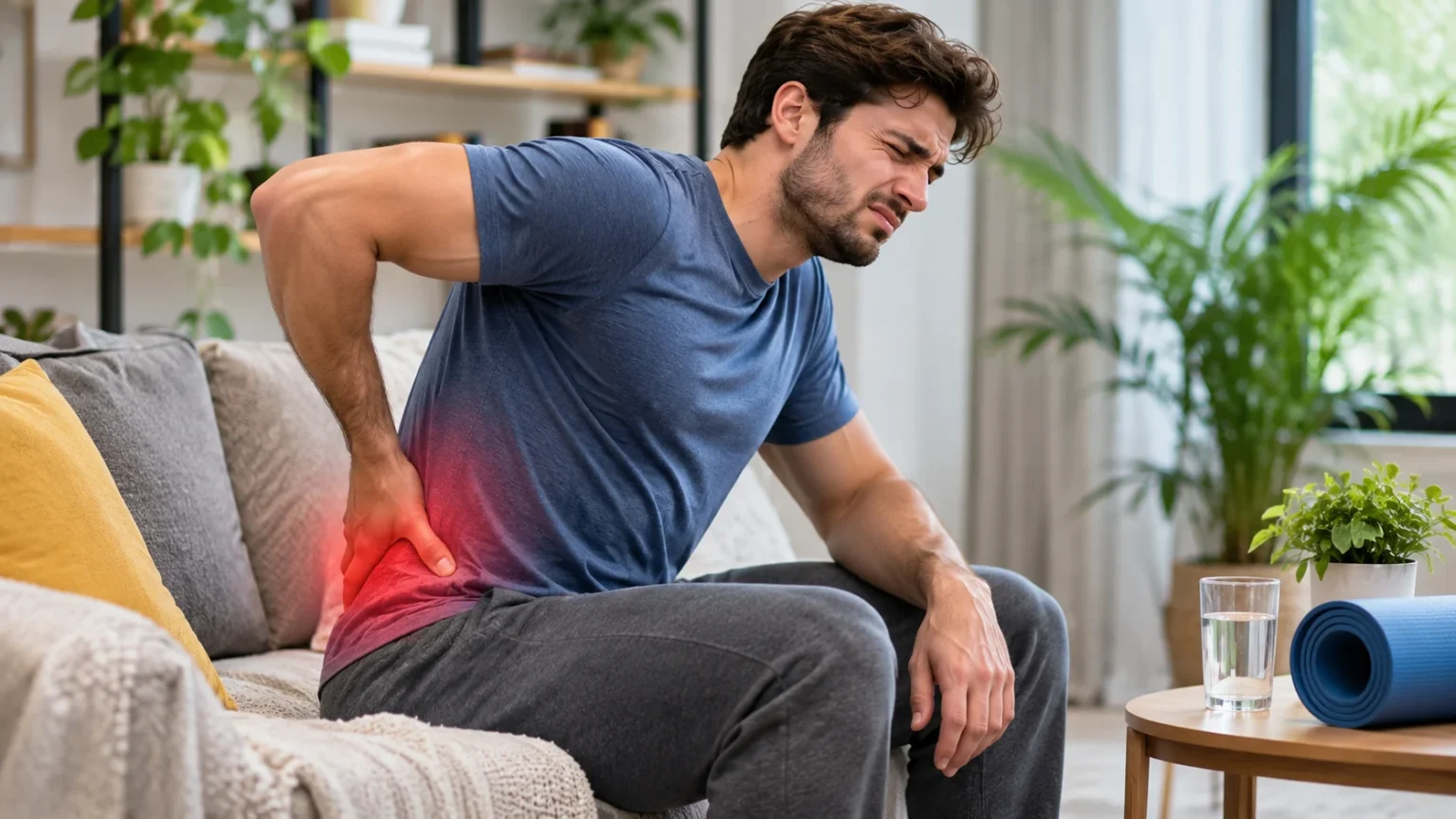
Pain in the lower left back is a common problem that can affect your comfort, movement, and daily activities. It may develop from muscle strain, poor posture, nerve irritation, or certain medical conditions. While some cases improve with rest and gentle movement, others require professional evaluation to identify the underlying cause and prevent complications.
Understanding the possible reasons for pain lower left back can help you recognize symptoms and make informed decisions about relief. The discomfort may feel dull, sharp, aching, or burning, depending on the affected muscles, nerves, or organs. Learning when to use home care and when to seek medical attention is essential for effective management.
What Does Pain in the Lower Left Back Mean?
Lower left back pain refers to discomfort affecting the left side of the lumbar region, usually between the lower ribs and the pelvis. This area contains muscles, ligaments, spinal joints, nerves, and nearby internal organs. Pain can develop when these structures become irritated, injured, inflamed, or affected by an underlying health condition.
The intensity and location of discomfort often vary between individuals. Some people experience a dull ache that becomes noticeable after sitting or standing for long periods. Others develop sudden, sharp pain when bending, lifting objects, or changing positions, particularly when muscles or spinal structures are involved.
Although muscular problems are common, discomfort in this region does not always originate from the spine. Kidney conditions, digestive problems, and certain pelvic disorders can sometimes produce pain that spreads toward the lower back. Understanding associated symptoms helps healthcare professionals distinguish between mechanical back pain and discomfort caused by internal organs.
Common Causes of Lower Left Back Pain
Several conditions can cause discomfort on one side of the lower back. Muscle strains, ligament injuries, and irritation of spinal joints are among the more common explanations. These problems may develop after sudden movements, repetitive activities, prolonged sitting, or lifting objects without adequate support from surrounding muscles.
Structural changes within the lumbar spine can also contribute to one-sided back pain. Conditions involving spinal discs, joints, or nearby nerves sometimes cause discomfort that extends into the buttocks or legs. However, imaging findings do not always explain symptoms, because some spinal changes occur naturally without causing noticeable pain.
In other situations, lower back discomfort may be associated with internal medical conditions. Kidney stones, urinary tract infections, and certain abdominal or pelvic problems can cause pain near the left side of the waist. Persistent symptoms, fever, urinary changes, or unexplained abdominal discomfort should prompt a medical assessment.
Muscle Strain and Ligament Injuries
Muscle strain is a frequent cause of localized lower back discomfort. It occurs when muscle fibers become overstretched or irritated during physical activity, sudden movement, or repeated loading. A person may notice pain after carrying heavy objects, participating in unfamiliar exercise, or twisting awkwardly while performing everyday tasks.
Common symptoms include stiffness, muscle tenderness, and discomfort that increases with certain movements. The affected area may feel tight when bending forward, turning the torso, or standing after prolonged sitting. Muscle spasms can also occur, making the back temporarily feel restricted or difficult to move comfortably.
Most uncomplicated muscle strains improve gradually with conservative care. Gentle movement, comfortable positions, and short periods of cold or warmth may help manage symptoms. However, severe pain, worsening weakness, or discomfort that does not improve as expected should be evaluated by a healthcare professional.
Poor Posture and Prolonged Sitting
Remaining in one position for extended periods can contribute to lower back stiffness and muscular discomfort. Sitting at a desk, studying, driving, or using electronic devices may reduce opportunities for normal movement. Over time, sustained positions can increase sensitivity in certain muscles and joints, especially when combined with limited physical activity.
There is no single perfect posture that prevents back pain for everyone. However, maintaining a comfortable working position and changing positions regularly can reduce unnecessary strain. Supporting your feet, adjusting screen height, and keeping frequently used objects within easy reach may make sitting more comfortable.
Regular movement breaks can also help reduce discomfort associated with prolonged inactivity. Standing, walking briefly, or performing gentle stretches allows the back to move through different positions. The goal is not to hold your spine perfectly straight all day but to encourage comfortable movement and avoid staying still for too long.
Sciatica and Pinched Nerves
Sciatica describes symptoms caused by irritation or compression of nerves that contribute to the sciatic nerve. It often produces pain that travels from the lower back or buttock into one leg. The discomfort may feel sharp, burning, or electric, and some individuals experience tingling or numbness along the affected pathway.
A herniated spinal disc is one possible cause of nerve-related symptoms. When disc material presses against a nearby nerve root, pain may develop on one side of the lower back and extend downward. Other conditions, including narrowing around spinal nerves, can produce similar symptoms and require careful clinical evaluation.
Mild sciatica sometimes improves with time, appropriate movement, and conservative treatment. Physical therapy may help restore mobility and improve tolerance for everyday activities. New or progressive leg weakness, difficulty walking, or changes in bladder or bowel control require prompt medical attention, particularly when symptoms appear suddenly.
Herniated Discs and Spinal Joint Problems
The lumbar spine contains intervertebral discs that provide cushioning between neighboring vertebrae. These structures help distribute forces during walking, bending, and other movements. A disc herniation occurs when part of a disc extends beyond its usual boundary, sometimes irritating a nearby nerve and contributing to one-sided discomfort.
Spinal joints can also become sensitive due to age-related changes, injury, or repetitive loading. Facet joints connect neighboring vertebrae and help guide spinal movement. When these joints become painful, certain motions, particularly bending backward or twisting, may increase discomfort, although symptoms alone cannot confirm the source.
Not every spinal abnormality requires surgery or specialized procedures. Many people improve with physical therapy, activity adjustments, and other nonoperative treatments. A healthcare professional can determine whether imaging or additional investigation is necessary based on symptom severity, examination findings, and the presence of concerning neurological changes.
Kidney Problems and Lower Left Back Pain
The kidneys are located toward the back of the upper abdomen, beneath the lower ribs. Kidney-related discomfort is often felt higher than typical lumbar muscle pain, although it may spread toward the side or lower abdomen. Kidney stones and infections are important possibilities when back discomfort occurs alongside urinary symptoms.
Kidney stones may cause severe pain that comes in waves and sometimes travels toward the groin. Other possible symptoms include nausea, vomiting, or blood in the urine. Because symptoms can resemble other abdominal or urinary conditions, medical evaluation is important when kidney stones are suspected.
A kidney infection may produce fever, chills, flank discomfort, and urinary changes. This condition requires prompt medical attention because untreated infections can become serious. Drinking water supports normal kidney function, but hydration alone cannot reliably treat a kidney infection or resolve every kidney stone.
Digestive and Abdominal Causes
Some digestive conditions can produce discomfort that extends toward the left lower back. Constipation, intestinal irritation, and abdominal muscle tension may create sensations that are difficult to distinguish from musculoskeletal pain. Associated symptoms such as bloating, bowel changes, or abdominal tenderness can provide important clues about the underlying cause.
Diverticulitis is another possible cause of left-sided abdominal discomfort, particularly in adults. It involves inflammation affecting small pouches that can form in the colon. Symptoms may include persistent lower abdominal pain, fever, and changes in bowel habits, sometimes accompanied by discomfort extending toward the back.
Digestive conditions should not be diagnosed based on back pain alone. Severe abdominal pain, persistent vomiting, blood in the stool, or a swollen and tender abdomen require medical assessment. Treatment depends on the underlying condition, and relying exclusively on stretching or back exercises may delay appropriate care.
Pelvic Conditions and Lower Left Back Pain
Certain pelvic health conditions can cause discomfort that extends into the lower back. Menstrual cramps, endometriosis, and ovarian cysts are examples of conditions that may produce pain in the pelvis and nearby lumbar region. Symptoms can vary with the menstrual cycle, physical activity, and the particular condition involved.
Pelvic discomfort may occur alongside abdominal cramping, changes in bleeding patterns, or pain during everyday activities. However, these symptoms do not automatically indicate a specific reproductive health condition. A healthcare professional may need to review medical history, perform an examination, or recommend appropriate tests to identify the cause.
Sudden, severe one-sided pelvic pain requires urgent evaluation, especially when accompanied by faintness, vomiting, or possible pregnancy. Conditions such as ovarian torsion or ectopic pregnancy can cause serious complications. Recognizing these warning signs is important because timely medical attention may be necessary to protect overall health.
Sacroiliac Joint Pain and Hip-Related Problems
The sacroiliac joints connect the lower spine to the pelvis and help transfer forces between the upper and lower body. Irritation around one of these joints can contribute to discomfort near the lower back or upper buttock. Pain may become more noticeable during standing, walking, or changing positions.
Hip conditions can sometimes produce symptoms that overlap with lower back pain. Limited hip mobility, muscle irritation, and certain joint disorders may alter movement patterns and create discomfort around the pelvis. Because several structures are located close together, identifying the exact source often requires a physical examination.
Treatment may involve strengthening exercises, mobility work, and temporary changes to aggravating activities. A physical therapist can help assess movement patterns and recommend exercises suited to individual symptoms. Persistent pain should be evaluated rather than assuming that every ache near the pelvis originates from the sacroiliac joint.
How to Relieve Lower Left Back Pain at Home
Mild lower back pain often improves with simple self-care and gradual movement. Staying gently active within comfortable limits can help prevent unnecessary stiffness and support recovery. Short walks, light household activities, and changing positions regularly are usually preferable to spending long periods in bed.
Cold packs may provide temporary comfort after a recent strain, while gentle warmth can help relax tense muscles. Use a protective cloth between the skin and the cold or warm pack to avoid irritation. Choose whichever approach feels more comfortable, and discontinue treatment if it increases pain or causes skin problems.
Over-the-counter pain medicines may help some individuals, but they are not suitable for everyone. Certain medicines can cause side effects or interact with existing health conditions and other medications. Ask a pharmacist or healthcare professional about age-appropriate options rather than taking medication without understanding the risks.
Gentle Stretches and Exercises for Back Comfort
Gentle exercises can support mobility and improve confidence with everyday movement. Comfortable walking, pelvic tilts, and controlled knee movements are examples of activities sometimes included in lower back rehabilitation. However, the right exercises depend on the cause of discomfort, and movements should not produce increasing or radiating pain.
A pelvic tilt involves gently changing the position of the pelvis while lying comfortably on your back with your knees bent. This movement can help you explore lumbar mobility without requiring intense effort. Move slowly through a comfortable range, breathe normally, and avoid forcing the lower back into uncomfortable positions.
Strengthening the muscles around the hips, abdomen, and back may support long-term physical function. Exercises should be introduced gradually and adjusted according to individual ability and symptoms. If movement causes worsening leg pain, numbness, weakness, or significant discomfort, stop the activity and seek professional guidance.
Improve Sleeping Positions and Daily Comfort
Sleeping comfortably can be challenging when lower back pain interferes with normal movement. Some people prefer lying on their side with a pillow between their knees, while others feel better sleeping on their back. Small position adjustments may reduce pressure on sensitive areas and make resting more comfortable.
Mattress comfort is personal, and no single sleeping surface works best for everyone. A supportive mattress that allows comfortable positioning may help reduce nighttime discomfort. Instead of immediately replacing your mattress, consider whether pillow placement, sleep position, or other simple adjustments improve your symptoms.
Daily movement habits can influence how your back feels throughout the day. Avoid repeatedly forcing yourself into positions that trigger substantial discomfort, especially during the early stages of recovery. Gradually returning to normal activities, rather than avoiding movement completely, may support better function and reduce fear associated with back pain.
When Should You See a Doctor for Lower Left Back Pain?
Medical evaluation is recommended when lower back pain remains persistent, becomes progressively worse, or interferes significantly with everyday activities. Pain following a serious fall or accident also requires assessment. A clinician can review symptoms, examine the back and nervous system, and determine whether further testing is appropriate.
Certain symptoms require urgent medical attention. These include new loss of bladder or bowel control, numbness around the groin or saddle area, and significant or progressive leg weakness. Such symptoms may indicate serious nerve compression or another condition that needs immediate evaluation.
Back pain accompanied by fever, severe abdominal pain, unexplained illness, or urinary symptoms may also require prompt assessment. Individuals with a history of cancer, major trauma, or certain immune system conditions may need additional investigation. Seeking care when warning signs appear helps identify serious conditions and avoid unnecessary delays in treatment.
How Healthcare Professionals Diagnose Back Pain
Diagnosing lower left back pain usually begins with a review of symptoms and medical history. A healthcare professional may ask when discomfort started, which movements affect it, and whether pain spreads into other areas. Questions about injuries, urinary changes, digestive symptoms, and neurological complaints help identify possible causes.
A physical examination may include checking spinal movement, muscle tenderness, leg strength, sensation, and reflexes. These findings help distinguish common musculoskeletal problems from conditions involving nerves or internal organs. In many uncomplicated cases, a careful history and examination provide enough information to begin appropriate treatment.
Imaging tests are not always necessary for recent lower back pain without warning signs. However, X-rays, MRI scans, or other investigations may be recommended when serious conditions are suspected or symptoms persist despite appropriate care. Blood or urine tests may also help when infection or kidney-related problems are possible.
Treatment Options for Persistent Lower Left Back Pain
Treatment for persistent back pain depends on the underlying cause and how symptoms affect daily functioning. Physical therapy commonly focuses on improving mobility, restoring strength, and supporting a gradual return to normal activity. Education about pain, movement, and practical self-management can also be an important part of rehabilitation.
Some individuals may benefit from medication or additional medical procedures when conservative treatment is insufficient. The appropriate choice depends on clinical findings, symptom duration, medical history, and potential risks. Surgery is generally reserved for selected situations, such as certain cases of significant nerve compression or spinal conditions requiring specialist treatment.
Long-term recovery often involves combining medical guidance with sustainable physical habits. Regular movement, comfortable activity modifications, and appropriate rehabilitation may help improve function and reduce recurring discomfort. The goal is not necessarily to eliminate every temporary sensation but to restore confidence, comfort, and participation in everyday life.
How to Prevent Recurring Lower Left Back Pain
Although not every episode of back pain can be prevented, regular physical activity supports spinal health and general fitness. Walking, swimming, cycling, and suitable strengthening exercises can improve movement tolerance and muscular endurance. Choosing enjoyable activities makes it easier to remain active consistently without relying on demanding routines.
Gradually increasing activity levels may reduce sudden changes in physical workload that sometimes trigger discomfort. When lifting or carrying objects, keep loads manageable and use comfortable, controlled movement patterns. Avoid unnecessary twisting under heavy loads, and ask for assistance when an object is difficult to move safely.
Recovery also benefits from sufficient sleep, balanced nutrition, and addressing ongoing stress when possible. These factors support general health and may influence how people experience persistent pain. If lower back symptoms frequently return, professional assessment can help identify contributing factors and develop a practical management plan.
Conclusion
Pain in the lower left back can result from muscle strain, spinal irritation, nerve-related conditions, or problems involving nearby organs. Because several structures occupy this region, symptoms can overlap and make the exact cause difficult to identify. Understanding the location, intensity, and accompanying symptoms is an important first step toward appropriate relief.
For many uncomplicated cases, gentle movement, comfortable positioning, and gradual activity help support recovery. However, persistent pain, significant neurological changes, fever, or severe abdominal symptoms may indicate a condition requiring medical attention. Avoid relying on home remedies when warning signs suggest a potentially serious underlying problem.
Managing pain lower left back effectively involves balancing sensible self-care with timely professional guidance. Building regular movement habits, improving everyday comfort, and following appropriate treatment recommendations can support long-term function. With the right approach, many people can return to their usual activities and manage future discomfort more confidently.
Frequently Asked Questions
What Causes Pain in the Lower Left Side of the Back?
Common causes include muscle strain, spinal joint irritation, herniated discs, and nerve-related problems. Kidney conditions or certain abdominal and pelvic disorders can also cause discomfort in this area.
How Can I Relieve Lower Left Back Pain Quickly?
Gentle walking, comfortable positioning, and short applications of warmth or cold may provide temporary relief. Avoid activities that worsen symptoms, and seek medical advice if pain is severe or persistent.
Can Kidney Problems Cause Lower Left Back Pain?
Yes, kidney stones and infections can cause discomfort near the left side of the back. Associated symptoms may include fever, nausea, urinary changes, or pain extending toward the abdomen.
Is Lower Left Back Pain a Sign of Something Serious?
Most lower back pain is not caused by a serious condition. However, severe weakness, new bladder or bowel problems, fever, or sudden intense abdominal pain require urgent medical evaluation.
How Long Does Lower Left Back Pain Usually Last?
Many uncomplicated episodes improve within a few weeks, although recovery varies by cause and severity. Pain that worsens, persists, or interferes with everyday activities should be assessed by a healthcare professional.