


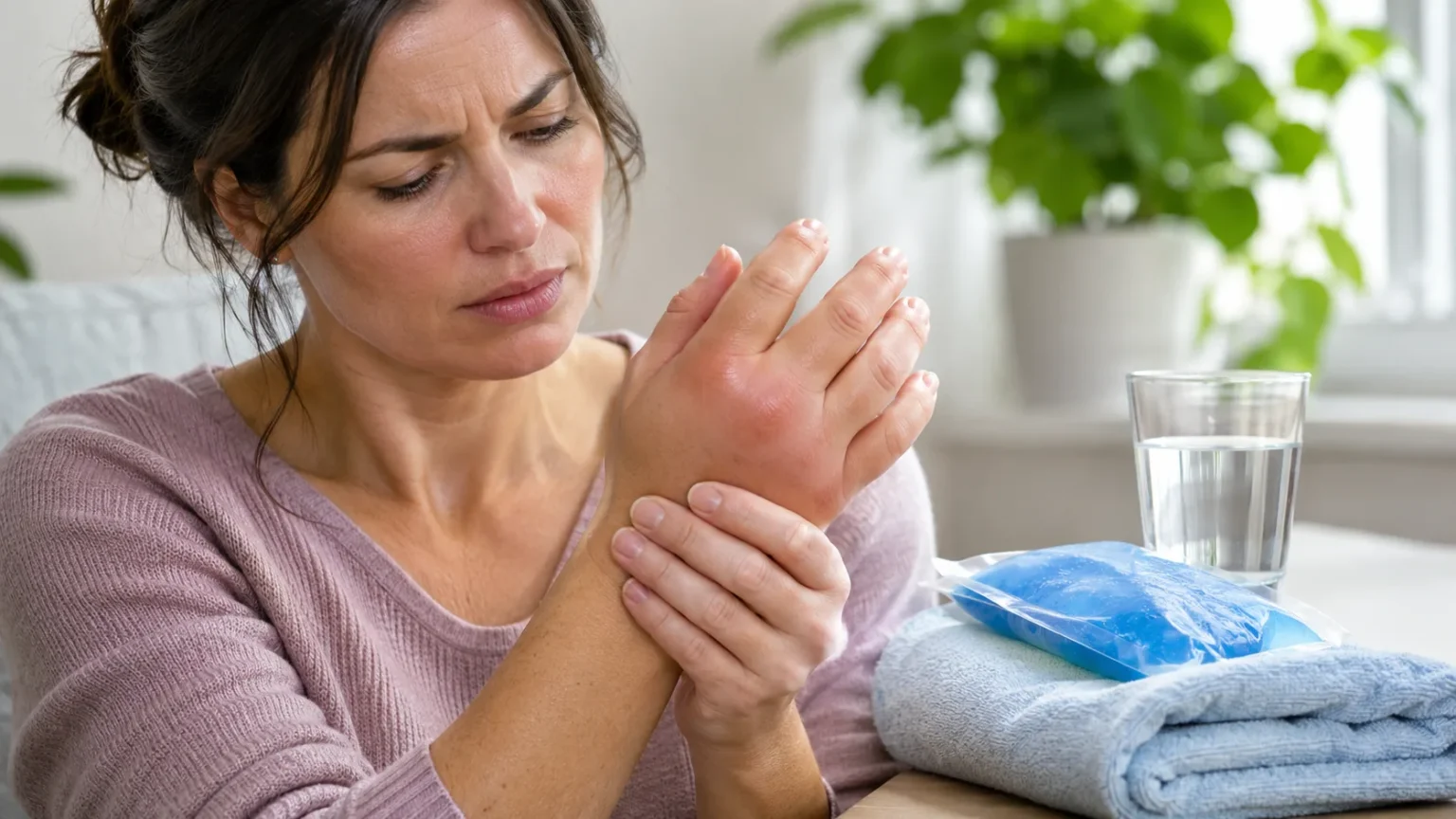
Swollen hands can make everyday activities uncomfortable, especially when gripping objects, typing, writing, or moving your fingers. The swelling may appear suddenly or develop gradually over several days. Sometimes it happens after physical activity, prolonged heat exposure, or minor injuries. However, swollen hands can also indicate inflammation, fluid retention, circulation problems, or an underlying medical condition.
Understanding swollen hands causes and relief can help you recognize possible explanations and determine when medical attention may be necessary. Swelling may affect one hand, both hands, individual fingers, or the surrounding joints. The appropriate treatment depends on the underlying cause rather than swelling alone. This guide explains common symptoms, potential medical conditions, home care options, warning signs, and practical prevention strategies.
What Does It Mean When Your Hands Are Swollen?
Swollen hands occur when excess fluid accumulates in the tissues or when inflammation causes the hands to become enlarged. This condition is sometimes described as hand edema, particularly when fluid retention is involved. Swelling can affect the fingers, palms, joints, or entire hand. The appearance and accompanying symptoms often provide clues about possible causes.
Some people notice puffiness around their fingers or difficulty removing rings. Others experience tight skin, stiffness, tenderness, or reduced movement. The swelling may become more noticeable in the morning or after certain activities. However, these patterns do not identify one specific medical condition without considering additional symptoms.
Hand swelling can be temporary and harmless in certain situations. For example, exposure to warm temperatures or prolonged inactivity may contribute to mild fluid accumulation. However, persistent, painful, or unexplained swelling deserves medical attention. Identifying whether the swelling affects one hand or both can help healthcare professionals narrow the possible explanations.
Common Causes of Swollen Hands
Several factors can contribute to swelling in the hands, including fluid retention, inflammation, injuries, and medical conditions. Temporary swelling may occur after extended physical activity or exposure to hot weather. Certain medications can also contribute to fluid accumulation. The cause often depends on when symptoms started and whether other parts of the body are affected.
Inflammatory conditions, including arthritis, may produce swelling around the finger joints. Minor injuries can cause localized puffiness, bruising, and tenderness. Infections may also lead to redness, warmth, and swelling. These conditions require different approaches, making it important not to assume that every swollen hand has the same explanation.
Medical conditions affecting the kidneys, heart, liver, or lymphatic system can sometimes contribute to swelling. Circulation problems may also affect fluid movement within the tissues. However, hand swelling alone does not establish any of these diagnoses. A clinician may need to review medical history, symptoms, medications, and examination findings to determine the cause.
Why Do Hands Swell in the Morning?
Morning hand swelling can occur when fluid distribution changes during sleep. Some people notice that their fingers feel puffy or stiff shortly after waking. Sleeping position, temperature, and individual health factors may influence these symptoms. Mild swelling may improve after normal movement begins, although persistent symptoms should not be ignored.
Inflammatory joint conditions can also cause morning stiffness and swelling. Rheumatoid arthritis, for example, may produce prolonged stiffness and tenderness in multiple hand joints. Other forms of arthritis can create different symptom patterns. The duration of morning stiffness and presence of joint pain may help guide medical evaluation.
If morning swelling happens frequently, pay attention to how long it lasts and whether other symptoms appear. Note any difficulty making a fist, joint tenderness, or changes in finger movement. These observations can help a healthcare professional assess the problem. Recurrent swelling is worth discussing with a clinician, particularly when it interferes with normal activities.
Swollen Hands After Walking or Exercise
Some people experience swollen hands during walking, running, hiking, or other physical activities. Exercise changes blood flow and body temperature, which can influence how fluids move through the tissues. Arm position and prolonged repetitive movement may also contribute. In many cases, mild activity-related hand swelling improves after the activity ends.
Warm weather can make this effect more noticeable because blood vessels near the skin expand to help regulate body temperature. Fluid may temporarily shift into surrounding tissues. However, the exact response differs between individuals. Swelling should not automatically be attributed to exercise if it is severe, painful, or accompanied by unusual symptoms.
Maintaining appropriate hydration and avoiding unnecessary restriction of movement may support comfort during physical activity. Remove tight rings before activities if swelling is expected. Avoid using excessive amounts of water or salt in an attempt to correct the problem without medical guidance. Seek assessment if exercise-related swelling repeatedly becomes significant or does not resolve.
Can Arthritis Cause Swollen Hands?
Arthritis is a common explanation for swelling involving the small joints of the hands. Different forms of arthritis affect joint structures in different ways. Symptoms may include stiffness, tenderness, warmth, and difficulty moving the fingers. The pattern of swelling can help distinguish between possible inflammatory and degenerative conditions.
Rheumatoid arthritis is an autoimmune condition that can cause inflammation in several joints, often affecting both hands. Osteoarthritis involves changes in joint structures and may cause bony enlargement or episodes of inflammation. Other inflammatory conditions, including psoriatic arthritis, can also affect the fingers. Each requires an appropriate medical assessment.
Treatment depends on the specific type of arthritis and its severity. Some conditions benefit from exercise, joint protection strategies, or symptom management, while inflammatory arthritis may require prescription medications. Early diagnosis can be particularly important for conditions that may damage joints over time. Persistent swelling with prolonged stiffness should be discussed with a healthcare professional.
Swollen Hands Due to Fluid Retention
Fluid retention occurs when excess fluid accumulates within body tissues. When it affects the hands, the fingers may appear puffy and rings may feel tighter than usual. Fluid retention can result from temporary environmental factors or underlying medical conditions. Understanding the wider pattern of swelling helps determine whether further investigation is necessary.
For example, some people experience fluid retention during hormonal changes or after prolonged periods of inactivity. Certain medicines may also contribute. However, substantial or persistent swelling can sometimes reflect problems involving kidney function, circulation, or other body systems. The presence of swelling in the feet or face may provide additional information.
Managing fluid retention depends on its underlying cause. Healthcare professionals may review medications, examine circulation, or recommend blood and urine tests when appropriate. Diuretic medicines should not be used without medical supervision. Treating swelling without understanding its cause may delay the diagnosis of a more significant health problem.
Hand Injuries and Localized Swelling
Injuries are another common cause of swelling in one hand or a specific finger. Falls, sports-related impacts, twisting injuries, and accidental crushing can damage soft tissues, joints, or bones. The resulting inflammation may cause pain, bruising, and restricted movement. The degree of swelling does not always reflect the seriousness of an injury.
A minor soft-tissue injury may produce temporary swelling and tenderness. However, fractures, dislocations, or significant ligament injuries can create similar symptoms. If the hand appears deformed or cannot be used normally, prompt medical evaluation is important. Imaging may be recommended when a broken bone or joint injury is suspected.
For a mild injury, protecting the affected area and avoiding activities that worsen symptoms may help during early recovery. A cold pack wrapped in a towel can provide temporary comfort. Remove rings promptly if swelling develops and they can be removed easily. Seek urgent help if a ring becomes trapped and the finger changes color, becomes numb, or develops severe pain.
Infections That Can Cause Hand Swelling
Hand infections can cause swelling, redness, warmth, tenderness, and sometimes fever. Bacteria may enter through cuts, punctures, or other breaks in the skin. Infections can affect the skin, surrounding tissues, joints, or deeper structures. Some can worsen quickly and require urgent medical treatment.
Cellulitis is one possible bacterial infection affecting the skin and underlying tissues. Symptoms may include spreading redness, swelling, and increasing discomfort. Other infections can develop around fingernails or within the hand. The correct treatment depends on the location and severity of the infection.
Avoid attempting to drain a swollen area or using leftover antibiotics without professional advice. These actions can worsen the problem or delay appropriate treatment. Seek prompt medical evaluation for spreading redness, increasing warmth, pus, fever, or rapidly worsening swelling. Hand infections deserve particular care because important structures are located close together.
Allergic Reactions and Swollen Hands
Allergic reactions can sometimes cause swelling of the hands or fingers. Contact with certain substances may produce redness, itching, irritation, or localized swelling. Common triggers can include skincare products, cleaning agents, and materials used in gloves. Symptoms depend on the type of reaction and individual sensitivity.
Contact dermatitis often affects areas directly exposed to an irritating or allergenic substance. The skin may become inflamed, dry, itchy, or swollen. Other allergic reactions can cause deeper swelling known as angioedema. These conditions have different causes and may require different treatment approaches.
If swelling appears after using a new product, stop exposure to the suspected substance and seek appropriate advice. Do not repeatedly test a product that caused a significant reaction. Emergency care is necessary when swelling occurs with breathing difficulties, throat tightness, or swelling of the tongue or lips. These symptoms may indicate a serious allergic reaction.
Can Poor Circulation Cause Swollen Hands?
Circulatory problems can sometimes contribute to swelling by affecting how blood and fluid move through the body. Venous obstruction or impaired drainage may create swelling in an arm or hand. However, cold fingers, color changes, or tingling can also occur for reasons unrelated to fluid accumulation. The accompanying symptoms help determine what needs investigation.
Swelling affecting one hand or arm deserves attention when it develops unexpectedly. In some circumstances, blood clots or other vascular problems can interfere with normal circulation. These conditions are less common than everyday causes of hand swelling but can be serious. Diagnosis requires professional assessment rather than assumptions based on appearance.
Seek urgent medical attention if sudden arm or hand swelling occurs with significant pain, unusual discoloration, or other concerning symptoms. Chest pain or breathing difficulties alongside swelling require emergency care. Circulation-related symptoms should not be managed solely with massage or compression without knowing the cause. Appropriate evaluation helps prevent complications.
Swollen Hands During Pregnancy
Pregnancy can cause changes in fluid balance and circulation, sometimes leading to swelling in the hands, feet, or ankles. Mild swelling may develop gradually, particularly during later pregnancy. However, sudden or significant swelling requires careful attention. Not every pregnancy-related change should be considered normal without evaluation.
Preeclampsia is a serious pregnancy complication associated with high blood pressure and potential organ involvement. Sudden swelling of the hands or face may occur, although swelling alone is not a reliable diagnostic sign. Severe headache, vision changes, upper abdominal pain, or breathing difficulties are particularly concerning. These symptoms require urgent medical evaluation.
Pregnant individuals experiencing new or rapidly increasing swelling should contact their maternity care professional promptly. Treatment recommendations depend on blood pressure, symptoms, pregnancy stage, and examination findings. Avoid self-prescribing medicines or trying restrictive dietary measures to manage swelling. Appropriate prenatal care supports timely identification of important complications.
How Doctors Diagnose Swollen Hands
Diagnosing hand swelling begins with a review of medical history and current symptoms. A healthcare professional may ask when the swelling started, whether it affects one or both hands, and what makes it better or worse. They may also review medications, recent injuries, and existing medical conditions. These details help identify possible causes.
The physical examination may include assessing joint movement, tenderness, skin temperature, color, and the distribution of swelling. A clinician may also check circulation and sensation when appropriate. These observations can help distinguish inflammatory, injury-related, and fluid-related problems. However, physical findings alone may not establish the final diagnosis.
Depending on the suspected cause, testing may include blood tests, urine studies, X-rays, or other imaging. Tests are selected according to symptoms rather than used automatically for every case. Some people need evaluation by a rheumatologist or another specialist. An accurate diagnosis helps guide effective treatment and avoid unnecessary interventions.
Home Remedies for Mild Swollen Hands
Mild hand swelling may improve with simple measures when there are no warning signs or underlying conditions requiring treatment. Gentle hand movement can sometimes help maintain circulation and reduce stiffness. Avoid keeping the hands in one position for long periods. Comfortable activity is generally preferable to forcing painful movements.
Resting with the hands supported or gently elevated may provide temporary relief for some types of swelling. If symptoms follow a minor injury, a cold pack wrapped in a cloth may help reduce discomfort. Avoid applying ice directly to the skin. Stop any approach that increases pain, numbness, or unusual color changes.
Do not use tight compression gloves, diuretics, or supplements without appropriate guidance, especially when the cause is unclear. These approaches may be unsuitable for certain circulation or medical problems. If swelling persists or repeatedly returns, professional assessment is important. Home care should support comfort rather than replace necessary diagnosis or treatment.
Gentle Hand Exercises for Stiffness and Mobility
Gentle hand movements may help maintain mobility when swelling is mild and not caused by an acute serious injury. Slowly opening and closing the fingers within a comfortable range can reduce the sensation of stiffness. Wrist movements may also support everyday function. Exercises should remain gentle and should not increase swelling or pain.
Another simple activity involves touching the thumb to each fingertip without forcing the joints. This movement encourages controlled finger coordination. If the hand is uncomfortable, reduce the range of motion or stop. People with significant arthritis, injury, or nerve symptoms may need individualized exercise recommendations.
Physical or occupational therapists can recommend suitable hand exercises based on the underlying condition. In some situations, temporary joint support or activity modification may also be helpful. However, exercise cannot resolve every cause of swelling. Treating the medical condition remains important when inflammation, infection, or systemic fluid retention is involved.
When Should You Worry About Swollen Hands?
Hand swelling deserves prompt medical attention when it appears suddenly, becomes severe, or is accompanied by significant pain. Rapidly spreading redness, warmth, fever, or a suspected infection also requires evaluation. Swelling after a serious injury may indicate a fracture or other structural damage. These symptoms should not be ignored.
Seek emergency care for swelling accompanied by difficulty breathing, chest pain, or swelling of the throat or tongue. A cold, pale, or blue hand with numbness or severe pain may indicate an urgent circulation problem. Sudden neurological symptoms also require immediate attention. These situations need medical assessment rather than home remedies.
Persistent swelling without an obvious cause should also be discussed with a clinician, even if it is not painful. The same applies when swelling repeatedly returns or affects several parts of the body. Early evaluation can help identify treatable conditions. Keeping track of symptom patterns may provide useful information during the appointment.
How to Help Prevent Recurring Hand Swelling
Preventing hand swelling depends on the underlying cause. For temporary swelling associated with heat or prolonged inactivity, regular comfortable movement may help. Avoiding tight jewelry when swelling is likely can also reduce discomfort. However, these measures do not prevent inflammation, infection, or swelling caused by medical conditions.
Protecting the hands during suitable everyday activities may help reduce injuries and skin irritation. Use appropriate protective equipment when handling materials that could damage the skin. Avoid prolonged exposure to substances that have previously caused irritation. Taking care of minor skin injuries can also reduce the chance of complications.
For recurring swelling related to a diagnosed medical condition, follow the treatment plan provided by a healthcare professional. This may involve medication management, rehabilitation, or other individualized care. Avoid changing prescribed medicines independently. Sustainable prevention focuses on managing the actual cause rather than relying on general remedies for every situation.
Conclusion
Swollen hands can develop from many causes, including temporary fluid retention, physical activity, injuries, arthritis, allergies, and infections. In some situations, swelling may also reflect circulation problems or broader medical conditions. The appearance of the swelling and accompanying symptoms provide useful clues. However, a proper diagnosis may require professional evaluation.
Mild swelling without warning signs may improve through comfortable movement, temporary elevation, and other appropriate self-care measures. However, persistent or unexplained symptoms should not be ignored. Sudden severe swelling, spreading infection, circulation changes, or breathing difficulties require urgent attention. Treatment should always address the underlying cause rather than the swelling alone.
Understanding swollen hands causes and relief can help you respond more confidently when symptoms appear. Pay attention to whether one or both hands are affected, how long the swelling lasts, and whether pain or stiffness develops. Seek medical guidance when symptoms are concerning. Early assessment and appropriate care support better hand function and overall health.
Frequently Asked Questions
What is the most common cause of swollen hands?
Common causes include temporary fluid retention, heat exposure, physical activity, injuries, and joint inflammation. The most likely explanation depends on the swelling pattern and accompanying symptoms.
Why are my hands swollen when I wake up?
Morning hand swelling may relate to overnight fluid distribution, sleeping position, or inflammatory joint conditions. Persistent swelling with prolonged stiffness or tenderness should be evaluated by a healthcare professional.
How can I reduce swollen hands naturally?
For mild swelling without warning signs, gentle movement, comfortable elevation, and avoiding prolonged inactivity may help. However, persistent or unexplained swelling requires evaluation to identify the underlying cause.
Can dehydration cause swollen hands?
Hydration status can influence fluid balance, but swollen hands should not automatically be attributed to dehydration. Heat, activity, medications, inflammation, and medical conditions may also contribute.
When should I seek medical attention for swollen hands?
Seek prompt care for sudden severe swelling, significant pain, fever, spreading redness, or unusual color changes. Swelling accompanied by breathing difficulties or chest pain requires emergency medical attention.