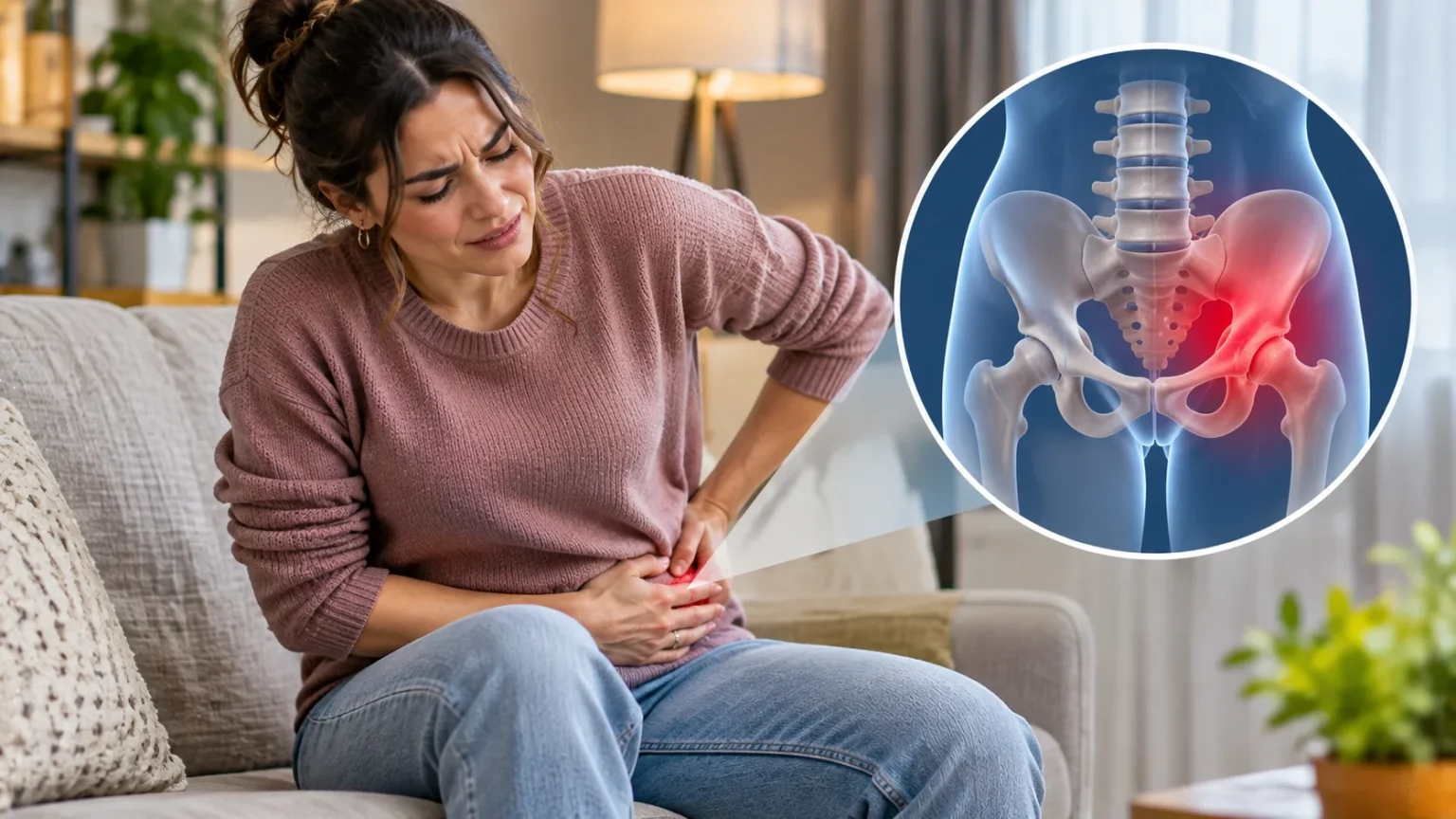
Left pelvic pain is discomfort that develops in the lower left side of the abdomen or pelvis. It may feel like a dull ache, sharp pain, cramping, or pressure, depending on the underlying cause. Some people experience mild discomfort that disappears quickly, while others develop persistent symptoms. Understanding the possible causes of left pelvic pain can help you recognize when home care may be appropriate and when medical attention is necessary.
The pelvis contains several important structures, including the bladder, intestines, reproductive organs, muscles, nerves, and supporting tissues. Problems affecting any of these structures can cause pain on one side. For example, digestive conditions, urinary infections, menstrual cramps, and muscle strain may produce similar discomfort. This overlap makes it difficult to identify the exact cause based on pain location alone.
Although left-sided pelvic discomfort is common, it should not automatically be ignored. Some causes are temporary and manageable, while others require prompt medical evaluation. The timing, severity, and accompanying symptoms provide useful clues about what might be happening. This guide explores common causes, possible treatments, practical relief strategies, and warning signs that deserve professional attention.
What Is Left Pelvic Pain?
Left pelvic pain refers to discomfort felt in the lower left portion of the abdomen or pelvic region. The pain may develop near the hip bone, groin, lower abdomen, or deeper pelvic structures. It can remain localized or spread toward the lower back and upper thigh. The sensation varies according to which organs or tissues are involved.
Some people describe the discomfort as pulling, pressure, throbbing, or intermittent cramping. Others experience sudden stabbing pain or a persistent ache that interferes with daily activities. Symptoms may change with movement, urination, bowel movements, or the menstrual cycle. These patterns can offer helpful information, although they cannot establish a diagnosis without further assessment.
Left-sided pelvic pain is a symptom rather than a medical condition itself. Its causes range from temporary digestive discomfort to problems requiring urgent treatment. Healthcare professionals consider pain characteristics, medical history, and additional symptoms when investigating the cause. Understanding this distinction helps explain why the same type of pain may require different treatments in different people.
Common Causes of Left Pelvic Pain
Several digestive, urinary, reproductive, and musculoskeletal conditions can cause discomfort in the left pelvic region. Common possibilities include constipation, trapped gas, urinary tract infections, and muscle strain. For people with ovaries, menstrual pain and ovarian conditions may also contribute. The most likely explanation depends on symptoms, medical history, and individual anatomy.
Digestive problems are particularly common because portions of the large intestine occupy the lower left abdomen. Constipation, intestinal inflammation, or changes in bowel function may create pressure and cramping in this area. Similarly, urinary conditions can produce lower abdominal discomfort. These causes sometimes develop gradually and may be accompanied by changes in bathroom habits.
More serious conditions can also begin with pain on one side of the pelvis. Examples include an obstructing urinary stone, ovarian torsion, and ectopic pregnancy in someone who could be pregnant. These conditions may require immediate medical attention. Sudden severe pain, fainting, or significant accompanying symptoms should never be dismissed as ordinary cramps.
Left Pelvic Pain Caused by Digestive Problems
Digestive problems can cause pain in the lower left abdomen because this region contains part of the colon. Constipation may create discomfort when stool moves slowly through the digestive tract. Trapped gas can also cause bloating, pressure, and intermittent cramping. Symptoms sometimes improve after passing gas or having a bowel movement.
Irritable bowel syndrome, commonly called IBS, is another possible cause of recurring lower abdominal pain. People with IBS may experience cramping associated with diarrhea, constipation, or changes in bowel habits. Symptoms often fluctuate over time and may be influenced by certain foods or stress. However, persistent pain should not be attributed to IBS without considering other medical conditions.
Diverticulitis can also cause left-sided lower abdominal pain, particularly in adults. It occurs when small pouches in the colon become inflamed and may be accompanied by fever, nausea, or bowel changes. Unlike ordinary gas discomfort, diverticulitis may require medical assessment and specific treatment. Increasing pain or systemic symptoms should prompt timely evaluation.
Left Pelvic Pain Related to Menstrual Cramps
Menstrual cramps can cause discomfort in the lower abdomen and pelvic region before or during a period. The pain results partly from uterine contractions associated with prostaglandins, which are chemical messengers involved in the menstrual process. Although cramps are often felt centrally, discomfort can sometimes seem stronger on one side. Pain may also spread toward the back or thighs.
Some people experience mild menstrual discomfort, while others develop cramps that interfere with school, work, or daily activities. Symptoms may include bloating, fatigue, nausea, or changes in bowel habits. The severity can vary between menstrual cycles. However, severe or progressively worsening one-sided pain should not automatically be assumed to be normal period discomfort.
Persistent pelvic pain associated with menstruation may sometimes indicate an underlying condition such as endometriosis or adenomyosis. These conditions can produce significant discomfort and other symptoms. A healthcare professional can evaluate unusual menstrual patterns and recommend appropriate care. Seeking assessment is particularly important when pain becomes more severe or develops differently from previous cycles.
Ovarian Cysts and Left-Sided Pelvic Discomfort
An ovarian cyst is a fluid-filled sac that develops within or on the surface of an ovary. Many ovarian cysts are harmless and disappear without treatment, particularly during the reproductive years. However, some can cause discomfort when they become larger or create pressure on nearby structures. A cyst affecting the left ovary may contribute to left-sided pelvic pain.
Symptoms may include a dull ache, pelvic pressure, bloating, or discomfort during certain activities. Some people experience no symptoms, and cysts are discovered during examinations for unrelated reasons. Pain severity does not always indicate cyst size. Other conditions can produce similar symptoms, so an ultrasound may be needed to identify the underlying cause.
Occasionally, an ovarian cyst can rupture or contribute to ovarian torsion, in which the ovary twists and its blood supply becomes compromised. Sudden severe one-sided pain, especially with nausea or vomiting, requires emergency evaluation. These complications cannot be safely diagnosed at home. Prompt treatment is important because ovarian torsion can threaten the affected ovary.
Endometriosis and Chronic Left Pelvic Pain
Endometriosis occurs when tissue similar to the uterine lining grows outside the uterus. These growths can contribute to inflammation, scarring, and persistent pelvic discomfort. Symptoms often become more noticeable around menstruation, although pain can occur at other times. Some individuals experience discomfort concentrated on one side of the pelvis.
Other possible symptoms include painful periods, discomfort during bowel movements, and pain associated with certain daily activities. Some people also experience fertility difficulties, although not everyone with endometriosis develops these problems. Symptom severity varies considerably. Mild symptoms do not necessarily indicate limited disease, and severe pain does not always correspond to extensive tissue involvement.
Diagnosing endometriosis involves reviewing symptoms, medical history, and examination findings. Ultrasound or other imaging may help identify certain forms of the condition, but normal imaging does not rule it out. Treatment options may include pain management, hormonal therapies, or surgery in selected cases. Care should be individualized according to symptoms, health circumstances, and personal treatment goals.
Urinary Tract Infections and Pelvic Pain
A urinary tract infection, or UTI, can produce discomfort in the lower abdomen and pelvic area. These infections commonly involve the bladder and may cause burning during urination, frequent urination, or an urgent need to use the bathroom. Some people also experience pressure above the pubic bone. Pain may occasionally seem more noticeable on one side.
Urinary infections develop when microorganisms enter and multiply within the urinary tract. Although bacterial infections are common, symptoms alone cannot always confirm the diagnosis. A healthcare professional may recommend urine testing to identify infection and determine appropriate treatment. Antibiotics are commonly prescribed for bacterial UTIs when clinically indicated.
Untreated infections can sometimes spread toward the kidneys and cause more serious symptoms. Fever, chills, vomiting, and pain in the back or side may indicate a kidney infection requiring prompt medical attention. Drinking adequate fluids can support general hydration but does not replace necessary treatment. Persistent urinary symptoms should be assessed rather than repeatedly managed through home remedies.
Kidney Stones and Left Pelvic Pain
Kidney stones are hard mineral deposits that form within the urinary system. They may cause significant pain when moving through the ureter, the tube connecting a kidney to the bladder. Pain often begins in the back or side and can travel toward the lower abdomen or groin. A stone on the left side may therefore produce left-sided pelvic discomfort.
Additional symptoms may include nausea, vomiting, painful urination, or blood in the urine. The pain may occur in waves and change location as the stone moves. However, not every urinary stone produces the same symptoms. Medical testing may be necessary to distinguish kidney stones from infections, digestive disorders, and other causes of abdominal pain.
Some smaller stones pass without procedures, while others require medical intervention. Treatment depends on stone size, location, symptoms, and whether infection or urinary blockage is present. Fever with a suspected obstructing stone is particularly concerning and requires emergency assessment. Severe uncontrolled pain, repeated vomiting, or difficulty passing urine also warrants urgent medical attention.
Muscle Strain and Pelvic Floor Problems
Muscles surrounding the pelvis can become painful after overuse, injury, or repetitive movement. Strains involving the hip flexors, abdominal muscles, or nearby connective tissues may cause discomfort around the lower left pelvis. The pain may increase during walking, bending, or exercise. Tenderness in a specific area can sometimes suggest a musculoskeletal source.
Pelvic floor muscle dysfunction may also contribute to pelvic pain. These muscles support pelvic organs and help coordinate bladder, bowel, and other functions. When they become overly tense or do not relax appropriately, discomfort may develop in the pelvis, groin, or lower abdomen. Symptoms can overlap with urinary, digestive, and reproductive conditions.
Musculoskeletal pelvic pain often benefits from appropriate activity modification and individualized rehabilitation. A physical therapist trained in pelvic health may assess muscle function, movement patterns, and contributing factors. However, stretching or strengthening exercises are not suitable for every type of pelvic pain. Accurate diagnosis is important before beginning an intensive exercise routine.
Left Pelvic Pain During Pregnancy
Pelvic discomfort during pregnancy can develop as the body changes to accommodate a growing uterus. Ligaments, muscles, and supporting structures experience increasing demands, which may cause pulling or aching sensations. Round ligament pain can sometimes produce discomfort on one side. However, pregnancy-related pain should not automatically be considered harmless.
One important concern during early pregnancy is ectopic pregnancy, in which a pregnancy develops outside the uterus, usually in a fallopian tube. Symptoms can include one-sided pelvic pain, vaginal bleeding, dizziness, or shoulder-tip pain. This condition can become life-threatening and requires emergency medical evaluation. Pregnancy status may be unknown when symptoms first appear.
Other pregnancy complications can also cause abdominal or pelvic pain. Persistent, severe, or worsening discomfort should be discussed promptly with a maternity healthcare professional. Heavy bleeding, fainting, or severe pain requires emergency care. Even when symptoms seem mild, obtaining guidance is important because the appropriate response depends on pregnancy stage and individual circumstances.
Left Pelvic Pain in Men
Left pelvic pain can also affect men because the pelvis contains muscles, nerves, urinary structures, and portions of the digestive system. Constipation, urinary stones, muscle strains, and hernias may produce localized discomfort. Some conditions affect structures specific to male reproductive anatomy. The location and accompanying symptoms help guide medical evaluation.
Prostatitis, which involves inflammation or irritation of the prostate, may cause discomfort in the pelvis, groin, or lower abdomen. Symptoms can include urinary changes, discomfort during urination, or pain around the perineum. Not all prostatitis is caused by bacterial infection. Assessment is necessary to identify the condition and choose suitable treatment.
Testicular conditions can also produce pain that spreads toward the lower abdomen or groin. Sudden testicular pain, particularly with swelling or nausea, may indicate testicular torsion and requires emergency evaluation. Hernias may cause discomfort associated with a noticeable groin bulge. These examples demonstrate why pelvic pain should be investigated according to anatomy and accompanying symptoms.
Can Stress Cause Left Pelvic Pain?
Stress can influence how the nervous system processes pain and may contribute to muscle tension. Some people notice increased abdominal or pelvic discomfort during emotionally demanding periods. Stress can also affect bowel habits and symptoms associated with irritable bowel syndrome. However, psychological stress should not automatically be assumed to be the cause of unexplained pelvic pain.
Persistent stress may contribute to increased muscle guarding, including tension around the abdomen and pelvic floor. In some individuals, this can worsen existing discomfort. Sleep difficulties and reduced physical activity may also influence pain experiences. These connections are complex and vary considerably between individuals, so symptoms require appropriate medical consideration.
Stress-management techniques may support overall well-being alongside treatment for an identified condition. Gentle movement, adequate sleep, breathing exercises, and supportive routines may help some people manage discomfort. However, these approaches do not replace investigation of persistent or worsening pain. Physical causes should be appropriately assessed before symptoms are attributed primarily to stress.
How Doctors Diagnose Left Pelvic Pain
Diagnosing left pelvic pain begins with a discussion of symptoms and medical history. A healthcare professional may ask when the discomfort started, how severe it feels, and whether it changes with movement or daily activities. Questions about bowel habits, urination, menstruation, and possible pregnancy may also be relevant. This information helps narrow the range of potential causes.
A physical examination may focus on the abdomen, pelvis, hips, and surrounding structures. Depending on symptoms, additional testing may include urine analysis, blood tests, pregnancy testing, or imaging. Ultrasound is often useful for evaluating pelvic organs, while other imaging methods may be considered for suspected intestinal or urinary conditions. Not every patient requires every test.
Diagnostic decisions depend on the severity and pattern of symptoms. Sudden severe pain may require immediate investigation, while recurring mild discomfort may be assessed through a scheduled appointment. Clinicians also consider medical history and risk factors. The goal is to identify the underlying condition so treatment can address the cause rather than simply reducing symptoms.
Home Remedies for Mild Left Pelvic Pain
Mild pelvic discomfort may sometimes improve with rest and temporary adjustments to daily activities. If symptoms appear related to muscle strain or menstrual cramps, comfortable positioning and a warm compress may provide relief. Gentle movement can also help certain types of discomfort. However, home care is appropriate only when symptoms are mild and no warning signs are present.
If constipation contributes to discomfort, adequate hydration and appropriate dietary fiber may support regular bowel movements. Changes should be gradual because suddenly increasing fiber can worsen bloating for some people. Avoid forcing exercise or stretching when movements increase pain. Pay attention to how symptoms change and whether additional problems develop.
Over-the-counter pain medicines may provide temporary relief in some circumstances, but they are not suitable for everyone. Medication choices depend on age, pregnancy possibility, medical conditions, and other treatments. Ask a healthcare professional or pharmacist before using medication when uncertain. New, persistent, or unexplained pelvic pain should not be repeatedly treated at home without appropriate assessment.
Exercises and Movement for Pelvic Pain Relief
Gentle physical activity may help certain causes of pelvic discomfort, particularly those involving muscle tension or prolonged inactivity. Walking at a comfortable pace can support normal movement and may reduce stiffness. However, exercise should not be used to treat sudden, severe, or unexplained pain. The safest approach depends on the underlying cause.
Some people benefit from guided breathing exercises and gentle pelvic relaxation techniques. These approaches may be included in pelvic floor physical therapy when muscle overactivity contributes to symptoms. Strengthening exercises can also be useful for selected musculoskeletal problems. Nevertheless, exercises that help one condition may aggravate another, making individualized guidance important.
If pain develops during movement, reduce the activity and observe whether symptoms improve. Avoid pushing through sharp discomfort or repeatedly performing exercises that worsen pain. A physical therapist or healthcare professional can help identify appropriate movements after assessment. Gradual progression may support recovery when the source is musculoskeletal and serious causes have been excluded.
Medical Treatments for Left Pelvic Pain
Medical treatment for left pelvic pain depends on the condition responsible for the symptoms. Bacterial infections may require antibiotics, while constipation-related discomfort may improve with appropriate bowel management. Menstrual disorders sometimes benefit from medication or hormonal treatment. Because several conditions produce similar pain, treatment should follow an accurate diagnosis whenever possible.
Some causes require more specialized care. Ovarian cysts may be monitored or treated depending on their characteristics and symptoms. Endometriosis management can involve medication, hormonal therapy, or selected surgical procedures. Kidney stones and diverticulitis also have different treatment pathways. These decisions depend on individual circumstances and clinical findings rather than pain location alone.
Emergency conditions require immediate medical intervention instead of routine symptom management. Ectopic pregnancy, ovarian torsion, serious infections, and other acute problems may need urgent procedures or hospital treatment. Delaying care can increase the risk of complications. Recognizing serious symptoms early is therefore an essential part of managing pelvic pain safely.
When to Seek Medical Attention for Left Pelvic Pain
Seek medical assessment when pelvic pain persists, repeatedly returns, or interferes with normal activities. Symptoms deserve particular attention when accompanied by urinary changes, unusual vaginal bleeding, bowel problems, or unexplained fever. Persistent discomfort should not automatically be attributed to menstruation or digestive issues. An examination can help identify causes that require targeted treatment.
Emergency care is necessary for sudden severe pelvic pain, fainting, significant dizziness, or heavy bleeding. Severe one-sided pain with nausea or vomiting may indicate conditions such as ovarian torsion. Possible pregnancy combined with pelvic pain or bleeding also requires urgent evaluation because of the risk of ectopic pregnancy. These warning signs should not be managed through home remedies.
Additional concerning symptoms include fever with severe abdominal pain, repeated vomiting, inability to pass urine, or a rigid and increasingly painful abdomen. Severe testicular pain also requires emergency assessment. Even when the exact cause is uncertain, these symptoms can indicate a serious condition. Prompt professional care offers the best opportunity for appropriate diagnosis and treatment.
How to Prevent Recurring Left Pelvic Pain
Not every cause of left pelvic pain can be prevented. However, certain habits may support digestive, urinary, and musculoskeletal health. Staying adequately hydrated, maintaining regular physical activity, and eating a balanced diet can contribute to general well-being. These measures are helpful for some conditions but cannot guarantee protection against pelvic disorders.
If recurring discomfort is associated with constipation, reviewing hydration, dietary fiber, and bowel habits may be useful. Musculoskeletal pain may improve when activity levels are increased gradually and repetitive strain is addressed. People with menstrual or urinary symptoms may benefit from tracking patterns. These observations can help healthcare professionals recognize possible contributing factors.
Preventing repeated pain also involves managing diagnosed medical conditions appropriately. Follow recommended treatment plans and attend follow-up appointments when advised. Avoid repeatedly treating unexplained symptoms without understanding their cause. Recognizing changes early and obtaining professional guidance can help reduce complications and support long-term pelvic health.
Conclusion
Left pelvic pain can develop from digestive disorders, urinary conditions, reproductive health problems, muscle strain, and several other causes. Some cases are mild and temporary, while others require prompt medical attention. The location of discomfort alone cannot identify the underlying problem. Understanding accompanying symptoms and pain patterns provides useful information for medical evaluation.
Mild discomfort may sometimes improve with rest, comfortable movement, hydration, or appropriate home care. However, treatment depends on the actual cause, and not every condition responds to the same approach. Persistent or recurring symptoms deserve professional assessment. Sudden severe pain, fainting, heavy bleeding, or possible pregnancy-related complications require urgent medical attention.
The most important step in managing left pelvic pain is recognizing when symptoms need investigation. Avoid assuming that all pelvic discomfort comes from ordinary cramps or digestive problems. Accurate diagnosis makes treatment safer and more effective. With suitable medical care and practical lifestyle adjustments, many causes can be successfully managed.
Frequently Asked Questions (FAQs)
What causes pain on the left side of the pelvis?
Left pelvic pain may result from constipation, urinary infections, kidney stones, muscle strain, menstrual cramps, or ovarian conditions. The underlying cause depends on individual anatomy, accompanying symptoms, and medical history.
When should I worry about left pelvic pain?
Seek emergency care for sudden severe pain, fainting, heavy bleeding, or possible pregnancy with pelvic pain. Persistent discomfort, fever, vomiting, or worsening symptoms also require prompt medical evaluation.
Can gas cause left-sided pelvic pain?
Yes, trapped gas can cause pressure, bloating, and cramping in the lower left abdomen. However, persistent or severe pain should not automatically be attributed to gas without considering other possible conditions.
Is left pelvic pain a sign of an ovarian cyst?
An ovarian cyst can cause left-sided pelvic discomfort, particularly when it affects the left ovary. However, similar symptoms occur with other conditions, and an ultrasound may be needed for diagnosis.
How can I relieve mild left pelvic pain at home?
Rest, comfortable positioning, gentle movement, and a warm compress may help some mild causes. However, persistent, unexplained, or worsening pain requires medical assessment, and severe symptoms need urgent care.