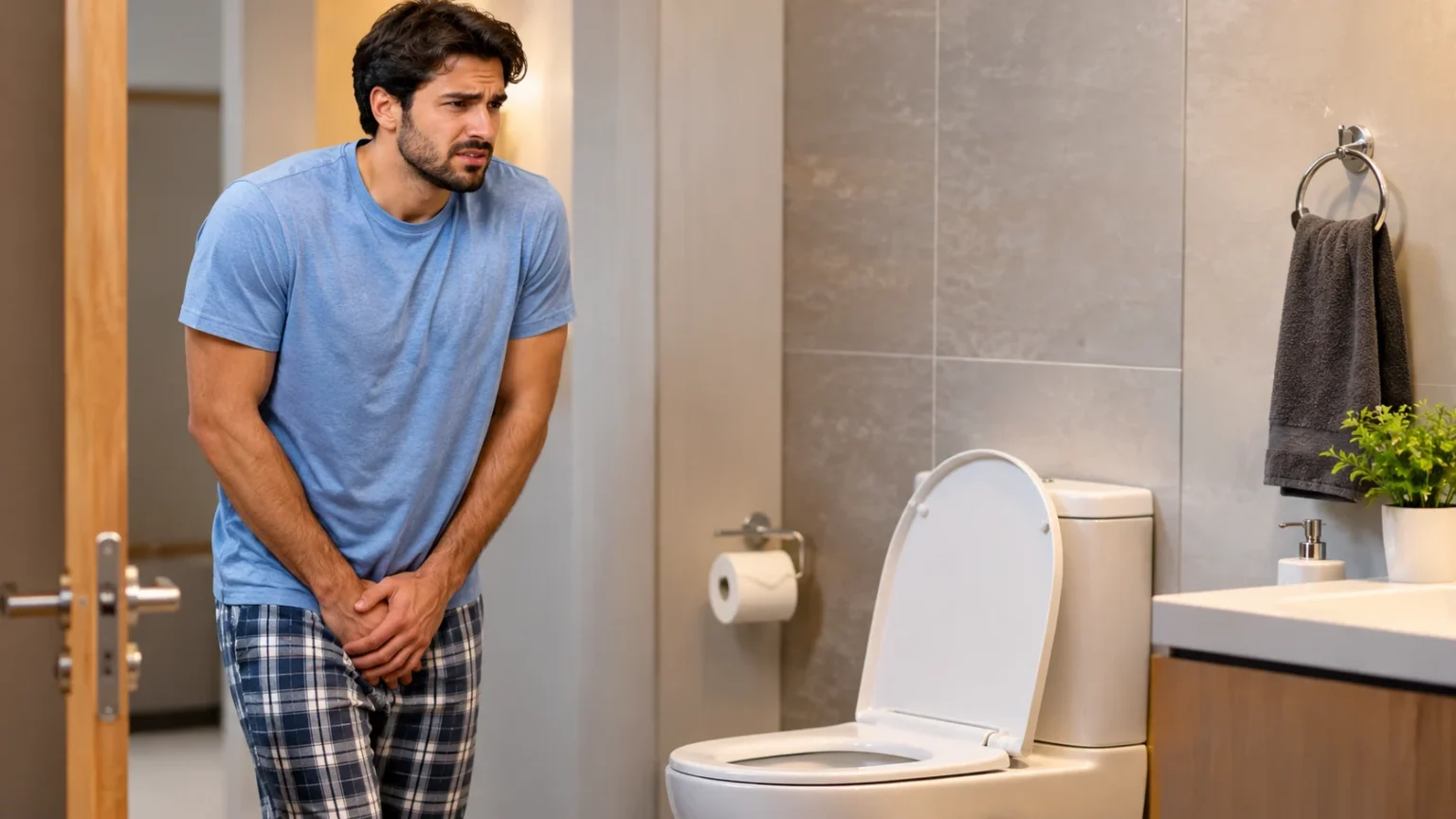
Urinary hesitancy is a common urinary problem that makes it difficult to start passing urine, even when your bladder feels full. Some people experience a short delay before urination begins, while others struggle with a weak or interrupted urine stream. This condition can affect people of different ages and may develop gradually or suddenly.
Understanding urinary hesitancy causes and relief options can help you recognize potential problems and seek appropriate treatment. Symptoms may result from prostate enlargement, pelvic floor dysfunction, infections, medications, or nerve-related conditions. Identifying the underlying cause is essential because treatment depends on what is interfering with normal urination.
What Is Urinary Hesitancy?
Urinary hesitancy is a condition in which starting the flow of urine becomes difficult or takes longer than expected. You may feel the need to urinate but find that nothing happens immediately. Some people must wait several seconds before the stream begins. This difficulty can occur occasionally or become a persistent problem that interferes with everyday activities.
Normally, the bladder muscle contracts while the urinary sphincter and pelvic floor muscles relax to allow urine to pass. When this coordination becomes disrupted, starting urination can become difficult. Blockages in the urinary tract may also interfere with normal urine flow. Understanding these mechanisms helps explain why different medical conditions can produce similar urinary symptoms.
Urinary hesitancy is not a disease by itself but a symptom of an underlying issue. It may develop alongside urinary frequency, discomfort, or incomplete bladder emptying. Although occasional hesitation can happen in certain situations, persistent symptoms deserve medical attention. Early evaluation helps identify treatable causes before they contribute to urinary retention or other complications.
Common Symptoms of Urinary Hesitancy
The most noticeable symptom of urinary hesitancy is difficulty starting urination despite feeling the need to empty your bladder. You might stand or sit at the toilet for an unusually long time before urine begins flowing. Sometimes, the stream starts slowly and gradually becomes stronger. These changes may occur during every bathroom visit or only occasionally.
Other symptoms include a weak urine stream, interrupted flow, and the sensation that your bladder remains partially full. Some people notice dribbling after urination or feel the need to visit the bathroom again shortly afterward. Straining to urinate may also occur, although forcing urine out is not recommended. These symptoms can suggest problems with bladder emptying.
Urinary hesitancy may appear alongside burning sensations, lower abdominal discomfort, or increased nighttime urination. The combination of symptoms often provides useful clues about the underlying cause. For example, painful urination may suggest inflammation or infection, while gradual stream changes may indicate obstruction. A healthcare professional can evaluate these patterns and recommend appropriate testing.
Enlarged Prostate and Urinary Hesitancy in Men
An enlarged prostate is a common cause of urinary hesitancy in men, particularly as they grow older. This condition is called benign prostatic hyperplasia, or BPH, and involves noncancerous enlargement of the prostate gland. Because the prostate surrounds part of the urethra, enlargement can restrict urine flow. As a result, starting and maintaining a steady stream may become difficult.
Men with prostate enlargement may experience weak urine flow, frequent bathroom visits, and incomplete bladder emptying. Some also notice an increased need to urinate during the night. Symptoms do not always match the actual size of the prostate. Even relatively modest enlargement can cause noticeable difficulties depending on how it affects the bladder outlet.
Treatment for prostate-related urinary hesitancy depends on symptom severity and the presence of complications. Mild cases may improve with lifestyle adjustments and regular medical monitoring. More troublesome symptoms sometimes require medications that relax muscles around the prostate or reduce its size over time. Certain procedures can also improve urine flow when other treatments are insufficient.
Pelvic Floor Dysfunction and Bladder Problems
Pelvic floor dysfunction can contribute to urinary hesitancy when the muscles around the bladder outlet do not relax properly. These muscles normally support pelvic organs and help control urination. When they remain excessively tense or contract at the wrong time, urine flow may become difficult. This problem can affect people of any sex or age.
Some individuals experience pelvic floor tension alongside constipation, pelvic discomfort, or difficulty completely emptying the bladder. Symptoms may become more noticeable during stressful situations or periods of muscle tension. In certain cases, bladder outlet coordination becomes disrupted without a physical blockage. A pelvic health specialist can help identify whether muscle dysfunction contributes to the urinary difficulty.
Pelvic floor physical therapy may improve symptoms by teaching proper muscle relaxation and coordination. Treatment can include breathing exercises, relaxation techniques, and guided bladder-emptying strategies. Strengthening exercises are not appropriate for every person, especially when excessive muscle tension is the main problem. An individualized assessment helps determine which techniques are likely to provide relief.
Urinary Tract Infections and Inflammatory Conditions
Urinary tract infections can sometimes cause urinary hesitancy, particularly when inflammation makes urination uncomfortable or disrupts normal bladder function. These infections often produce burning sensations, frequent urination, and an urgent need to empty the bladder. Some people also experience lower abdominal discomfort. However, hesitancy alone does not establish that a urinary infection is present.
Inflammation involving the prostate, known as prostatitis, can also affect urine flow. Depending on the cause, symptoms may include pelvic pain, discomfort during urination, and difficulty starting the stream. Certain forms of prostatitis involve bacterial infection, while others do not. Proper medical evaluation is important because different types require different treatment approaches.
Other inflammatory problems can cause swelling or irritation around the urethra and bladder outlet. A clinician may recommend urine testing or additional examinations to identify the cause. Antibiotics are appropriate for certain bacterial infections but do not treat every urinary problem. Choosing treatment based on examination findings helps prevent unnecessary medication use and delayed diagnosis.
Urinary Hesitancy in Women: Causes to Understand
Urinary hesitancy in women can develop because of pelvic floor dysfunction, bladder outlet obstruction, or changes affecting pelvic organs. Pelvic organ prolapse may alter the position of the bladder or urethra and interfere with urine flow. Some women experience symptoms after pelvic surgery or childbirth. However, these circumstances do not always result in lasting urinary difficulties.
Changes during pregnancy and the postpartum period can sometimes affect bladder sensation or emptying. Temporary swelling, pelvic muscle changes, and certain pain medications may contribute to difficulty starting urination. Symptoms occurring after childbirth require particular attention because significant urinary retention can develop. Anyone unable to urinate after delivery should receive prompt medical assessment rather than simply waiting.
Other possible causes include urethral narrowing, medications, and conditions affecting bladder muscle function. Some women also experience difficulty urinating when pelvic muscles remain tense during bathroom visits. A detailed history and appropriate examination can help distinguish these conditions. Treatment is most effective when it addresses the specific cause instead of assuming every symptom reflects a urinary infection.
Medications and Daily Habits That Affect Urination
Certain medications can contribute to urinary hesitancy by affecting bladder contractions or tightening muscles around the bladder outlet. Examples include some antihistamines, decongestants, antidepressants, and medications with anticholinergic effects. Opioid pain medicines may also interfere with bladder emptying. Medication-related symptoms sometimes begin after starting treatment or changing a prescribed dose.
If urinary difficulties appear after taking a new medication, speak with your healthcare professional or pharmacist. Do not stop prescribed treatment without medical guidance, especially when the medicine manages an important condition. A clinician may review possible side effects and consider suitable alternatives. Changes should account for your medical history and the benefits of the original medication.
Daily habits can also influence urinary comfort and bladder function. Constipation may increase pressure around the bladder outlet and worsen emptying difficulties. Excessive caffeine or alcohol can aggravate certain urinary symptoms, although their effects differ between individuals. Maintaining regular bathroom habits, adequate hydration, and comfortable bowel movements can support healthier urinary function without replacing necessary medical care.
Nerve Problems and Other Medical Causes
Normal urination depends on communication between the brain, spinal cord, bladder, and urinary sphincter. Neurological conditions can interfere with these signals and affect bladder control. Multiple sclerosis, spinal cord disorders, and certain nerve injuries may contribute to urinary hesitancy. Depending on the condition, the bladder may contract weakly or fail to coordinate properly with surrounding muscles.
Diabetes can sometimes damage nerves involved in bladder sensation and emptying, particularly when nerve complications develop over time. People affected by this problem may not recognize when their bladder is becoming full. They can also experience incomplete emptying or reduced bladder contractions. Managing the underlying medical condition is an important part of preventing further complications.
Other possible causes include urethral strictures, urinary stones, and scar tissue following medical procedures. These conditions may partially obstruct urine flow and cause progressively worsening symptoms. Some people also experience temporary difficulty urinating because of anxiety or unfamiliar bathroom environments. A careful medical evaluation helps distinguish situational difficulties from structural, neurological, or other physical problems.
How Is Urinary Hesitancy Diagnosed?
Diagnosing urinary hesitancy begins with a discussion of symptoms, medical history, and current medications. A healthcare professional may ask when the difficulty started and whether the urine stream has changed. Questions about pain, urinary frequency, previous surgeries, and underlying health conditions provide additional clues. A physical examination may also help identify possible causes.
Urinalysis is commonly used to check for signs of infection, blood, and other urinary abnormalities. A bladder ultrasound can measure post-void residual urine, which is the amount left after urination. This measurement helps determine whether the bladder empties adequately. In some cases, urine flow testing provides additional information about the speed and pattern of urination.
More specialized examinations may be recommended when initial testing does not explain persistent symptoms. These can include urodynamic studies, imaging, or cystoscopy to examine the urinary tract. Not everyone needs these procedures, and testing depends on individual findings. Accurate diagnosis helps guide treatment while reducing the risk of unnecessary medications, procedures, or delayed care.
How to Relieve Urinary Hesitancy at Home
Mild urinary hesitancy may sometimes improve with simple habits that make bladder emptying more comfortable. Choose a quiet bathroom where you can relax without feeling rushed. Sit comfortably, keep your feet supported, and allow your abdominal and pelvic muscles to release tension. Avoid excessive pushing or straining because it may worsen discomfort without addressing the cause.
Slow breathing can help reduce unnecessary tension around the pelvic floor during urination. Some people also find it useful to maintain a regular bathroom routine rather than repeatedly delaying the urge. Adequate fluid intake supports normal urine production and helps prevent dehydration. However, drinking excessive water does not correct a urinary blockage or significant bladder retention.
Managing constipation and reviewing potential bladder irritants may provide additional symptom relief. Gentle physical activity can support bowel regularity and general pelvic health. If symptoms continue, worsen, or involve incomplete bladder emptying, arrange a medical evaluation instead of relying on home remedies. These strategies are supportive measures, not substitutes for treatment of infection, obstruction, or neurological problems.
Medical Treatments for Urinary Hesitancy
Medical treatment for urinary hesitancy depends on the condition responsible for interrupted urine flow. For example, a confirmed bacterial urinary infection may require antibiotics selected by a healthcare professional. Prostate enlargement may respond to prescription medications that improve bladder outlet relaxation. The appropriate treatment also depends on symptom severity, medical history, and examination findings.
People with pelvic floor dysfunction may benefit from specialized physical therapy and bladder coordination training. When medications contribute to symptoms, clinicians may adjust treatment or recommend alternatives. Structural problems such as significant urethral narrowing sometimes require procedures to restore adequate urine flow. Treatment decisions should balance expected benefits, potential side effects, and individual health needs.
Severe urinary retention may require catheterization to drain the bladder safely. This is usually performed by trained healthcare professionals, particularly when symptoms develop suddenly. Follow-up care focuses on identifying why normal urination became difficult and reducing the likelihood of recurrence. Early treatment can help protect bladder function and prevent certain complications associated with prolonged retention.
When Should You Seek Medical Attention?
Seek immediate medical attention if you suddenly cannot pass urine despite feeling that your bladder is full. This may indicate acute urinary retention, which requires urgent assessment and treatment. Severe lower abdominal pain or swelling can accompany this condition. Waiting for the problem to resolve without care may increase the risk of bladder and urinary tract complications.
Urinary symptoms accompanied by fever, chills, flank pain, or visible blood in the urine also deserve prompt medical evaluation. New urinary difficulty together with severe back pain, leg weakness, or numbness around the groin requires emergency assessment. These symptoms can sometimes indicate serious infections or neurological conditions. Early recognition helps prevent delays in necessary treatment.
Persistent urinary hesitancy should be discussed with a healthcare professional even when discomfort is mild. Repeated incomplete emptying may increase the risk of urinary tract infections and other complications in some people. Keeping track of symptoms can help guide the assessment. Recording changes in urine flow, medication use, and associated discomfort provides useful information during medical appointments.
Conclusion
Urinary hesitancy can affect everyday comfort and may indicate an underlying urinary or medical condition. Common causes include prostate enlargement, pelvic floor dysfunction, infections, medications, and nerve-related problems. Symptoms often involve delayed urination, weak urine flow, and incomplete bladder emptying. Recognizing these changes early makes it easier to seek appropriate care and identify possible causes.
Simple measures such as comfortable bathroom positioning, adequate hydration, and pelvic muscle relaxation may help certain individuals. However, persistent symptoms often require professional assessment and targeted treatment. Medications, physical therapy, and medical procedures can provide relief when selected for the underlying condition. Avoiding excessive straining and unnecessary self-medication helps reduce additional problems.
The most important step is understanding that urinary hesitancy has several possible causes rather than one universal solution. Seek urgent care if you cannot urinate or develop serious accompanying symptoms. For ongoing difficulties, a healthcare professional can recommend suitable tests and treatment options. Timely attention supports better bladder health, greater comfort, and improved daily quality of life.
FAQs
What Is the Most Common Cause of Urinary Hesitancy?
An enlarged prostate is a common cause in older men. However, pelvic floor dysfunction, medications, urinary tract problems, and nerve conditions can also cause difficulty starting urination.
Can Urinary Hesitancy Go Away on Its Own?
Mild, temporary urinary hesitancy may improve when situational tension or another reversible factor resolves. Persistent or worsening symptoms need medical evaluation to identify and treat the underlying cause.
Is Urinary Hesitancy a Sign of a Serious Problem?
Urinary hesitancy is not always serious, but it can indicate obstruction, bladder dysfunction, or neurological problems. Sudden inability to urinate requires emergency medical attention because it may represent acute urinary retention.
How Can I Improve My Urine Flow Naturally?
Relaxing your pelvic muscles, avoiding excessive straining, maintaining adequate hydration, and managing constipation may help. However, these measures cannot reliably treat structural blockages, infections, or significant urinary retention.
Can Stress and Anxiety Cause Urinary Hesitancy?
Yes, stress and anxiety can sometimes make starting urination difficult by increasing muscle tension or interfering with relaxation. Persistent symptoms should still be medically evaluated to rule out other causes.