


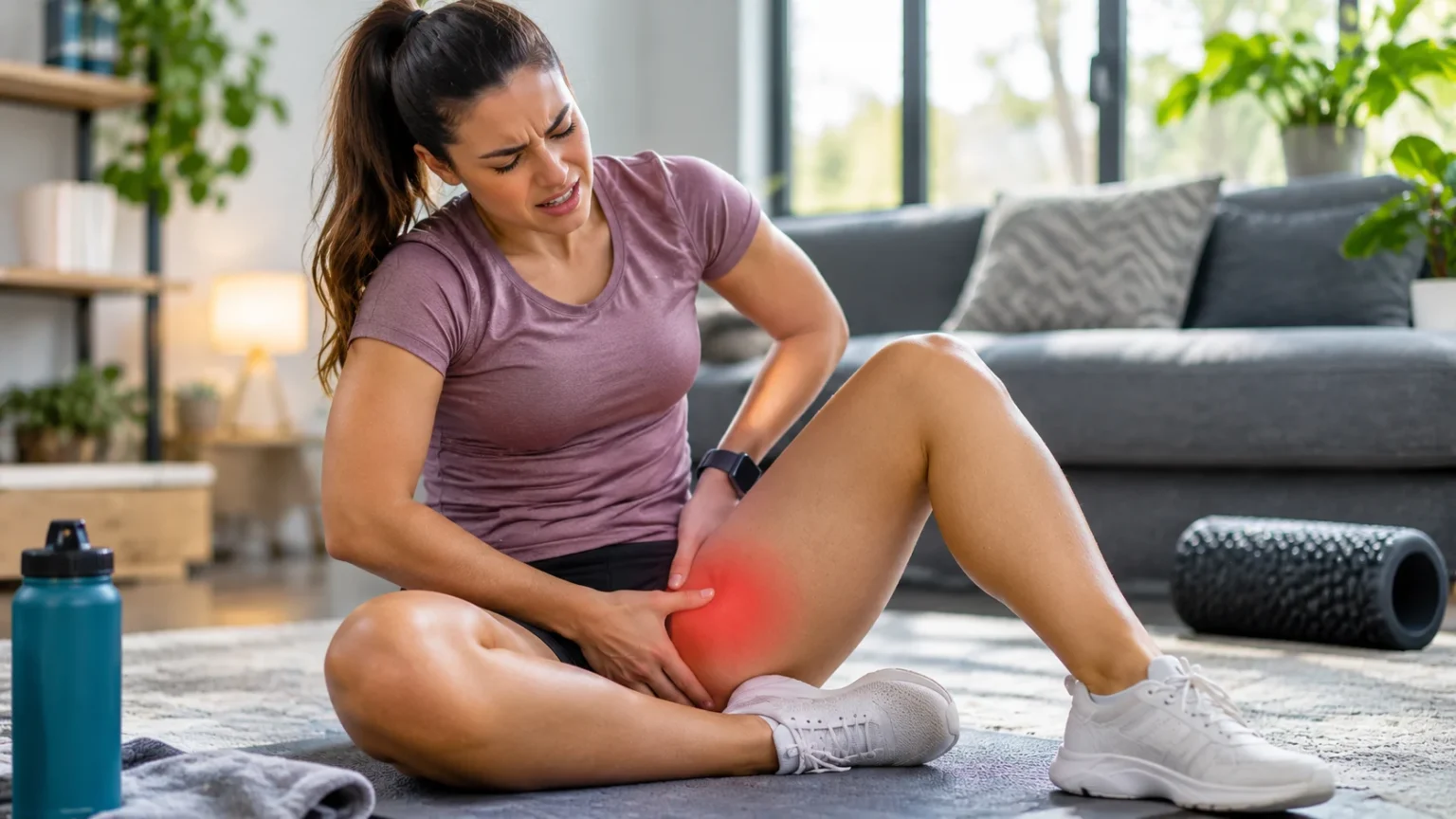
What Are Inner Thigh Cramps?
Inner thigh cramps are sudden, involuntary contractions of the muscles along the inside of your upper legs. These contractions can cause tightness, sharp discomfort, or a painful pulling sensation that makes movement difficult. They may occur during exercise, while resting, or even during sleep. Understanding the possible causes can help you find appropriate relief and recognize warning signs.
The inner thigh contains several muscles known as the hip adductors, which help bring your legs toward the center of your body. These muscles also support walking, balance, and hip stability during everyday movements. When they contract unexpectedly and cannot relax normally, you may experience a muscle cramp. The discomfort can range from mild tightness to intense temporary pain.
Although most inner thigh muscle cramps are harmless, recurring or unusually severe symptoms deserve attention. Muscle fatigue, dehydration, exercise habits, and certain medical conditions can contribute to the problem. In some cases, pain in this region may come from an injury rather than a true cramp. Identifying the difference is important for choosing suitable treatment.
What Causes Inner Thigh Cramps?
Muscle fatigue is one of the most common contributors to inner thigh cramps. Activities involving repeated leg movements, sudden changes in direction, or prolonged muscle contraction can place extra stress on the adductor muscles. Running, cycling, soccer, and intense workouts may increase the likelihood of cramping. Symptoms can occur during activity or develop after the muscles have been heavily used.
Fluid loss and changes in electrolyte balance may also contribute to muscle cramping, particularly during prolonged exercise in hot conditions. Sodium, potassium, calcium, and magnesium help support normal muscle and nerve function. However, not every cramp is caused by dehydration or an electrolyte deficiency. Many exercise-associated cramps appear to involve muscle fatigue and changes in nerve signaling.
Other possible contributors include prolonged inactivity, certain medications, pregnancy, and underlying health conditions. Some medicines, including certain diuretics, can affect fluid or electrolyte balance. Nerve irritation and circulation problems may also cause pain that resembles cramping. Frequent episodes should be assessed in the context of your health, daily activities, and other symptoms.
Common Symptoms of Inner Thigh Muscle Cramps
The most noticeable symptom of an inner thigh cramp is a sudden tightening sensation in the upper leg. You may feel a firm muscle contraction accompanied by sharp or aching pain. The affected area can become temporarily difficult to move or stretch. Symptoms often begin without warning, although some people notice increasing tightness beforehand.
A cramp may last only a few seconds or continue for several minutes before gradually relaxing. Afterward, the muscle can remain tender or uncomfortable for several hours. Some people experience repeated contractions in the same area, especially following strenuous activity. The intensity and duration can vary depending on the individual and circumstances.
It is important to distinguish muscle cramps from other types of inner thigh pain. A groin strain may cause discomfort after a sudden movement, while nerve-related pain can involve tingling or numbness. Swelling, redness, or persistent pain may suggest another condition. Recognizing these differences helps determine whether simple home care or medical assessment is appropriate.
Why Do Inner Thigh Cramps Happen at Night?
Nighttime inner thigh cramps can interrupt sleep and cause sudden discomfort while lying in bed. These involuntary contractions sometimes occur without an obvious trigger, even in otherwise healthy people. Muscle fatigue from daytime activities may play a role in certain cases. However, the exact cause of nighttime muscle cramps often remains unclear.
Sleeping positions and prolonged periods of limited movement may contribute to discomfort in some individuals. Certain medical conditions, medications, and changes in muscle or nerve function are also associated with nighttime cramping. Not everyone with night cramps has an identifiable mineral deficiency. Repeated symptoms should therefore not automatically be attributed to low potassium or magnesium.
If cramps regularly disturb your sleep, consider discussing the pattern with a healthcare professional. They may review medications, exercise habits, and symptoms that could indicate another problem. Gentle movement and comfortable positioning may help ease occasional episodes. Persistent nighttime cramps deserve assessment, particularly when accompanied by weakness, swelling, or changes in sensation.
How to Relieve Inner Thigh Cramps Quickly
When an inner thigh cramp begins, stop the activity that triggered it and allow the affected muscle to relax. Gentle stretching may help reduce the contraction and restore comfortable movement. Avoid forcing your legs into a painful position or making sudden movements. Stretch only within a comfortable range, especially if you suspect a muscle injury.
Light massage may also provide relief by encouraging the cramped muscle to relax. Use gentle pressure rather than deep, aggressive rubbing, particularly when the cause of pain is uncertain. A warm shower or warm compress can sometimes ease ordinary muscle tightness. However, avoid massage or heat over unexplained swelling, redness, or significant tenderness until the cause is assessed.
Drinking fluids may help if you have been sweating heavily or have not consumed enough water. However, hydration alone will not immediately resolve every muscle cramp. Once the contraction ends, resume movement gradually and avoid strenuous activity until discomfort settles. Seek medical attention if the pain remains severe, repeatedly returns, or prevents normal walking.
Gentle Stretches for Inner Thigh Cramps
Gentle stretching can help ease ordinary inner thigh muscle tightness and improve comfortable movement. One option is a seated butterfly stretch, performed by bringing the soles of your feet together while sitting upright. Allow your knees to move outward naturally without pushing them down. Stop if the position creates sharp pain or increases your symptoms.
Another option is a gentle standing side-to-side weight shift with your feet comfortably apart. Slowly move your body weight toward one leg while keeping the movement controlled. You may notice a mild stretching sensation along the opposite inner thigh. Avoid deep lunges or forceful stretches, especially if your discomfort began after a sudden sporting movement.
Stretching should feel comfortable rather than intense, and it should never reproduce severe pain. Regular mobility exercises may support flexibility and help maintain normal hip movement over time. However, stretching does not prevent every type of muscle cramp. If an exercise increases pain, stop and seek guidance from a qualified healthcare professional or physical therapist.
Can Dehydration and Electrolyte Imbalances Cause Cramps?
Dehydration can contribute to muscle cramps in some circumstances, particularly when prolonged physical activity occurs in hot weather. Sweating causes the body to lose water and electrolytes, including sodium. These changes can affect normal muscle function under certain conditions. However, research does not support dehydration as the sole explanation for most muscle cramps.
Electrolytes such as potassium, calcium, and magnesium are involved in muscle contraction and nerve communication. Significant abnormalities can produce cramping, weakness, or other physical symptoms. Mild everyday cramps, however, do not necessarily indicate a mineral deficiency. Taking supplements without identifying a deficiency may provide little benefit and can sometimes cause unwanted effects.
A balanced diet and appropriate fluid intake help support overall muscle health. Foods such as vegetables, fruit, dairy products, legumes, and whole grains provide important nutrients. During prolonged exercise or heavy sweating, fluid and electrolyte replacement needs may increase. People with kidney conditions or prescribed fluid restrictions should follow their healthcare professional’s guidance.
Inner Thigh Cramps After Walking, Running, or Exercise
Inner thigh cramps after exercise may occur when the hip adductor muscles become fatigued. Running, sprinting, jumping, and sports involving rapid directional changes place considerable demands on these muscles. Sudden increases in training intensity can make discomfort more likely. Poor recovery or returning to demanding activity before the muscles have recovered may also contribute.
Sometimes, exercise-related inner thigh pain results from an adductor strain rather than a cramp. Strains involve injury to muscle fibers and may develop after overstretching or forceful contraction. Unlike a temporary cramp, a strain can cause ongoing pain during walking or moving the leg. Bruising, tenderness, and reduced strength may develop depending on the injury.
If the pain began suddenly during exercise, avoid pushing through it or attempting aggressive stretching. Rest from activities that reproduce the pain and consider a wrapped cold pack for a suspected recent strain. Gradual rehabilitation may be necessary before returning to sports. Persistent symptoms or difficulty bearing weight should be evaluated by a healthcare professional.
When Should You Worry About Inner Thigh Cramps?
Most occasional inner thigh cramps improve without serious complications, but certain symptoms require medical attention. Severe pain that does not settle, repeated unexplained cramps, or increasing muscle weakness should not be ignored. Persistent discomfort affecting daily activities also deserves assessment. A clinician can determine whether the symptoms represent ordinary cramping, injury, or another medical condition.
Pain accompanied by swelling, warmth, redness, or unusual tenderness in one leg may indicate a circulation problem, including deep vein thrombosis. This condition involves a blood clot in a deep vein and requires prompt medical assessment. Symptoms can sometimes resemble a muscle problem. Do not massage the affected leg if a blood clot is suspected.
Seek emergency medical care if leg pain or swelling occurs with sudden shortness of breath, chest pain, fainting, or coughing blood. These symptoms can indicate a potentially life-threatening complication of a blood clot. Sudden severe leg pain with a cold, pale, or numb limb also requires emergency assessment. Early recognition of warning signs can help prevent serious complications.
How Are Frequent Inner Thigh Cramps Diagnosed?
If inner thigh cramps happen repeatedly, a healthcare professional may begin by reviewing your symptoms and medical history. They may ask when the cramps occur, how long they last, and whether exercise triggers them. Current medications, previous injuries, and associated symptoms also provide useful information. A physical examination can help identify muscle tenderness, weakness, or movement limitations.
Depending on the findings, additional testing may be recommended to investigate possible underlying causes. Blood tests can sometimes identify electrolyte abnormalities, kidney problems, or other relevant medical conditions. Imaging may be necessary if a significant muscle injury or circulation problem is suspected. Not everyone with occasional cramps requires laboratory tests or scans.
Treatment depends on the underlying cause rather than the cramping sensation alone. A physical therapist may recommend suitable mobility, strengthening, and gradual activity exercises for muscle-related problems. Medication adjustments or treatment of an associated condition may be appropriate in selected cases. Avoid stopping prescribed medication without discussing the change with your healthcare professional.
How to Prevent Inner Thigh Cramps in Everyday Life
Preventing inner thigh cramps often begins with adjusting activities that place repeated stress on the muscles. Gradually increasing exercise intensity allows the body to adapt to physical demands. Taking appropriate recovery breaks can help reduce excessive muscle fatigue. A consistent routine that includes comfortable movement and adequate rest supports long-term muscle function.
Regular strengthening exercises may improve the endurance and control of the inner thigh muscles. Activities targeting the hip adductors, glutes, and surrounding muscles can support lower-body stability. However, exercises should match your current ability and should not cause sharp discomfort. A physical therapist can provide individualized recommendations when cramps or injuries repeatedly interfere with activity.
Maintaining appropriate hydration, eating a varied diet, and recognizing early signs of muscle fatigue are sensible everyday habits. Comfortable footwear and suitable training techniques may also reduce unnecessary strain during physical activity. Although these strategies cannot guarantee that cramps will never occur, they support general muscle health. Persistent or unexplained symptoms should still be professionally evaluated.
Conclusion
Inner thigh cramps are often caused by temporary involuntary contractions of the hip adductor muscles. Muscle fatigue, demanding physical activity, and certain health factors can contribute to these episodes. Many cramps resolve within minutes, although tenderness may remain afterward. Understanding the possible causes helps you respond appropriately when discomfort occurs.
Gentle stretching, comfortable movement, and adequate hydration may help relieve ordinary muscle cramps. Gradual exercise progression and appropriate recovery can also support muscle health. However, persistent pain after exercise may indicate a strain rather than a simple cramp. Treatment should always reflect the likely cause and severity of the symptoms.
While most inner thigh cramps are not dangerous, severe or recurring symptoms should not be overlooked. Unexplained one-sided swelling, redness, or warmth requires prompt medical attention, while chest pain or breathing difficulty requires emergency care. Paying attention to these warning signs helps you distinguish common muscle discomfort from potentially serious conditions.
Frequently Asked Questions
What is the most common cause of inner thigh cramps?
Muscle fatigue is a common contributor, particularly after strenuous exercise or repetitive leg movements. Other possible factors include fluid loss, certain medications, and medical conditions. The exact cause is not always identifiable.
How do you stop an inner thigh cramp immediately?
Stop the activity, relax the affected leg, and try a gentle stretch without forcing the movement. Light massage may help an ordinary cramp, but avoid it if unexplained swelling or a blood clot is suspected.
Can low magnesium cause inner thigh cramps?
Significant magnesium deficiency can contribute to muscle cramps and other symptoms. However, occasional inner thigh cramps do not necessarily indicate low magnesium. A healthcare professional can determine whether testing or supplementation is appropriate.
Are inner thigh cramps a sign of a blood clot?
Most inner thigh cramps are not caused by blood clots. However, persistent pain with one-sided swelling, warmth, or redness may indicate deep vein thrombosis and requires prompt medical evaluation.
Why do I keep getting cramps in my inner thigh?
Recurring cramps may relate to muscle fatigue, exercise demands, medication effects, or underlying medical conditions. If episodes become frequent, painful, or unexplained, a healthcare professional can help identify possible causes and suitable treatment.