


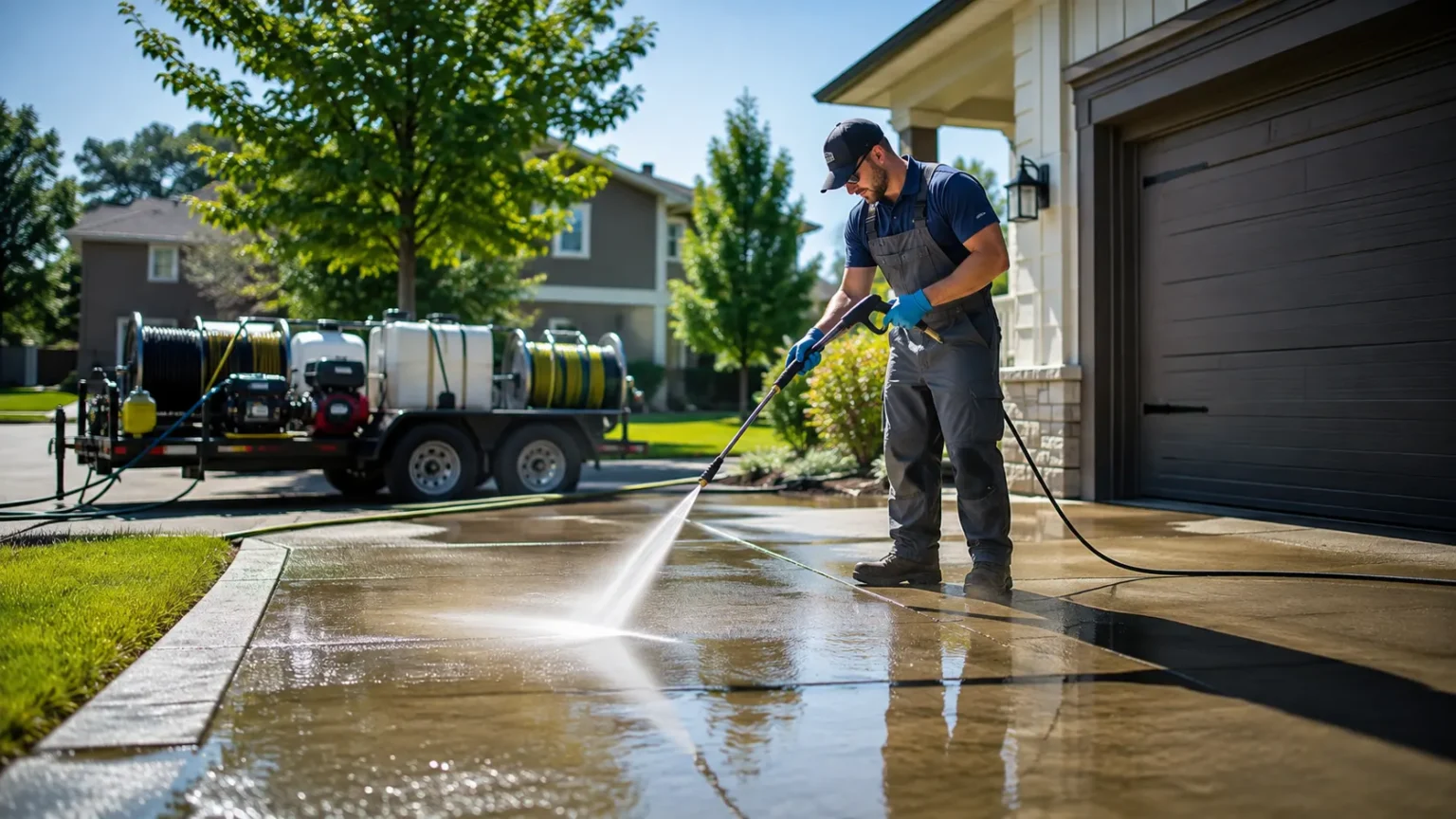
How to Start a Pressure Washing Business
Starting a pressure washing business can be an attractive option for entrepreneurs who want a service-based company with relatively straightforward operations and strong local demand. Homes, driveways, sidewalks, commercial buildings, fences, decks, and parking areas naturally collect dirt, algae, mildew, oil, and other buildup. Property owners often prefer hiring a professional rather than buying equipment and spending hours handling the cleaning themselves. That creates recurring opportunities for a well-run exterior cleaning business.
The business can also be started on a smaller scale and expanded as customers, experience, and cash flow increase. You do not necessarily need a large office, employees, or an expensive fleet when you are first learning how to start a pressure washing business. Many owners begin with essential pressure washing equipment, reliable transportation, insurance, and a focused local marketing strategy. Over time, profits can be reinvested into better machines, surface cleaners, water tanks, trailers, and additional services.
Success, however, involves much more than purchasing a pressure washer and advertising your phone number. Professional pressure washing requires understanding surfaces, water pressure, cleaning chemicals, customer expectations, safety, pricing, and business management. Applying excessive pressure can damage siding, concrete, paint, wood, roofing materials, and landscaping. Learning the correct cleaning process before taking paid jobs protects both your customers’ property and your reputation.
A sustainable pressure washing company therefore combines technical ability with solid business fundamentals. You need to understand your market, establish legal and financial systems, calculate profitable prices, and create a consistent way of finding new customers. This guide explains the major steps involved in starting a pressure washing business from scratch while helping you avoid common mistakes that can make a promising service business difficult to grow.
Is a Pressure Washing Business Worth Starting?
A pressure washing business appeals to many new entrepreneurs because exterior surfaces continuously become dirty and require maintenance. Residential customers may need driveway cleaning, house washing, patio cleaning, fence washing, or deck cleaning, while commercial customers may require storefronts, sidewalks, loading areas, and parking facilities to be cleaned regularly. That variety creates several potential customer segments instead of forcing the company to depend on only one type of project.
Another advantage is the ability to control how quickly the business grows. Someone testing the market may begin with weekend residential jobs before transitioning into full-time operations. Once demand becomes predictable, the owner can expand service areas, purchase commercial-grade pressure washing equipment, add employees, or pursue recurring commercial contracts. This gradual approach can reduce financial pressure compared with businesses requiring substantial premises and inventory before earning their first dollar.
Profitability depends heavily on pricing, operating efficiency, competition, and customer acquisition costs. Revenue may look attractive on paper, but fuel, chemicals, equipment maintenance, insurance, advertising, transportation, labor, and taxes can reduce the amount you actually keep. Business owners should therefore measure profit per job rather than focusing exclusively on total sales. Efficient routes and repeat customers can improve margins because less time and money are spent generating each appointment.
Demand can also fluctuate according to geography, weather, property types, and seasonality. Areas with humid conditions may experience frequent organic growth on exterior surfaces, while colder climates can experience slower periods during winter. Before investing heavily, examine how often local homeowners and businesses purchase exterior cleaning services. A pressure washing business becomes more promising when actual local demand, appropriate pricing, and manageable competition support the idea.
Research Your Local Pressure Washing Market First
Market research should begin by identifying who already provides pressure washing services in your intended service area. Search for local exterior cleaning companies and examine the services they emphasize, customer reviews, service locations, positioning, and visible pricing information. The objective is not simply to copy competitors. Instead, look for patterns showing what customers regularly purchase and where existing providers may leave opportunities for better communication, convenience, specialization, or service quality.
Your research should also identify the most promising customer groups. Residential pressure washing customers may include homeowners, landlords, property investors, real estate agents, and property managers. Commercial opportunities can include restaurants, retail stores, office buildings, apartment complexes, warehouses, homeowners associations, and other organizations responsible for maintaining exterior appearances. Different customer groups often have different purchasing cycles, expectations, budgets, and decision-making processes.
Study customer reviews because they reveal more than competitors’ websites usually do. Positive reviews can show which qualities customers value, such as punctuality, careful work, fast communication, transparent estimates, or dramatic before-and-after results. Negative reviews may reveal common frustrations including property damage, unexpected charges, missed appointments, poor cleanup, or unreliable communication. These insights can help you design your own pressure washing service around real customer expectations.
Finally, define a reasonable service radius rather than targeting every neighborhood within driving distance. Long travel times reduce the number of jobs you can complete each day and increase fuel costs. Starting within a concentrated group of neighborhoods can make scheduling easier while encouraging referrals between nearby homeowners. As your company gains customers and equipment, you can gradually expand into additional areas where demand and pricing justify the extra travel.
Decide Which Pressure Washing Services You Will Offer
New business owners are often better served by offering a focused group of services rather than attempting every type of exterior cleaning immediately. Common starting services include driveway pressure washing, sidewalk cleaning, patio cleaning, concrete cleaning, fence cleaning, and selected exterior house washing. Concentrating on surfaces you understand reduces the possibility of damage and allows you to develop efficient cleaning processes before tackling more specialized projects.
It is also important to understand the difference between pressure washing, power washing, and soft washing. High-pressure cleaning can work effectively on appropriate durable surfaces, but many building materials require lower pressure and specialized cleaning solutions. Vinyl siding, painted surfaces, stucco, roofs, and delicate materials may require different techniques. Professional exterior cleaning is about selecting the safest cleaning method for the surface rather than simply using maximum water pressure.
Additional services can eventually increase average job value. Depending on your training and equipment, these might include gutter exterior cleaning, commercial sidewalk cleaning, dumpster pad cleaning, fence restoration preparation, pool deck cleaning, or recurring property maintenance. Bundling related services can make an appointment more valuable without requiring the cost of acquiring another customer. A homeowner requesting driveway cleaning, for example, may also need a patio or walkway cleaned.
Avoid expanding into technically demanding services solely because competitors advertise them. Roof cleaning, chemical-intensive treatments, restoration work, and delicate exterior surfaces can create greater liability when performed incorrectly. Build experience gradually, seek appropriate training, and follow equipment and chemical manufacturer guidance. A smaller menu of services performed safely and consistently is usually more valuable to customers than a large menu offered without the expertise required to deliver dependable results.
Create a Simple Pressure Washing Business Plan
A pressure washing business plan does not need to be a complicated document filled with unrealistic projections. Start by defining your business model, target customer, geographic area, core services, pricing approach, equipment needs, marketing channels, and financial goals. These decisions create a framework for evaluating opportunities. Without a plan, owners can easily spend money on equipment or advertising that does not directly support the customers they actually want to serve.
Estimate your startup costs as realistically as possible. Depending on your business model, expenses can include a pressure washer, hoses, nozzles, surface cleaner, chemical equipment, protective gear, transportation, branding materials, insurance, registration expenses, website costs, advertising, and working capital. Your exact requirements depend on location and services. Separating essential purchases from equipment that can wait until revenue increases can keep initial spending under better control.
Next, estimate how many jobs you need each week or month to reach your income goals. If your average ticket is relatively low, you may need a higher volume of customers. Increasing average order value through service bundles or higher-value projects can reduce the number of appointments necessary to reach the same revenue. Remember that revenue is not profit, so your projections should account for operating expenses, marketing, taxes, maintenance, and equipment replacement.
Your plan should also establish measurable milestones. Early goals might include completing the first ten paid jobs, collecting customer reviews, reaching a certain monthly revenue level, or achieving a target percentage of repeat and referral business. Later goals may involve purchasing a trailer, upgrading equipment, hiring technicians, or obtaining commercial accounts. Milestones make growth easier to evaluate because you can compare actual performance with defined business objectives rather than relying on assumptions.
Register Your Business and Handle Legal Requirements
Before accepting customers, choose an appropriate business structure based on the requirements and options available where you operate. Business structures can affect taxation, liability, paperwork, and ownership arrangements, so requirements should be checked with the relevant local or state authorities. Some entrepreneurs start with relatively simple structures, while others choose an entity designed to separate certain business and personal liabilities. Professional legal or tax guidance can be useful when selecting the right arrangement.
You should also determine whether your city, county, state, or other jurisdiction requires business registration, licenses, permits, or specialized environmental compliance. Rules can vary significantly by location and by the type of pressure washing services being provided. Some areas regulate how wastewater, detergents, and contaminants are handled because runoff can enter storm drains or waterways. Never assume that requirements applying in one city automatically apply to another.
Open a separate business bank account once your company is properly established. Keeping business revenue and expenses separate from personal transactions makes bookkeeping easier and provides a clearer picture of business performance. Track payments, fuel, chemicals, repairs, advertising costs, equipment purchases, insurance, and other expenses from the beginning. Organized financial records become increasingly important as the business grows and tax reporting becomes more complex.
Customer documentation should also be part of your operating system. Written estimates and service agreements can clarify what areas will be cleaned, what the customer will pay, potential surface limitations, preparation requirements, and any services specifically excluded. Photographing work areas before beginning can provide additional documentation of existing conditions. Clear expectations protect both sides and reduce disagreements arising from assumptions about what a particular pressure washing job includes.
Get the Right Pressure Washing Equipment
Your pressure washer is the center of the operation, but purchasing the most powerful machine is not automatically the best decision. Equipment should match the types of surfaces and project sizes you expect to clean. Commercial-grade equipment is typically designed for heavier workloads than consumer equipment, although costs are higher. Pay attention to pressure, water flow, engine or motor reliability, pump quality, serviceability, and parts availability when evaluating machines.
Water flow can be especially important to cleaning productivity because it helps rinse away loosened dirt and debris. Pressure matters as well, but excessive pressure can damage many surfaces when technique is poor. Professional results usually depend on the combination of appropriate equipment, correct nozzles, surface cleaners, cleaning solutions, dwell time, and rinsing technique. Learn how these elements interact rather than assuming that higher pressure always creates faster or better cleaning.
Your pressure washing equipment list may also include high-pressure hoses, garden hoses, spray guns, wands, quick-connect fittings, nozzles, downstream injectors, surface cleaners, chemical containers, water supply accessories, and spare parts. Safety equipment can include appropriate footwear, gloves, hearing protection, eye protection, and clothing suitable for the chemicals and conditions involved. Carrying frequently needed replacement components can prevent a minor equipment failure from cancelling an entire day of appointments.
Avoid buying an elaborate trailer setup before proving that customers will pay for your services consistently. Start with equipment that allows you to complete your chosen services professionally and upgrade when increased productivity justifies the investment. Once the business reaches greater volume, larger machines, hose reels, tanks, dedicated trailers, and backup equipment can save significant setup time. Equipment should grow in response to demand rather than becoming unnecessary startup debt.
Learn How to Pressure Wash Safely and Professionally
Pressure washing equipment can cause serious injuries and significant property damage when used incorrectly. A concentrated stream of high-pressure water can harm skin and damage wood, siding, paint, mortar, glass seals, and other materials. Never direct the spray toward people or animals, and understand how distance, nozzle angle, pressure, and surface condition affect cleaning. Proper training should come before taking responsibility for a customer’s property.
Different surfaces require different techniques. Concrete may tolerate cleaning methods that would permanently damage softer materials such as wood or certain siding products. Even concrete can be affected by poor technique, particularly when it is damaged, recently installed, or cleaned unevenly. Test inconspicuous areas whenever appropriate and carefully inspect surfaces before beginning. Existing cracks, loose paint, failing mortar, damaged siding, or oxidation can influence the safest cleaning approach.
Chemical safety deserves equal attention. Exterior cleaning solutions can improve results and reduce the need for aggressive pressure, but chemicals must be selected, diluted, stored, applied, and disposed of according to their instructions and applicable requirements. Protect surrounding plants and surfaces when necessary and never mix chemicals unless manufacturer guidance specifically allows it. Labels and safety documentation should be treated as operating instructions rather than optional reading.
Create a repeatable pre-job inspection process as your pressure washing company grows. Walk through the property, identify vulnerable areas, confirm water access, note existing damage, move or protect appropriate objects, and discuss concerns with the customer. After cleaning, perform another inspection before packing your equipment. Consistent procedures reduce mistakes and help ensure that employees eventually deliver the same standard of work that customers expect from the owner.
Understand Pressure Washing Business Insurance
Insurance should be considered part of operating professionally rather than an unnecessary startup expense. Even careful operators can experience accidents involving property damage, injuries, equipment, vehicles, or unexpected circumstances. The appropriate coverage depends on your services, company structure, employees, equipment, and location. Speaking with an insurance professional familiar with service businesses can help you understand what protection may be appropriate for your pressure washing operation.
General liability insurance is commonly considered by service businesses because claims can arise if work damages customer property or causes injury. However, policy terms, exclusions, limits, and covered activities matter considerably. Do not assume that simply possessing an insurance policy means every pressure washing-related incident will automatically be covered. Clearly describe your services to the insurer and understand what the policy does and does not include.
As the company expands, additional insurance needs may emerge. Businesses using vehicles primarily for commercial operations may have different vehicle coverage requirements, while companies hiring employees may face workers’ compensation obligations depending on local rules. Equipment and property coverage may also become relevant as the value of your machines, trailers, tanks, and tools increases. Insurance should therefore be reviewed periodically instead of being treated as a one-time decision.
Customers may also view appropriate insurance as a sign that you operate responsibly, particularly when dealing with commercial properties or property management companies. Some organizations may request proof of coverage before approving vendors. Having your documentation organized can make these opportunities easier to pursue. Insurance does not replace careful work, but combining risk management, proper training, documentation, and suitable coverage creates a stronger foundation for growth.
How Much Does It Cost to Start a Pressure Washing Business?
The cost of starting a pressure washing business varies considerably depending on equipment quality, transportation needs, insurance, marketing strategy, and the services you intend to provide. Someone already owning a suitable vehicle may face lower startup costs than an entrepreneur who needs both equipment and transportation. Similarly, a small residential setup will usually require less capital than a commercial operation built around a large trailer and water storage system.
Instead of focusing on a single universal startup figure, create a detailed budget based on your own operating model. Divide purchases into essential equipment, required business expenses, marketing, and optional upgrades. Essential expenses might include cleaning equipment, hoses, fittings, protective gear, registration, and appropriate insurance. Optional expenses may include premium branding, sophisticated scheduling software, expensive trailer modifications, or secondary machines that are not necessary to complete your first jobs.
Working capital is another frequently overlooked startup expense. You may spend money on advertising, fuel, chemicals, repairs, and supplies before customer payments generate consistent positive cash flow. Keeping funds available for ongoing operating costs can prevent routine expenses from disrupting the business. Equipment maintenance should also be included in your budget because pumps, hoses, nozzles, engines, seals, and fittings naturally experience wear during regular commercial use.
Consider your expected payback period before buying major equipment. A purchase that genuinely allows you to complete more jobs, reduce labor time, or offer a profitable new service may be worthwhile. A purchase made primarily because it looks professional may generate little financial return. Strong businesses invest according to productivity and customer demand. Building gradually gives you time to learn which equipment actually improves your particular pressure washing operation.
How to Price Pressure Washing Jobs
Pressure washing prices should cover more than the time you spend actively spraying a surface. Every project also involves travel, setup, breakdown, fuel, chemicals, equipment wear, insurance, marketing, administrative work, and taxes. Your pricing system needs to account for these costs while leaving sufficient profit to support the business. Competing exclusively by offering the lowest price can create plenty of work without generating enough money to sustain operations.
Companies may price projects using square footage, estimated labor time, flat-rate packages, or a combination of methods. The most suitable system depends on the type of work and your ability to estimate it accurately. A straightforward driveway may be easier to price by area, while complex house washing can require consideration of height, access, surface condition, obstacles, water availability, and treatment requirements. Pricing should reflect the resources required to produce the promised outcome.
Establishing a minimum service charge can also protect profitability. Without a minimum, you could spend considerable time driving, setting up equipment, cleaning a tiny area, and packing everything away for very little revenue. A reasonable minimum allows small appointments to contribute meaningfully toward operating expenses. Service bundles are another useful approach because customers can combine driveway, patio, walkway, fence, or exterior washing into a larger and potentially more cost-effective appointment.
Review pricing regularly as you gain real job data. Track how long each project takes, how much chemical is used, travel time, fuel expenses, and unexpected complications. If certain job types consistently take longer than estimated, adjust future quotes accordingly. Accurate pressure washing estimates improve with experience. The goal is not to charge randomly high prices but to build a pricing structure that remains fair to customers while producing sustainable business margins.
Build a Brand Customers Can Trust
Your pressure washing business name should be easy to remember, spell, pronounce, and search online. Avoid creating a name that restricts future growth unnecessarily if you eventually plan to offer multiple exterior cleaning services. Once you choose a name, check whether it is available through the relevant business registration channels and whether suitable digital properties are available. Consistent branding makes it easier for customers to recognize the company across different platforms.
A professional visual identity does not require an expensive branding project when the business is new. Clean vehicle presentation, consistent colors, readable marketing materials, professional invoices, and tidy uniforms can create a strong impression. Customers are inviting you onto valuable residential or commercial property, so appearance and communication influence trust. Arriving on time with organized equipment can contribute to your brand just as much as a logo does.
Build your reputation around specific promises you can consistently deliver. These may include clear communication, straightforward estimates, careful property protection, convenient scheduling, or dependable arrival windows. Avoid generic claims such as being the best pressure washing company unless you have evidence supporting them. Customers remember whether their experience matched their expectations. Reliable operational habits therefore become one of your strongest forms of branding.
Before-and-after photographs can become especially valuable for an exterior cleaning company because results are highly visual. With appropriate customer permission, document completed driveways, patios, siding, fences, and other surfaces from similar angles and lighting conditions. Authentic project photographs can demonstrate your capabilities more effectively than generic stock images. Over time, your portfolio becomes proof of experience that helps new prospects feel more confident requesting an estimate.
Create a Website That Generates Local Leads
A pressure washing website should quickly explain what you clean, where you operate, and how visitors can request service. Avoid filling the homepage with broad statements that never answer practical customer questions. Mention your primary services, service area, contact options, and reasons customers can trust your business. Mobile usability matters because many homeowners will find your company while searching on their phones and may want to call or request an estimate immediately.
Create dedicated service pages for meaningful offerings rather than placing every keyword onto one page. For example, you might have individual pages explaining house washing, driveway cleaning, concrete cleaning, patio washing, and commercial pressure washing when those services are genuinely offered. Each page should answer customer concerns, describe the process clearly, and explain what affects the service. Useful local content can improve both user experience and search visibility.
Local SEO can help pressure washing businesses appear when nearby customers search for services. Establish a complete business profile on appropriate search platforms, maintain accurate contact information, collect genuine customer reviews, and keep business details consistent across relevant online listings. Your website should also clearly communicate your actual geographic coverage. Avoid creating dozens of thin location pages that provide no unique information simply to target nearby city names.
Strong calls to action should appear naturally throughout the website. Give customers an obvious way to call, message, or submit an estimate request without making them search through several pages. Request only the information you genuinely need to begin evaluating the project. Fast responses can provide an advantage in local service businesses because prospects frequently contact multiple providers and may hire the company that communicates clearly and promptly.
How to Get Your First Pressure Washing Customers
Your first customers often come from people who already have some connection with you or your local community. Friends, relatives, neighbors, landlords, real estate contacts, and local business owners can provide early opportunities when approached professionally. Avoid relying on favors alone. Charge appropriately, provide the same quality of service you would offer any customer, and request honest feedback. Early jobs allow you to improve your process while building photographs and testimonials.
Local door-to-door marketing can work when conducted respectfully and in compliance with local solicitation rules. Instead of using aggressive sales tactics, focus on properties where your services appear genuinely relevant. Flyers and door hangers can also introduce your company within neighborhoods where you are already working. Concentrating marketing around existing appointments may improve efficiency because homeowners can see your equipment, completed results, or visible activity nearby.
Digital channels can provide another source of pressure washing leads. Local search optimization, social media, community groups, paid advertising, and neighborhood platforms can expose your services to property owners actively looking for help. Do not spread a small marketing budget across every available channel at once. Test a limited number of strategies, track which inquiries become paying jobs, and invest more heavily in the channels producing profitable customers.
Referral partnerships can become particularly valuable as your reputation grows. Landscapers, painters, real estate agents, property managers, window cleaners, gutter specialists, and other home-service professionals frequently encounter customers who need exterior cleaning. Building genuine relationships with complementary businesses can produce referrals in both directions. Professional conduct matters because a partner recommending your company is putting part of their own reputation behind the referral.
Use Reviews and Referrals to Grow Faster
Reviews are particularly important for local service businesses because customers often compare companies before requesting estimates. After completing a successful job, politely ask satisfied customers to share an honest review on the platform most relevant to your business. Make the process simple by sending the appropriate review link in a follow-up message. Avoid pressuring customers or using methods that violate the review platform’s rules.
Respond professionally to reviews because potential customers may read your responses as carefully as the original comments. Thank customers for positive feedback while keeping replies natural rather than posting the same generic sentence repeatedly. If a negative review appears, avoid arguing publicly. A calm response acknowledging the concern and offering an appropriate way to resolve genuine issues can demonstrate professionalism even when the original situation was frustrating.
Referral programs can encourage satisfied customers to introduce your services to neighbors, friends, or other property owners. The incentive does not need to be complicated. Some companies use referral credits, future service discounts, or simple thank-you rewards where permitted. Even without financial incentives, excellent service naturally generates recommendations. Homeowners frequently notice freshly cleaned driveways and exterior surfaces, making pressure washing particularly suited to neighborhood word-of-mouth growth.
Maintain customer information so you can reconnect when future maintenance may be appropriate. Exterior surfaces become dirty again, which means many pressure washing customers can become repeat clients. A polite seasonal reminder or maintenance message may cost far less than finding an entirely new customer through paid advertising. Respect customer communication preferences, avoid excessive messages, and focus on providing timely reminders that offer genuine value.
Manage Daily Operations Efficiently
Efficient scheduling can dramatically affect pressure washing profitability. Whenever possible, group appointments geographically so technicians spend more time cleaning and less time driving. Consider travel time, project size, water access, weather conditions, and equipment setup when building your daily schedule. Overbooking can create late arrivals and rushed jobs, while excessive gaps leave expensive equipment unused. Realistic scheduling protects both customer satisfaction and profit margins.
Create checklists for equipment before leaving for appointments. Confirm that hoses, connectors, nozzles, chemicals, fuel, protective equipment, and commonly needed replacement parts are available. Forgetting a small fitting can create a surprisingly costly delay when the nearest replacement is far from the project. Standardized truck or trailer organization also helps technicians identify missing tools quickly and reduces the time required to prepare for each job.
Bookkeeping should become part of your weekly routine rather than a year-end emergency. Record customer payments and categorize expenses while information is still easy to remember. Track financial performance by month and, when possible, by service type. Knowing which services create strong margins and which repeatedly cause complications helps you make better decisions about marketing, equipment investments, pricing, and the types of customers you want to pursue.
Customer communication can also be standardized without becoming impersonal. Appointment confirmations, preparation instructions, arrival notifications, invoices, review requests, and maintenance reminders can follow consistent templates. This improves the customer experience and prevents important messages from being forgotten during busy weeks. Automation can support these processes as the business grows, but customers should still have an easy way to reach a real person when questions or unusual situations occur.
Scale Your Pressure Washing Business Carefully
Growth should begin when customer demand consistently exceeds what your current setup can comfortably handle, not simply because expansion sounds appealing. Before hiring, improve your own operating procedures so another person can learn them. Document estimating, equipment setup, chemical handling, property inspection, cleaning methods, customer communication, and job completion processes. Employees cannot consistently follow standards that exist only in the owner’s memory.
Hiring introduces costs beyond hourly wages. Depending on location and employment arrangements, expenses can involve payroll administration, workers’ compensation, taxes, uniforms, training, additional insurance, equipment, and supervision. A new technician may initially reduce productivity while learning. Make sure pricing and demand are strong enough to support these additional costs. Growth that increases revenue while decreasing overall profit can create unnecessary financial stress.
Commercial accounts can provide opportunities for larger or recurring jobs, but they often require different sales processes and expectations than residential customers. Property managers and businesses may request formal proposals, proof of insurance, specific scheduling windows, safety documentation, or invoicing terms. Payment may also take longer than residential work. Understand these requirements before pursuing commercial projects so larger contract values do not create unexpected cash-flow problems.
Continue monitoring customer acquisition costs as the company expands. Marketing that worked when you needed five jobs per week may not produce enough volume when you have multiple crews. Diversifying lead sources can reduce dependence on a single advertising platform. Search visibility, referrals, repeat customers, partnerships, direct outreach, commercial relationships, and paid campaigns can collectively create a more resilient stream of opportunities for a growing pressure washing company.
Common Pressure Washing Business Mistakes to Avoid
One major mistake is underpricing simply to win early customers. Low prices can generate appointments quickly, but they may attract highly price-sensitive customers while leaving insufficient money for maintenance, advertising, taxes, and growth. Calculate your actual costs before setting rates and improve your estimating skills over time. A sustainable business must produce enough profit to maintain equipment, replace worn components, and compensate the owner appropriately.
Another mistake is using too much pressure on every surface. Customers are paying for clean property, not maximum PSI. Incorrect techniques can etch concrete, scar wood, strip paint, force water behind siding, or damage delicate surfaces. Learn how cleaning solutions, water flow, dwell time, pressure, and nozzle selection work together. Professional knowledge reduces liability while often producing more consistent results than simply relying on powerful equipment.
Neglecting marketing after becoming busy is another common problem. If you stop generating leads completely during your busiest weeks, the pipeline can become empty several weeks later. Maintain a basic marketing rhythm even when the schedule is full. Continue collecting reviews, documenting projects, maintaining local search visibility, and following up with previous customers. Consistency makes revenue less dependent on unpredictable bursts of demand.
Finally, avoid expanding into too many services too quickly. Every additional service requires expertise, equipment, estimating knowledge, marketing, and operational procedures. Adding services simply because another company offers them can distract you from the activities already generating profit. Expand when a new service complements existing customer demand and you can deliver it safely. Controlled growth usually produces a stronger business than constantly chasing every possible revenue opportunity.
A Practical Path From First Job to Established Business
If you are learning how to start a pressure washing business, begin with research rather than immediately purchasing expensive equipment. Identify the customers you want to serve, determine which services they need, study local competition, and understand the technical requirements of those jobs. Then build a realistic startup budget. These steps help ensure that equipment purchases and marketing decisions support an actual business opportunity rather than an assumption.
Next, establish your legal, financial, insurance, and safety foundations before aggressively promoting the company. Purchase equipment suitable for the services you understand and practice proper cleaning techniques before accepting complicated jobs. Create basic estimating, inspection, cleaning, invoicing, and follow-up processes. A professional foundation may seem slower initially, but it reduces preventable mistakes that can damage both property and your developing reputation.
Once operations are ready, focus intensely on acquiring and satisfying your first group of customers. Respond quickly, arrive professionally, communicate clearly, protect property carefully, and deliver the results you promised. Collect genuine reviews and project photographs with permission. These assets can strengthen your local marketing and make subsequent customers easier to win because prospects can see evidence that your company has successfully completed similar work.
Finally, use actual business data to guide expansion. Track revenue, expenses, job duration, lead sources, customer acquisition costs, average ticket value, and repeat business. Upgrade equipment when productivity demands it and hire only when customer volume can support the additional expense. Building a successful pressure washing business is less about growing as quickly as possible and more about creating reliable systems that generate profitable, repeatable service.
FAQs About Starting a Pressure Washing Business
How much money do you need to start a pressure washing business?
Startup costs vary based on equipment quality, transportation, insurance, registration requirements, and marketing. A lean setup can cost considerably less than a professional trailer-based operation, so creating a personalized startup budget is more useful than relying on one universal figure.
Can you start a pressure washing business with no experience?
You can enter the industry without previous professional experience, but you should learn equipment operation, surface-specific cleaning techniques, chemical safety, and property protection before accepting paid projects. Practicing and obtaining appropriate training can significantly reduce costly mistakes.
Do you need a license to start a pressure washing business?
Requirements depend on your city, state, country, and the services you provide. Check local business registration, licensing, environmental, wastewater, and tax requirements before operating rather than assuming the rules are identical everywhere.
Is pressure washing a profitable business?
Pressure washing can be profitable when services are priced correctly and customer acquisition, travel, labor, chemicals, equipment maintenance, and other expenses are controlled. Profitability ultimately depends on your local market and how efficiently the company operates.
How do pressure washing businesses get customers?
Common customer acquisition methods include local SEO, search profiles, referrals, customer reviews, neighborhood marketing, social media, paid advertising, repeat customers, and partnerships with complementary service providers. Tracking which channels produce profitable jobs helps you focus marketing spending effectively.