


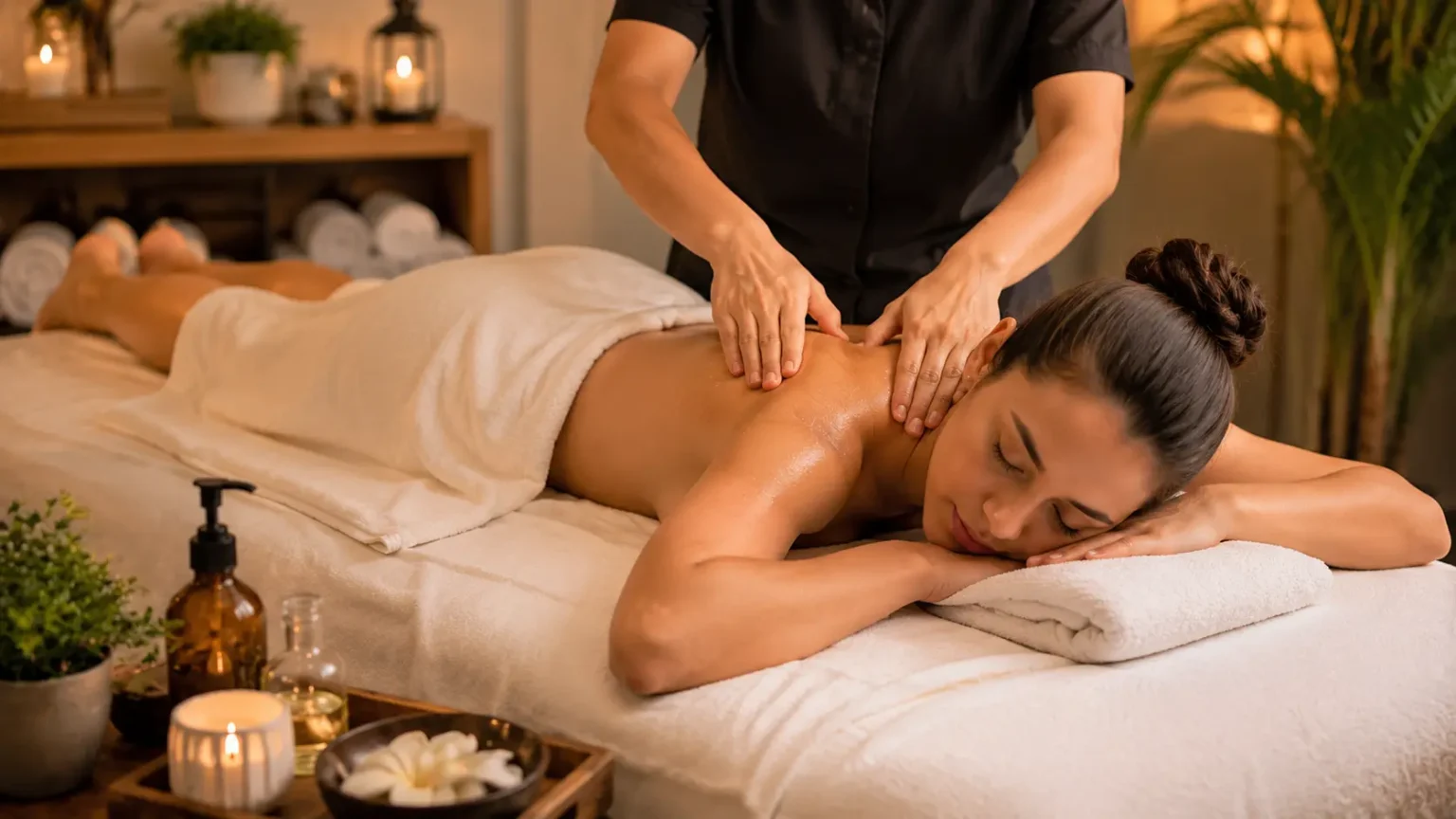
Swedish Massage: Benefits, Techniques and What to Expect
Swedish massage is one of the most familiar and widely practiced forms of massage therapy. It uses flowing strokes, kneading, gentle pressure, rhythmic movements, and other hands-on techniques to encourage relaxation and work with muscles and soft tissues. For someone booking a professional massage for the first time, Swedish massage is often an approachable option because the pressure can usually be adjusted to personal comfort.
People seek Swedish massage for different reasons. Some want an opportunity to relax after a demanding week, while others hope to ease everyday muscle tension or stiffness associated with work, exercise, travel, or prolonged sitting. Massage is also commonly used as part of a broader wellness routine rather than as treatment for one particular medical problem.
A typical session is designed to feel smooth and methodical rather than intensely painful. A massage therapist may use long gliding movements across larger muscle groups, knead areas of tension, apply rhythmic pressure, and incorporate gentle joint or muscle movements. The exact approach depends on the therapist, the client’s preferences, and the areas being addressed.
Understanding Swedish massage benefits, techniques, pressure levels, preparation, aftercare, and potential risks can make a first appointment feel much more comfortable. This guide explains what happens during a session, how Swedish massage compares with other massage styles, and how to decide whether it fits your goals and preferences.
What Is Swedish Massage?
Swedish massage is a hands-on massage style that primarily works with muscles and other soft tissues using systematic movements. Its techniques typically include gliding strokes, kneading, friction, rhythmic tapping or percussion, and gentle vibration. Therapists combine these movements rather than performing every session according to one rigid sequence.
The primary emphasis is generally relaxation and comfortable soft-tissue manipulation. Unlike approaches built around sustained intense pressure, Swedish massage can be performed at light, moderate, or somewhat firmer pressure depending on the client’s comfort. Communication helps the therapist adjust the experience throughout the appointment.
A full-body Swedish massage may include the back, shoulders, neck, arms, hands, legs, and feet. Clients can also request that the therapist spend more time on particular areas, such as shoulders that feel tight after desk work or legs that feel tired after physical activity.
Swedish massage is best understood as a wellness and complementary therapy rather than a cure for disease. While massage may help some people feel more relaxed or experience temporary improvements in muscle discomfort, claims that it can detoxify the body or cure medical conditions go beyond what massage therapy can reliably accomplish.
Where Did Swedish Massage Come From?
The history behind the name “Swedish massage” is more complicated than many spa descriptions suggest. It is frequently associated with Swedish educator and movement specialist Pehr Henrik Ling, who developed a system of physical exercises and therapeutic gymnastics during the nineteenth century.
However, modern Swedish massage techniques were influenced by several practitioners and evolving European massage traditions. The familiar French names used for techniques such as effleurage and petrissage reflect the broader development of massage practice rather than a method created entirely by one individual.
Over time, the term Swedish massage became widely used to describe a Western-style system of soft-tissue manipulation built around recognizable categories of strokes. It became particularly popular in spas, wellness centers, athletic environments, and massage therapy practices.
Today, individual therapists may interpret Swedish massage somewhat differently. One session may focus heavily on relaxation, while another includes more targeted muscle work. Asking what the therapist means by “Swedish massage” can therefore help ensure the session matches your expectations.
What Are the Main Swedish Massage Techniques?
Traditional Swedish massage techniques are commonly grouped into several categories, including effleurage, petrissage, friction, tapotement, and vibration. These terms describe how the therapist’s hands interact with the soft tissues rather than specific medical treatments.
Effleurage refers to smooth, gliding strokes that are often used to begin and transition between other techniques. Petrissage involves kneading, rolling, lifting, or compressing soft tissue. Friction uses more focused movements over specific muscular areas, while tapotement involves rhythmic tapping or percussion.
Vibration or shaking techniques may also be incorporated to create rhythmic movement through a muscle or body region. Therapists often combine these methods naturally so the session feels continuous rather than divided into separate techniques.
The amount of time devoted to each technique depends on your goals and comfort. A relaxation-focused session may contain more flowing strokes, whereas a therapist addressing muscular tightness may spend additional time using kneading and focused pressure.
Effleurage: Long, Flowing Massage Strokes
Effleurage is one of the techniques most strongly associated with Swedish massage. The therapist uses the palms, fingers, or forearms to create long, smooth movements across the skin and underlying soft tissue.
These strokes are often used at the beginning of work on a body area. They help the therapist establish contact, assess how the tissues feel, spread massage lotion or oil when used, and gradually introduce pressure.
Effleurage can range from very light to moderately firm. Slower, gentler strokes may support a calming experience, while somewhat deeper movements can transition into more focused muscular work.
Because effleurage creates continuity between techniques, it contributes heavily to the characteristic flowing quality of Swedish massage. Rather than abruptly moving from one area to another, the therapist can use gliding strokes to maintain a comfortable rhythm.
Petrissage: Kneading and Working the Muscles
Petrissage refers to techniques that knead, lift, squeeze, roll, or compress soft tissues. If effleurage creates the smooth foundation of Swedish massage, petrissage often provides more direct work on muscles.
The therapist may gently lift a muscle away from underlying structures or compress the tissue between the hands and fingers. Larger muscle groups such as the thighs, calves, shoulders, and upper back can respond particularly well to this type of movement.
Pressure should remain within a tolerable range. Some areas may feel mildly tender when muscles are tense, but the client should not feel obligated to tolerate sharp or overwhelming pain because they believe harder pressure automatically creates greater benefits.
Petrissage is commonly combined with gliding strokes before the therapist moves to another region. The combination allows a Swedish massage to address muscular tension while maintaining the comfortable, rhythmic quality many people seek from the treatment.
Friction Techniques in Swedish Massage
Friction involves more concentrated movements directed at particular soft-tissue areas. Instead of gliding over a large section of the body, the therapist may use fingertips, thumbs, knuckles, or other appropriate contact to work within a smaller region.
The technique can be useful when an area feels particularly tight or when the therapist identifies localized muscular tension. The pressure and duration should still be adjusted according to the person’s comfort.
Friction should not be confused with simply rubbing the skin aggressively. Professional massage techniques are controlled and directed, and excessive surface friction can irritate the skin without providing useful muscular work.
A client should communicate if focused work feels sharp, burning, numb, or otherwise uncomfortable. Massage pressure is not a test of endurance, and a skilled therapist can modify technique while continuing to address the targeted area.
Tapotement: Rhythmic Tapping and Percussion
Tapotement describes rhythmic percussion techniques that may involve light tapping, cupping, or other repeated hand movements. It creates a noticeably different sensation from the long strokes and kneading used elsewhere in Swedish massage.
Therapists may use tapotement briefly rather than throughout an entire relaxation session. Depending on speed and intensity, the technique can feel stimulating and energizing rather than deeply calming.
Not every Swedish massage includes substantial tapotement. A therapist may omit it when it does not suit the client’s preferences, the body area being treated, or the overall goal of the session.
As with every massage technique, intensity should be appropriate. Percussion should feel controlled rather than aggressive, particularly around sensitive areas or in clients who bruise easily.
Vibration and Shaking Techniques
Vibration involves rapid, controlled movements that create a gentle shaking sensation through soft tissue. A therapist may perform it using the hands or fingertips depending on the area being addressed.
This technique can provide variety within a Swedish massage and may help some clients experience a sense of relaxation or release in tense muscles. The sensation is typically different from either sustained pressure or kneading.
Shaking movements may also be incorporated when working with the arms or legs. The therapist keeps the movement controlled so the client remains comfortable and supported.
Vibration is usually one element within a broader treatment rather than the defining feature of Swedish massage. Many sessions rely more heavily on effleurage and petrissage while using vibration selectively.
What Are the Benefits of Swedish Massage?
One of the most commonly reported Swedish massage benefits is relaxation. The quiet environment, comfortable positioning, rhythmic touch, and reduction in everyday stimulation can make a massage session feel mentally and physically restorative.
Massage may also temporarily reduce muscle tension and soreness for some people. Someone who spends hours working at a computer, drives frequently, exercises regularly, or performs repetitive physical tasks may particularly appreciate attention to areas that feel tight.
Research on massage therapy has explored possible benefits for pain, stress, anxiety, and other symptoms, although results vary by condition and study quality. Massage should therefore complement appropriate healthcare rather than replace evidence-based treatment for persistent or serious symptoms.
Another practical benefit is increased body awareness. During a session, people sometimes recognize how much tension they habitually hold in their shoulders, jaw, back, or legs. That awareness can encourage improvements in movement, rest, ergonomics, or exercise habits outside the massage room.
Swedish Massage for Relaxation and Stress
Relaxation is one of the main reasons people choose Swedish massage. Long, predictable strokes and moderate pressure can create an environment in which someone can temporarily disengage from work, screens, responsibilities, and other everyday stressors.
Stress has both psychological and physical components. Some people notice that stressful periods coincide with muscle tightness, headaches, jaw tension, poor sleep, or discomfort through the neck and shoulders. Massage may help them feel temporarily less tense.
The environment can contribute as much to the experience as individual techniques. Comfortable temperature, privacy, appropriate draping, reduced noise, and clear communication help clients feel safe enough to relax.
Massage is not a replacement for mental health treatment when stress or anxiety is significantly affecting daily life. However, for many people, it can be one supportive element within a broader self-care routine that also includes sleep, movement, social connection, and appropriate professional support.
Can Swedish Massage Help Muscle Tension?
Swedish massage can be useful for people seeking temporary relief from everyday muscle tension. Kneading and gliding movements work directly with soft tissues and may make tight muscles feel more comfortable after a session.
Common areas include the upper back, neck, shoulders, calves, and thighs. People who remain in one position for extended periods may experience stiffness, while active individuals may develop muscular soreness after training or unfamiliar exercise.
The underlying cause matters. Massage may make a tense muscle feel better temporarily, but persistent pain caused by an injury, nerve problem, joint condition, or another medical issue may require a different form of evaluation.
Clients should tell their therapist about ongoing injuries or unexplained pain before treatment begins. A responsible therapist can adjust the session and may recommend medical assessment when symptoms fall outside the appropriate scope of massage therapy.
Can Swedish Massage Help With Soreness After Exercise?
Some people enjoy massage following demanding physical activity because it can feel soothing when muscles are tired or stiff. Light or moderate massage may be more comfortable than aggressive deep pressure when muscles are already sensitive.
Delayed-onset muscle soreness typically develops after unfamiliar or demanding exercise and often becomes noticeable hours later. Massage cannot instantly repair microscopic exercise-related muscle changes, but some research suggests massage may modestly reduce perceived soreness.
Timing and intensity matter. Extremely painful pressure immediately after a difficult workout is not necessarily better and may simply make already-sensitive tissue more uncomfortable.
Athletes should distinguish ordinary exercise soreness from an injury. Sharp pain, substantial swelling, weakness, inability to use a limb normally, or sudden pain associated with a specific movement should be evaluated appropriately rather than repeatedly massaged.
Does Swedish Massage Improve Circulation?
Massage is frequently promoted as a way to “improve circulation,” but this claim needs context. Manipulating soft tissue can create local changes in blood flow, warmth, and tissue movement during and shortly after treatment.
That does not mean massage can treat serious circulatory disease or replace physical activity and medical treatment. The cardiovascular system regulates blood flow through complex mechanisms that cannot be permanently transformed simply by receiving a massage.
Movement remains one of the most important everyday ways to support cardiovascular health. Regular physical activity, appropriate medical care, and management of cardiovascular risk factors matter far more than occasional massage sessions.
People with significant vascular conditions should discuss massage with a healthcare professional before treatment. Blood clots and certain acute circulatory problems require medical care and can make massage inappropriate.
Does Swedish Massage Remove Toxins?
The claim that massage “flushes toxins” from the body is widely repeated but oversimplified. Your liver, kidneys, lungs, gastrointestinal system, and other biological processes continuously handle waste products and substances the body needs to eliminate.
Massage does not squeeze unspecified toxins out of muscles and send them into the bloodstream for removal. There is no need to drink extreme quantities of water after a massage to “flush” substances supposedly released from the tissue.
Staying normally hydrated is still sensible, particularly if you have exercised, traveled, or simply have not been drinking enough throughout the day. Hydration supports general health rather than functioning as a special massage detoxification process.
A trustworthy massage therapist should be comfortable describing realistic goals such as relaxation and temporary reduction in muscular discomfort without relying on dramatic detox claims.
Swedish Massage and Sleep
Some people feel sleepy during or after a Swedish massage because the experience is intentionally calming. A quiet room, comfortable positioning, reduced stimulation, and repetitive touch can make it easier to mentally disengage.
Feeling more relaxed in the evening may indirectly make sleep easier for some individuals. Someone whose sleep is disrupted partly by everyday stress or muscle tension might particularly appreciate this effect.
However, massage is not a guaranteed treatment for insomnia. Persistent sleep difficulties can involve stress, sleep habits, medications, sleep apnea, mental health conditions, pain, or many other factors.
If sleep problems continue for an extended period or cause significant daytime impairment, proper evaluation is more useful than relying exclusively on massage. Swedish massage can remain a complementary relaxation practice when it feels helpful.
Swedish Massage vs Deep Tissue Massage
Swedish massage vs deep tissue massage is one of the most common comparisons people make when choosing a treatment. Swedish massage generally emphasizes flowing movements, relaxation, and adjustable light-to-moderate pressure.
Deep tissue massage typically involves more focused work on deeper muscle layers and areas of persistent tension. The therapist may move more slowly and use firmer pressure in targeted regions rather than maintaining the same flowing rhythm.
Deep tissue does not need to be extremely painful to be effective. Similarly, Swedish massage does not have to be extremely light. There is substantial overlap, and therapists may incorporate elements of both depending on training and client preferences.
Choose based on your goal rather than assuming one is universally superior. Someone primarily seeking relaxation may prefer Swedish massage, while a client wanting more focused muscular work might discuss deep tissue or another therapeutic approach.
Swedish Massage vs Sports Massage
Sports massage is generally tailored to physical activity and athletic goals. It may focus on muscle groups heavily involved in a particular sport and can be adapted for training, competition, recovery, or rehabilitation contexts.
Swedish massage is usually broader and more relaxation-oriented. A therapist may work across most of the body using smooth strokes and kneading without organizing the entire session around athletic performance.
There is still overlap between the two. Sports massage practitioners can use Swedish-style strokes, while Swedish massage therapists may devote extra attention to tired legs or shoulders after physical activity.
An athlete should explain what training they have recently completed, whether competition is approaching, and whether any injuries are present. This allows the therapist to choose appropriate pressure and techniques rather than applying a generic routine.
Swedish Massage vs Thai Massage
Thai massage differs considerably from the classic Swedish experience. Traditional Thai massage often involves assisted stretching, compression, and body positioning, sometimes performed through clothing on a floor mat.
Swedish massage is generally performed on a massage table, with oil or lotion often used on exposed treatment areas. Draping is used so only the body area currently being massaged needs to be uncovered.
Thai massage may feel more active because the therapist moves the client’s body through different positions. Swedish massage usually asks less active participation and is therefore often chosen by people who primarily want to lie down and relax.
Neither approach is inherently better. Personal comfort, mobility, treatment goals, cultural preference, and previous experience can all influence which style feels more suitable.
Swedish Massage vs Hot Stone Massage
Hot stone massage incorporates heated stones into the session. The stones may be placed on selected areas or used as massage tools, depending on the practitioner’s approach.
Swedish massage relies primarily on manual strokes such as effleurage and petrissage. A hot stone session may still include these same techniques, making hot stones more of an added modality than a completely unrelated form of massage.
Some people find warmth especially relaxing and enjoy the sensation around tight muscles. Others prefer the greater pressure control that comes from the therapist working directly with their hands.
People with reduced sensation, certain skin problems, or medical conditions affecting temperature sensitivity should discuss heat-based treatments before receiving them. Heated stones should always feel comfortably warm rather than painfully hot.
Swedish Massage vs Aromatherapy Massage
Aromatherapy massage typically combines hands-on massage with essential oils selected for their scent or intended relaxation experience. The physical massage techniques themselves may be very similar to Swedish massage.
For some clients, fragrance enhances relaxation. Others experience headaches, respiratory irritation, skin sensitivity, or simply dislike strong scents, making unscented massage products a better choice.
Essential oils are concentrated substances and should not automatically be applied directly to the skin undiluted. Professional therapists should use appropriately formulated products and ask about allergies or sensitivities.
Aromatherapy is optional rather than necessary for Swedish massage benefits. A completely fragrance-free Swedish session can provide the same hands-on relaxation experience for someone who prefers to avoid scented products.
What Happens During a Swedish Massage Session?
Your appointment usually begins with a short conversation about your goals, health history, areas of discomfort, pressure preference, and any areas you do not want massaged. This consultation helps the therapist personalize the treatment.
The therapist should explain how to prepare and then leave the room while you undress to your own comfort level and get onto the massage table. Professional draping keeps areas not currently being treated covered.
During the massage, the therapist gradually works through agreed-upon areas using gliding, kneading, compression, and other techniques. Lotion or oil may be used to reduce friction when appropriate.
Communication remains welcome throughout the session. If pressure hurts, the room feels too cold, positioning is uncomfortable, or you simply do not want a particular area touched, you can say so at any point.
Do You Have to Remove Your Clothes for Swedish Massage?
You should undress only to the level that feels comfortable to you. Professional massage does not require clients to ignore their boundaries simply because a particular amount of undressing is common in some settings.
Swedish massage often involves direct work on the skin because gliding techniques use lotion or oil. However, underwear can remain on, and areas can be skipped or adapted according to preference.
Proper draping maintains privacy throughout the session. Only the area actively being treated should be uncovered as necessary, while the rest of the body remains covered.
Clear consent is fundamental. You can change your mind about an area during the session, ask the therapist to stop, request additional coverage, or end the appointment if you feel uncomfortable.
How Much Pressure Is Used in Swedish Massage?
Pressure can range from very light to moderately firm depending on the client’s goals and the therapist’s technique. There is no single pressure level that defines every Swedish massage.
A relaxation-focused treatment may use lighter, slower strokes. Someone with muscular tightness may request somewhat firmer kneading while still maintaining the smooth style associated with Swedish massage.
The ideal pressure feels productive without forcing you to brace your body or hold your breath. Sharp, burning, electric, or intensely painful sensations are reasons to ask for an adjustment.
Do not worry about offending your therapist by requesting lighter or firmer pressure. Professional massage is collaborative, and useful feedback helps the therapist provide a session that actually meets your needs.
Should Swedish Massage Hurt?
Swedish massage generally should not be intensely painful. Some tight muscles may feel mildly tender during focused work, but pain is not a requirement for achieving relaxation or temporary relief from tension.
The belief that massage must hurt to “work” can lead clients to tolerate unnecessary discomfort. Excessive pressure may cause guarding, where muscles tense in response rather than allowing the person to relax.
Tell the therapist promptly if pressure becomes uncomfortable. Adjusting pressure does not mean the massage has failed; it simply makes the technique more appropriate for your body.
Unexpected sharp pain, numbness, tingling, or symptoms radiating down an arm or leg should not simply be pushed through. These sensations may indicate a problem that requires modification or, in some circumstances, medical evaluation.
How Long Does a Swedish Massage Last?
Common appointment lengths include approximately 30, 60, and 90 minutes, although options vary between practices. A shorter session can focus on one or two areas, while longer appointments provide more time for full-body work.
A 60-minute massage is a common starting point for someone who wants a general full-body experience without spending an extended period on the table.
A 90-minute session allows slower pacing and additional attention to specific areas. People who enjoy massage and want both relaxation and targeted muscle work may prefer the extra time.
Longer is not automatically better. Comfort, budget, personal preference, health, and how your body responds should determine the most appropriate session length.
How Often Should You Get a Swedish Massage?
There is no universal schedule that everyone needs to follow. Some people book Swedish massage occasionally when they feel particularly tense, while others incorporate sessions into a regular wellness routine.
Frequency depends partly on your goals. Someone primarily interested in relaxation may choose monthly appointments, whereas another person may schedule massage only after demanding travel or periods of increased physical activity.
Cost and convenience also matter. You do not need frequent professional massage to maintain health, and nobody should feel that missing a weekly appointment will allow harmful “toxins” to accumulate.
If massage is being used alongside treatment for persistent pain or another health concern, discuss frequency with the appropriate healthcare and massage professionals. The plan should complement rather than replace necessary medical care.
How to Prepare for a Swedish Massage
You do not need an elaborate preparation routine. Arrive with enough time that you are not rushing into the appointment, and provide accurate information about injuries, medications, recent procedures, and relevant health conditions.
A very large meal immediately before lying face down may feel uncomfortable, so many people prefer eating lightly beforehand. Normal hydration is sufficient; there is no need to consume excessive water.
Wear clothing that is easy to change out of and back into. Remove valuable jewelry when appropriate and keep personal belongings secure according to the facility’s arrangements.
Most importantly, think about what you want from the session. Telling the therapist whether your priority is relaxation, shoulder tension, tired legs, or another concern makes it easier to create a useful treatment.
What to Do After a Swedish Massage
After the massage, take a moment before standing if you feel deeply relaxed or slightly lightheaded. Moving gradually gives you time to regain your normal sense of alertness.
Drink according to your normal thirst and hydration needs. Massage does not require an extreme post-treatment water intake, despite common claims about flushing toxins.
Some people prefer a quiet evening after massage, while others can comfortably return to ordinary activities. How you feel should guide your plans rather than a universal rule.
If significant pain, bruising, swelling, or another unexpected symptom develops after a massage, contact the therapist or an appropriate healthcare professional depending on severity. Mild temporary tenderness can occur, but substantial worsening should not be normalized.
Possible Swedish Massage Side Effects
Most healthy people tolerate appropriately performed Swedish massage well. Temporary effects can include mild soreness, fatigue, increased relaxation, or sensitivity in areas that received more focused work.
Minor soreness should generally be short-lived. Severe bruising or persistent pain may indicate that pressure was excessive or that an underlying problem was aggravated.
Some people feel lightheaded when standing after lying down for an extended period. Sitting briefly and rising gradually can help, particularly if you already tend to experience dizziness.
Any unusual or significant symptoms should be taken seriously. Massage is generally low risk when appropriately performed, but low risk does not mean that every technique is appropriate for every medical situation.
Who Should Be Careful With Swedish Massage?
People with certain medical conditions should discuss massage with their healthcare professional before booking a session. Examples can include blood-clotting disorders, known blood clots, significant cardiovascular problems, severe osteoporosis, or conditions affecting skin integrity.
Massage should generally be avoided directly over open wounds, active skin infections, fresh burns, or areas of acute injury. The therapist may be able to work safely around an affected region rather than canceling the entire session.
People taking medications that increase bleeding or bruising risk should tell their therapist. Pressure may need to be adjusted to reduce the likelihood of tissue damage.
If you have recently had surgery, sustained a significant injury, or are receiving treatment for a serious condition, ask your medical team whether massage is appropriate and whether any areas or positions should be avoided.
Can You Get Swedish Massage During Pregnancy?
Massage can sometimes be used during pregnancy when appropriately adapted, but pregnancy massage requires attention to positioning, comfort, health history, and stage of pregnancy.
Some therapists have additional training in prenatal massage and use supportive pillows or side-lying positions so the pregnant client does not need to remain uncomfortable on the abdomen or back.
Pregnancy complications may change whether massage is appropriate. Anyone with a high-risk pregnancy, significant swelling, unexplained pain, bleeding, or another medical concern should consult their maternity healthcare professional.
Always tell the therapist that you are pregnant, even during early pregnancy. This allows them to adapt positioning, pressure, products, and techniques appropriately rather than providing a standard session without relevant information.
Can Swedish Massage Help Back and Neck Tension?
Back, neck, and shoulder tension are common reasons people seek massage. Long periods at computers, repetitive tasks, driving, stress, and physical activity can all contribute to muscular discomfort in these areas.
Swedish massage may provide temporary relief by working with tight soft tissues and creating an opportunity for the body to relax. The therapist can adjust pressure and spend additional time on agreed areas.
Massage cannot correct every cause of back or neck pain. Disc problems, nerve compression, arthritis, injuries, and other conditions may require assessment and targeted medical or rehabilitative care.
Persistent pain, progressive weakness, numbness, loss of coordination, or pain following significant trauma should not simply be treated with repeated massage without understanding the underlying cause.
How to Choose a Swedish Massage Therapist
Look for a practitioner with appropriate training and any licensing, registration, or certification required in your location. Professional qualifications help establish that the therapist understands anatomy, contraindications, hygiene, communication, and safe massage techniques.
A good therapist should ask about relevant health history before beginning. Someone who immediately starts treatment without asking about injuries, pain, medications, or goals may miss information needed to modify the session safely.
Professional boundaries are equally important. Draping, privacy, informed consent, and respect for areas you do not want touched should be standard parts of the experience.
Pay attention to communication as much as technique. The best therapist for you is someone who listens to your preferences, responds appropriately to feedback, and creates an environment where you feel comfortable speaking up.
Common Myths About Swedish Massage
One persistent myth is that Swedish massage removes toxins from the body. Massage can feel relaxing and may create temporary physiological changes, but detoxification is primarily handled by organs such as the liver and kidneys.
Another myth is that more painful massage produces better results. Appropriate pressure depends on the individual and the goal of the session. Severe pain can cause muscles to tense and make the experience unnecessarily uncomfortable.
Some people believe massage can permanently fix poor posture. Massage may temporarily reduce muscular tension, but lasting changes in movement often require attention to strength, mobility, ergonomics, activity habits, and sometimes rehabilitation.
Finally, massage should not be treated as a replacement for healthcare. It can complement a healthy lifestyle and appropriate treatment, but persistent or serious symptoms still require proper medical evaluation.
Is Swedish Massage Worth Trying?
Swedish massage can be a good choice if your main goals include relaxation, gentle-to-moderate muscle work, and an accessible introduction to professional massage therapy.
It is particularly suitable for people who dislike extremely intense pressure. Because the therapist can adjust the session, you can request lighter work in sensitive areas and firmer pressure where it feels comfortable.
The experience is also highly customizable. You can choose a shorter targeted treatment or a longer full-body massage and tell the therapist which areas you want prioritized or avoided.
The most realistic expectation is that you may leave feeling relaxed, less tense, and more comfortable. Swedish massage is not a cure-all, but when delivered professionally and matched to your preferences, it can be an enjoyable component of a broader wellness routine.
Final Thoughts on Swedish Massage
Swedish massage combines flowing strokes, kneading, friction, rhythmic movements, and other soft-tissue techniques to create a comfortable massage experience that commonly emphasizes relaxation. Pressure can be adjusted rather than following one fixed intensity.
Potential benefits include temporary relief from everyday muscle tension, relaxation, reduced perception of soreness, and an opportunity to step away from daily stress. Individual responses vary, and massage should not be presented as a cure for medical conditions.
A typical session includes a short consultation, appropriate draping, adjustable pressure, and communication throughout treatment. You remain in control of what areas are treated and can request changes at any time.
For someone new to massage therapy, Swedish massage offers an approachable starting point. Choosing a qualified therapist, communicating your preferences, and maintaining realistic expectations can help make the experience comfortable, safe, and genuinely useful.
Frequently Asked Questions About Swedish Massage
What Is Swedish Massage Best For?
Swedish massage is commonly chosen for relaxation, everyday muscle tension, general wellness, and temporary relief from stiffness or soreness. Its adjustable pressure also makes it approachable for massage beginners.
Is Swedish Massage Painful?
Swedish massage generally should not be intensely painful. Pressure can range from light to moderately firm, and you should tell your therapist immediately if any technique feels uncomfortable or sharp.
What Is the Difference Between Swedish and Deep Tissue Massage?
Swedish massage usually emphasizes flowing strokes and relaxation, while deep tissue massage uses slower, more focused pressure on deeper muscular areas. There can be considerable overlap between the two approaches.
What Should I Wear for a Swedish Massage?
Wear comfortable clothing that is easy to change. You can undress only to your personal comfort level during the session, while professional draping keeps areas not being treated covered.
How Often Should You Get a Swedish Massage?
There is no medically required schedule for most people. Some book massage occasionally for relaxation, while others choose regular sessions based on preference, goals, budget, and how their body responds.