


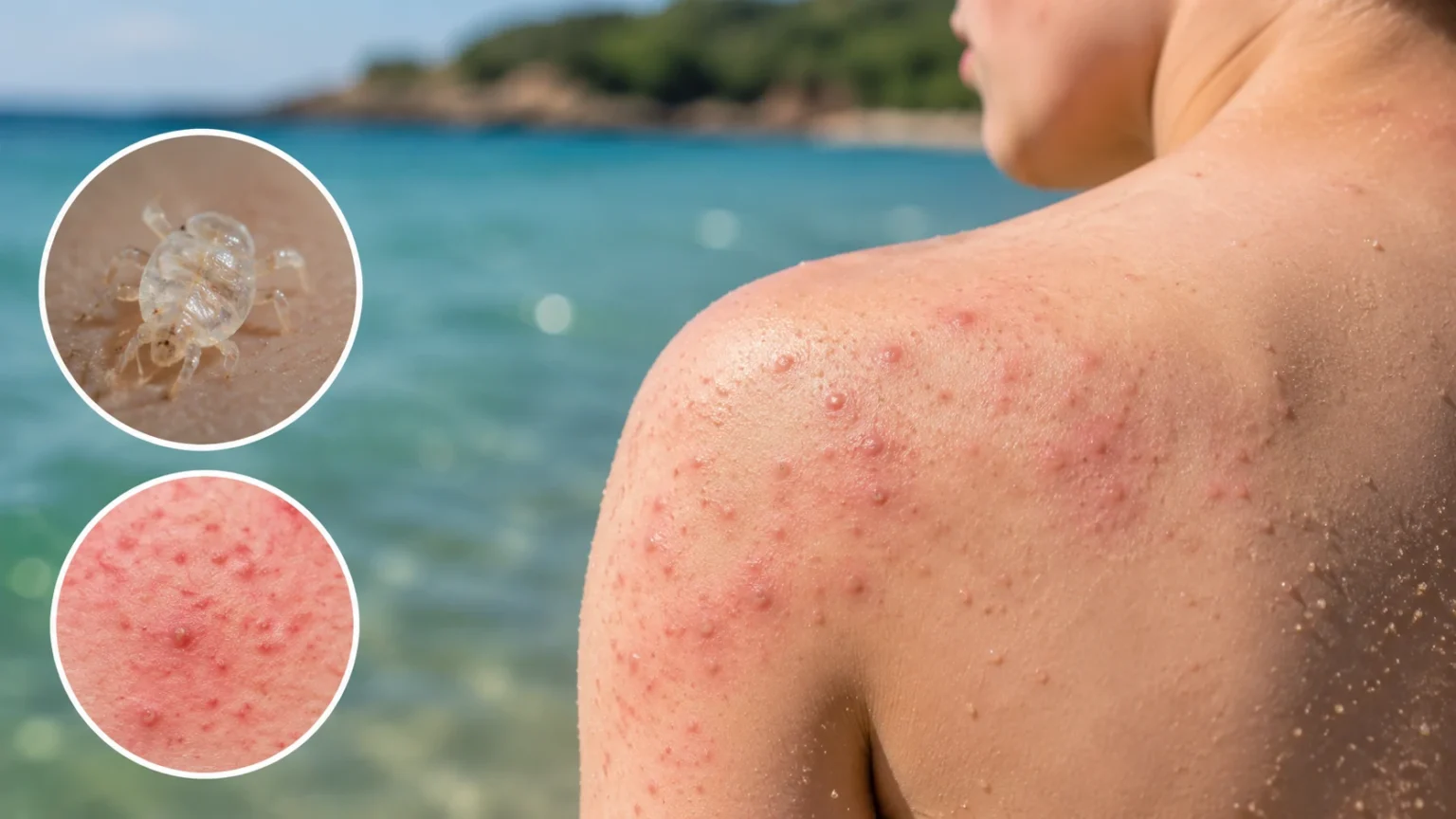
Sea Lice Rash: What It Looks Like and How to Get Relief
A sea lice rash can turn an enjoyable day at the beach into several uncomfortable days of itching, redness, and irritation. Despite the name, the condition is not caused by actual lice. The rash is more accurately known as seabather’s eruption, and it develops after contact with tiny marine organisms that release stinging cells against the skin. These organisms are often difficult or impossible to see in the water. For swimmers, the first sign may simply be intense itching after leaving the ocean.
The rash commonly develops beneath a swimsuit, where microscopic organisms or their stinging cells can become trapped close to the body. Tight bathing suits, waistbands, straps, and areas where fabric presses against skin tend to be affected most noticeably. Small red bumps may gradually appear, sometimes resembling insect bites, heat rash, or another allergic skin reaction. The itching can range from mildly irritating to extremely uncomfortable. Symptoms may become more noticeable several hours after swimming rather than immediately.
Sea lice rash is most often reported in warm coastal waters, especially during seasons when jellyfish larvae and other marine organisms are more abundant. However, the exact risk varies by location, weather conditions, currents, and marine activity. Children may experience particularly noticeable reactions because they spend longer periods swimming and may have more sensitive skin. Adults can develop the rash as well, even after swimming in an area they have visited many times without previous problems.
Most cases improve without serious complications, but treatment can make the itching and inflammation easier to manage. Removing contaminated swimwear, washing the skin properly, using soothing treatments, and avoiding scratching are usually the most important early steps. Some people may benefit from over-the-counter anti-itch medicines or topical products when symptoms are bothersome. More severe reactions, however, deserve medical attention rather than repeated home treatment.
Knowing how to recognize seabather’s eruption can also prevent unnecessary worry. Because people hear the phrase “sea lice,” they sometimes assume parasites are living or reproducing on their skin. That is not what happens. The reaction comes from stinging cells released by tiny marine organisms during or after ocean exposure. Understanding the cause makes treatment simpler and helps swimmers focus on reducing inflammation rather than trying inappropriate treatments designed for head lice or other parasites.
What Is Sea Lice Rash?
Sea lice rash is the common name used for seabather’s eruption, an itchy inflammatory skin reaction associated with exposure to microscopic marine organisms. In many affected coastal areas, the reaction is linked to the larval stages of certain jellyfish or related cnidarians. These larvae contain specialized stinging structures known as nematocysts. When the structures are triggered against the skin, they release substances capable of causing irritation and inflammation. The resulting reaction can look like clusters of small red bumps.
The condition has nothing to do with the lice that infest human hair or clothing. Marine biologists also use the term “sea lice” for certain crustacean parasites that affect fish, adding even more confusion around the name. The rash experienced by swimmers is generally associated with stinging marine larvae rather than a human parasite infestation. You cannot usually see the organisms attached to the skin after the reaction begins. There is therefore nothing that needs to be removed in the way head lice or ticks would be removed.
One reason the condition can be confusing is that symptoms frequently appear where a swimsuit covers the body. Tiny larvae may become trapped between wet fabric and the skin while a person is swimming. Pressure from straps, sitting on the swimsuit, or rubbing the fabric may trigger additional stinging cells. This is why the chest, abdomen, buttocks, groin, and areas underneath swimsuit straps may develop more bumps than uncovered areas. Hair can sometimes trap organisms as well.
The rash is generally considered a reaction to the venom released by these tiny stinging structures. Individual sensitivity plays an important role in how severe the symptoms become. Two people swimming in the same water may therefore have completely different experiences. One may develop only a few itchy bumps, while the other experiences widespread redness and intense itching. Previous exposure may also influence how strongly someone’s immune system reacts.
Sea lice rash is usually self-limited, meaning it tends to resolve as the inflammatory reaction settles. The organisms do not continue living in the skin, and the condition is not normally contagious. Someone with seabather’s eruption cannot generally pass the rash to family members through touching, sharing a bed, or living in the same household. The practical concerns are therefore managing the skin reaction, avoiding secondary irritation, and recognizing symptoms that may indicate a more serious allergic response.
What Does a Sea Lice Rash Look and Feel Like?
The most recognizable symptom is an itchy rash made up of small red or pink bumps. Some bumps may appear as tiny raised papules, while others can look more like small welts or spots similar to insect bites. In stronger reactions, the bumps may become closely grouped together and appear more inflamed. The exact appearance varies according to skin tone, sensitivity, and how much exposure occurred. On darker skin, redness may be less obvious while raised texture and irritation remain noticeable.
Itching is often the symptom people remember most clearly. The sensation may begin while swimming, shortly after leaving the water, or several hours later. Some swimmers initially notice a tingling or prickling feeling before the rash becomes visible. Once the reaction develops, warmth, sweating, friction, and tight clothing may make itching feel worse. Scratching can provide temporary relief but often increases inflammation and can damage the skin barrier.
A useful clue is the location of the rash. Seabather’s eruption commonly appears underneath a bathing suit or around areas where wet swimwear fits tightly. The waistband, chest, buttocks, upper thighs, and swimsuit straps may be especially affected. Rash can also occur in areas where hair traps marine organisms close to the skin. Unlike some jellyfish stings that create long linear marks on exposed skin, sea lice rash typically produces multiple small bumps.
Symptoms do not always peak immediately. Some people notice only mild irritation after swimming and develop much stronger itching later that evening or the following day. The rash may continue to bother the skin for several days and occasionally longer in more sensitive individuals. Repeated scratching can prolong discomfort even after the original inflammatory reaction has begun settling. This delayed pattern sometimes makes people forget that ocean swimming was the trigger.
A sea lice rash can resemble several other skin problems, including heat rash, swimmer’s itch, contact dermatitis, folliculitis, insect bites, or allergic reactions. Location and exposure history are therefore important. A rash that appeared after ocean swimming and is concentrated underneath a swimsuit strongly suggests seabather’s eruption. However, an unusual, painful, infected, or persistent rash should be assessed by a healthcare professional rather than diagnosed only from appearance.
What Causes Sea Lice Rash After Swimming?
Sea lice rash begins when the skin comes into contact with microscopic marine organisms capable of releasing stinging cells. Jellyfish larvae and related organisms are common culprits in areas where seabather’s eruption occurs. Their extremely small size allows them to pass through or become trapped inside swimsuit fabric. The swimmer may therefore have no idea that exposure is occurring. Clear-looking ocean water does not necessarily mean these tiny organisms are absent.
The stinging structures can remain active when trapped against the body. Pressure, friction, changes in water conditions, or drying may trigger them to release venom into the skin. A tight swimsuit creates an ideal environment for repeated contact, which explains why covered skin can sometimes be affected more severely than uncovered skin. Sitting in a wet swimsuit after swimming may increase the opportunity for further irritation. Removing the suit promptly can therefore be an important preventive step.
Season also plays a role. Populations of jellyfish and their larvae fluctuate throughout the year according to water temperature, currents, reproduction, wind patterns, and other environmental conditions. In some coastal regions, seabather’s eruption occurs more frequently during warmer months. Local beach warnings can be helpful because lifeguards and health authorities may recognize periods when marine stinging organisms are unusually abundant. Risk can change quickly from one beach or day to another.
Not everyone exposed develops the same reaction. The body’s immune response influences the intensity of symptoms, meaning some people are simply more sensitive than others. Previous encounters may sometimes lead to stronger reactions during later exposure. Children can also appear more severely affected because of sensitive skin and longer periods of water play. The amount of time spent swimming and the type of swimwear may further influence how many organisms become trapped.
Freshwater exposure involves different causes. A condition commonly called swimmer’s itch, for example, is caused by microscopic parasites associated with birds and snails and usually affects exposed skin after swimming in freshwater or sometimes coastal environments. Sea lice rash, by contrast, commonly concentrates beneath swimwear after exposure to marine stinging organisms. Understanding this difference is useful because people often use the terms interchangeably even though their biological causes are not the same.
How Long Does Sea Lice Rash Last?
For many people, sea lice rash begins improving within several days. Mild cases may settle relatively quickly once exposure stops and the skin is no longer being irritated by wet swimwear. Itching may be strongest during the first day or two before gradually becoming easier to tolerate. Red bumps can sometimes remain visible after the most intense itching has disappeared. Skin sensitivity and the amount of exposure influence how quickly symptoms resolve.
Moderate reactions can last around one to two weeks in some people. This does not necessarily mean the organism remains present in the skin. Instead, the immune system may continue reacting to substances released during the original exposure. Scratching, rubbing, or applying irritating products can also keep the area inflamed. Protecting the skin from additional trauma can therefore help the rash settle more comfortably.
Children may experience symptoms for a similar period, although the rash can feel more disruptive because young children may struggle not to scratch. Keeping fingernails short and using age-appropriate soothing treatments can help reduce skin damage. Parents should pay attention to signs of infection, especially if scratching creates open areas. Increasing pain, warmth, swelling, pus, or spreading redness can suggest that damaged skin has become infected and deserves professional assessment.
Persistent rash should not automatically be assumed to be seabather’s eruption. If bumps remain for several weeks, worsen instead of improving, or continue appearing without further ocean exposure, another skin condition may be responsible. Folliculitis, eczema, allergic contact dermatitis, fungal infections, and other rashes can sometimes look similar. A clinician can examine the skin and consider whether another diagnosis better explains the ongoing symptoms.
The speed of recovery also depends on whether the original swimsuit continues causing re-exposure. Stinging cells may remain within fabric after the swimmer leaves the water. Wearing the same unwashed suit again can potentially trigger further irritation. Swimwear should therefore be thoroughly washed before it is reused. This simple step can prevent people from thinking that their rash is mysteriously returning when the original contaminated clothing may be contributing to the problem.
Sea Lice Rash Treatment: What Helps the Itching?
The first priority after suspected exposure is to remove the swimsuit and change into dry clothing. Remaining in wet swimwear can keep microscopic stinging material pressed against the skin and may worsen irritation. Avoid aggressively rubbing the affected areas while removing clothing. Once the swimsuit is off, it should be washed before being worn again. Treating the clothing as part of the problem is often just as important as treating the skin itself.
For mild cases, cool compresses can provide useful temporary relief from itching and inflammation. Apply a clean, cool, damp cloth to uncomfortable areas for short periods throughout the day. Avoid extremely hot showers because heat can make itching feel more intense for some people. A gentle bath may also be soothing if the skin is widespread and irritated. The main objective is to calm the skin rather than scrub away the rash.
Over-the-counter anti-itch treatments may help when symptoms are bothersome. A mild topical corticosteroid such as hydrocortisone is sometimes used to reduce inflammation and itching when appropriate for the person and affected body area. Oral antihistamines may also reduce itching for some individuals. Product directions and age restrictions should always be followed carefully. Anyone with underlying medical conditions, pregnancy, or medication concerns should ask a healthcare professional or pharmacist before using unfamiliar medicines.
Calamine lotion or other gentle soothing preparations can sometimes reduce discomfort, particularly when the skin feels hot and irritated. Fragrance-heavy lotions, essential oils, strong antiseptics, or aggressive exfoliating products are usually poor choices because already inflamed skin can react to additional chemicals. Keep skincare simple until the rash begins settling. A bland moisturizer may help if the skin becomes dry from washing or repeated use of anti-itch products.
Most importantly, avoid scratching whenever possible. Repeated scratching creates microscopic injuries in the skin and increases the risk of bacterial infection. If itching becomes severe enough to interrupt sleep, cover the area with loose, breathable clothing and consider discussing stronger symptom control with a healthcare professional. Treatment should make the reaction progressively easier to manage. Rapidly worsening symptoms, severe swelling, or symptoms beyond the skin require more urgent evaluation.
What Should You Avoid Doing With a Sea Lice Rash?
One common mistake is assuming the rash needs head-lice treatment. Products formulated to kill lice living in human hair will not address seabather’s eruption because no lice are living on the body. Applying unnecessary pesticide-based lice products could irritate already inflamed skin and make symptoms worse. The word “lice” in the popular name is misleading. Treatment should focus on calming the inflammatory skin reaction rather than trying to kill a nonexistent skin infestation.
Avoid scratching the bumps even when they are intensely itchy. Fingernails can damage the skin and introduce bacteria, turning a temporary rash into a secondary skin infection. Children may need extra help with this because scratching can happen automatically during sleep. Keep nails trimmed and consider loose sleepwear that reduces direct access to affected areas. Cool compresses and appropriate anti-itch products can make resisting the urge easier.
Do not continue wearing the swimsuit that may contain marine stinging cells. Even after it dries, material trapped within the fabric may remain irritating. Wash the bathing suit thoroughly according to its care instructions before wearing it again. Simply rinsing quickly while still wearing the suit may not be enough and can sometimes trigger additional stinging. Changing out of wet swimwear promptly after every ocean swim is a useful habit even when no rash is visible.
Harsh home remedies should also be avoided. Bleach, alcohol, undiluted essential oils, abrasive scrubs, and highly concentrated acidic substances can damage the skin barrier and intensify inflammation. Online advice about marine stings is especially confusing because treatments appropriate for one species may not be suitable for another. For seabather’s eruption, gentle symptom relief is generally more sensible than repeatedly applying strong chemicals in an attempt to neutralize the reaction.
Finally, do not ignore symptoms that suggest something more serious than a localized rash. Breathing difficulty, facial swelling, faintness, severe weakness, widespread hives, or significant systemic symptoms require urgent medical attention. A rash that becomes increasingly painful, warm, swollen, or filled with pus may also need treatment for infection. Home treatment is appropriate for many mild cases, but knowing when the situation has moved beyond routine skin irritation is equally important.
How to Prevent Sea Lice Rash at the Beach
Prevention begins with paying attention to local beach conditions. If lifeguards, health departments, or beach authorities report jellyfish larvae or seabather’s eruption, avoiding ocean swimming is the most reliable way to reduce exposure. Warning signs should not be ignored simply because the water looks clear. The organisms responsible can be microscopic, so visual inspection of the water is not enough to determine whether swimming is safe.
The type of swimwear you choose can also influence exposure. Large amounts of fabric can trap tiny organisms against the skin, particularly when the material fits tightly. This does not necessarily mean everyone should switch to minimal swimwear, but it does mean wet clothing should be removed promptly after leaving the water. Rash guards and other protective garments may offer benefits against sun exposure, yet marine larvae can sometimes become trapped underneath them as well.
Do not sit around for long periods in a wet swimsuit after swimming. Change into clean, dry clothing as soon as practical. The longer contaminated fabric remains pressed against the body, the greater the opportunity for stinging cells to be triggered. This habit can also reduce other problems associated with remaining in damp clothing. Pack a dry change of clothes when spending several hours at the beach so changing does not require leaving early.
After swimming, follow local guidance for rinsing and cleaning because different marine stings can respond differently to freshwater exposure. Once the swimsuit has been removed, shower and clean the body without vigorous scrubbing. Wash swimwear thoroughly before using it again. If several members of a group develop similar swimsuit-area rashes after swimming at the same beach, consider avoiding that area until marine conditions change.
People who have experienced strong reactions before may want to take additional precautions during seasons when seabather’s eruption is common. Check local beach reports, shorten ocean swimming sessions, and bring appropriate skin-care supplies when traveling to affected coastal areas. Prevention cannot eliminate every possible exposure because the organisms are difficult to detect. However, awareness of seasonal conditions and quick removal of wet swimwear can significantly improve your chances of avoiding a severe reaction.
Sea Lice Rash vs Jellyfish Sting: What Is the Difference?
Sea lice rash and a typical jellyfish sting are related in the sense that both may involve stinging cells produced by cnidarians. However, their appearance and exposure pattern can be quite different. A conventional jellyfish sting usually occurs after direct contact with tentacles and often produces immediate burning, pain, or linear welts on exposed skin. Seabather’s eruption commonly comes from microscopic larval organisms and produces multiple itchy bumps, often underneath a swimsuit.
Timing can offer another clue. Many jellyfish stings cause pain almost immediately after contact, making the swimmer aware that something has happened. Sea lice rash may initially cause only mild tingling and become noticeably itchy hours later. A swimmer may therefore leave the beach without realizing an exposure occurred. The delayed reaction is one reason seabather’s eruption is sometimes confused with an allergic rash or insect bites discovered later in the day.
Location is equally useful. Long, whip-like marks or clearly defined areas of burning on exposed arms or legs may fit a typical jellyfish sting more closely. Clusters of itchy papules beneath swimsuit fabric are more characteristic of seabather’s eruption. These are general patterns rather than absolute rules. Different marine species produce different reactions, and skin sensitivity can considerably alter what a sting looks like.
Treatment advice also differs depending on the marine organism involved, which is why identifying the likely exposure matters. First-aid recommendations for jellyfish stings can vary according to species and geographic location. Applying a remedy recommended for one type of jellyfish to an unknown sting may not always be appropriate. When a beach has known jellyfish activity, local lifeguards or emergency personnel can often provide the most relevant first-aid advice.
If you are uncertain whether you have a sea lice rash, jellyfish sting, or another skin problem, consider the circumstances rather than relying solely on photos online. Think about whether pain or itching started immediately, where the rash developed, whether it is concentrated beneath clothing, and whether other swimmers were affected. Severe pain, extensive blistering, breathing problems, or rapidly worsening symptoms warrant professional medical assessment regardless of the exact marine organism involved.
When Should You See a Doctor for Sea Lice Rash?
Most mild cases of seabather’s eruption can be managed at home, but medical attention is appropriate when symptoms are unusually severe. Extensive swelling, widespread rash, intense pain, severe itching that cannot be controlled, or symptoms that interfere significantly with sleep may justify professional evaluation. A doctor can determine whether prescription-strength anti-inflammatory treatment is appropriate and rule out other conditions that may resemble sea lice rash.
Seek urgent medical care if the reaction includes difficulty breathing, swelling of the tongue or throat, faintness, confusion, or rapidly spreading hives. These symptoms can indicate a serious allergic reaction rather than a simple localized rash. Emergency symptoms should not be treated by waiting to see whether an antihistamine eventually works. Prompt assessment is especially important for children and anyone with a history of severe allergic reactions.
Signs of bacterial infection also deserve attention. Scratched bumps can become infected when bacteria enter damaged skin. Increasing redness, warmth, tenderness, swelling, pus, crusting, or fever may suggest infection rather than ordinary healing. A rash that initially improves and then suddenly becomes painful or more inflamed should also be evaluated. Early treatment of skin infection can prevent the problem from becoming more complicated.
Persistent symptoms are another reason to seek advice. If the rash does not begin improving within a reasonable period, continues for several weeks, or repeatedly returns despite avoiding the ocean, seabather’s eruption may not be the correct diagnosis. Other skin conditions can produce similar-looking bumps and itching. A dermatologist or primary care clinician can examine the distribution and appearance of the rash and recommend more targeted treatment.
Parents should also consider medical advice when a young child develops a widespread reaction, fever, extreme irritability, or difficulty sleeping because of itching. Children may scratch aggressively and have difficulty explaining symptoms such as dizziness or breathing discomfort. When in doubt, professional assessment is safer than repeatedly trying different creams. Most sea lice rashes remain mild, but recognizing the exceptions is an important part of appropriate care.
Conclusion: Managing Sea Lice Rash Without the Panic
Sea lice rash can be extremely uncomfortable, but it is usually more irritating than dangerous. The condition is caused by microscopic marine organisms with stinging cells rather than actual lice living on your skin. This distinction immediately eliminates many unnecessary treatments and worries. If itchy red bumps appear underneath your swimsuit after ocean swimming, seabather’s eruption is one possible explanation, especially when similar cases have recently been reported locally.
The most useful early response is straightforward. Remove wet swimwear, clean the skin gently, wash the bathing suit before wearing it again, and avoid scratching. Cool compresses and appropriate over-the-counter anti-itch treatments may make mild symptoms easier to tolerate. Most reactions gradually improve once exposure stops. Using simple skin care instead of harsh home remedies also reduces the chance of causing additional irritation.
Prevention matters because microscopic marine larvae are difficult to see before they cause trouble. Pay attention to beach warnings, particularly during warm seasons when local outbreaks may be more common. Change out of wet swimwear promptly and avoid remaining in contaminated clothing after swimming. These habits cannot guarantee that seabather’s eruption will never occur, but they can reduce prolonged exposure to stinging material.
It is also important to recognize when the rash does not fit the usual pattern. Significant pain, infection, severe swelling, breathing difficulty, widespread hives, or symptoms that continue worsening need medical assessment. A persistent rash may also have another cause entirely. Treating every post-swimming skin problem as “sea lice” can delay the correct diagnosis when conditions such as dermatitis, folliculitis, swimmer’s itch, or another marine sting are responsible.
For most beachgoers, sea lice rash is a temporary problem that resolves with sensible care and a little patience. Understanding why it occurs makes it much easier to respond calmly the next time itchy bumps appear after an ocean swim. Focus on reducing inflammation, protecting the skin, and preventing repeat exposure rather than searching for a way to remove imaginary lice. With those basics in place, most people can return to enjoying the beach without lasting problems.
Frequently Asked Questions
Is sea lice rash contagious?
No. Sea lice rash is generally a reaction to stinging marine organisms and is not spread from one person to another through normal contact, clothing, or bedding.
How long does sea lice rash usually last?
Mild cases often improve within several days, although itching and bumps may sometimes persist for one to two weeks. Severe or unusually persistent symptoms should be medically evaluated.
Can you get rid of sea lice rash overnight?
There is no guaranteed overnight cure, but removing contaminated swimwear, using cool compresses, and treating itching appropriately can make symptoms much more comfortable while the reaction settles.
Does sea lice rash spread on your body?
The organisms do not usually reproduce or spread across your skin. New-looking bumps may appear as the delayed inflammatory reaction develops in areas that were exposed during swimming.
Can you swim again after getting sea lice rash?
It is best to avoid the affected water while local marine conditions remain risky and until irritated skin has recovered. Re-exposure may trigger another reaction or make existing symptoms worse.