


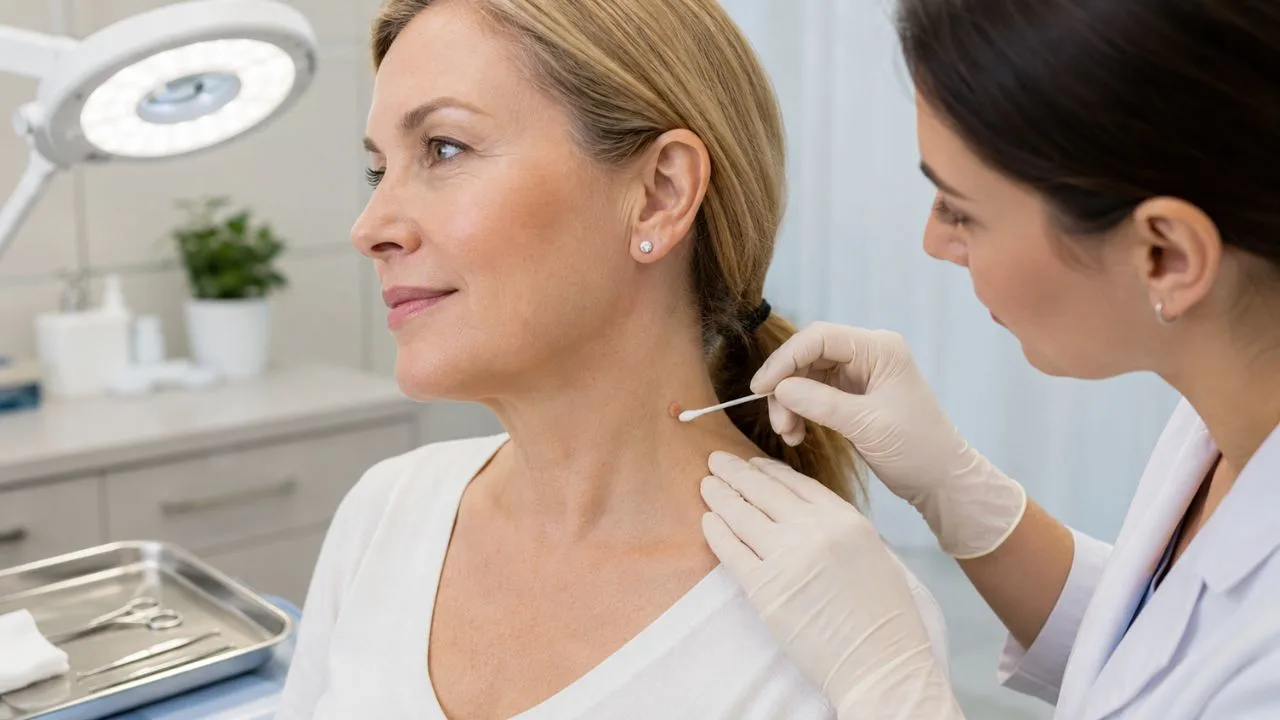
Skin Tag Removal: Safe Options You Should Know Today
Skin tags are soft, harmless growths that commonly appear on the neck, underarms, eyelids, groin, and other areas where skin repeatedly rubs against skin or clothing. They may be small and flat or hang from the surface on a narrow stalk.
Most skin tags do not require treatment because they are benign and usually cause no health problems. However, people may consider skin tag removal when a growth catches on jewelry, becomes irritated by clothing, bleeds after shaving, or affects their confidence.
Although removing a tiny skin tag may seem simple, treating an unidentified growth at home can be risky. Moles, warts, seborrheic keratoses, and certain skin cancers may sometimes be mistaken for skin tags, especially when someone relies only on online photographs.
The safest first step is confirming what the growth actually is. This guide explains professional skin tag removal methods, healing expectations, possible costs, home treatments to avoid, and warning signs that should be examined by a healthcare professional.
What Is a Skin Tag?
A skin tag is a small, noncancerous growth made from skin fibers, collagen, nerve cells, fat cells, and blood vessels. Its medical name is acrochordon, although healthcare professionals may also call it a fibroepithelial polyp.
Skin tags are usually soft and smooth or slightly wrinkled. They may match the surrounding skin, appear slightly darker, or become red and swollen after repeated rubbing, twisting, or accidental injury.
Many develop on a thin stalk known as a peduncle, which allows the growth to hang from the skin. Others have a broader base and may be harder to distinguish from moles, warts, or other raised lesions.
Skin tags are not contagious and cannot spread from one person to another. Unlike viral warts, they are not caused by touching an infected surface or sharing personal items with someone who has them.
Where Do Skin Tags Commonly Appear?
The neck is one of the most common places for skin tags because shirt collars, necklaces, and natural skin folds create repeated friction. Small tags may also develop beneath the chin or near the hairline.
Underarm skin tags are common because the area experiences warmth, moisture, shaving, deodorant use, and frequent skin-to-skin contact. They may become tender when caught by a razor or pulled by tight clothing.
Skin tags can also form beneath the breasts, around the groin, along the inner thighs, and within abdominal folds. These locations commonly experience rubbing during walking, exercise, or everyday movement.
Eyelid skin tags may develop near the lash line or within an eyelid crease. Because this area is delicate and close to the eye, removal should always be handled by an appropriately trained medical professional.
Why Do Skin Tags Develop?
The exact cause of every skin tag is not fully understood, but friction appears to play an important role. This helps explain why the growths frequently develop in skin folds and areas rubbed by clothing or accessories.
Skin tags become more common with age and are often seen during adulthood. Genetics may also influence risk, as some people develop many tags even when their weight, clothing, and skin-care habits are similar to those of others.
Pregnancy-related hormonal and physical changes may contribute to new skin tags. Some shrink after delivery, while others remain unless they are professionally removed or naturally lose their blood supply.
Skin tags are also more common among people with obesity, insulin resistance, or diabetes. Having one or two tags does not prove that someone has a metabolic condition, but numerous new growths may be worth discussing during a routine health check.
How to Recognize a Typical Skin Tag
A typical skin tag feels soft and flexible rather than hard or firmly fixed beneath the skin. It often moves slightly when touched and may hang from a thin piece of tissue.
Most skin tags grow slowly and remain small. They may be only a few millimeters wide, although some become larger, particularly in areas exposed to ongoing rubbing or pressure.
A skin tag usually does not hurt unless it becomes twisted, inflamed, cut, or caught on an object. Sudden pain may occur if the stalk twists and interrupts the growth’s blood supply.
Appearance alone cannot provide a certain diagnosis. A healthcare professional may need to examine a dark, unusually firm, rapidly growing, bleeding, or irregular lesion before deciding whether ordinary skin tag treatment is appropriate.
Skin Tags vs. Warts and Moles
Warts are caused by certain strains of human papillomavirus and often have a rough or grainy surface. They may spread to other locations through contact, unlike noncontagious skin tags.
Moles are collections of pigment-producing cells and may be flat or raised. Their colors range from skin-toned and pink to brown, blue, or black, making some raised moles easy to confuse with darker skin tags.
Seborrheic keratoses are harmless growths that often look waxy, crusted, or stuck onto the skin. They become more common with age and may resemble warts, moles, or unusually broad skin tags.
Skin cancers can occasionally appear as small bumps or changing growths. For this reason, you should not burn, freeze, cut, or chemically treat a lesion when its identity is uncertain.
Does a Skin Tag Need to Be Removed?
A confirmed skin tag does not need removal when it is painless, stable, and not causing irritation. Leaving it alone is often the safest and simplest option.
Removal may be reasonable if the tag repeatedly catches on a necklace, bra strap, collar, razor, or other object. Ongoing trauma can lead to tenderness, crusting, bleeding, or inflammation.
Some people request cosmetic skin tag removal because the growth affects how they feel about their appearance. Cosmetic concerns are valid, although insurance may not cover treatment performed only for appearance.
A dermatologist can help determine whether removal is suitable and which method is likely to produce the best result. Size, location, skin tone, bleeding risk, and tendency to scar may influence the recommendation.
1. Snip Excision
Snip excision involves cutting the skin tag at its base with sterile medical scissors or a surgical blade. It is commonly used for tags that hang from a narrow stalk.
The area may be cleaned and numbed before removal, particularly when the growth is large or located in a sensitive place. Very small tags may require little or no injectable anesthetic.
A healthcare professional can control bleeding immediately using pressure, medication, or cautery. This is one major advantage over attempting to cut a skin tag with household scissors or nail clippers.
The treated site may develop a small scab and usually heals gradually. Larger tags or wider bases may leave a small mark, while tiny growths often heal with minimal visible change.
2. Cryotherapy
Cryotherapy removes a skin tag by applying an extremely cold substance, commonly liquid nitrogen. The treatment freezes the tissue so that it becomes damaged and eventually falls away.
The area may sting, burn, or ache briefly during and after treatment. A blister, swelling, crust, or temporary color change can develop as the frozen tissue heals.
The skin tag may not disappear immediately. It often darkens, shrinks, and separates over several days or weeks, depending on its size and the depth of treatment.
Cryotherapy must be carefully controlled, especially on darker skin tones, thin skin, or highly visible locations. Excessive freezing can injure surrounding tissue and increase the risk of scarring or long-lasting color changes.
3. Electrosurgery and Cauterization
Electrosurgery uses controlled electrical energy to heat and destroy skin tag tissue. Cauterization may also seal small blood vessels, helping reduce bleeding during removal.
The healthcare professional usually numbs the area first and carefully treats the growth at its base. The exact technique depends on the tag’s size, shape, and location.
A small crust generally forms after treatment and falls away as new skin develops underneath. Picking the crust can delay healing and increase the possibility of infection or scarring.
Temporary redness, tenderness, or pigmentation changes may occur. Proper technique is particularly important near the eyes, genitals, and areas where nerves or blood vessels are close to the skin.
4. Medical Ligation
Ligation removes a skin tag by tightly restricting blood flow through its stalk. Without a blood supply, the growth gradually darkens, dries, and falls off.
A clinician may use sterile surgical thread or another medically appropriate method for selected tags. Ligation is generally suitable only when the growth has a clearly defined, narrow stalk.
The process may take several days rather than producing immediate removal. Mild tenderness can occur as the tissue changes, but significant swelling or severe pain should be assessed.
Tying dental floss or thread around an unidentified growth at home is unsafe. The material may cut into healthy skin, introduce bacteria, cause uncontrolled pain, or trap infected tissue.
Which Removal Method Is Best?
There is no single best method for every skin tag. Snip removal may be quickest for a small stalked tag, while cryotherapy or electrosurgery may suit another location or growth shape.
The number of skin tags also matters. Removing one small tag is different from treating dozens across the neck, underarms, or body folds during one appointment.
Skin tone and healing history can influence treatment because freezing or heat may cause lighter or darker spots. People who develop thick scars may need additional discussion before a procedure.
A qualified professional will balance removal speed, discomfort, bleeding, scarring, location, and cosmetic outcome. The cheapest or fastest method is not always the safest choice for a particular growth.
Is Skin Tag Removal Painful?
Professional skin tag removal usually causes brief and manageable discomfort. The sensation may feel like a pinch, sting, heat, or cold pressure depending on the method used.
Local anesthetic may be applied or injected when the tag is large, the base is wide, or the location is sensitive. The numbing injection itself may sting briefly.
After treatment, the area can feel tender or irritated for a short period. Over-the-counter pain relief may be appropriate for some people, but medication choices should consider allergies and existing medical conditions.
Pain that becomes severe, throbbing, or steadily worse is not expected. It may indicate infection, tissue injury, excessive swelling, or another complication that requires professional attention.
What to Expect During Healing
Healing time depends on the skin tag’s size, removal technique, body location, and your individual skin response. Small sites may settle quickly, while larger treated areas need more time.
A minor scab, temporary redness, mild swelling, or slight tenderness can occur. Some methods also create a small blister or darkened area before the treated tissue separates.
Keep the area clean and follow the specific wound-care instructions provided after treatment. You may be advised to use petroleum jelly and a small dressing until the surface closes.
Avoid scratching, picking, shaving directly over the wound, or repeatedly applying strong antiseptics. Disturbing the healing surface can restart bleeding and make a noticeable scar more likely.
Skin Tag Removal Aftercare
Wash your hands before cleaning or touching the treated site. Use gentle soap and clean water unless your healthcare professional recommends a different wound-care routine.
Pat the area dry rather than rubbing it with a rough towel. Apply any recommended ointment in a thin layer and replace the dressing when it becomes wet or dirty.
Protect the healing skin from unnecessary friction caused by tight collars, jewelry, straps, or exercise clothing. Reducing repeated pressure can make recovery more comfortable.
Once the wound has closed, sun protection may help prevent a temporary dark mark from becoming more noticeable. This is particularly useful for removal sites on the neck, face, or other exposed areas.
Possible Risks and Complications
Bleeding is possible because skin tags contain small blood vessels. Professional removal allows bleeding to be controlled using sterile equipment, pressure, and appropriate medical techniques.
Infection can develop if bacteria enter the wound. Warning signs include increasing pain, warmth, swelling, spreading redness or discoloration, pus, fever, or an unpleasant odor.
Every removal method can leave a scar or pigmentation change. The risk may be greater with larger growths, aggressive home treatment, deep freezing, repeated irritation, or a personal tendency to scar.
A more serious risk is treating the wrong diagnosis. Destroying a suspicious lesion at home may prevent proper examination and delay the diagnosis of skin cancer or another condition.
Why Cutting Skin Tags at Home Is Risky
Using scissors, razors, nail clippers, or blades can cause more bleeding than expected. A growth that looks tiny from the surface may have a wider blood supply at its base.
Household cutting tools are not sterile surgical instruments. Even when cleaned with alcohol, they may introduce bacteria into the wound and cause a painful infection.
Home cutting can also damage nearby skin, nerves, or sensitive structures. The danger is particularly high around the eyelids, genitals, anus, neck, and other areas that are difficult to see clearly.
Most importantly, self-cutting assumes that the growth is definitely a skin tag. A professional examination is safer than accidentally cutting a mole, wart, blood-vessel growth, or skin cancer.
Why Wart Removers Should Not Be Used
Wart removers often contain salicylic acid designed to break down thick wart tissue. Skin tags have a different structure and should not automatically be treated with the same product.
Strong acid can burn healthy skin surrounding a small tag. The result may include open wounds, prolonged pain, pigmentation changes, infection, or permanent scarring.
Products should never be applied to the eyelids, face, genitals, or other sensitive areas unless their label specifically permits that use and a clinician has confirmed the diagnosis.
Even when a package claims to treat multiple growths, carefully review its regulatory status and instructions. Marketing language does not guarantee that the product is appropriate for every raised spot.
Apple Cider Vinegar and Other Home Remedies
Apple cider vinegar is commonly promoted as a natural skin tag remover because its acidity may damage tissue. However, it can also cause chemical burns to healthy surrounding skin.
Tea tree oil, iodine, garlic, toothpaste, banana peel, baking soda, and essential oils are also discussed online. Evidence for safe and predictable removal with these approaches is limited.
Repeatedly covering a growth with irritating substances can produce inflammation that resembles treatment success. Damaged tissue may become painful, infected, discolored, or permanently scarred.
Natural does not mean harmless. A professionally diagnosed skin tag can often be removed quickly, while correcting a deep chemical burn may require weeks of wound care.
Are At-Home Freezing Kits Safe?
Some consumer freezing devices are marketed for skin tags or warts, but product types, instructions, and regulatory status vary. Not every kit is intended for every growth or body area.
A home device may freeze surrounding healthy tissue if the applicator is poorly positioned or held against the skin too long. This can create blistering, burns, scars, and color changes.
Do not use freezing treatments near the eyes, genitals, or on a growth that is dark, bleeding, changing, unusually large, or difficult to identify. Diabetes, circulation problems, and reduced sensation can also increase treatment risk.
Professional cryotherapy provides greater control over treatment depth and placement. It also allows the clinician to confirm that freezing is appropriate before destroying the lesion.
Skin Tag Removal on the Eyelid
Eyelid skin tags can affect appearance, rub against the eye, or interfere with vision when they become large. The tissue surrounding the eye is thin and highly sensitive.
Do not cut, burn, tie, freeze, or apply chemicals to an eyelid growth at home. Accidental exposure can injure the eyelid, cornea, tear duct, or surrounding eye structures.
Removal may be performed by a dermatologist, ophthalmologist, or another appropriately trained professional. The best provider depends on the tag’s exact location and its relationship to the eye.
Seek assessment promptly when an eyelid growth bleeds, changes color, damages eyelashes, affects vision, or forms a sore that will not heal. These features may require more than cosmetic removal.
Skin Tags in the Groin or Genital Area
Skin tags may form in the groin because moisture, friction, and skin folds create favorable conditions. They can become irritated during walking, exercise, shaving, or sexual activity.
Genital warts and other conditions may sometimes look similar to skin tags. A clinician should confirm the diagnosis before any growth in this area is removed.
Avoid acids, essential oils, freezing kits, cutting tools, or tight bands on genital skin. These treatments can cause severe pain, burns, bleeding, infection, and injury to delicate tissue.
Professional evaluation is especially important for multiple new growths, sores, discharge, itching, or lesions following sexual contact. Appropriate testing or different treatment may be necessary.
Can Skin Tags Grow Back?
A removed skin tag usually does not regrow from the same tissue when the entire growth is successfully treated. However, a small portion left behind may remain visible or develop again.
New skin tags can appear nearby because removal does not change the factors that contributed to their development. Friction, genetics, age, pregnancy, and metabolic factors may continue.
Removing one tag therefore does not permanently prevent every future growth. Some people naturally develop new tags throughout adulthood and occasionally return for additional treatment.
Do not repeatedly remove new growths without confirming their identity. Changes in number, appearance, or location may justify another skin examination rather than assuming every bump is identical.
Can Skin Tags Be Prevented?
There is no guaranteed method for preventing skin tags because age, hormones, genetics, and natural body shape cannot be completely controlled. Even people with little skin friction may develop them.
Reducing repeated rubbing may help in certain areas. Comfortable clothing, properly fitted undergarments, and protection from irritating necklaces or collars can reduce trauma to existing growths.
Managing body weight may reduce friction within some skin folds and support broader metabolic health. Weight loss should not be presented as a guaranteed way to eliminate tags that are already present.
People with many skin tags may consider discussing blood sugar and metabolic health during routine care, particularly when other risk factors are present. The tags alone do not provide a diabetes diagnosis.
How Much Does Skin Tag Removal Cost?
The cost varies according to the number, size, location, treatment method, clinic, and country. A single small tag is generally simpler to treat than many large growths.
Consultation fees, local anesthetic, pathology testing, and follow-up care may affect the final price. Eyelid or genital treatment may also require a specialist with additional expertise.
Health insurance may cover removal when a skin tag repeatedly bleeds, becomes painful, affects vision, or creates another documented medical problem. Purely cosmetic removal is often not covered.
Ask for a full estimate before treatment, including consultation and aftercare charges. Choosing a qualified professional is more important than selecting the lowest advertised price.
When a Skin Growth Needs Medical Attention
Arrange an examination when a supposed skin tag grows quickly, becomes hard, changes shape, develops several colors, or looks significantly different from your other growths.
Spontaneous bleeding, persistent crusting, an open sore, repeated pain, or a wound that does not heal also deserves attention. Do not repeatedly cover these symptoms with home remedies.
A growth should be checked when it appears firmly attached beneath the skin or has an irregular border. A new dark lesion in adulthood should not automatically be treated as a skin tag.
Seek prompt care when a treated area develops pus, fever, spreading inflammation, severe pain, or uncontrolled bleeding. Early medical attention can prevent a minor complication from becoming more serious.
Questions to Ask Before Removal
Ask the healthcare professional whether the growth is definitely a skin tag and whether any part should be sent for laboratory examination. Suspicious or unusual lesions may require a biopsy.
Discuss which removal method is recommended and why it suits the size, location, and shape of your growth. Understanding the procedure can help you prepare for healing.
Ask about possible pain, bleeding, scarring, pigmentation changes, and activity restrictions. People with darker skin tones or a history of raised scars may need specific advice.
Provide information about blood thinners, diabetes, bleeding conditions, allergies, pregnancy, immune problems, and previous wound-healing difficulties. These details may affect procedure planning and aftercare.
Final Thoughts
Skin tags are common, benign growths that usually do not need treatment. Removal is mainly considered when they become irritated, bleed after friction, interfere with daily activities, or create cosmetic concerns.
Safe skin tag removal options include snip excision, cryotherapy, electrosurgery, cauterization, and carefully selected medical ligation. The appropriate choice depends on the growth and the person receiving treatment.
Avoid cutting, tying, burning, or applying corrosive products to an unidentified growth at home. These methods can cause infection, uncontrolled bleeding, scarring, skin burns, and delayed diagnosis.
A dermatologist or another qualified healthcare professional can confirm the diagnosis and remove the growth under controlled conditions. This provides the best chance of a safe procedure and a satisfactory cosmetic result.
Frequently Asked Questions
What is the safest way to remove a skin tag?
The safest method is professional removal after the growth has been correctly identified. A dermatologist may use sterile snipping, cryotherapy, or electrosurgery.
Can I remove a skin tag at home?
Cutting, tying, burning, or chemically treating a skin tag at home can cause bleeding, infection, and scarring. It may also destroy a growth that needed medical examination.
Do skin tags fall off naturally?
Some twisted or irritated tags may lose their blood supply and fall off, but most remain in place. Do not intentionally twist or injure them to speed up removal.
Does skin tag removal leave a scar?
A small mark or pigmentation change is possible after any removal method. The risk depends on tag size, treatment type, location, healing, and individual skin response.
When should I worry about a skin tag?
Seek medical advice if it grows quickly, changes color, becomes hard, bleeds without injury, repeatedly hurts, or develops an irregular shape or nonhealing surface.