


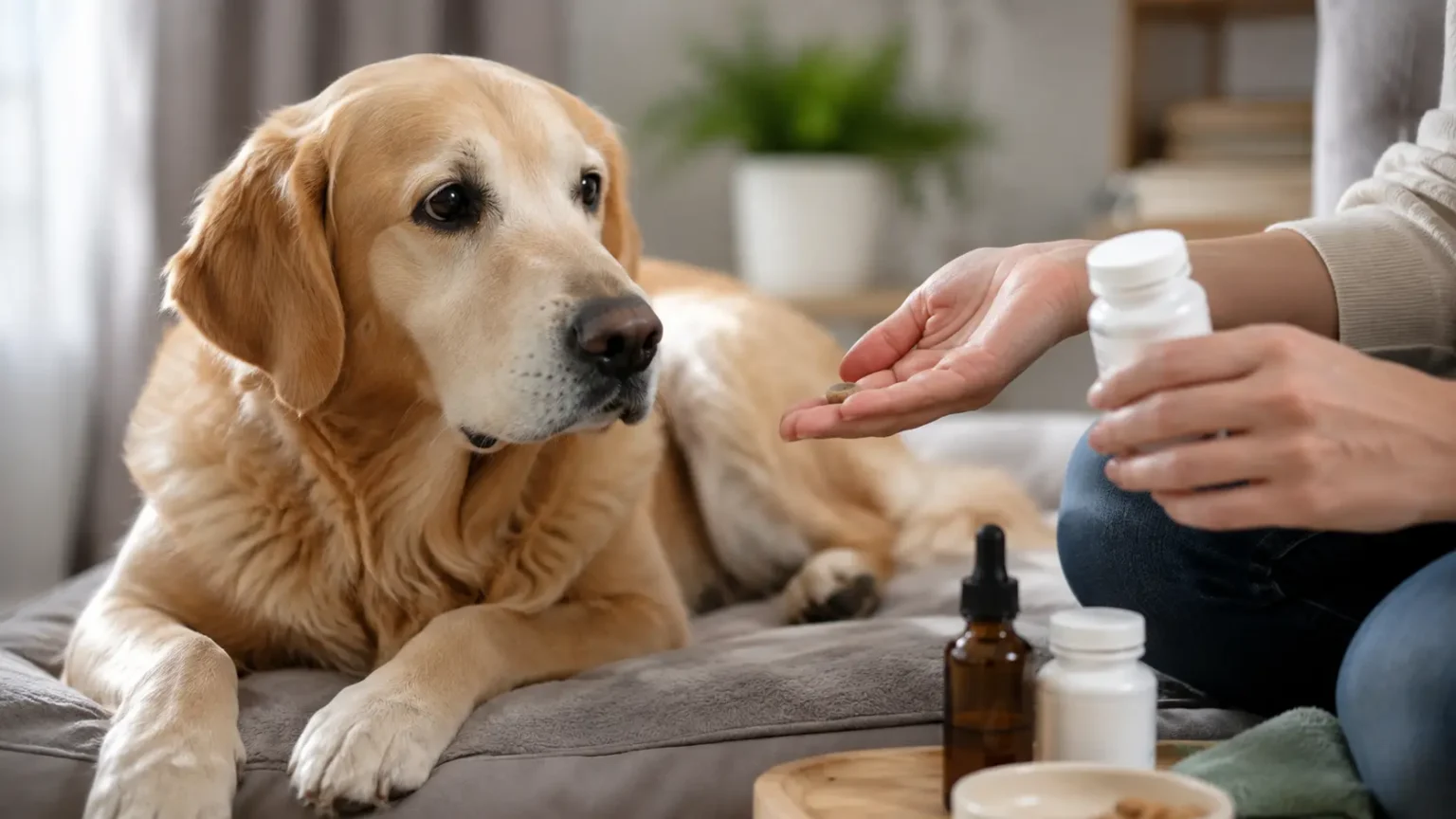
What Can You Give Dogs for Pain? Safe Options
When your dog is limping, moving slowly, or suddenly acting uncomfortable, your first instinct may be to look for something that will relieve the pain quickly. However, pain medication for dogs is not as simple as choosing a human painkiller from the medicine cabinet. Dogs process many medicines differently from people, and some common over-the-counter drugs can cause stomach ulcers, kidney injury, liver damage, or other serious problems. The safest pain relief depends on what is causing the discomfort, how severe it is, and your dog’s overall health. Veterinarians can prescribe several effective medications specifically used for canine pain management. Non-drug approaches may also help with certain chronic conditions when they are incorporated into a veterinarian-guided treatment plan.
There is no single best painkiller for every dog because arthritis pain, surgical pain, nerve pain, dental pain, injuries, and abdominal discomfort may require very different treatment strategies. A medication that works well for one condition might provide little benefit or create unnecessary risk for another. Age, weight, kidney function, liver health, hydration, existing diseases, and other medicines can all influence treatment decisions. For that reason, pet owners should avoid experimenting with leftover prescriptions or medicines intended for another animal. The most useful first step is identifying signs of discomfort and determining whether veterinary care is needed urgently. This guide explains what you can give dogs for pain, veterinarian-prescribed options, medicines to avoid, supportive home care, and warning signs that require immediate attention.
What Can You Give Dogs for Pain?
The safest answer to what you can give a dog for pain is usually a medication or treatment specifically recommended by a veterinarian for that individual dog. Veterinarians have access to several prescription pain relievers that can be selected according to the cause and severity of discomfort. Nonsteroidal anti-inflammatory drugs designed and approved for dogs are frequently used for osteoarthritis and certain forms of postoperative pain. Other medicines may be considered when nerve pain, severe acute pain, or chronic discomfort requires a different approach. Your veterinarian may also combine treatments rather than relying on a single drug. This multimodal pain management strategy attempts to control discomfort through several pathways while balancing effectiveness with possible side effects.
Veterinary NSAIDs are among the most commonly used options for dogs experiencing pain associated with inflammation. Depending on the dog’s condition and location, veterinarians may prescribe medicines containing active ingredients such as carprofen, deracoxib, firocoxib, meloxicam, grapiprant, or other veterinary-approved products. These medicines are not interchangeable simply because they belong to similar categories. Each has its own prescribing considerations, potential side effects, and appropriate uses. A veterinarian may recommend blood testing before beginning longer-term therapy, particularly for older dogs or animals with other health concerns. Continued monitoring can also be important because medications affecting inflammation may sometimes cause gastrointestinal, kidney, or liver problems. Owners should never increase, decrease, combine, or discontinue prescribed medicine without discussing the change with their veterinarian.
Other prescription medications may be used when NSAIDs alone do not adequately address the type of pain a dog is experiencing. Gabapentin, for example, is sometimes included in veterinary pain-management plans, particularly when nerve-related discomfort is suspected, although its usefulness varies by condition. Amantadine may occasionally be used as an additional medication in dogs with certain forms of chronic pain rather than as a stand-alone pain reliever. Veterinarians may use opioids or other potent analgesics for severe acute pain, surgery, hospitalization, or major injuries where stronger control is appropriate. Local anesthetic techniques can also reduce discomfort surrounding some procedures. The selection depends on clinical examination rather than simply how uncomfortable the dog appears. Different types of pain respond to different medicines, which is why diagnosis matters.
Medication is not the only thing that can help a dog in pain, especially when discomfort results from arthritis or another long-term musculoskeletal condition. Weight management can reduce unnecessary strain on painful joints and may significantly improve mobility in overweight dogs. Veterinary rehabilitation programs can include controlled exercises, strengthening activities, mobility work, and other techniques designed around the dog’s limitations. Comfortable bedding, non-slip flooring, ramps, and easier access to food or outdoor areas can reduce daily physical strain. Some dogs may benefit from veterinarian-recommended therapeutic modalities as part of a broader treatment program. These approaches usually work best when they complement medical treatment rather than replacing appropriate veterinary care. Chronic pain management often requires several small improvements working together consistently.
What you should not do is assume that a pain medicine safe for humans will also be safe for dogs. Ibuprofen, naproxen, and many other household medications can cause dangerous toxicity in pets. Acetaminophen also carries meaningful risks and should never be given unless a veterinarian specifically directs its use for that dog. Even aspirin, which people sometimes assume is a simple option for dogs, can produce complications and may interfere with other veterinary treatments. Giving leftover medication from another pet is equally risky because the dosage, medical history, and underlying condition may be different. When a dog appears painful, contact a veterinary professional before reaching into the household medicine cabinet. Safe pain control begins with identifying the problem rather than guessing at a medication.
How to Tell If Your Dog Is in Pain
Dogs cannot explain where something hurts, and many instinctively hide signs of discomfort until pain becomes more noticeable. Limping is an obvious sign, but canine pain can appear through much subtler behavioral changes. A normally active dog may become reluctant to climb stairs, jump onto furniture, enter the car, or walk as far as usual. Older dogs with joint pain may take longer to stand after sleeping or appear unusually stiff in the morning. Some dogs repeatedly shift position because they cannot get comfortable. Changes like these can develop gradually, making them easy to mistake for normal aging. Paying attention to changes from your dog’s usual behavior is often more useful than looking for one specific sign.
Changes in posture can also provide important clues that a dog is experiencing discomfort. A painful dog might keep its head lowered, arch its back, hold a limb differently, or distribute its weight unevenly while standing. Abdominal pain can sometimes cause a dog to appear tense, restless, or unwilling to lie normally. Dogs with neck or back discomfort may avoid turning their head or become hesitant when moving. Joint pain may create stiffness or a shortened walking stride rather than dramatic limping. Owners who regularly observe how their dogs normally walk, sit, sleep, and stand are more likely to notice these changes early. Recording a short video of unusual movement may also help a veterinarian understand intermittent symptoms.
Behavioral changes are another common sign of pain in dogs. A friendly animal may become withdrawn, irritable, unusually quiet, or resistant to being touched in certain areas. Some dogs seek extra attention when uncomfortable, while others hide or move away from family members. Growling, snapping, or guarding a painful area can occur even in dogs that normally have gentle temperaments. Pain may also interfere with sleep, causing nighttime restlessness or frequent changes in position. Reduced interest in play, walks, training, or other favorite activities can indicate that movement has become uncomfortable. These changes should not automatically be interpreted as stubbornness or aging. A sudden personality change deserves attention because physical discomfort may be contributing to the behavior.
Eating and grooming habits can sometimes reveal underlying pain as well. Dental pain may cause a dog to chew on one side, drop food, avoid hard treats, or approach the food bowl and then hesitate. Neck or back discomfort can make lowering the head toward a bowl uncomfortable. Pain elsewhere in the body may reduce appetite simply because the dog feels unwell. Excessive licking of one joint, paw, or body area can sometimes indicate localized discomfort, although skin problems can cause similar behavior. Dogs may also pant when they are not hot or physically active, particularly when pain is significant. Because these signs can have many possible causes, veterinary evaluation is important when symptoms persist or appear suddenly.
Pain assessment becomes especially important for senior dogs because gradual changes are often dismissed as unavoidable aging. Slower movement is common in older animals, but persistent stiffness, difficulty standing, reluctance to exercise, or reduced activity may indicate treatable osteoarthritis or another painful condition. Managing discomfort can sometimes restore activities owners assumed their dogs had simply outgrown. Regular veterinary examinations provide an opportunity to identify joint, dental, spinal, and other painful conditions before they become severe. Owners can help by keeping notes about mobility, appetite, sleep, activity, and behavioral changes between visits. Comparing these observations over time provides a clearer picture than relying on memory alone. Early recognition often gives veterinarians more options for maintaining comfort and function.
Veterinarian-Prescribed Pain Medicines for Dogs
Veterinary NSAIDs are frequently prescribed when inflammation contributes to canine pain, particularly with osteoarthritis or after certain surgeries. These medicines reduce inflammatory pathways that contribute to swelling, stiffness, and discomfort. Common veterinary active ingredients include carprofen, firocoxib, deracoxib, meloxicam, and other prescription options selected according to the dog’s needs. Although these drugs can substantially improve quality of life, they are not harmless simply because they are commonly prescribed. Vomiting, diarrhea, changes in appetite, gastrointestinal bleeding, kidney problems, or liver-related complications can occur in some dogs. Veterinarians therefore consider medical history, hydration, age, and other medications before prescribing treatment. Owners should immediately report concerning changes that occur while their dog is taking an NSAID.
Dogs receiving long-term medication for arthritis may need periodic veterinary monitoring. Before treatment begins, a veterinarian may recommend laboratory testing to assess kidney and liver function and establish baseline information. Follow-up testing can help detect changes that are not yet producing obvious symptoms at home. Owners should tell the veterinarian about every medication and supplement the dog receives because combinations can influence safety. Two NSAIDs should not simply be combined in an attempt to provide stronger pain relief, and combining certain medicines can substantially increase gastrointestinal or other risks. Switching medications may also require careful timing determined by a veterinarian. Medication monitoring may seem inconvenient, but it helps make long-term canine pain relief safer. Effective treatment involves both reducing pain and minimizing preventable complications.
Gabapentin may be included in some canine pain-management plans when veterinarians suspect a neuropathic component or want to use several approaches together. It affects nerve signaling differently from anti-inflammatory medicines and therefore serves a different purpose. It is not automatically the best treatment for every type of pain, and evidence for its effectiveness varies depending on the condition being treated. Sedation and coordination changes may occur in some dogs, particularly when treatment begins or other sedating medications are involved. Veterinarians adjust treatment according to the individual dog’s response rather than following a universal plan. This is another reason pet owners should avoid using gabapentin left over from their own prescription or another pet. Veterinary supervision determines whether the medication fits the dog’s specific pain pattern.
Amantadine is another medicine veterinarians may occasionally incorporate into multimodal treatment, particularly for difficult chronic pain. It is generally used as an adjunct rather than the main pain medication because its role involves modifying certain pain-signaling pathways. Dogs experiencing persistent discomfort from conditions such as osteoarthritis may sometimes receive it alongside other treatments when the veterinarian believes additional pain control is needed. Other prescription medications can also be selected according to the dog’s diagnosis, response to treatment, and overall health. Veterinary pain management has increasingly moved toward combining appropriately selected therapies instead of expecting one medicine to solve every problem. That approach can address inflammation, nerve sensitization, mobility limitations, and environmental factors together. Individualized plans are especially valuable for complicated chronic pain.
Dogs undergoing surgery or experiencing serious injuries may require stronger short-term pain relief than would normally be used at home for chronic arthritis. Veterinarians can use opioids, injectable analgesics, local anesthetics, sedatives, and other medications in controlled clinical settings. Pain relief may begin before surgery and continue during recovery because preventing severe pain can be easier than trying to control it after it becomes established. The treatment plan may change as the dog’s condition improves and stronger drugs are no longer needed. Hospitalized animals can also be monitored closely for breathing, sedation, blood pressure, comfort, and other clinical changes. These medicines should never be improvised at home. Severe pain requires medical assessment because it may signal an injury or illness that needs treatment beyond symptom relief.
Human Pain Medicines You Should Not Give Dogs
Ibuprofen is one of the most important human pain relievers to keep away from dogs. Products containing ibuprofen are widely available for people, which can make them seem less dangerous than prescription medicines. In dogs, however, inappropriate exposure can damage the gastrointestinal tract and kidneys and may cause serious poisoning. Signs can include vomiting, diarrhea, loss of appetite, abdominal discomfort, weakness, and more severe neurological or systemic effects following significant exposure. The safest rule is not to give ibuprofen to a dog unless a veterinarian is directing care, and household self-treatment should be avoided. If your dog accidentally consumes ibuprofen, do not wait for symptoms to appear before seeking professional advice. Early veterinary treatment can be especially important with medication poisoning.
Naproxen is another common human anti-inflammatory drug that should not be used as a home pain remedy for dogs. Its effects can persist differently in animals than they do in people, increasing the potential for gastrointestinal and kidney complications. Even medications that appear familiar can become dangerous when species metabolize them differently. Owners should therefore avoid estimating a dose based on their dog’s weight or comparing a dog to a small human. Medication safety depends on pharmacology, not simply body size. Accidental exposure should be taken seriously, especially if a dog has chewed a bottle and the amount consumed is uncertain. Bring the medication packaging when seeking veterinary treatment because the ingredient strength and formulation can help professionals assess the situation more accurately.
Acetaminophen requires additional clarification because veterinarians may sometimes use it in carefully selected dogs, but that does not make it an appropriate over-the-counter home treatment. Incorrect exposure can damage a dog’s liver and can also affect red blood cells. The risk depends on the amount, formulation, other ingredients, the animal’s health, and additional medications. Owners should never assume that a product is safe because they previously heard of a veterinarian using acetaminophen in dogs. Combination cold, flu, or pain products may contain several active ingredients and can create additional dangers. If a veterinarian believes acetaminophen has a role, the veterinarian should determine the product and treatment plan. Otherwise, keep it out of your dog’s pain-management routine.
Aspirin is sometimes discussed online as a potential dog pain medication, but it should not be treated as a harmless veterinary substitute. Aspirin can irritate the gastrointestinal tract, contribute to ulceration or bleeding, and complicate the use of other anti-inflammatory drugs. A dog that receives aspirin at home may later require a veterinary NSAID, making the treatment history important for the veterinarian to know. Dogs with certain medical conditions or medications may face additional risks. Because safer and more specifically developed veterinary options are available for many painful conditions, owners should not automatically choose aspirin simply because it is inexpensive or easily obtained. If your dog has already received aspirin, tell your veterinarian exactly what was given. Accurate medication history helps prevent dangerous drug interactions.
Another major mistake is giving one dog medication that was originally prescribed to another dog. Two animals may appear to have similar pain but have completely different medical problems, health histories, and treatment requirements. A medicine prescribed after orthopedic surgery is not automatically appropriate for a dog that suddenly develops abdominal pain or unexplained limping. Old prescriptions may also be expired, incorrectly stored, or intended for a treatment schedule that no longer applies. Never combine leftover veterinary medicines with current prescriptions without veterinary guidance. Keep pet and human medications securely stored so dogs cannot chew containers or access dropped tablets. If accidental ingestion occurs, contact a veterinarian or animal poison service promptly rather than attempting home remedies or inducing vomiting without professional instructions.
Safe Non-Drug Ways to Help a Dog in Pain
Rest can be useful for some forms of acute musculoskeletal discomfort, but the appropriate amount depends on the suspected injury. A dog that suddenly begins limping after vigorous activity should generally not continue running, jumping, or playing while the cause remains unknown. Short, controlled bathroom walks may be safer than unrestricted exercise until veterinary guidance is available. However, prolonged inactivity can be counterproductive for chronic conditions such as osteoarthritis because muscles weaken when they are not used. This demonstrates why “just rest” is not a universal pain-management strategy. Acute injuries and chronic joint disease require different movement plans. When pain persists, a veterinarian can determine whether rest, controlled activity, rehabilitation, imaging, or additional treatment is appropriate.
A comfortable home environment can make a meaningful difference for dogs with chronic joint or mobility pain. Thick, supportive bedding can reduce pressure on painful areas and make standing easier after sleep. Non-slip rugs or runners can help dogs maintain footing on hardwood, tile, or other slippery surfaces. Ramps may reduce the need to jump into cars or onto elevated surfaces, while gates can limit unnecessary stair use when climbing is difficult. Food and water bowls should be placed where the dog can reach them comfortably without navigating obstacles. These environmental changes do not cure arthritis or other painful conditions, but they can reduce repetitive strain during daily activities. Small adjustments often make home life noticeably easier for senior or mobility-limited dogs.
Maintaining an appropriate body weight is one of the most valuable long-term strategies for dogs with joint discomfort. Extra body weight places additional mechanical stress on hips, knees, elbows, and other weight-bearing structures during every step. Weight management should be gradual and nutritionally appropriate rather than based on severe food restriction. Veterinarians can help determine an ideal body condition and recommend calorie targets or diets when necessary. Owners should remember that treats, table scraps, and chews also contribute calories and can undermine an otherwise controlled feeding plan. Weight loss alone will not solve every source of pain, but it can improve mobility and make other treatments more effective. Keeping a healthy weight can also support broader cardiovascular and metabolic health.
Veterinary rehabilitation can be valuable for dogs recovering from orthopedic injuries, surgery, neurological conditions, or chronic mobility problems. Rehabilitation professionals may use controlled strengthening, balance work, range-of-motion activities, underwater treadmill sessions, and other individualized techniques. Exercises should match the dog’s diagnosis because a movement that helps one condition could aggravate another. Random stretches or demanding exercises found online should therefore not replace professional assessment. Rehabilitation can help preserve muscle, improve coordination, restore function, and support confidence in movement. It is often most effective when integrated with medical pain control and home modifications. Owners may also receive simple exercises to perform between appointments once proper technique has been demonstrated.
Cold or warm therapy may sometimes provide comfort, but choosing the wrong approach can worsen certain situations. Cold packs are sometimes used for limited periods after specific acute injuries to address swelling, while warmth may help some dogs with chronic muscular stiffness. Neither should be applied at extreme temperatures or directly against the skin without appropriate protection. Heat should not automatically be applied to a newly swollen or inflamed injury, and massage should be avoided when fractures, spinal injury, severe inflammation, or other serious problems have not been ruled out. If you are uncertain about the cause of pain, ask your veterinarian before applying physical treatments. Comfort measures should support diagnosis and recovery rather than delay necessary medical care.
Pain Relief for Arthritis, Injuries, Surgery, and Other Causes
Osteoarthritis is one of the most common reasons dogs need long-term pain management, particularly as they age. Treatment commonly involves several approaches because joint degeneration affects inflammation, mobility, muscle strength, and daily comfort. A veterinarian may prescribe a canine anti-inflammatory medication when appropriate and combine it with weight management, controlled exercise, rehabilitation, or environmental modifications. Treatment should be reassessed periodically because arthritis progresses and a dog’s needs can change over time. Owners can track how easily the dog rises, climbs steps, plays, walks, and sleeps to evaluate whether comfort is improving. Successful arthritis management is not simply about eliminating a limp. The broader goal is maintaining function, enjoyable activity, and quality of life for as long as possible.
Sudden injuries require a different approach because pain can signal damage that has not yet been diagnosed. A mild-looking limp may result from a torn nail, paw injury, muscle strain, ligament problem, fracture, joint injury, or another condition requiring specific treatment. Owners should inspect the paw gently if the dog allows it, but painful limbs should not be repeatedly manipulated in an attempt to diagnose the problem at home. Restrict strenuous activity until professional advice is available. If the dog cannot bear weight, the limb appears deformed, substantial swelling develops, or severe pain is present, prompt veterinary evaluation is appropriate. Pain medicine alone could temporarily hide symptoms without addressing the injury. Correct diagnosis should guide both pain control and recovery planning.
Postoperative pain should be managed according to the discharge plan provided by the veterinary clinic. Dogs may receive pain medication before, during, and after a procedure, and owners are often sent home with additional medicines. Follow the prescription directions exactly and contact the clinic if pain appears poorly controlled rather than adding another medication independently. Restlessness, persistent crying, inability to settle, unusual guarding, or marked reluctance to move can indicate discomfort, although some behaviors may also relate to anesthesia or anxiety. Incisions should be monitored according to veterinary instructions because swelling, discharge, or opening can indicate complications. Preventing licking and restricting activity may be just as important as medication during recovery. Good postoperative care supports both comfort and proper healing.
Dental pain is another problem that should not be managed simply with temporary painkillers. Broken teeth, severe periodontal disease, abscesses, oral injuries, and infected gums can produce substantial discomfort even when a dog continues eating. Dogs may chew differently, drop food, avoid hard treats, drool, develop bad breath, or resist having the face touched. Medication may provide short-term relief, but infected or damaged teeth usually require treatment of the underlying dental problem. Veterinary dental examination and imaging may be necessary to determine what is happening below the gumline. Delaying care can allow infection and pain to continue. Whenever possible, long-term pain control should remove or treat the cause rather than repeatedly masking symptoms.
Back, neck, abdominal, and nerve-related pain deserve particular caution because they can indicate problems that are difficult to evaluate without an examination. A dog with spinal discomfort might walk stiffly, cry when picked up, avoid stairs, develop weakness, or become reluctant to move. Abdominal pain can occur with gastrointestinal disease, obstruction, pancreatitis, urinary problems, and other potentially serious conditions. Neuropathic pain may produce unusual sensitivity or discomfort that does not respond predictably to standard anti-inflammatory treatments. These situations demonstrate why pain location and cause matter when selecting medication. Treating every painful dog with the same drug can delay diagnosis and expose the animal to unnecessary risk. Persistent, severe, or unexplained pain should always prompt veterinary evaluation.
When Dog Pain Needs Urgent Veterinary Care
A dog experiencing severe pain should be evaluated urgently rather than treated only with home comfort measures. Warning signs include continuous crying, repeated attempts to find a comfortable position, inability to walk, collapse, extreme agitation, or aggressive behavior triggered by obvious discomfort. Dogs in severe pain may pant heavily, tremble, hide, refuse food, or become unusually still. These signs do not identify the underlying cause, but they indicate that the animal may need rapid medical assessment and stronger pain control. Be cautious when handling any painful dog because even a normally gentle animal may bite reflexively. Move the dog as little as necessary if a serious orthopedic or spinal injury is possible. Contact a veterinary clinic for transport guidance when you are unsure.
Trauma should generally receive prompt veterinary attention, especially after being hit by a vehicle, falling from a significant height, being attacked by another animal, or experiencing another major accident. Internal injuries may be present even when external wounds appear small. Dogs can also temporarily hide significant pain because adrenaline influences their behavior immediately after an accident. Difficulty breathing, pale gums, abdominal swelling, weakness, bleeding, or collapse are particularly concerning signs. Avoid giving food, supplements, or medications while arranging care unless a veterinarian specifically advises otherwise. Some injured animals require anesthesia, diagnostic imaging, or surgery, and recent medication administration can affect treatment decisions. Telling the veterinary team exactly what happened and what the dog has received helps them respond safely.
Sudden inability to use a limb, dragging of the legs, loss of coordination, or major weakness can indicate an orthopedic or neurological emergency. Spinal problems can sometimes progress rapidly, making early assessment important when neurological function changes. Do not repeatedly force a dog to walk simply to test whether the problem is improving. Keep movement controlled and seek veterinary advice, particularly when symptoms appear suddenly or worsen. A dog that cannot stand, has severe neck or back pain, or loses bladder control requires prompt attention. Carrying techniques depend on the dog’s size and suspected injury, so call the clinic for guidance if movement appears painful. Pain combined with neurological changes deserves more urgency than ordinary mild stiffness after activity.
Abdominal pain can also require emergency care because several serious illnesses cause restlessness, repeated stretching, vomiting, abdominal enlargement, or inability to settle. A rapidly swollen abdomen accompanied by unsuccessful attempts to vomit, weakness, drooling, or collapse can represent a life-threatening emergency. Repeated vomiting, bloody diarrhea, suspected foreign-body ingestion, or severe abdominal tenderness should also prompt professional evaluation. Giving a pain reliever at home can delay recognition without correcting the underlying problem. Dogs experiencing gastrointestinal illness may also be dehydrated, which can affect the safety of some medications. Veterinary examination can determine whether diagnostic imaging, blood testing, fluids, surgery, or other treatment is needed. Severe abdominal discomfort should never be assumed to be simple gas or overeating.
Accidental ingestion of human medication should be treated as a poisoning concern even if the dog currently appears normal. Contact a veterinarian or qualified animal poison service promptly and provide the medication name, strength, possible quantity consumed, dog’s weight, and estimated time of exposure. Do not induce vomiting unless a professional specifically tells you to do so because inducing vomiting can be unsafe in certain situations. Bring the packaging to the veterinary clinic whenever possible. Symptoms may take time to develop, and waiting until the dog becomes visibly ill can make treatment more difficult. Prevention remains the best strategy, so store medications behind secure doors and immediately retrieve dropped tablets. Dogs can consume entire bottles quickly when medication is flavored, coated, or mixed with other appealing ingredients.
How Veterinarians Choose Safe Pain Treatment for Dogs
The first step in veterinary pain treatment is determining why the dog hurts. Pain is a symptom rather than a diagnosis, and the same outward sign can come from many different diseases. Limping, for example, could result from arthritis, ligament injury, a paw wound, fracture, infection, spinal disease, or even certain forms of cancer. A physical examination allows the veterinarian to evaluate posture, movement, joints, muscles, neurological function, temperature, and areas of tenderness. Depending on the findings, blood tests, X-rays, ultrasound, or other diagnostic procedures may be recommended. Identifying the source allows treatment to address both pain and the condition producing it. This usually produces better long-term results than simply suppressing discomfort without understanding its cause.
A dog’s medical history strongly influences which pain medicine is considered safest. Kidney disease, liver problems, gastrointestinal ulcers, dehydration, bleeding disorders, heart disease, and other conditions can affect medication selection. Age alone does not automatically prevent a dog from receiving effective pain treatment, but senior dogs are more likely to have underlying conditions that require consideration. Veterinarians also need to know about supplements, flea or tick products, steroids, prescription medications, and anything else the dog receives regularly. Owners sometimes forget to mention products they do not consider “medicine,” but supplements and over-the-counter preparations can still matter. Providing a complete list reduces the possibility of avoidable interactions. Safe prescribing depends on having accurate information.
The type and duration of pain also influence treatment. Acute pain after surgery or injury may require aggressive short-term control, while osteoarthritis often needs a sustainable long-term strategy. Neuropathic pain may respond differently from inflammatory joint pain, so the medications chosen can vary considerably. Chronic pain may also become more complex over time as the nervous system becomes increasingly sensitive. Veterinarians may therefore use multimodal analgesia, which combines treatments that work through different mechanisms. This approach can include medication, rehabilitation, weight control, environmental changes, and condition-specific therapy. The goal is not necessarily to eliminate every sensation but to restore comfortable function and normal activities. Regular reassessment helps determine whether the treatment continues to achieve that goal.
Monitoring is especially important when dogs receive pain medication for extended periods. Owners should watch for changes in appetite, vomiting, diarrhea, stool appearance, drinking, urination, energy, coordination, or behavior. A veterinarian may recommend periodic laboratory testing according to the medication and dog’s health status. Never assume that a medicine remains safe indefinitely simply because the dog initially tolerated it well. Health conditions and medication requirements can change as animals age. If side effects appear, contacting the veterinarian early allows the treatment plan to be reassessed. Owners should not independently substitute a human medication when a prescription runs out. Maintaining an ongoing relationship with the veterinary team makes chronic pain management safer and more responsive to changes.
The most successful pain plan is one that improves the dog’s actual quality of life rather than simply producing good numbers on a medical chart. Owners should consider whether their dog can rest comfortably, enjoy walks, interact with family, eat normally, and perform everyday activities with less difficulty. Keeping a simple weekly mobility or comfort diary can make gradual improvements or declines easier to recognize. Videos of walking, getting up, or climbing steps can also help veterinarians evaluate changes between appointments. Treatment may need to be adjusted when seasons, activity levels, body weight, disease progression, or other factors change. Canine pain management is therefore an ongoing process rather than a one-time prescription. Communication between owners and veterinary professionals remains one of the most important parts of keeping painful dogs comfortable safely.
Frequently Asked Questions About Pain Relief for Dogs
What can I give my dog for pain at home?
Do not start human pain medication on your own. Contact your veterinarian, who can determine whether a veterinary pain medicine, rest, supportive care, or examination is appropriate based on what is causing the pain.
Can I give my dog ibuprofen for pain?
No, ibuprofen should not be used as a household pain remedy for dogs because it can cause serious gastrointestinal and kidney toxicity. If your dog accidentally consumes ibuprofen, contact a veterinarian or animal poison service promptly.
Can dogs take Tylenol for pain?
Acetaminophen may occasionally be used by veterinarians in carefully selected dogs, but owners should not give it without specific veterinary direction. Incorrect use can cause liver and red blood cell damage, and combination human products may contain other dangerous ingredients.
Is aspirin safe for dogs?
Aspirin is not a good medication to start without veterinary guidance because it can cause gastrointestinal irritation, ulceration, bleeding, and interactions with other pain medicines. A veterinarian can determine whether a safer veterinary-specific option is more appropriate.
What is the safest pain medication for dogs?
There is no single safest medication for every dog. Veterinarians choose pain relief according to the cause of pain, the dog’s medical history, kidney and liver health, other medications, and whether treatment will be short-term or long-term.