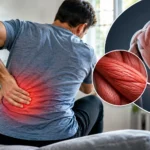


An oblique strain happens when one or more of the muscles along the side of the abdomen are overstretched or partially torn. The internal and external oblique muscles help rotate the trunk, bend the torso sideways, stabilize the core, and support movement during everyday activities. Strains can range from mild soreness to more significant injuries that make twisting or bending uncomfortable.
These muscles are active during many movements, including running, lifting, throwing, coughing, and changing direction quickly. Because the obliques help transfer force between the upper and lower body, sudden or repetitive stress can overload them. Athletes are commonly affected, but an oblique muscle strain can also happen during household tasks, gym exercises, or an awkward movement.
Most mild strains improve with conservative care, gradual movement, and temporary activity modification. Recovery depends on the severity of the injury, your overall health, and whether you continue activities that aggravate the muscle. Understanding the symptoms and avoiding repeated strain can help the tissue recover while reducing the chance of turning a minor injury into a longer-lasting problem.
Common Causes of an Oblique Strain
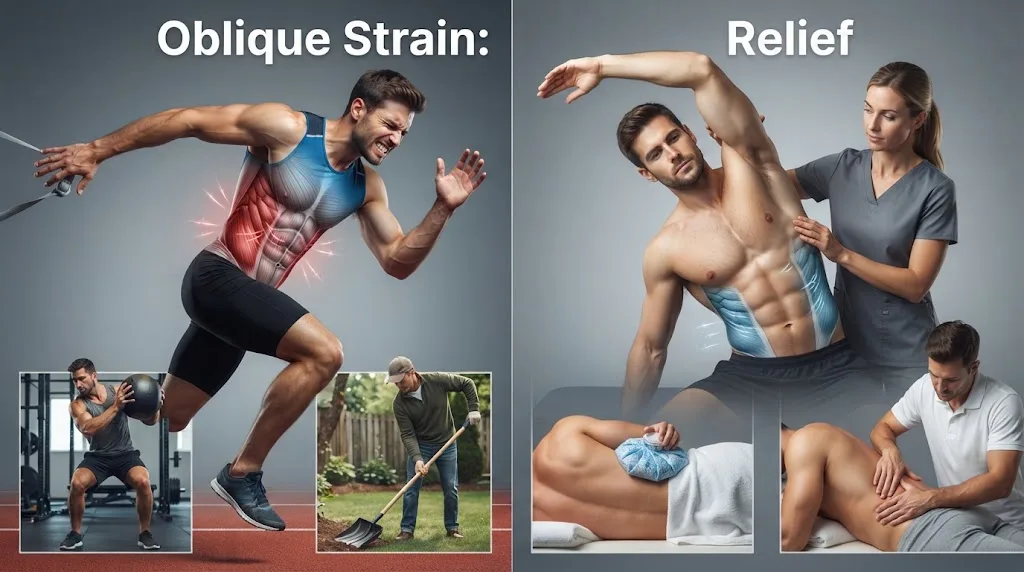
Sudden twisting is one of the most common causes of an oblique strain. Sports such as tennis, baseball, golf, cricket, football, and basketball involve rapid rotation of the torso, which can place significant stress on the abdominal muscles. A forceful movement performed before the body is properly warmed up can increase the chance of overstretching muscle fibers.
Heavy lifting can also strain the obliques, especially when the body twists while carrying weight. Poor lifting technique, weak core muscles, or trying to move a load that is heavier than you can comfortably control may place excessive pressure on the abdominal wall. Even routine movements can cause a strain if the muscles are tired or already irritated.
Repeated coughing, sneezing, or intense abdominal exercises may also overload the oblique muscles. Exercises such as side bends, Russian twists, sit-ups, and rotational cable movements can cause irritation when performed too aggressively or with poor technique. Increasing workout volume too quickly without allowing enough recovery time can create repeated stress before the muscle has adapted.
Symptoms of an Oblique Muscle Strain
The most common symptom is pain along the side of the abdomen or lower ribs. The discomfort may feel sharp during sudden movement and become more of an ache when resting. Twisting the torso, bending sideways, sitting up, coughing, sneezing, laughing, or taking a deep breath may increase the pain because these actions engage the abdominal muscles.
Some people notice tenderness when pressing the affected area. Mild swelling, tightness, or muscle stiffness may develop, particularly during the first few days after the injury. A more significant strain can cause weakness during rotational movements and make activities such as getting out of bed, lifting an object, or turning the body uncomfortable.
Bruising can occur with a larger muscle tear, although it is not present in every case. Pain that becomes severe, spreads unexpectedly, or appears with digestive, urinary, breathing, or systemic symptoms should not automatically be assumed to be a muscle strain. Abdominal and side pain can have many causes, so unusual symptoms deserve appropriate medical assessment.
Grades of Oblique Strain
A mild or Grade 1 strain usually involves overstretching or small amounts of muscle fiber damage. You may feel tenderness, tightness, and discomfort during certain movements while still being able to perform most everyday activities. These injuries often respond well to temporary activity reduction and gradual rehabilitation when movements are reintroduced without repeatedly provoking pain.
A moderate or Grade 2 strain involves a greater degree of muscle fiber injury. Pain may be more noticeable during twisting, bending, coughing, or getting up from a seated or lying position. Strength can also feel reduced, and normal activity may need to be modified for longer because the injured tissue requires more time to rebuild and tolerate loading.
A severe or Grade 3 strain involves a major tear and can cause substantial pain, weakness, bruising, or difficulty using the affected muscles. Complete muscle tears are less common than mild strains and should be assessed by a healthcare professional. Imaging or specialist evaluation may be considered when symptoms are severe, recovery is not progressing, or the diagnosis remains uncertain.
How Oblique Strain Pain Differs From Other Pain
Oblique strain pain is usually linked closely to movement. Twisting, bending, coughing, tightening the abdomen, or pressing on the injured muscle often reproduces the discomfort. Muscle-related pain also commonly begins after exercise, lifting, sports activity, or another physical event that placed unusual stress on the torso, although the exact moment of injury is not always obvious.
Pain from the back, ribs, nerves, or internal organs can sometimes feel similar to an abdominal muscle strain. For example, nerve irritation may cause burning, tingling, numbness, or pain that travels rather than staying limited to one tender muscle area. If discomfort is higher around the upper back, this guide to pinched nerve shoulder blade pain explains another possible musculoskeletal pain pattern.
Side or abdominal pain accompanied by fever, vomiting, breathing difficulty, blood in the urine, significant abdominal swelling, or severe unexplained pain needs medical attention rather than home treatment alone. The same applies when pain began after a significant fall or impact. When the cause is unclear, professional evaluation can help distinguish a muscle strain from conditions requiring different treatment.
Immediate Relief for an Oblique Strain
During the early stage, reduce activities that clearly increase the pain. This does not necessarily mean staying completely still, because gentle everyday movement may be comfortable and can help prevent unnecessary stiffness. Avoid heavy lifting, forceful rotation, intense abdominal training, or sports movements until you can perform them without a clear increase in symptoms.
Cold therapy may provide temporary comfort during the first day or two, particularly when the area feels sore after a recent injury. Wrap an ice or cold pack in a thin towel rather than applying it directly to the skin. Use short sessions and stop if the area becomes excessively numb, painful, or irritated.
Some people find warmth more comfortable once the initial soreness begins settling, particularly when tightness is the main complaint. A warm shower or heating pad used carefully may help relax surrounding muscles before gentle movement. Pain-relieving medication may also be appropriate for some people, but individual medical conditions and other medicines can affect which options are safe.
Gentle Stretching and Mobility During Recovery
Stretching should feel mild and controlled rather than painful. One simple option is to stand upright, raise the arm on the affected side, and gently lean away until you feel a light stretch along the side of the torso. Hold briefly without forcing the position, then return slowly to neutral and stop if the movement creates sharp pain.
Gentle trunk rotation can also help restore comfortable movement as symptoms improve. Sit or stand tall and slowly rotate the torso within a pain-free range instead of trying to reach your previous flexibility immediately. Small movements performed consistently are usually more useful than aggressive stretching that repeatedly irritates healing muscle fibers and delays progress.
Breathing exercises can help when guarding makes the torso feel stiff. Take slow, relaxed breaths while allowing the abdomen and lower ribs to expand naturally rather than bracing constantly against discomfort. Gradually restoring comfortable breathing, walking, bending, and rotation helps prepare the oblique muscles for strengthening and normal daily movements later in recovery.
Strengthening the Obliques After a Strain
Strengthening should begin only when normal daily movements are becoming comfortable and basic exercises do not cause sharp pain. Early rehabilitation may include gentle abdominal bracing, pelvic control exercises, and short holds that activate the core without strong rotation. The goal is to rebuild control first rather than immediately returning to high-intensity side bends or twisting exercises.
Side planks can be useful later in recovery because they challenge the lateral core without requiring repeated trunk rotation. A modified version performed from the knees may be easier at first before progressing to a full side plank. Increase holding time gradually, and avoid pushing through worsening pain simply to reach a specific repetition or duration target.
Rotational strengthening can be added when the muscle tolerates basic core exercises comfortably. Controlled resistance-band rotations, anti-rotation presses, and gradual sport-specific movements can rebuild strength and coordination. Increase resistance, speed, and range one step at a time because suddenly returning to explosive rotation can overload tissue that feels better but has not yet regained full capacity.
How Long Does an Oblique Strain Take to Heal?
Recovery time varies widely depending on the severity of the strain and the demands placed on the muscle. A mild strain may begin feeling noticeably better within days and continue improving over the following weeks. Moderate injuries can require several weeks or longer, especially when work, training, or sports repeatedly involve lifting, bending, or powerful rotation.
Pain level alone should not determine whether you are ready to return to full activity. Strength, range of motion, movement confidence, and your ability to perform sport or job-specific tasks without increasing symptoms also matter. A muscle can feel comfortable during ordinary activities but still be unprepared for sprinting, throwing, heavy lifting, or rapid rotational movements.
Return gradually rather than testing the injury with maximum effort. Start with easier versions of the activity and increase intensity only when your symptoms remain stable during and after exercise. If pain consistently returns each time you increase activity, the muscle may need additional recovery or a rehabilitation plan from a physical therapist or other qualified healthcare professional.
How to Prevent Future Oblique Strains
A proper warm-up can prepare the torso for movements that involve rotation, sprinting, lifting, or throwing. Begin with light activity and gradually introduce movements similar to those you plan to perform during training. Moving directly from rest into explosive rotational activity may place unnecessary stress on muscles that have not yet adjusted to the required speed and force.
Regular core strengthening can improve the body’s ability to control movement and transfer force. Train the front, sides, and back of the trunk rather than focusing only on traditional abdominal exercises. Side planks, anti-rotation exercises, carries, and controlled rotational movements can help build balanced core strength when technique and progression are appropriate.
Avoid sudden increases in exercise volume or resistance. Muscles adapt gradually, so doubling training intensity or adding large amounts of rotational work can exceed their current capacity. Good technique, adequate recovery, balanced strength, and gradual progression are more reliable prevention strategies than relying on stretching alone before demanding physical activity.
When to See a Healthcare Professional
Seek professional evaluation when pain is severe, follows significant trauma, or makes normal movement difficult. Bruising, major swelling, weakness, or an inability to use the abdominal muscles normally may suggest a more substantial injury. Medical assessment can also be useful if the pain is not clearly improving after a reasonable period of reduced activity and gradual rehabilitation.
Urgent medical attention is appropriate when side or abdominal pain occurs with breathing difficulty, fainting, persistent vomiting, fever, severe abdominal tenderness, or blood in the urine or stool. These symptoms are not typical features of a simple muscle strain. Sudden unexplained abdominal or chest pain should also be evaluated rather than managed as an exercise injury without confirmation.
A physical therapist or sports medicine professional may help when symptoms repeatedly return after you resume training. They can assess trunk strength, mobility, lifting mechanics, and sport-specific movement to identify possible contributing factors. A structured rehabilitation plan can be particularly useful for athletes whose activities involve frequent throwing, twisting, sprinting, or powerful changes of direction.
Conclusion
An oblique strain occurs when the muscles along the side of the abdomen are overstretched or torn. Sudden twisting, heavy lifting, repetitive rotation, intense exercise, and forceful coughing are common causes. Symptoms often include side pain, tenderness, tightness, and discomfort during twisting, coughing, bending, or other movements that activate the abdominal muscles.
Most mild strains can improve with temporary activity modification, gentle movement, and gradual strengthening. Stretching should remain comfortable, while core exercises can be added progressively as daily movement becomes easier. Returning to full activity too quickly can aggravate healing tissue, so strength and movement tolerance should improve alongside pain before demanding exercise resumes.
Not every episode of abdominal or side pain is an oblique strain. Severe symptoms, unexplained pain, major bruising, breathing problems, fever, or other unusual signs should be medically evaluated. When the injury truly is muscular, a gradual return to movement and sensible core training can support recovery and reduce the likelihood of another strain.
FAQs
What does an oblique strain feel like?
An oblique strain often causes pain or tenderness along the side of the abdomen or lower ribs. Twisting, bending, coughing, sneezing, laughing, or tightening the core may make the discomfort more noticeable.
Can I exercise with an oblique strain?
Light activity may be possible when it does not worsen symptoms, but painful twisting, heavy lifting, and intense core exercises should usually be avoided initially. Return to training gradually as strength and comfort improve.
Should I stretch a strained oblique?
Gentle stretching may help once movement is comfortable, but forcing a painful stretch can irritate the injured tissue. Use a mild range and stop if the exercise produces sharp or increasing pain.
How long does an oblique strain usually last?
Mild strains may improve over days to a few weeks, while moderate injuries can take several weeks or longer. Recovery depends on the severity of the injury and how gradually activity is resumed.
Can an oblique strain cause pain when breathing?
Yes. The abdominal and rib muscles move during breathing, so a strain can sometimes cause discomfort with deep breaths. Severe breathing difficulty or unexplained chest or abdominal pain should receive medical evaluation.