

What Is a Soleus Stretch?
The soleus stretch targets the soleus muscle, a deep calf muscle located underneath the larger gastrocnemius. It plays an important role in walking, standing, running, and maintaining balance. Unlike many traditional calf stretches, a soleus stretch is usually performed with the knee bent so the deeper muscle receives more attention.
The soleus works closely with the Achilles tendon and other muscles around the ankle. Because it is active during many everyday movements, tightness can affect ankle mobility and how comfortably you squat, walk, climb stairs, or exercise. Regular stretching may help maintain comfortable movement when performed with appropriate technique.
A soleus stretch does not need to feel intense to be effective. The goal is to create gentle tension through the lower calf while keeping the heel grounded and the movement controlled. Learning the correct position is important because small changes in knee angle can shift the stretch toward different calf muscles.
What Does the Soleus Muscle Do?
The soleus helps point the foot downward, a movement known as plantar flexion. This action occurs whenever you push through the ground while walking, running, jumping, or rising onto your toes. The muscle also works continuously when you stand because it helps control the lower leg and maintain upright posture.
Unlike the gastrocnemius, the soleus does not cross the knee joint. That difference explains why bending the knee can place more emphasis on the soleus during stretching. When the knee remains straight, the larger gastrocnemius often contributes more strongly to the sensation of a traditional calf stretch.
A strong and mobile soleus also supports ankle control during everyday movement. It helps manage forces as your shin moves forward over the foot while walking or descending stairs. When ankle movement feels restricted, the soleus may be one of several muscles and tissues worth considering as part of a broader mobility routine.
Benefits of the Soleus Stretch
One of the main benefits of a soleus stretch is improving or maintaining comfortable ankle dorsiflexion. Dorsiflexion occurs when the shin moves forward over the foot while the heel stays grounded. This movement is important for walking, squatting, stair climbing, lunging, and many athletic activities that require controlled ankle motion.
Stretching may also reduce the temporary feeling of tightness after prolonged standing, running, or lower-body exercise. The soleus can work for long periods because it contains muscle fibers suited to endurance activities. Gentle stretching after demanding activity may feel relaxing, although it should not replace appropriate recovery or treatment for an injury.
Better calf mobility can also support smoother movement throughout the lower body. The ankle, knee, and hip influence each other during walking and exercise, so limited motion at one area can change how another area moves. Soleus stretching can therefore be useful as one part of a balanced flexibility and strengthening routine.
How to Perform a Standing Soleus Stretch
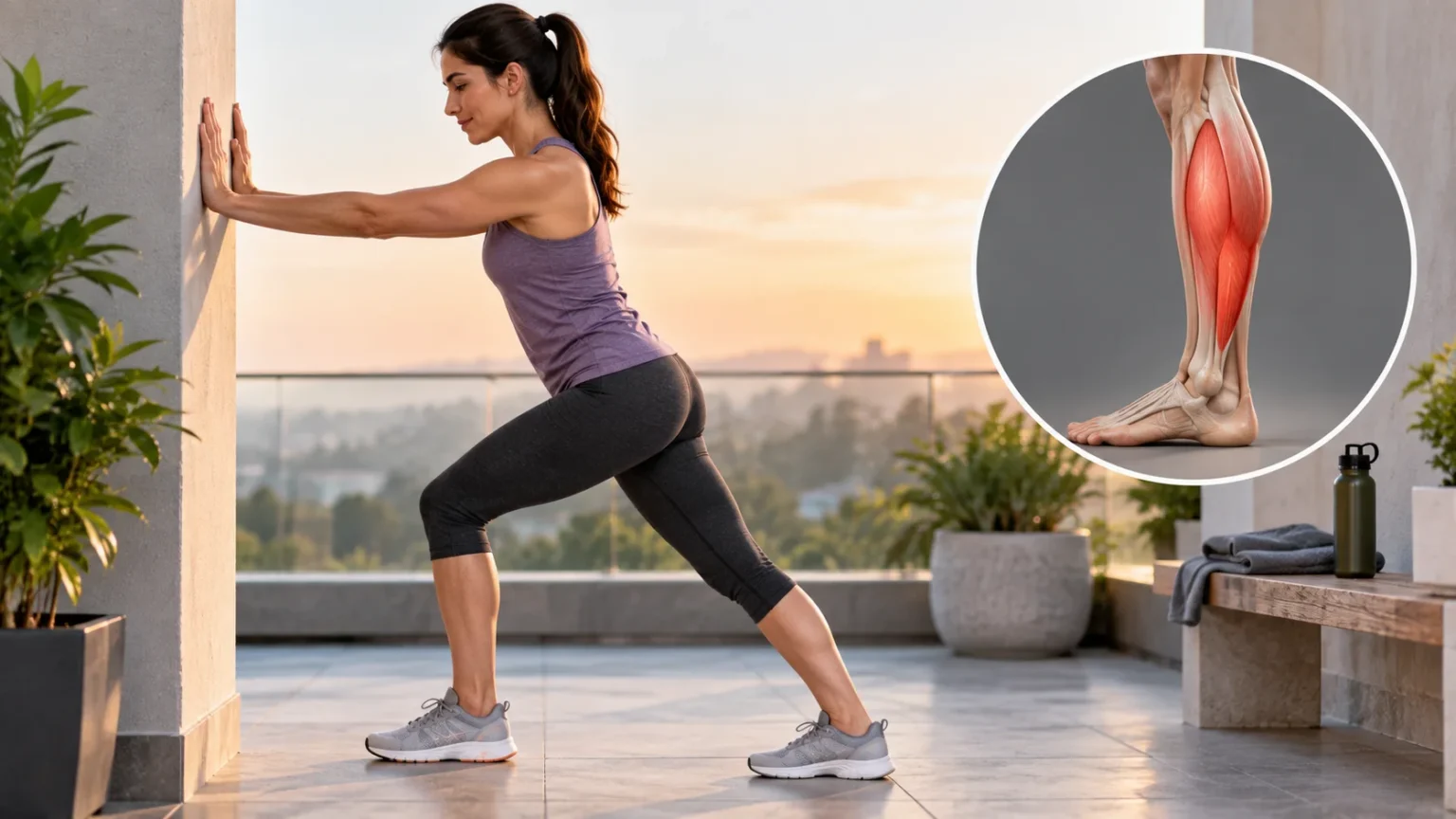
Stand facing a wall and place both hands against it for support. Move one foot slightly behind the other while keeping both toes pointed comfortably forward. Instead of straightening the back knee as you would in a traditional calf stretch, gently bend both knees while keeping the back heel firmly against the floor.
Slowly move your body forward until you feel a mild stretch lower in the back calf. Keep your heel down and avoid allowing the arch of the foot to collapse excessively inward. Your upper body should remain relaxed, and the movement should come primarily from bending the knee and allowing the shin to move forward.
Hold the stretch for a comfortable period while breathing normally, then release slowly. You should feel tension rather than sharp pain, burning, or strong pressure around the Achilles tendon. Repeat on the opposite side, and use a smaller range if maintaining the heel on the floor becomes difficult.
How to Do a Seated Soleus Stretch
A seated soleus stretch can be useful when standing stretches feel uncomfortable or when you want more control over the movement. Sit toward the front of a sturdy chair with one foot positioned slightly behind the opposite foot. Keep the entire foot on the floor, especially the heel, throughout the movement.
Lean gently forward while allowing the knee of the stretching leg to travel over the toes. Keep the heel planted and stop when you feel mild tension through the lower calf. Avoid forcing the knee as far forward as possible because the objective is controlled mobility rather than achieving a particular distance.
This variation is easy to adjust because you can change your foot position or the amount of forward movement. It can also be performed before standing activities if your ankles feel stiff after sitting. Move slowly and avoid bouncing, especially when the calf or Achilles region already feels sensitive.
Common Soleus Stretch Form Mistakes
Allowing the heel to lift is one of the most common mistakes during a soleus stretch. Once the heel rises, the movement changes and you may lose the intended stretch through the lower calf. Use a smaller range of motion if necessary so you can keep the heel comfortably connected to the floor.
Another mistake is keeping the back knee almost completely straight. A straighter knee tends to place greater emphasis on the gastrocnemius instead of the deeper soleus. Bend the knee enough to create tension lower in the calf, but avoid collapsing excessively forward or creating discomfort inside the knee.
People may also push too aggressively because they assume a stronger sensation means a better stretch. Forceful stretching can irritate muscles or the Achilles area and may cause protective tightening. A gentle, steady stretch with relaxed breathing is usually more useful than repeatedly bouncing or forcing the ankle beyond a comfortable range.
Soleus Stretch for Better Ankle Mobility
Ankle mobility influences many lower-body movements, including squats, lunges, walking, and climbing stairs. When the ankle cannot comfortably move forward over the foot, you may compensate by lifting the heel, turning the foot outward, or changing movement elsewhere. Soleus flexibility is only one factor, but it can contribute to this available range.
A knee-to-wall style soleus stretch is particularly useful for working on controlled ankle movement. Stand facing a wall with one foot forward, keep the heel grounded, and slowly move your knee toward the wall. Adjust the foot position so the movement produces mild calf tension without causing pinching or sharp discomfort in the ankle.
Mobility improvements usually happen gradually rather than after one aggressive stretching session. Practice consistent, comfortable repetitions and notice whether your movement becomes easier over time. If the ankle feels blocked, swollen, or painful rather than simply tight, stretching harder is unlikely to solve the underlying problem.
Soleus Stretch Before and After Exercise
Before exercise, dynamic ankle movements may be more practical than holding a long static stretch. Gentle knee-over-toe movements, ankle circles, and controlled calf raises can prepare the lower leg for activity. If you use a soleus stretch before training, keep it comfortable and avoid turning the warm-up into an intense flexibility session.
After exercise, a relaxed static soleus stretch may feel helpful if your calves feel tight. Hold a comfortable position while allowing your breathing and heart rate to settle. Stretching can be part of a cooldown, but hydration, sleep, workload management, and adequate recovery are also important for how your legs feel.
Runners, walkers, and people who perform repeated jumping activities may find calf mobility work particularly useful. However, stretching should complement strengthening rather than replace it. The soleus needs both appropriate mobility and the capacity to handle repeated force during daily activities and exercise.
Strengthening Alongside Soleus Stretching
Stretching can improve flexibility, but strong calf muscles are also important for ankle stability and everyday movement. Bent-knee calf raises are commonly used to place greater emphasis on the soleus. Sit or stand with the knees slightly bent, raise the heels slowly, pause briefly, and lower them with control.
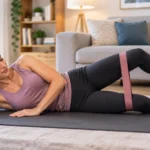
Lower-body strength should not stop at the calves. The hips, glutes, thighs, and feet all contribute to walking, balance, running, and other movements. Exercises such as clamshells can strengthen muscles around the hips and complement a mobility routine that includes the calves and ankles.
Combining stretching and strengthening may provide a more balanced approach than focusing on flexibility alone. You can work on comfortable ankle motion while gradually building the strength needed to control that range. Progress resistance and repetitions slowly, especially if your calves fatigue quickly or have recently been inactive.
How Often Should You Stretch the Soleus?
The ideal frequency depends on your activity level, mobility, and how your body responds. Some people include gentle calf stretching several times per week, while others use brief mobility work more frequently. You do not need to perform long or painful sessions to make stretching part of a consistent routine.
A short session can include two or three comfortable holds on each side. People who sit for long periods may also benefit from brief ankle movements throughout the day rather than relying on one large stretching session. Consistency generally matters more than forcing a dramatic range of motion during a single workout.
Pay attention to how your calves feel afterward. Mild tension during stretching can be normal, but soreness that becomes progressively worse may mean you are using too much force or volume. Reduce the intensity or frequency if stretching repeatedly leaves the lower leg more uncomfortable instead of more mobile.
Mobility Tips for Tight Calves and Ankles
Start by identifying when your calves feel tight. Some people notice stiffness after waking up, while others feel it after sitting, running, or standing for extended periods. Knowing the pattern can help you choose when to include mobility work instead of stretching randomly without understanding what seems to trigger the tightness.
Include movement in multiple directions rather than focusing only on one stretch. Ankle circles, controlled heel raises, gentle knee-over-toe movements, walking, and foot exercises can complement soleus stretching. Different movements help the ankle practice mobility and control rather than simply holding one passive position repeatedly.
Your footwear and training habits also matter. Sudden increases in running distance, hill work, jumping, or prolonged standing can increase demand on the calves. Gradually progressing activity and wearing suitable shoes for your needs may help reduce unnecessary lower-leg fatigue while you work on mobility.
When Soleus Tightness May Need Professional Attention
Calf tightness is often related to activity or temporary muscle fatigue, but not every lower-leg symptom should be treated with stretching. Stop and seek medical advice if you develop significant swelling, redness, warmth, sudden severe calf pain, or symptoms after a substantial injury. These signs may require evaluation rather than mobility exercises.
Persistent Achilles pain, numbness, weakness, or difficulty bearing weight also deserves attention. Repeatedly stretching an irritated tendon or injured muscle may worsen symptoms when rest or another treatment approach is needed. A healthcare professional or physical therapist can help distinguish ordinary stiffness from a condition requiring more specific care.
Professional guidance may also be useful when one ankle remains significantly more restricted than the other despite consistent mobility work. Previous ankle injuries, joint changes, or movement limitations can affect dorsiflexion. An individualized assessment can identify whether the issue involves muscle flexibility, joint mobility, strength, or another factor.
Conclusion
The soleus stretch is a simple way to target the deeper calf muscle and support comfortable ankle mobility. Bending the knee while keeping the heel grounded helps shift attention toward the soleus rather than relying only on the larger gastrocnemius. Good form matters more than pushing for an intense stretching sensation.
You can perform soleus stretches in standing or seated positions depending on your comfort and mobility. Combine stretching with calf strengthening, ankle movements, and broader lower-body exercises for a more balanced routine. Gradual, consistent practice is more useful than aggressively forcing the ankle into a larger range.
Pay attention to pain and unusual symptoms while working on your calves. Ordinary tightness may respond well to gentle mobility, but significant swelling, severe pain, weakness, or persistent restriction should be professionally assessed. The goal of mobility work is comfortable, controlled movement rather than stretching through warning signs.
FAQs
What does a soleus stretch target?
A soleus stretch targets the deeper calf muscle beneath the gastrocnemius. Bending the knee while keeping the heel grounded helps place more emphasis on the soleus and supports ankle mobility.
How long should you hold a soleus stretch?
Many people use comfortable holds of around 20 to 30 seconds, although there is no perfect duration for everyone. Focus on gentle tension and relaxed breathing rather than forcing the stretch.
Why do you bend your knee during a soleus stretch?
The soleus does not cross the knee joint, while the gastrocnemius does. Bending the knee reduces some tension through the gastrocnemius and allows greater emphasis on the deeper soleus muscle.
Can a tight soleus limit ankle mobility?
A tight soleus may contribute to limited ankle dorsiflexion in some people. However, restricted ankle movement can also involve joints, tendons, previous injuries, or other tissues, so stretching is not always the complete solution.
Should a soleus stretch hurt?
No. You should feel mild to moderate tension through the lower calf rather than sharp pain. Stop if the stretch causes strong Achilles pain, ankle pinching, numbness, swelling, or worsening discomfort.