

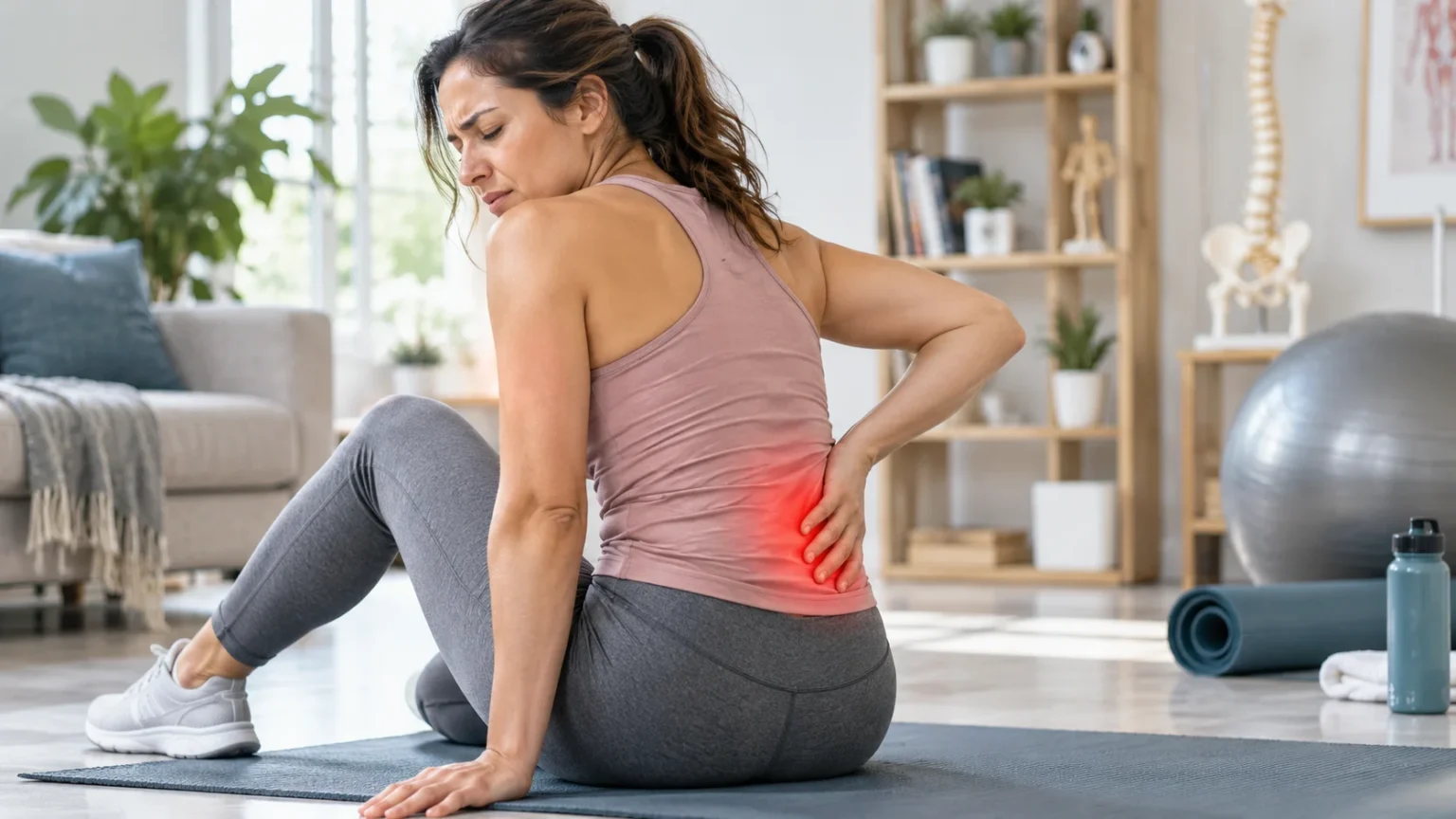
Lower back pain on the left side only can feel worrying, especially when the discomfort appears suddenly or keeps returning. The pain may come from muscles, joints, nerves, or structures near the spine, but problems involving nearby organs can sometimes cause similar symptoms. The location, intensity, and movements that trigger the pain can provide useful clues about what may be happening.
Some people notice a dull ache after sitting for long periods, while others experience sharp pain when bending, twisting, walking, or getting out of bed. Symptoms may stay close to the lower back or spread into the buttock, hip, or leg. Understanding these patterns can help you decide whether simple home care may be appropriate or whether professional evaluation is needed.
This guide explains common causes of lower back pain on the left side, practical relief tips, exercises that may help, and warning signs that should not be ignored. It also covers posture, sleep position, muscle strain, sciatica, kidney-related symptoms, and ways to reduce the chance of recurring discomfort.
What Causes Lower Back Pain on the Left Side Only?
One-sided lower back pain often develops when muscles, joints, or connective tissues on one side of the body become irritated. An awkward lift, sudden twist, prolonged sitting position, or unfamiliar workout may overload tissues on the left side. The discomfort can remain localized or become more noticeable during specific movements.
The spine is also surrounded by nerves that travel through the pelvis and into the legs. Irritation around these nerves may cause pain that begins in the lower back and moves toward the buttock, thigh, or lower leg. Tingling, numbness, or burning sensations can sometimes occur alongside the pain.
Not every case originates from the spine or muscles. The kidneys, digestive system, and pelvic organs are located close enough to the lower back that problems in these areas may sometimes feel like back pain. Additional symptoms such as fever, urinary changes, nausea, or abdominal discomfort can help distinguish these causes.
Muscle Strain and Overuse
Muscle strain is one of the most common reasons for localized lower back pain. The muscles can become overstretched during lifting, bending, twisting, sports, or sudden movements. Even something as simple as reaching awkwardly or carrying a heavy object on one side may cause irritation.
Pain from a muscle strain often feels sore, tight, or tender when you press the affected area. It may become worse when bending forward, rotating the trunk, standing from a chair, or changing positions in bed. Stiffness can also develop after resting for a long period.
Mild strains often improve gradually with activity modification and gentle movement. Complete bed rest is usually unnecessary unless movement is extremely uncomfortable. Short walks, careful mobility exercises, and avoiding the activity that triggered the problem may help the area settle while you maintain normal movement.
Poor Posture and Uneven Sitting Positions
Sitting with your weight shifted toward one side can place uneven stress on the muscles around the lower back and pelvis. This often happens when people cross one leg, lean against an armrest, keep a wallet in a back pocket, or work at a poorly arranged desk for several hours.
There is no single perfect posture that everyone must maintain throughout the day. The bigger issue is often staying in one position for too long. Even a comfortable sitting position can become irritating when your muscles and joints remain loaded without regular movement.
Try placing both feet on the floor and keeping your hips evenly supported by the chair. Change positions every 30–60 minutes and stand or walk briefly when possible. A small lumbar support may also help some people maintain a more comfortable position without forcing the spine into an unnatural posture.
Sacroiliac Joint Irritation
The sacroiliac joints connect the lower spine to the pelvis and sit near the upper part of each buttock. Irritation around the left sacroiliac joint may cause pain that feels concentrated on one side of the lower back. The discomfort can sometimes spread into the buttock or upper thigh.
Symptoms may become more noticeable when standing on one leg, climbing stairs, getting out of a car, or rolling over in bed. Long periods of sitting or standing may also aggravate the area. Because sacroiliac joint pain can resemble muscular or spinal pain, identifying it based on symptoms alone can be difficult.
Gentle movement and avoiding prolonged asymmetrical positions may help reduce irritation. Try not to sit with your weight consistently shifted to one side. If the pain is persistent, repeatedly returns, or interferes with normal activity, a qualified healthcare professional can assess whether the sacroiliac joint may be contributing.
Sciatica and Nerve Irritation
Sciatica refers to symptoms associated with irritation of the sciatic nerve or the nerve roots that contribute to it. Pain may begin in the lower back or buttock and travel down one leg. If the affected nerve is on the left side, symptoms may remain primarily on that side.
Nerve-related pain is often described as burning, shooting, electric, or sharp. Some people also experience numbness, tingling, or weakness in the buttock, thigh, calf, or foot. Sitting, coughing, bending, or certain spinal movements may make the symptoms more noticeable.
Gentle movement is often better tolerated than remaining completely inactive, although the right approach depends on the cause. Avoid repeatedly stretching into strong radiating pain. If weakness is worsening, numbness is significant, or symptoms continue to spread down the leg, medical assessment is important.
Herniated or Irritated Spinal Disc
The discs between the vertebrae act as cushions and help the spine move. A disc can become irritated or bulge beyond its usual position, sometimes affecting nearby nerves. When this occurs more strongly on the left side, the resulting pain may also be more noticeable on that side.
Disc-related symptoms can vary considerably. Some people experience only lower back pain, while others develop pain, tingling, or numbness that travels into the leg. Bending forward, prolonged sitting, coughing, or lifting may increase symptoms for some individuals.
A disc problem does not automatically mean surgery or long-term disability. Many cases improve with appropriate activity, gradual rehabilitation, and time. However, severe weakness, major changes in sensation, or bowel and bladder symptoms require prompt medical attention because they can indicate more serious nerve involvement.
Facet Joint Pain
Facet joints are small joints located at the back of the spine that help guide movement. Irritation in a left-sided facet joint may cause localized lower back pain that feels worse during certain movements. The discomfort often stays close to the spine rather than traveling far down the leg.
Extension and rotation can sometimes increase facet-related discomfort. For example, leaning backward or twisting toward the painful side may reproduce symptoms. Standing for long periods can also be uncomfortable for some people, although the exact pattern varies.
Gentle mobility and avoiding repetitive painful positions may help reduce irritation. Strengthening the muscles around the trunk and hips can also support better movement over time. Because facet pain can resemble other forms of back pain, persistent symptoms are best assessed rather than self-diagnosed.
Kidney Problems and Left-Sided Back Pain
The kidneys sit toward the back of the abdomen beneath the lower ribs. Kidney-related pain is often felt higher than typical muscular lower back pain and may feel deep rather than tender at the surface. It can occur on one side if only one kidney or urinary tract is affected.
Kidney stones may cause severe, wave-like pain that can travel toward the abdomen or groin. Kidney infections may cause a more persistent ache along with fever, chills, nausea, or urinary symptoms. Painful urination, cloudy urine, or blood in the urine can also occur depending on the condition.
Back pain accompanied by urinary changes or systemic symptoms should not be treated solely with stretching or exercise. Seek medical advice promptly when kidney-related symptoms are possible. Severe pain, vomiting, fever, or difficulty urinating may require more urgent evaluation.
Hip and Pelvic Problems
Pain originating from the hip or pelvis can sometimes be felt in the lower back. Tight hip muscles, reduced hip mobility, tendon irritation, or joint problems can change how you move and place extra stress on one side. This may create discomfort that seems to come directly from the spine.
Hip-related pain may also appear in the groin, outer hip, or buttock. You might notice stiffness when getting out of a chair, walking after sitting, putting on shoes, or climbing stairs. Reduced movement through one hip can make the lower back compensate during everyday tasks.
Gentle hip mobility and strengthening may help when movement limitations are contributing. However, avoid forcing painful ranges or assuming every one-sided back problem comes from tight hips. Persistent restriction, catching, or deep joint pain should be assessed to identify the true source.
Can Periods Cause Left-Sided Lower Back Pain?
Menstrual cramps can sometimes cause lower back discomfort because contractions and pelvic tension may refer pain toward the back. While the pain is often felt across both sides, some people notice it more strongly on one side. The discomfort may occur alongside abdominal cramping, fatigue, or pelvic pressure.
One-sided pain that repeatedly appears around menstruation may still have several possible explanations. Pelvic conditions, muscular tension, or other gynecological issues may sometimes produce similar symptoms. The timing and pattern of the discomfort can help a healthcare professional decide whether further evaluation is appropriate.
If the pain becomes severe, suddenly changes from your usual pattern, or occurs with unusually heavy bleeding, fainting, fever, or significant pelvic pain, seek medical care. Persistent one-sided discomfort should not automatically be assumed to be ordinary menstrual back pain without considering other possible causes.
Gentle Stretches for Left-Sided Lower Back Pain
A gentle knee-to-chest stretch may help ease muscular tightness around the lower back. Lie on your back with both knees bent, then slowly bring one knee toward your chest while keeping the movement comfortable. Hold briefly without pulling aggressively, then return the foot to the floor.
A supported child’s pose or gentle trunk rotation may also feel helpful when stiffness is contributing. Move slowly and stop before reaching a painful end range. Stretching should create mild tension rather than sharp pain, tingling, burning, or symptoms that travel farther into the leg.
Mobility in other parts of the spine can also influence overall movement quality. If you are working on flexibility beyond the lower back, these upper back stretches offer practical ways to improve movement through the thoracic region. Keep every stretch within a comfortable range.
Strengthening Exercises That May Help
Strengthening the muscles around the hips and core can improve support for the lower back. Exercises such as bridges, bird dogs, and controlled dead bugs are often used to build stability without requiring heavy resistance. Begin with a small number of repetitions and focus on smooth movement.
Bridges strengthen the glutes and help practice controlled hip extension. Lie on your back with your knees bent, tighten your abdominal muscles gently, and lift your hips without excessively arching the spine. Lower slowly and stop if the movement increases your symptoms.
Bird dogs can improve trunk control while the arms and legs move independently. Start on your hands and knees, then extend one arm and the opposite leg while keeping your torso stable. Strengthening should feel controlled rather than painful, and exercises should be modified if symptoms worsen afterward.
How to Sleep With Left-Sided Lower Back Pain
Your sleeping position can influence how your lower back feels during the night and in the morning. Side sleepers may feel more comfortable with a pillow between the knees because it can reduce twisting through the pelvis. If one side is painful, sleeping on the opposite side may sometimes reduce direct pressure.
People who sleep on their backs can try placing a pillow beneath the knees. This may reduce tension around the lower back by slightly changing the position of the pelvis. Use enough support to feel comfortable without forcing your knees into an awkward position.
Stomach sleeping can increase lower-back extension for some people, especially if the mattress allows the pelvis to sink deeply. If changing sleeping positions is difficult, a thin pillow under the hips may provide some support. The best position is ultimately the one that lets you sleep without significantly increasing symptoms.
Home Relief Tips for Left-Sided Back Pain
Gentle activity is often a practical starting point for mild, uncomplicated back pain. Short walks can reduce stiffness and help you avoid remaining in one position for too long. Adjust your pace and distance according to comfort rather than trying to push through increasing pain.
Heat may help tight muscles feel more relaxed, while cold can sometimes provide temporary comfort after a recent strain or irritating activity. Neither option treats every cause, so choose whichever feels better. Protect your skin and avoid placing very hot or extremely cold packs directly against it.
Temporarily reduce activities that clearly aggravate your pain, but avoid unnecessary long-term inactivity. Gradually return to normal movement as your comfort improves. If home measures are not helping after a reasonable period or symptoms continue to worsen, professional evaluation can help determine the cause.
How to Prevent One-Sided Lower Back Pain
Avoid repeatedly carrying heavy bags or objects on the same side whenever possible. Uneven loading can make one group of muscles work harder than the other. Using both hands, switching sides, or using a backpack can distribute the load more evenly.
Regular strength training can also improve the capacity of your hips, legs, and trunk to handle everyday demands. Squats, hinges, bridges, rows, and core exercises can all contribute when performed with appropriate technique. Build resistance gradually rather than suddenly increasing the amount of weight you lift.
Movement variety matters throughout the day. Alternate between sitting, standing, walking, and other comfortable positions instead of staying fixed for several hours. Small changes performed consistently can reduce prolonged pressure and may help prevent repeated episodes of stiffness or muscular discomfort.
When Should You See a Doctor?
Seek medical advice if your pain is severe, lasts for several weeks, or continues to get worse despite reasonable self-care. You should also arrange an evaluation if the pain repeatedly returns, interferes with sleep, or significantly limits walking, work, or normal daily activities.
Prompt assessment is particularly important if pain occurs with fever, unexplained weight loss, significant abdominal symptoms, urinary problems, or a recent major injury. These features may indicate that the discomfort is not simply caused by a muscular strain.
Emergency care may be needed if back pain occurs with new loss of bladder or bowel control, numbness around the groin, or rapidly worsening leg weakness. These symptoms can indicate serious nerve compression and should not be managed solely with rest, stretching, or home exercises.
Conclusion
Lower back pain on the left side only can develop for many reasons, including muscle strain, poor sitting habits, sacroiliac joint irritation, sciatica, disc problems, hip issues, or kidney-related conditions. The location of the pain alone is usually not enough to determine the cause.
For mild muscular discomfort, gentle movement, regular position changes, careful stretching, and gradual strengthening may help. Avoid forcing painful ranges or staying completely inactive for long periods. Paying attention to what improves or worsens your symptoms can also provide useful information.
Persistent, severe, or unusual symptoms deserve professional assessment, especially when they occur with numbness, weakness, urinary changes, fever, or bowel and bladder problems. Getting the underlying cause identified is the best way to choose an appropriate treatment and safely return to normal activity.
FAQs
Why does only the left side of my lower back hurt?
One-sided pain may come from a muscle strain, sacroiliac joint irritation, nerve compression, spinal joint problems, or nearby organs. The cause depends on your symptoms, triggers, and whether pain spreads elsewhere.
Is left-sided lower back pain related to the kidneys?
It can be, particularly if the pain feels deep and occurs with fever, nausea, urinary changes, or pain toward the abdomen or groin. Kidney-related symptoms should be medically evaluated.
Should I stretch left-sided lower back pain?
Gentle stretching may help when muscle tightness contributes to the discomfort. Avoid aggressive stretching if it produces sharp pain, tingling, numbness, or symptoms that travel farther down your leg.
How long does one-sided lower back pain usually last?
Mild muscular pain may improve within several days or weeks, while nerve, joint, or disc-related symptoms may last longer. Persistent or worsening pain should be assessed by a healthcare professional.
When is left-sided back pain an emergency?
Seek urgent care for pain with new bowel or bladder problems, groin numbness, rapidly worsening weakness, severe trauma, high fever, or intense symptoms that make normal movement extremely difficult.