


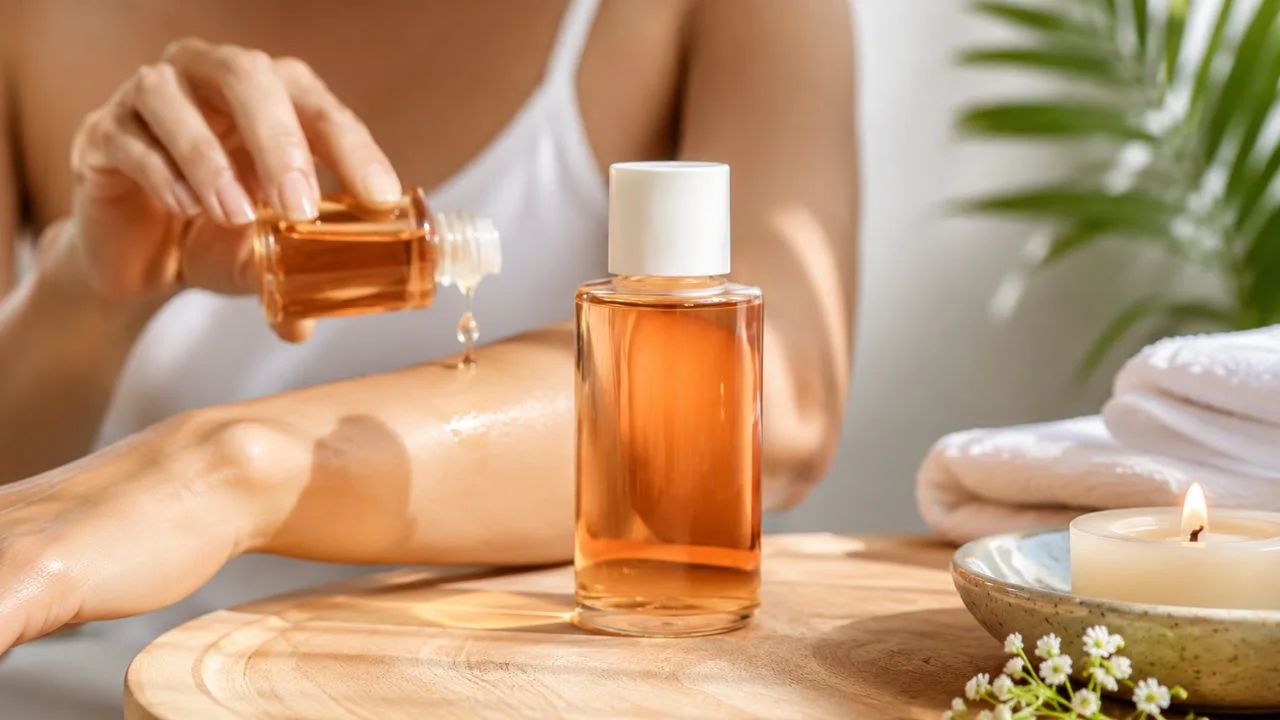
Bio Oil: What You Must Know Before Using It Today
Bio Oil is a popular skincare product promoted for scars, stretch marks, uneven skin tone, aging skin, and dehydration. Its lightweight oil texture is designed to spread easily across the face or body and leave the skin feeling softer and more flexible.
Many people begin using Bio Oil after surgery, pregnancy, weight changes, acne, or an injury. Others apply it as a daily body oil because they enjoy the smooth finish and want to reduce dryness on areas such as the legs, arms, stomach, and chest.
However, Bio Oil is not a medical treatment that can erase every scar or permanently remove stretch marks. Results vary according to skin type, the age and depth of the mark, sun exposure, consistency, and whether the concern involves color, texture, or damaged tissue beneath the surface.
Before applying it, you should understand the formula, possible benefits, realistic limitations, and risk of irritation. This guide explains how Bio Oil works, where it may help, how to use it correctly, and when professional skincare treatment may be more appropriate.
What Is Bio Oil?
Bio Oil, commonly styled as Bio-Oil, is a branded range of products created for cosmetic skin concerns. The best-known version is a skincare oil intended for scars, stretch marks, uneven tone, dry skin, and signs of skin aging.
The traditional formula uses an oil base combined with selected plant oils, vitamins, fragrance, and other cosmetic ingredients. Bio-Oil also sells different formulations, so the exact ingredient list may vary according to the product and country where it is purchased.
An oil mainly works by reducing water loss from the skin’s surface and improving softness. This can make dry or tight skin feel more comfortable and may temporarily make rough texture or pale, dry lines appear less noticeable.
Bio Oil should be viewed as a cosmetic skincare product rather than a cure. It may support moisturization and massage, but it cannot rebuild severely damaged tissue, remove deep acne scars, or guarantee that stretch marks will disappear.
What Ingredients Are in Bio Oil?
The original Bio-Oil Skincare Oil commonly contains mineral oil as a major base ingredient. Mineral oil is an occlusive substance that forms a light barrier over the skin and helps reduce the loss of moisture.
The formula also includes plant-derived oils and vitamin ingredients intended to support a smooth, conditioned feel. Commonly listed components have included calendula, lavender, rosemary, chamomile, vitamin E, and a vitamin A derivative.
Fragrance and aromatic ingredients may also be present in the original formula. These ingredients create the recognizable scent, but they may be unsuitable for people with highly sensitive skin, eczema, fragrance allergy, or a damaged skin barrier.
Bio-Oil offers more than one product, including options marketed as natural or designed for dry skin. Always read the ingredient list on your own container because formulations, allergens, and usage instructions may differ by market.
How Does Bio Oil Work on the Skin?
Bio Oil spreads across the skin and creates a thin emollient layer. This layer fills spaces between dry surface cells, reduces roughness, and helps the skin retain moisture for a softer and smoother appearance.
Massage may also contribute to how the treated area feels. Gently moving healed scar tissue can improve flexibility and comfort in some situations, although massage should begin only after the wound has completely closed.
The oil can make dry stretch marks or scars reflect light more evenly, which may temporarily reduce their visual contrast. This cosmetic improvement should not be confused with removing the structural changes beneath the skin.
Long-term results depend on the concern being treated. Simple dryness may improve relatively quickly, while mature scars, deep acne marks, and stretch marks usually require realistic expectations and may respond only modestly to topical oil.
1. Bio Oil May Help Relieve Dry Skin
One of the clearest Bio Oil benefits is its ability to soften dry, flaky, or tight-feeling skin. Oils reduce moisture loss and can improve the surface feel of areas exposed to dry weather, frequent washing, or friction.
It may be applied to the arms, legs, elbows, knees, stomach, and other body areas that need additional moisture. Applying a small amount after bathing can help trap water that remains in the outer skin layer.
People with very dry skin may prefer to layer the oil over an unscented moisturizer. The moisturizer adds water and moisture-binding ingredients, while the oil provides a surface barrier that helps slow evaporation.
Bio Oil may not be suitable for every dry-skin condition. Persistent cracking, bleeding, severe itching, oozing, or inflamed patches could indicate eczema, psoriasis, infection, or another problem requiring medical care.
2. It May Improve the Appearance of Some Healed Scars
Bio Oil is widely used on surgical scars, injury marks, and other areas where the skin has healed. Regular moisturization and gentle massage may make a flat scar feel softer and less tight over time.
No oil can completely erase a scar because scar tissue forms during the body’s repair process. Older scars naturally fade, flatten, and change color, so some improvement noticed during product use may also be part of normal healing.
Results are more likely to involve softness, flexibility, dryness, or color contrast than complete removal. Raised keloids, thick hypertrophic scars, and sunken scars usually need more targeted treatment than cosmetic oil alone.
Never apply Bio Oil to a fresh incision, open wound, stitches, broken skin, or an infected area. Wait until the surface has fully closed and follow the wound-care instructions provided by your surgeon or healthcare professional.
3. Bio Oil May Moisturize Stretch Marks
Stretch marks develop when rapid growth or stretching disrupts supportive tissue beneath the skin. They commonly occur during pregnancy, puberty, muscle growth, weight change, or treatment with certain steroid medicines.
Bio Oil can moisturize the surface and reduce the dry or tight sensation around stretch marks. Massage and hydration may also help the area feel more comfortable as the skin changes.
However, oils have not been proven to reliably prevent stretch marks in everyone. Genetics, hormones, skin structure, growth speed, and the amount of stretching influence who develops them.
New stretch marks may gradually fade from red, purple, brown, or dark tones into lighter lines. Bio Oil may support a smoother appearance, but it cannot guarantee that existing marks will disappear completely.
4. It Can Support Skin Softness During Pregnancy
Pregnancy can make the skin over the stomach, breasts, hips, and thighs feel stretched, itchy, or dry. A suitable body oil may reduce surface dryness and make gentle massage more comfortable.
Bio Oil is often marketed for use during pregnancy, but product formulas may contain fragrance or vitamin A derivatives. Pregnant users should check the current ingredient label and discuss any concern with their maternity healthcare professional.
Do not apply the oil to broken, inflamed, or severely itchy skin without identifying the cause. Intense itching during pregnancy, particularly on the palms or soles, may require prompt medical assessment rather than cosmetic treatment.
An oil cannot control how quickly the skin stretches or whether stretch marks form. Use it for moisturization and comfort instead of depending on it as guaranteed stretch-mark prevention.
5. Bio Oil May Temporarily Improve Uneven-Looking Tone
Moisturized skin often reflects light more evenly than dry, rough skin. This can make some areas of discoloration look less noticeable, particularly when dryness is increasing the contrast.
Bio Oil may help with the overall appearance of dull or uneven skin, but it is not a bleaching cream. It does not directly remove melanin or provide the same action as clinically studied pigmentation treatments.
Dark marks caused by acne, sun exposure, inflammation, hormones, or skin injury can take months to fade. Daily broad-spectrum sunscreen is essential because ultraviolet light can make pigmentation darker and more persistent.
A changing mole, irregular dark patch, or unexplained pigmentation should not be treated only with oil. A dermatologist can confirm the cause and recommend safer treatment for the specific type of discoloration.
6. It May Make Aging Skin Feel More Supple
Skin often becomes drier with age because natural oil production and barrier function change. Applying an emollient oil can reduce roughness and make the skin feel softer and more flexible.
Bio Oil may temporarily soften the appearance of fine dehydration lines. These lines become more noticeable when the skin lacks moisture, so restoring surface hydration can create a smoother finish.
The product cannot stop biological aging or permanently remove wrinkles. Collagen loss, sun damage, facial movement, genetics, and lifestyle factors influence deeper lines that an oil cannot fully correct.
Sun protection, gentle cleansing, adequate moisturization, and evidence-based active ingredients usually provide a more complete anti-aging routine. Bio Oil can serve as an optional moisturizing step rather than the entire strategy.
7. Bio Oil Can Be Used for Body Massage
The smooth texture gives enough slip for gentle body massage without drying immediately. This makes it convenient for massaging healed scars or areas of dry, tight-feeling skin.
Massage should remain comfortable and should never reopen a wound or cause increasing pain. Scar massage is generally started only after the area has healed and the relevant healthcare professional has confirmed it is safe.
Using excessive pressure does not make the product work faster. Aggressive rubbing can irritate sensitive skin, worsen inflammation, and cause temporary redness or soreness.
Stop massaging if the area develops a rash, blistering, bleeding, swelling, or increasing tenderness. These changes may indicate irritation, allergy, tissue injury, or another issue requiring evaluation.
Can Bio Oil Remove Scars Completely?
Bio Oil cannot completely remove a scar. Even professional treatments usually aim to make a scar flatter, softer, lighter, or less visible rather than restore the skin to its exact pre-injury appearance.
Flat scars may naturally become paler over time, especially during the first one to two years after an injury. Moisturization and massage may support comfort, but they do not guarantee a specific cosmetic result.
Raised scars may respond better to silicone gel, silicone sheets, pressure treatment, injections, lasers, freezing, or other dermatologist-directed options. The treatment depends on whether the scar is hypertrophic, keloid, contracted, or otherwise abnormal.
Sunken acne scars may require procedures such as microneedling, resurfacing, subcision, fillers, or chemical treatment. Applying oil cannot lift deep depressions caused by collagen loss beneath the skin.
Does Bio Oil Work for Acne Scars?
The phrase acne scars can describe several different concerns. Flat red, purple, or brown marks are post-inflammatory color changes, while true acne scars create depressions, raised areas, or permanent changes in texture.
Bio Oil may moisturize dry post-acne skin, but it is unlikely to correct deep ice-pick, boxcar, or rolling scars. These scars involve structural changes that usually need professional procedures.
Applying a rich oil to active acne may also feel heavy or contribute to clogged pores for some users. People with oily or acne-prone skin should patch-test carefully and introduce it slowly.
Treat active acne before focusing on scars because new breakouts can create additional marks. A dermatologist can recommend treatment that controls acne while addressing pigmentation or permanent scarring safely.
Can You Use Bio Oil on Your Face?
Bio Oil can be used on the face when the label permits it and your skin tolerates the ingredients. A small amount is generally enough because applying too much may leave a greasy or heavy layer.
People with normal or dry skin may enjoy using it as the final step of an evening routine. It can help seal in moisturizer, especially around dry areas that do not react to fragrance.
Sensitive, oily, or acne-prone skin may respond differently. Fragrance, aromatic plant oils, and an occlusive texture can cause irritation or breakouts in some people even when others use the product without problems.
Avoid the eyelids, lash line, and direct contact with the eyes unless the product instructions specifically permit that use. Stop immediately if you develop burning, swelling, persistent redness, or an itchy rash.
Is Bio Oil Good for Oily or Acne-Prone Skin?
Having oily skin does not mean the skin cannot become dehydrated. An oil may reduce tightness after cleansing, but Bio Oil is not specifically designed to treat excess sebum or acne.
Some acne-prone users may tolerate a tiny amount without breakouts, while others may develop clogged pores or small bumps. Individual response depends on the complete formula, routine, climate, and personal skin sensitivity.
Begin with a patch test and avoid applying it over the entire face on the first day. Try a small area for several days and monitor for whiteheads, inflamed pimples, itching, or increased oiliness.
If acne is the main concern, use treatments supported for acne management rather than relying on cosmetic oil. Non-comedogenic moisturizer, sunscreen, and appropriate acne medication may be more useful.
How to Use Bio Oil Correctly
Start with clean, dry or slightly damp skin. Place a small amount in your palm, spread it between your fingers, and massage it gently over the intended area.
The product should create a thin layer rather than leave the skin dripping with oil. Using more than the skin can comfortably absorb increases mess and irritation risk without guaranteeing better results.
Follow the instructions on your particular bottle because recommended frequency may differ between products. Consistency over time is more useful than applying a large quantity occasionally.
When using it with other skincare products, apply water-based treatments and moisturizer first. Oil is usually placed near the end of the routine because it can form a barrier over the products beneath it.
How Often Should You Apply Bio Oil?
Many users apply Bio Oil once or twice daily, but the best frequency depends on the product directions and how the skin responds. More frequent use is not automatically more effective.
For dry body skin, application after a shower may be convenient because the skin still contains some water. A thin layer can then reduce evaporation and maintain softness.
When massaging a healed scar, follow guidance from the clinician who managed the wound. The appropriate timing can differ after surgery, burns, injury, or cesarean delivery.
Reduce the frequency if the area becomes greasy, congested, itchy, or irritated. Stop completely when symptoms continue despite using less product.
How Long Does Bio Oil Take to Work?
Dryness may feel better after the first few applications because oils quickly reduce water loss. Visible changes in scars, stretch marks, or uneven tone generally require much more time.
Cosmetic improvement is usually gradual and may be difficult to separate from natural fading. Taking photographs in consistent lighting can provide a more reliable comparison than checking the mirror several times a day.
The age and type of the mark affect the result. A new flat scar may change naturally, while an old raised or depressed scar is unlikely to respond significantly to oil alone.
Reassess the product if several months of consistent use produce no useful change. A dermatologist can clarify whether another topical ingredient, silicone product, prescription medicine, or procedure would be more suitable.
Should Bio Oil Be Applied Before or After Moisturizer?
Apply a water-based moisturizer before Bio Oil when using both products. Moisturizers deliver water and moisture-binding ingredients, while oil mainly helps reduce the loss of that moisture.
Wait briefly for medicated treatments or serums to settle before applying the oil. Spreading oil immediately may move the underlying product or create uneven application.
During the day, sunscreen should remain an essential step. Follow the sunscreen label and allow skincare layers to settle so the oil does not interfere with an even protective film.
You may use Bio Oil alone when the skin needs only light conditioning. Very dry skin often benefits more from pairing it with a fragrance-free cream rather than relying entirely on oil.
Bio Oil Side Effects
Possible side effects include redness, itching, burning, swelling, bumps, or a rash. These reactions may be caused by fragrance, botanical extracts, preservatives, or another ingredient in the formula.
An oil-based product may also contribute to clogged pores in people who are prone to acne or folliculitis. Breakouts may appear as whiteheads, inflamed pimples, or uniform itchy bumps.
Applying the product to broken skin may cause stinging and increase irritation. It should not be used as a substitute for proper wound cleaning, dressings, antibiotics, or medical treatment.
Stop using Bio Oil if a reaction develops and wash the area gently. Seek urgent care for facial swelling, widespread hives, dizziness, wheezing, or difficulty breathing.
How to Patch-Test Bio Oil
Apply a small amount to a discreet area, such as the inner forearm or behind the ear. Leave the product in place according to normal use rather than washing it away immediately.
Observe the area for several days because allergic contact dermatitis can be delayed. Watch for itching, redness, swelling, blistering, or small bumps.
A successful patch test lowers the likelihood of immediate irritation but cannot guarantee that the product will never cause problems. Facial skin and damaged skin may react more strongly than the test area.
Do not patch-test directly on an open wound, active eczema, infected skin, or a fresh surgical scar. Ask a healthcare professional before introducing cosmetic products to medically treated skin.
Who Should Use Bio Oil Carefully?
People with fragrance allergies, eczema, rosacea, very sensitive skin, or recurring contact dermatitis should review the ingredient list carefully. A fragrance-free moisturizer may be a safer first option.
Those with active acne or folliculitis should test only a small area. Stop if the oil appears to increase clogged pores, inflamed bumps, or itching.
Pregnant or breastfeeding users should check the exact formula and discuss concerns about vitamin A derivatives or essential-oil ingredients with a qualified healthcare professional. Do not assume every version contains identical ingredients.
People recovering from surgery, burns, radiation treatment, or significant injury should follow their medical team’s wound-care plan. Cosmetic oil should not be introduced until the skin is fully closed and approval has been given.
Can Bio Oil Prevent Stretch Marks?
No product can guarantee that stretch marks will not develop. Genetics, hormones, pregnancy, rapid growth, weight change, and changes in the deeper skin structure influence their formation.
Bio Oil may improve skin softness and reduce discomfort caused by dryness. This can make it pleasant to use while the stomach, breasts, hips, or thighs are changing.
Claims about prevention should be approached cautiously because studies of oils and creams have not shown consistent protection for everyone. People may still develop stretch marks despite applying a product regularly.
Preventive use is therefore best understood as moisturization rather than certainty. Developing stretch marks does not mean that you applied the oil incorrectly or failed to care for your skin.
Bio Oil vs. Silicone Scar Gel
Bio Oil primarily works as a cosmetic emollient and massage medium. Silicone gel and silicone sheets are specifically used in many scar-management plans, particularly for raised or thickening scars.
Silicone products create a controlled protective layer over healed skin. They may help soften, flatten, or reduce itching in selected scars when used consistently for an appropriate period.
The two products should not automatically be layered together because oil may prevent silicone sheets from adhering properly. Follow the silicone product instructions or ask a dermatologist how to schedule each treatment.
A healthcare professional can recommend the better option based on scar type. A flat dry scar has different needs from a keloid, hypertrophic scar, burn contracture, or depressed acne scar.
Bio Oil vs. Regular Body Lotion
Body lotion contains water, oils, and moisture-binding ingredients, making it useful for adding hydration to the skin. Bio Oil contains an oil-based mixture that mainly softens and seals the surface.
For mild dryness, either may feel sufficient. People with severe dryness often benefit from a thick fragrance-free cream because it provides both hydration and a protective barrier.
Bio Oil may be preferred for massage or for people who enjoy a glossy finish. Lotion may absorb faster and feel more comfortable in hot climates or beneath clothing.
The best product is the one that suits your skin and can be used consistently without irritation. Price, fragrance, texture, and marketing claims do not necessarily indicate superior moisturization.
Bio Oil Myths You Should Not Believe
One common myth is that Bio Oil completely erases scars. It may improve moisture and appearance, but structural scars cannot simply be dissolved by a cosmetic oil.
Another myth is that it guarantees a stretch-mark-free pregnancy. Oils can reduce dryness, but they cannot fully control genetics, hormones, and changes occurring within deeper skin tissue.
Bio Oil is also not a proven treatment for active acne. Applying it to inflamed breakouts may be unhelpful or too heavy for some skin types.
Finally, natural ingredients are not automatically non-irritating. Plant extracts, fragrance components, and essential oils can cause allergic reactions even when they come from natural sources.
When Should You See a Dermatologist?
See a dermatologist when a scar becomes raised, increasingly thick, painful, itchy, or larger than the original injury. These features may indicate a keloid or hypertrophic scar requiring targeted care.
Professional assessment is also appropriate for deep acne scars, persistent pigmentation, or stretch marks that are significantly affecting your confidence. Several procedural and prescription options may provide more noticeable results than oil.
A mark that changes color, bleeds, forms a sore, or appears without a remembered injury should not be treated as an ordinary scar. Certain skin conditions and skin cancers can resemble scars or dark marks.
Seek prompt medical care if a surgical wound reopens or develops pus, spreading redness, fever, worsening pain, or significant swelling. Bio Oil should never be used to cover signs of infection.
Final Thoughts
Bio Oil is primarily a moisturizing cosmetic product. It can soften dry skin, provide slip for massage, and possibly improve the appearance or comfort of some fully healed scars and stretch marks.
It cannot erase deep scars, guarantee stretch-mark prevention, cure acne, or permanently remove pigmentation. These concerns may require sunscreen, prescription products, silicone therapy, or professional procedures.
Use a small amount, patch-test first, and keep it away from open wounds and irritated skin. Check the ingredient list carefully when you have sensitive, acne-prone, pregnant, or allergy-prone skin.
The best results come from realistic expectations and consistent skin care. Bio Oil can be a useful optional product, but it should complement rather than replace medical advice and evidence-based treatment.
Frequently Asked Questions
Does Bio Oil really remove scars?
Bio Oil may soften and moisturize a fully healed scar, making it appear less noticeable. It cannot completely remove scar tissue or reliably correct raised, deep, or sunken scars.
Can I use Bio Oil on my face every day?
You may use a small amount daily if your skin tolerates it. Patch-test first, particularly when you have sensitive, oily, acne-prone, or fragrance-reactive skin.
Is Bio Oil safe during pregnancy?
Formulas may vary and can contain fragrance or vitamin A derivatives. Check the current label and ask your maternity healthcare professional before regular pregnancy use.
How long does Bio Oil take to show results?
Dry skin may feel softer quickly, while changes in marks may require several weeks or months. Results depend on the concern, consistency, skin type, and natural healing.
Can Bio Oil cause acne?
It may contribute to clogged pores or breakouts in some acne-prone users. Begin with a small patch and stop if you develop whiteheads, inflamed pimples, or itchy bumps.