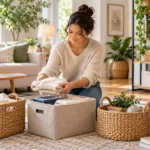
15 Small Home Organization Hacks That Save Space
Small homes can feel cluttered quickly, especially when everyday belongings compete for limited storage. A few thoughtful changes can make rooms easier to use without adding bulky furniture or expensive organizers. The goal is to give each item a sensible place and make the most of the space you already have.
These 15 home organization hacks focus on practical improvements: reducing duplicates, using overlooked areas, and arranging belongings where you naturally need them. You can try one idea at a time, starting with the room or storage problem that causes the most frustration.
Before buying bins or shelves, look at what you own and how you move through your home. The best space-saving system is one you can maintain, with frequently used items easy to reach and occasional items stored neatly out of the way.
Hacks 1–3: Clear Clutter and Use Hidden Space
1. Give each item a home. Choose a regular spot for keys, bags, chargers, and other things that tend to land on counters. When belongings have a clear home, it takes less time to tidy up and less space is lost to temporary piles. Keep the chosen spots close to where you use each item.
2. Store items inside other items. Nest mixing bowls, stack measuring cups, and place smaller bags inside a larger tote. This simple approach reduces the gaps between stored belongings and frees shelf or drawer space. Keep sets together so you can find what you need without unpacking an entire cupboard.
3. Use the space under your bed. Slide shallow containers beneath the bed for seasonal clothing, spare linens, or shoes you do not wear often. Choose containers that are easy to pull out and label them clearly. Avoid storing daily essentials there, since frequent bending and searching can make the system inconvenient.
Hacks 4–6: Organize Upward and Behind Doors
4. Add shelves above eye level. Walls often have unused vertical space, especially above desks, toilets, or low cabinets. A sturdy shelf can hold books, folded towels, or labeled baskets while keeping the floor clear. Store lighter or less frequently used belongings higher, and keep daily essentials within comfortable reach.
5. Hang organizers on the backs of doors. Over-the-door racks can hold shoes, cleaning supplies, pantry packets, or bathroom items. They make use of a surface that otherwise does little for storage. Check the door’s clearance before choosing an organizer, and avoid loading it so heavily that the door becomes difficult to close.
6. Use wall hooks for items you grab often. Hooks can hold coats, bags, headphones, robes, or reusable shopping totes. Placing them near the entrance or in a bedroom can prevent items from collecting on chairs and counters. Arrange hooks at a convenient height, and avoid crowding them so belongings remain easy to take down.
Hacks 7–9: Make Drawers and Furniture Work Harder
7. Divide drawers into zones. Small trays or adjustable dividers keep socks, utensils, stationery, and accessories from shifting into a jumble. Group similar items together and leave a little breathing room so drawers open and close smoothly. You can repurpose small boxes before buying dedicated organizers.
8. Choose furniture with built-in storage. A storage ottoman, bed with drawers, or bench with a lift-up seat can serve two purposes in one footprint. Use enclosed storage for items you want nearby but out of sight, such as blankets or board games. Measure carefully so doors and drawers still open fully.
9. Add a narrow cart where a cabinet will not fit. Rolling carts can use slim gaps beside a refrigerator, laundry machine, or desk. They are useful for pantry staples, toiletries, or craft supplies, and can move when you need access behind them. Measure the gap first, including handles and any nearby doors or appliances.
Hacks 10–12: Find Storage in Everyday Rooms
10. Use clear bins in deep cupboards. Transparent containers let you see what is inside without pulling everything out. Group items by purpose, such as baking supplies or spare toiletries, and label bins if contents are not obvious. A handle or pull-out basket can make items at the back easier to reach.
11. Install a second closet rod. If your closet has unused vertical room, a lower rod can double the hanging space for shorter garments. Keep longer clothing on the upper rod or at one end, and leave enough clearance for hangers to move. This works best when clothes are sorted by type or season.
12. Keep a small drop zone near the entrance. A compact tray, wall hook, and small basket can contain keys, mail, and daily carry items. Putting the setup near the door helps prevent these belongings from spreading across the home. Empty the mail basket regularly so the drop zone remains useful rather than becoming another clutter pile.
Hacks 13–15: Simplify What You Keep and Use
13. Store linens inside matching pillowcases. Fold a sheet set and place it inside one of its pillowcases to keep the pieces together. This makes the linen closet easier to scan and prevents loose pillowcases from taking up separate space. Stack the sets neatly, and keep only the number you regularly need.
14. Use labels on shared storage. A simple label on a basket or shelf tells everyone where items belong. Labels are especially helpful for children’s toys, pantry categories, cleaning products, and seasonal accessories. Keep them broad enough to allow items to be put away quickly, rather than creating a complicated system that needs constant upkeep.
15. Try a one-in, one-out rule for crowded categories. When you bring home a new mug, shirt, or kitchen tool, consider removing one you no longer use. This keeps collections from slowly expanding beyond the space available. It does not require strict minimalism; it simply helps you notice when storage is becoming overloaded.
Plan Before You Organize a Small Home
Start with one area rather than emptying every cupboard at once. Choose a drawer, shelf, or corner that causes daily inconvenience, then remove the items and sort them into keep, relocate, donate, or discard groups. Working in a small zone helps you finish the task and prevents temporary piles from spreading.
As you sort, notice which items you use often and which ones rarely leave storage. Frequently used belongings should be easy to access, while seasonal or occasional items can go higher, lower, or farther back. This simple distinction makes storage more functional without requiring you to get rid of useful possessions.
Measure the available space before choosing organizers or furniture. Note the width, depth, height, and any door or drawer clearance. A basket that looks suitable online may be awkward in a narrow cupboard, while a shallow container could fit beneath a bed where a taller one cannot.
Make Each Room Support Its Main Activities
Think about what happens in a room before deciding where belongings should go. In a living room, storage near seating might hold blankets and remote controls. In a kitchen, utensils belong close to the surfaces where you prepare food. Keeping items near their point of use reduces extra movement and makes cleanup easier.
Small rooms often need to serve more than one purpose. A dining table may double as a work surface, or a bedroom may also be used for exercise. Store supplies for each activity together in a portable basket or drawer, then return them to their storage area when the activity is finished.
Keep walkways and frequently used surfaces as clear as possible. A room may have enough storage but still feel cramped if bags, shoes, or small furniture block the natural path through it. Repositioning one item or moving storage to an unused wall can make a room feel more open without changing its size.
Choose Storage That Fits Your Home
Storage products should suit both the space and the items they hold. A deep basket can hide bulky blankets, while shallow trays make small accessories easier to see. Before buying anything, decide what will go inside, where the organizer will sit, and how often you need to reach its contents.
Open shelves make belongings visible and accessible, but they can look busy when filled with many small objects. Baskets and boxes can group loose items while keeping shelves tidy. Use open storage for attractive or frequently used belongings, and enclosed storage for items that are easier to manage when out of sight.
Use vertical organizers only where they are safe and practical. Heavy items belong on sturdy, lower shelves, while lightweight belongings can go higher. In rental homes, check what installation methods are allowed before drilling. Removable hooks or freestanding shelves can be alternatives when permanent changes are not suitable.
Keep Your Organization System Easy to Maintain
A good system should make putting things away nearly as easy as taking them out. If a container is difficult to open or a shelf is packed too tightly, items may end up on nearby surfaces instead. Leave some room in frequently used storage so belongings can be returned without rearranging everything.
Build small reset routines into activities you already do. Put shoes away when you come in, return kitchen tools after meals, or spend a few minutes clearing the living room before bed. Short, regular actions help prevent clutter from building up and reduce the need for long organizing sessions.
Review storage when your household needs change. A growing family, different work routine, or new hobby can make an old arrangement less useful. Reassign shelves or baskets as needed, and remove labels or dividers that no longer help. The system should adapt to your daily life instead of making it harder.
Avoid Common Small-Space Organizing Mistakes
Buying organizers before sorting can lead to storing items you do not need. It can also leave you with containers that are the wrong size or shape. First identify what you plan to keep, then choose storage that fits both those belongings and the available space.
Filling every shelf and cupboard to its limit can make items difficult to find and put away. Leave a little space in high-use areas and avoid stacking belongings so high that they fall or become hard to reach. An organized home should support everyday use, not just look full and tidy in a photograph.
When clutter builds up, even a familiar room can feel stressful. Begin with one shelf or drawer, and sort items into keep, donate, recycle, or discard piles. Simple Decluttering Hacks such as setting a ten-minute timer and clearing one small area at a time make progress easier.
Conclusion
Small home organization works best when it makes everyday activities easier. Use vertical space, divide drawers, choose multipurpose furniture, and give frequently used belongings convenient homes. These changes can free up surfaces and make compact rooms feel calmer without requiring a major renovation.
Try the 15 hacks gradually, beginning with one area that feels crowded or difficult to use. Measure before buying storage, keep useful items accessible, and let each room support the activities that happen there. A simple system is easier to maintain than one with too many rules.
Review your setup as your needs change, and make small adjustments when a storage spot stops working. The aim is not to make every home look the same; it is to create a practical, tidy space that works for you and the people who share it.
FAQs
How can I organize a small home without buying storage products?
Start by sorting belongings and using containers you already own, such as shoeboxes or baskets. Rearrange shelves, use vertical space, and give daily items consistent storage spots.
What is the best way to save space in a small bedroom?
Use under-bed storage for occasional items, add a second closet rod for shorter clothing, and choose furniture with built-in storage. Keep frequently used belongings easy to reach.
How do I keep a small home from getting cluttered?
Return items to their assigned places, clear high-traffic surfaces regularly, and review crowded categories before adding more. Small daily resets help prevent clutter from building up.
Are open shelves a good idea for small spaces?
Open shelves can make useful storage accessible, especially on unused walls. Group smaller belongings in baskets to reduce visual clutter and keep heavier items on sturdy, lower shelves.
What should I organize first in a small home?
Start with the space that causes the most daily frustration, such as an entryway, kitchen drawer, or crowded closet. Finish one small area before moving to the next.