


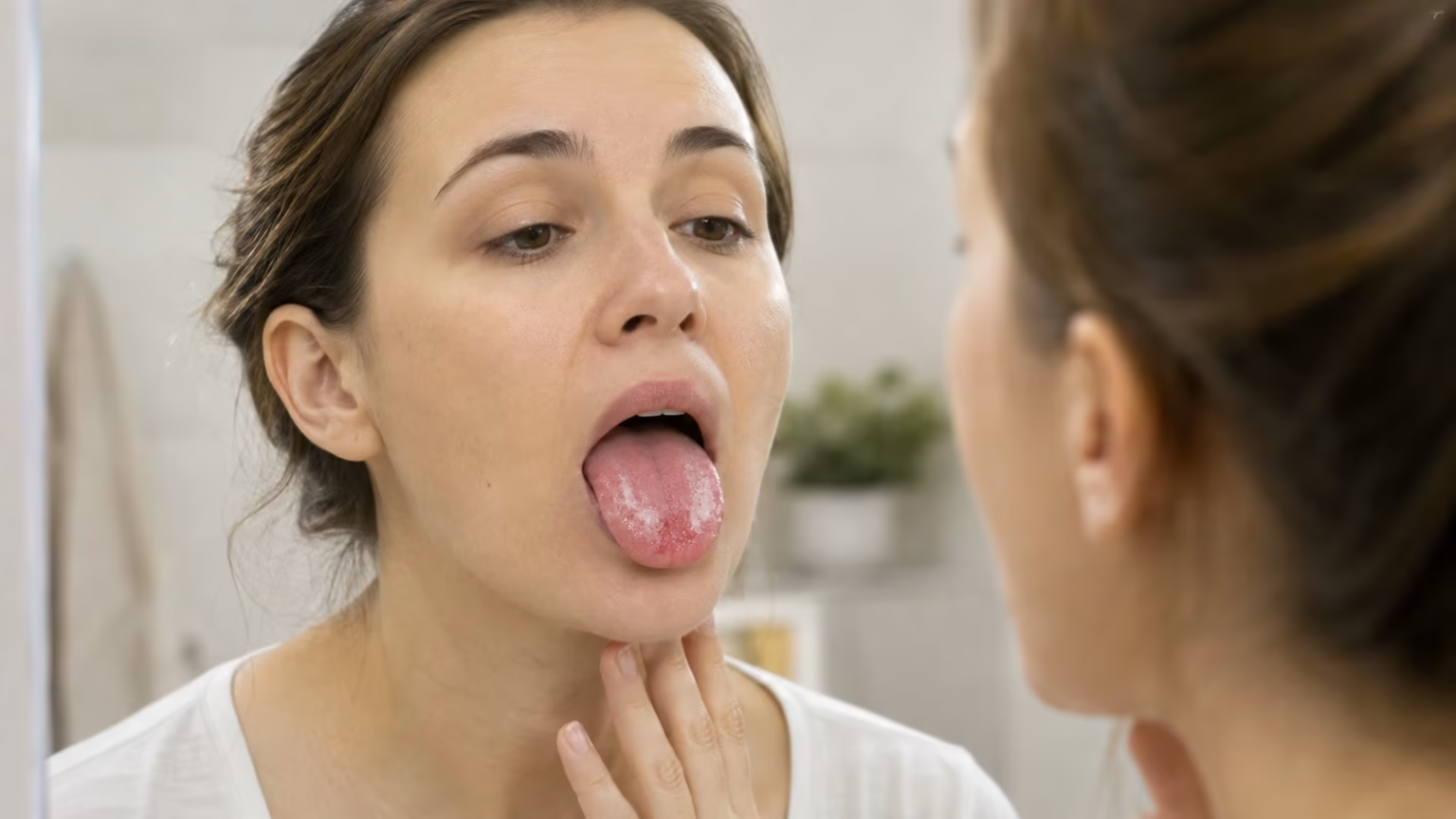
COVID Tongue: Signs, Causes & When to Seek Help
A sore, swollen, coated, or unusually red tongue can be worrying, especially when it appears during a respiratory illness. The informal term “COVID tongue” has been used to describe tongue and mouth changes reported by some people during or after a COVID-19 infection. It is not, however, a formal medical diagnosis or a reliable way to confirm the infection.
Reported oral symptoms have included tongue redness, swelling, altered surface texture, mouth ulcers, dry mouth, burning sensations, and changes in taste. These symptoms can occur for many reasons unrelated to COVID-19, including dehydration, oral thrush, allergies, medication reactions, nutritional deficiencies, irritation, and common tongue conditions.
Research has found an association between COVID-19 and several oral complaints, particularly altered taste and dry mouth. However, evidence that SARS-CoV-2 directly causes a unique tongue disorder remains limited and sometimes conflicting. Researchers continue to examine whether oral changes result from the virus, the immune response, illness-related dehydration, treatments, or several factors acting together.
A tongue change alone should therefore not be treated as proof of COVID-19. Current CDC symptom information includes fever, cough, sore throat, congestion, fatigue, body aches, breathing difficulty, headache, nausea, diarrhea, and new loss of taste or smell, but it does not list “COVID tongue” as a standard defining symptom.
What Is COVID Tongue?
COVID tongue is a non-medical phrase used to group together unusual changes affecting the tongue during a suspected or confirmed COVID-19 infection. It may describe inflammation, swelling, discoloration, sores, loss of the small bumps on the tongue, or a white coating that develops while a person is unwell.
The appearance is not the same in every reported case. One person may develop a smooth red tongue, while another notices raised bumps, painful patches, a burning sensation, or temporary changes in taste. Some people experience symptoms elsewhere in the mouth, including the lips, gums, inner cheeks, or roof of the mouth.
The term became popular because patients and clinicians began sharing observations of oral symptoms during the pandemic. Subsequent studies documented taste disturbance, xerostomia or dry mouth, ulcers, glossitis, candidiasis, and other lesions among some people with COVID-19. These findings do not establish one distinctive tongue pattern that identifies the infection.
It is more accurate to think of COVID tongue as a possible collection of oral manifestations rather than a separate disease. A healthcare professional may need to consider infection history, medications, oral hygiene, medical conditions, nutritional status, and the appearance and duration of the lesion before identifying the likely cause.
Common COVID Tongue Signs
A red or inflamed tongue is one of the changes people commonly associate with COVID tongue. The surface may look brighter than usual, feel tender, or appear smoother if some of the normal papillae become less noticeable. This inflammation is medically known as glossitis, although glossitis has many possible causes.
Some people report swollen or enlarged papillae, which are the small projections that create the tongue’s normal texture. These may look like prominent red bumps, especially near the front or back of the tongue. Irritation, viral illnesses, hot foods, accidental biting, and other everyday factors can produce a similar appearance.
Mouth ulcers or shallow sores may also develop on or beside the tongue. These lesions can sting when a person eats acidic, salty, spicy, or hot foods. Ulcers have been documented in studies of oral manifestations associated with COVID-19, but their presence is not specific enough to determine the underlying infection.
Other reported changes include a white or yellowish coating, tongue dryness, burning discomfort, bad taste, and altered flavor perception. A removable white coating with red or bleeding tissue underneath may suggest oral thrush rather than a direct viral lesion and should be assessed when it persists or causes significant pain.
Can COVID-19 Cause a White Tongue?
A white tongue can occur during a COVID-19 illness, but the color change does not necessarily mean that the virus has directly affected the tongue. Fever, dehydration, mouth breathing, reduced eating, and decreased saliva can allow dead cells, bacteria, and food debris to collect between the papillae.
A coated tongue may improve when hydration, eating patterns, and normal oral care return. The coating may look more noticeable in the morning or after prolonged mouth breathing. Gentle tongue cleaning can help, but aggressive scraping may injure already sensitive tissue and make redness or burning worse.
White patches may also indicate oral candidiasis, commonly called oral thrush. Thrush can cause creamy or velvety patches on the tongue and elsewhere in the mouth, sometimes leaving red areas that bleed slightly when wiped. Altered taste, soreness, burning, and pain when swallowing can occur as well.
People who recently used antibiotics, inhaled or systemic corticosteroids, or medicines that suppress immunity may have a higher likelihood of developing thrush. Diabetes, dentures, dry mouth, and weakened immune function may also contribute. A clinician or dentist can distinguish thrush from harmless coating and prescribe antifungal treatment when necessary.
Why Can the Tongue Become Red or Swollen?
Tongue redness may develop when the surface tissues become inflamed. During an infection, immune activity, fever, reduced fluid intake, and changes in saliva can irritate the oral tissues. Eating less than usual or switching to highly acidic drinks while ill may add further discomfort.
Swelling can also occur because of local irritation, accidental trauma, dental products, food sensitivity, or an allergic reaction. A rapidly enlarging tongue, especially when accompanied by lip or throat swelling, hives, wheezing, or difficulty breathing, should never be assumed to be a routine COVID-related symptom.
A red, smooth tongue may sometimes be connected to iron, folate, or vitamin B12 deficiency. Scarlet fever, geographic tongue, lichen planus, medication reactions, and other infections can also change the color or texture of the tongue. This broad range of causes makes self-diagnosis unreliable.
A healthcare professional may examine the mouth and ask about recent illness, medicines, diet, allergies, and other symptoms. Blood tests, infection testing, allergy assessment, or referral to a dentist or oral medicine specialist may be considered when the cause is unclear or the problem repeatedly returns.
COVID Tongue and Loss of Taste
Changes in taste have been among the better-recognized oral or sensory symptoms associated with COVID-19. A person may lose taste completely, notice weaker flavors, or experience unpleasant, metallic, bitter, or distorted tastes. Loss of smell can also make food seem tasteless because smell contributes strongly to flavor perception.
Taste changes can happen even when the tongue looks normal. The problem may involve smell pathways, taste receptors, saliva, inflammation, or nervous-system processing rather than visible damage to the tongue. For this reason, a normal-looking mouth does not rule out COVID-related taste disturbance.
Systematic reviews of oral manifestations have found altered taste to be reported more consistently than visible tongue lesions. Dry mouth has also appeared frequently in the research, although prevalence estimates vary widely because studies used different populations, definitions, and methods.
Taste usually improves as the infection resolves, but recovery time differs among individuals. Persistent or newly developing taste changes may occur as part of a post-COVID condition, although other causes such as medicines, nasal disease, dental problems, smoking, or nutrient deficiencies should also be considered.
Dry Mouth, Burning and Oral Discomfort
Dry mouth, medically called xerostomia, occurs when there is not enough saliva to keep the mouth comfortably moist. A person may notice a sticky sensation, cracked lips, thick saliva, difficulty swallowing dry food, increased thirst, or a tongue that feels rough and sensitive.
COVID-19 may contribute indirectly through fever, reduced drinking, nasal congestion, and mouth breathing. Some medications used during illness can also reduce saliva. Hospitalized patients may experience additional dryness from oxygen delivery, ventilation, prolonged fasting, or a more severe overall illness.
Saliva protects oral tissues, supports swallowing, helps control microorganisms, and begins the digestive process. When saliva is reduced, the tongue may become coated or sore, and the risk of dental decay, gum irritation, bad breath, and opportunistic infections can increase.
Frequent sips of water, sugar-free gum when safe, and avoidance of tobacco and alcohol-containing mouthwashes may ease mild dryness. Persistent dry mouth deserves professional attention because treatment depends on its cause and may require medication review, saliva substitutes, dental protection, or investigation for another condition.
What Causes COVID Tongue?
There is no single proven mechanism behind every case described as COVID tongue. One possibility is that infection and the body’s inflammatory response temporarily affect oral tissues, taste pathways, or salivary function. However, finding an oral symptom during COVID-19 does not prove that the virus directly caused the lesion.
Reduced saliva may create an environment in which the tongue becomes dry, coated, irritated, or more vulnerable to microorganisms. Dehydration from fever, sweating, diarrhea, reduced appetite, or inadequate fluid intake can intensify these changes, particularly in older adults and people who are already medically vulnerable.
Treatments and illness-related circumstances can also contribute. Antibiotics may disturb the normal oral microbial balance, while corticosteroids can increase susceptibility to candidiasis in some people. Oxygen therapy, breathing tubes, reduced oral care, and nutritional difficulties may further affect the mouth during severe illness.
Stress, sleep disruption, teeth grinding, accidental biting, and changes in diet can trigger or worsen oral problems as well. Current evidence therefore supports a multifactorial explanation in many cases rather than one universal tongue condition caused solely by SARS-CoV-2.
Is COVID Tongue Contagious?
A tongue lesion itself is not generally described as something that passes directly from one person to another. However, COVID-19 is caused by the contagious SARS-CoV-2 virus, so someone with oral changes and other symptoms may still be able to spread the respiratory infection.
People who develop tongue changes alongside fever, cough, sore throat, congestion, fatigue, or a new loss of taste or smell should consider COVID-19 testing according to local public health guidance. Testing is more useful than trying to identify the infection from the appearance of the tongue.
Other causes of oral symptoms may involve transmissible organisms. Viral cold sores, certain childhood infections, and some fungal or bacterial problems can affect the mouth, although their patterns and routes of spread differ. A professional examination can help when multiple household members develop similar symptoms.
Until the cause is clearer, avoid sharing toothbrushes, drinking glasses, eating utensils, lip products, or dental appliances. Maintain ordinary hand and respiratory hygiene, clean removable dental devices properly, and take reasonable steps to avoid exposing others when you are experiencing symptoms of an infectious illness.
How COVID Tongue Differs From Oral Thrush
Oral thrush is a fungal infection caused by an overgrowth of Candida organisms. It commonly creates white or cream-colored patches on the tongue, inner cheeks, gums, palate, or throat. The patches may reveal inflamed tissue and slight bleeding when they are gently wiped or scraped.
COVID tongue is a broader, informal label that may refer to redness, swelling, bumps, ulcers, coating, dryness, burning, or taste changes. It has no single diagnostic appearance, and it cannot be confirmed through a visual inspection alone. Thrush, by comparison, is a recognizable medical condition with specific antifungal treatments.
Thrush may become more likely after antibiotic use, steroid treatment, immune suppression, or prolonged illness. Because some people with COVID-19 experience these circumstances, candidiasis may occur alongside or after the infection without being a direct symptom of the virus itself.
Do not try to remove persistent white plaques by force or use leftover antifungal medicine without advice. A clinician may diagnose thrush through its appearance and medical history, while uncertain or recurring cases may require testing and investigation for contributing health conditions.
Other Conditions That Can Look Like COVID Tongue
Geographic tongue causes smooth, irregular red patches surrounded by pale or whitish borders. The pattern may move to different areas over time and can sometimes produce sensitivity to spicy or acidic foods. It is not caused exclusively by COVID-19 and may occur in otherwise healthy people.
Canker sores are small, painful ulcers that can appear on the tongue, lips, or inside the cheeks. Stress, minor injury, nutritional problems, hormonal changes, and certain foods can contribute. These sores often heal without treatment, although large, recurring, or unusually persistent ulcers need evaluation.
A white or sore tongue can also result from oral thrush, lichen planus, leukoplakia, anemia, scarlet fever, burns, biting, smoking, dry mouth, or poorly fitting dental appliances. Allergic reactions and medication side effects may produce sudden swelling or widespread oral irritation.
A persistent mouth ulcer or patch should not automatically be attributed to a recent infection. An ulcer lasting more than three weeks, a non-removable white or red patch, unexplained bleeding, a neck lump, numbness, or difficulty swallowing should be examined to exclude more serious oral disease.
Can Tongue Changes Diagnose COVID-19?
Tongue redness, coating, sores, or swelling cannot diagnose COVID-19 because these findings overlap with many other conditions. Even common respiratory symptoms can resemble influenza, respiratory syncytial virus, allergies, or another infection, making testing more dependable than symptom recognition alone.
A viral test can help determine whether SARS-CoV-2 is present when a person has compatible symptoms or a recent exposure. A negative rapid antigen result early in an illness may not always rule out infection, so follow the instructions provided with the test and current local recommendations about repeat testing.
If you have risk factors for severe COVID-19, contact a healthcare professional promptly after symptoms begin or after a positive test. Current treatment guidance emphasizes that antiviral options for eligible people must be started early, generally within the first several days of illness.
People without other COVID symptoms should consider additional explanations for the tongue change. A dentist, primary care clinician, dermatologist, or oral medicine specialist may be able to identify trauma, infection, allergy, deficiency, inflammation, or another cause that requires different treatment.
How Long Does COVID Tongue Last?
There is no established duration for COVID tongue because the term covers several different oral symptoms and causes. A mild coating caused by dehydration may improve within days, while an ulcer, fungal infection, inflammatory condition, or persistent taste disturbance may follow a different course.
Symptoms linked to an acute viral illness may improve as fever, congestion, appetite, and hydration return to normal. However, visible tongue changes can continue if dry mouth, irritation, medication exposure, poor nutrition, or secondary infection remains unresolved.
Some people report prolonged taste changes or dry mouth after the acute stage of COVID-19. A 2025 systematic review found that oral symptoms, including taste disturbance and xerostomia, have been described in post-COVID conditions, although the evidence varies and more research is needed.
Arrange an assessment when symptoms are worsening, repeatedly returning, interfering with eating, or failing to improve. Any ulcer or unexplained patch that remains for approximately three weeks should be evaluated rather than repeatedly treated at home.
How to Care for a Sore Tongue at Home
Drink water regularly and choose soft, mild foods while the tongue is tender. Cool foods may feel more comfortable than very hot meals. Soups should be allowed to cool, and rough foods such as hard chips or crusty bread may need to be avoided temporarily.
Reduce foods and drinks that trigger burning, including spicy meals, acidic fruit, vinegar, very salty snacks, and alcohol. Tobacco and vaping may also delay healing or worsen oral dryness. Maintaining adequate nutrition is important, so seek advice if pain prevents normal eating.
Brush the teeth gently with a soft-bristled toothbrush and keep removable dental appliances clean. The tongue may be lightly cleaned when comfortable, but forceful scraping, picking at ulcers, or repeatedly rubbing a swollen area can increase inflammation and introduce further injury.
A mild saltwater rinse may soothe some minor mouth irritation, but it should be spat out rather than swallowed. Avoid applying undiluted peroxide, alcohol, aspirin, essential oils, or harsh household products to the tongue, as these can burn the tissue and worsen the problem.
Should You Use Medicine for COVID Tongue?
There is no specific medicine approved for a condition called COVID tongue. Treatment depends on what is actually causing the symptom. Simple irritation may require only hydration and gentle oral care, while thrush, severe inflammation, allergy, or nutritional deficiency needs targeted management.
Over-the-counter pain relievers may help with illness-related discomfort when they are appropriate for your age, health conditions, pregnancy status, and current medications. Always follow the product instructions and consult a pharmacist or clinician when you are unsure about interactions or safe dosing.
Prescription antifungal treatment is used for confirmed or strongly suspected oral thrush, not every white tongue. Antibiotics do not treat COVID-19 or fungal infections and should not be used unless a qualified clinician identifies a bacterial condition requiring them.
People at increased risk of severe COVID-19 should ask about antiviral treatment as soon as possible. Current CDC guidance states that treatment can reduce the risk of severe illness for eligible patients and needs to begin within a limited period after symptoms start.
When to Contact a Doctor or Dentist
Contact a healthcare professional if tongue pain or swelling is getting worse, lasts longer than expected, or makes eating and drinking difficult. Dehydration can develop when mouth pain prevents adequate fluid intake, particularly in young children, older adults, and medically vulnerable people.
Arrange an examination for white patches that do not improve, frequently recurring ulcers, persistent burning, unexplained taste changes, or symptoms that begin after a new medicine. A clinician should also assess suspected thrush, especially in someone with diabetes or weakened immunity.
A dentist or doctor should examine any mouth ulcer or unusual red or white patch that lasts about three weeks. Earlier care is appropriate when the area is hard, painless but persistent, repeatedly bleeds, or occurs with a neck lump, numbness, unexplained weight loss, or swallowing difficulty.
Seek prompt COVID-19 care after a positive test when you are older, immunocompromised, pregnant, or living with medical conditions that increase the risk of severe disease. Early contact matters because available antiviral treatments have a short window in which they must be started.
When COVID Tongue Is an Emergency
Call your local emergency service immediately if tongue, lip, mouth, or throat swelling makes it difficult to breathe. Rapid swelling can be a sign of a serious allergic reaction and should not be monitored at home while waiting to see whether it improves.
Difficulty swallowing saliva, drooling, a muffled voice, severe throat tightness, or rapidly spreading facial swelling also requires urgent assessment. These symptoms may threaten the airway regardless of whether the person has COVID-19.
Emergency warning signs of severe COVID-19 include trouble breathing, persistent chest pain or pressure, new confusion, inability to wake or remain awake, and pale, gray, or blue discoloration of the lips, skin, or nail beds, depending on skin tone.
A tongue symptom should not distract from the person’s overall condition. Severe weakness, signs of dehydration, worsening breathing, reduced alertness, or a sudden decline deserves urgent medical attention even when the mouth changes initially appeared mild.
Understanding COVID Tongue Without Panicking
COVID tongue is an informal description for oral symptoms reported during or after COVID-19, including redness, swelling, coating, ulcers, dryness, burning, bumps, and taste changes. It does not describe one consistent lesion, and it is not included as a standard diagnostic symptom.
Evidence suggests that oral manifestations can accompany COVID-19, but their causes are likely complex. Viral illness, inflammation, dehydration, medication effects, changes in saliva, secondary infections, and disrupted oral care may all play a part in different patients.
Most minor tongue changes are not emergencies and may improve with hydration, gentle oral hygiene, and recovery from the underlying illness. Nevertheless, a visual change cannot determine its own cause, so persistent, severe, or recurrent symptoms should be professionally assessed.
The safest approach is to consider the full picture. Use an appropriate test when COVID-19 is suspected, seek early treatment advice when you are at increased risk, and obtain urgent help for breathing difficulty, rapid tongue swelling, severe swallowing problems, or other emergency warning signs.
Frequently Asked Questions
Is COVID tongue a confirmed symptom of COVID-19?
COVID tongue is not a formal diagnosis or a standard defining symptom. Oral changes have been reported with COVID-19, but they can have many other causes and cannot confirm infection without testing.
What does COVID tongue usually look like?
It may appear red, swollen, smooth, bumpy, coated, dry, or ulcerated. There is no single appearance shared by every patient, which is why medical assessment may be needed.
Can COVID-19 cause bumps on the tongue?
Raised or inflamed papillae have been reported during COVID-19, but bumps can also result from irritation, burns, allergies, viral illnesses, or normal tongue anatomy.
How do I know whether a white tongue is thrush?
Thrush often creates creamy white patches that may expose sore, red, or slightly bleeding tissue when wiped. A clinician can confirm the cause and recommend antifungal treatment if needed.
When should I worry about tongue swelling?
Seek emergency help when swelling is rapid or affects breathing, swallowing, or the throat. Contact a clinician for persistent swelling, significant pain, recurring symptoms, or an unexplained lesion lasting around three weeks.