


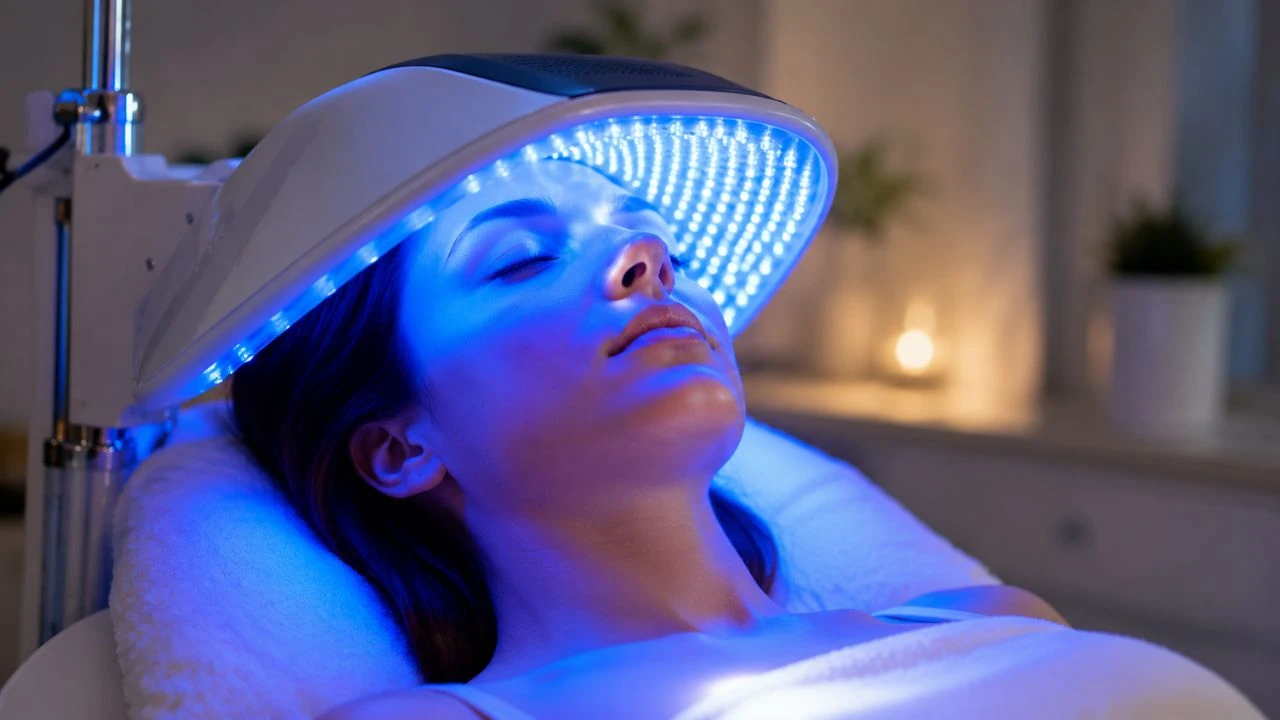
Blue light therapy has become a widely recognized treatment for improving skin health without the need for invasive procedures. It uses specific wavelengths of visible blue light to target skin concerns while minimizing discomfort and recovery time. Many dermatologists recommend this treatment because it is effective, safe, and suitable for a variety of skin conditions. Understanding how blue light therapy works can help you decide whether it is the right option for your skincare goals.
Unlike treatments that rely on harsh chemicals or surgery, blue light therapy works by delivering controlled light energy directly to the affected area. This process helps reduce harmful bacteria, improve skin clarity, and support the body’s natural healing response. It is commonly used in professional clinics, although approved at-home devices are also available. As interest in non-invasive skincare continues to grow, blue light therapy remains a popular solution.
People often ask, What does blue light therapy do? because its benefits extend beyond simply treating acne. Depending on the condition being addressed, it may improve skin texture, reduce inflammation, and help manage chronic skin disorders. Treatment plans vary based on individual needs and the severity of the skin concern. A dermatologist can recommend the most effective approach for achieving the best results.
This guide explains the science behind blue light therapy, its benefits, possible side effects, and what to expect during treatment. It also compares blue light therapy with other light-based treatments to help you understand the differences. Whether you are considering professional care or researching at-home options, this article provides the essential information you need. By the end, you will have a clear understanding of how blue light therapy supports healthier skin.
What Is Blue Light Therapy?
Blue light therapy is a non-invasive medical and cosmetic treatment that uses specific wavelengths of blue light to target skin concerns. It is commonly performed by dermatologists and skincare professionals using specialized light-emitting devices. The treatment focuses on improving skin health without damaging the surrounding tissues or requiring lengthy recovery periods. Its effectiveness has made it one of the most popular light-based therapies available today.
Unlike ultraviolet light, therapeutic blue light is carefully controlled to provide skin benefits while minimizing unnecessary exposure. The treatment works at the surface of the skin where many bacteria and damaged cells are located. Sessions are usually quick, making them convenient for people with busy schedules. Most individuals can return to their normal daily activities immediately after treatment.
Blue light therapy is most commonly associated with acne treatment because it targets bacteria responsible for breakouts. However, healthcare professionals also use it to manage certain precancerous skin conditions and improve overall skin appearance. The versatility of this treatment continues to expand as new research explores additional medical applications. This makes blue light therapy valuable for both cosmetic and therapeutic purposes.
Although results may vary between individuals, many people notice gradual improvements after completing multiple treatment sessions. Consistency is important because skin healing occurs over time rather than immediately after one visit. Following professional recommendations helps maximize treatment effectiveness while reducing potential side effects. Understanding the basics of blue light therapy creates realistic expectations before beginning treatment.
How Blue Light Therapy Works
Blue light therapy works by delivering concentrated wavelengths of blue light directly onto targeted areas of the skin. The light penetrates the upper layers where it interacts with acne-causing bacteria and damaged skin cells. This process triggers biological reactions that help reduce inflammation and support healthier skin function. The treatment is carefully controlled to maximize benefits while protecting surrounding tissue.
One of the primary mechanisms involves destroying Cutibacterium acnes, the bacteria responsible for many acne breakouts. These bacteria naturally produce compounds that absorb blue light and become highly reactive during treatment. The reaction damages bacterial cells without harming healthy skin significantly. As bacterial levels decrease, future breakouts often become less frequent and less severe.
Blue light therapy may also influence cellular activity by reducing inflammation associated with several skin conditions. Lower inflammation allows the skin to recover more efficiently while minimizing redness and irritation. Some treatments combine blue light with photosensitizing medications to improve effectiveness for certain medical conditions. This combination is commonly used in dermatology for targeted skin therapies.
Each treatment session typically lasts only a short period depending on the size of the treatment area. Most patients require several sessions to achieve noticeable improvements because skin healing is a gradual process. Dermatologists determine the number of treatments based on individual skin concerns and treatment goals. Following the recommended schedule helps produce the best possible outcomes.
Why Blue Light Is Used in Treatment
Blue light is used because its wavelength effectively targets acne-causing bacteria while causing minimal damage to surrounding healthy skin. This selective action makes it safer than many aggressive treatment options available today. The treatment is non-invasive and does not involve injections or surgical procedures. These qualities contribute to its popularity among patients seeking gentle skincare solutions.
Healthcare providers also appreciate blue light therapy because it can reduce the need for long-term antibiotic use in acne management. Overuse of antibiotics may contribute to bacterial resistance, making alternative treatments increasingly valuable. Blue light offers a drug-free approach that complements other skincare therapies when appropriate. This flexibility allows customized treatment plans for different patients.
Another advantage is that blue light therapy usually involves little to no downtime following treatment sessions. Patients often resume work, school, or daily activities immediately after leaving the clinic. Mild redness may occur temporarily but generally resolves within a short period. The convenience of treatment encourages better adherence to recommended therapy schedules.
Ongoing research continues to explore additional uses of blue light therapy beyond acne and common dermatological conditions. Scientists are investigating its potential role in wound healing, infection control, and other medical applications. While some uses remain under study, current evidence supports several well-established benefits. Continued innovation is expected to expand the future possibilities of blue light therapy.
What Does Blue Light Therapy Do?
Blue light therapy improves skin health by targeting harmful bacteria, reducing inflammation, and supporting the skin’s natural healing processes. It is widely used to treat acne but also benefits people with several other skin conditions. Because it is non-invasive, many individuals choose it as an alternative to more aggressive treatment methods. Its growing popularity reflects both its safety profile and consistent clinical results.
The treatment works gradually through multiple sessions rather than producing instant changes after a single appointment. Improvements become more noticeable as bacterial populations decrease and inflammation subsides over time. Patients often experience fewer breakouts and healthier-looking skin after completing a recommended treatment plan. Long-term maintenance may help preserve these improvements.
Blue light therapy is frequently combined with personalized skincare routines to enhance treatment effectiveness and maintain healthier skin. Dermatologists may recommend complementary products that reduce irritation while supporting skin recovery between sessions. Combining professional treatments with proper skincare often leads to better long-term outcomes. Following medical advice remains important for achieving the best possible results.
Understanding what blue light therapy does helps patients develop realistic expectations before beginning treatment. While it is highly effective for many people, results depend on skin type, condition severity, and treatment consistency. Professional evaluation ensures the therapy is appropriate for each individual’s needs. A customized treatment plan provides the greatest opportunity for lasting improvement.
Helps Treat Acne
Blue light therapy is best known for treating mild to moderate acne by targeting the bacteria responsible for breakouts. Reducing bacterial growth helps prevent clogged pores from developing into inflamed pimples and blemishes. Many patients notice fewer active breakouts after completing a series of treatment sessions. Continued maintenance may help keep acne under better control over time.
Unlike some medications, blue light therapy does not rely on antibiotics to improve acne symptoms. This makes it a valuable option for individuals seeking non-drug alternatives for long-term skincare. The treatment may also reduce dependence on oral medications in certain cases. Dermatologists often include blue light therapy within comprehensive acne treatment plans.
The treatment is generally well tolerated by most skin types when performed according to professional recommendations. Mild redness or temporary dryness may occur but usually resolves without significant complications. Following aftercare instructions helps support healthy skin recovery after each session. Consistency remains important for achieving the most noticeable improvements.
Although blue light therapy produces positive results for many patients, severe acne may require additional medical treatments. Dermatologists evaluate each person’s condition before recommending the most suitable approach. Combining therapies may provide greater improvements than relying on a single treatment alone. Personalized care helps maximize both safety and effectiveness.
Reduces Acne-Causing Bacteria
Blue light therapy is highly effective at reducing Cutibacterium acnes, the bacteria responsible for many acne breakouts. These bacteria live deep within clogged pores and contribute to inflammation, redness, and painful pimples. Blue light penetrates the skin’s surface and activates natural compounds inside the bacteria, destroying them without harming surrounding healthy tissue. As bacterial levels decrease, the skin becomes clearer and less prone to future breakouts.
Unlike antibiotics, blue light therapy does not contribute to antibiotic resistance, making it a valuable long-term treatment option. This is especially beneficial for individuals who have used antibiotics for extended periods without lasting results. By targeting bacteria directly, blue light therapy provides a non-drug approach to acne management. Many dermatologists recommend it as part of a personalized skincare treatment plan.
Reducing acne-causing bacteria also helps calm inflammation that often accompanies persistent breakouts. Less inflammation means fewer swollen pimples, reduced redness, and a lower chance of developing acne scars. Patients usually notice gradual improvements after several treatment sessions rather than immediate results. Consistency is essential for maintaining healthier and clearer skin over time.
Although blue light therapy significantly reduces bacterial activity, it works best when combined with proper skincare habits. Cleansing the skin regularly, using non-comedogenic products, and following professional advice improve treatment outcomes. A balanced skincare routine supports the healing process between appointments. Together, these practices help maintain long-lasting improvements in skin health.
Improves Skin Appearance
Blue light therapy contributes to healthier-looking skin by reducing blemishes, controlling breakouts, and creating a clearer complexion. As acne improves, many people notice smoother skin with fewer visible imperfections. The treatment also helps minimize redness associated with inflamed acne lesions over time. These gradual improvements boost confidence while promoting healthier skin overall.
Clearer skin often develops because blue light therapy addresses one of the root causes of acne rather than simply treating symptoms. By lowering bacterial activity and reducing inflammation, the skin has an opportunity to heal naturally. Healthy skin renewal becomes more effective as irritation decreases. This process leads to a brighter and more balanced complexion.
Many patients also experience improved skin texture after completing a full treatment series. Fewer active breakouts reduce the likelihood of developing rough or uneven skin surfaces. While blue light therapy does not remove deep scars, it supports healthier skin recovery over time. Dermatologists may recommend combining treatments for more comprehensive skin improvement.
Maintaining results requires consistency and a proper skincare routine after treatment sessions are complete. Daily sun protection, gentle cleansing, and dermatologist-approved skincare products help preserve the benefits achieved through therapy. Healthy lifestyle habits also contribute to better overall skin quality. Long-term care ensures improvements remain visible for as long as possible.
Supports Wound Healing
Blue light therapy may support wound healing by reducing harmful bacteria that could interfere with the body’s natural repair process. Cleaner wounds are generally less likely to develop infections that delay healing. Researchers continue to study how blue light influences tissue repair in different medical settings. Current findings suggest it may provide valuable support when used appropriately.
Certain medical professionals use blue light therapy alongside other treatments to help manage difficult skin wounds. By controlling bacterial growth, the treatment creates a healthier environment for damaged tissue to recover. Reduced infection risk allows the body’s healing mechanisms to function more efficiently. This approach may improve outcomes in selected clinical situations.
Inflammation often slows the healing process, especially when bacteria remain active within damaged tissue. Blue light therapy helps reduce bacterial activity, which may also decrease inflammation in affected areas. Lower inflammation encourages healthier tissue repair while reducing discomfort during recovery. Individual results depend on the type and severity of the wound being treated.
Although blue light therapy shows promise in wound care, it should not replace standard medical treatment for serious injuries. Healthcare professionals determine whether this therapy is appropriate based on each patient’s condition. Proper wound care, hygiene, and follow-up remain essential for successful recovery. Combining therapies often provides the most effective healing results.
Treats Certain Skin Conditions
Blue light therapy is used to manage several skin conditions beyond acne, making it a versatile dermatological treatment. Depending on the condition, it may reduce inflammation, control bacterial growth, or eliminate abnormal skin cells. Dermatologists carefully evaluate each patient before recommending the most suitable treatment plan. Professional guidance ensures safe and effective use for different skin concerns.
Some precancerous skin conditions respond well to blue light therapy when combined with specialized medications. This approach, known as photodynamic therapy, targets damaged cells while minimizing harm to healthy surrounding tissue. The treatment helps reduce abnormal cell growth and supports healthier skin regeneration. It is commonly performed under medical supervision for the best outcomes.
Certain inflammatory skin disorders may also benefit from carefully planned blue light treatments. Although results vary, some patients experience reduced redness, irritation, and discomfort after completing therapy. Ongoing research continues to evaluate the effectiveness of blue light for additional dermatological conditions. Scientific advancements may expand future treatment possibilities even further.
Blue light therapy is not suitable for every skin condition, so professional diagnosis remains extremely important before treatment begins. Dermatologists consider skin type, medical history, and treatment goals before making recommendations. Personalized care improves safety while increasing the likelihood of successful results. Choosing the appropriate therapy ensures the best possible outcome for each patient.
Conditions That Blue Light Therapy Can Treat
Blue light therapy has become an established treatment for several medical and cosmetic skin conditions. Its ability to reduce bacteria, minimize inflammation, and target abnormal cells makes it useful in dermatology. While acne remains the most common reason for treatment, healthcare providers use blue light for other conditions as well. The specific treatment approach depends on the patient’s diagnosis and overall skin health.
Acne Vulgaris
Acne vulgaris is the most common condition treated with blue light therapy because bacteria play a major role in its development. Blue light targets these bacteria, reducing inflammation and preventing new pimples from forming. Regular treatment sessions often result in fewer breakouts and healthier-looking skin over time. Many patients combine therapy with dermatologist-approved skincare products for better results.
Blue light therapy works particularly well for mild to moderate inflammatory acne affecting the face, chest, or back. It reduces active breakouts without the need for invasive procedures or extended recovery periods. Most treatment plans involve multiple sessions scheduled over several weeks for gradual improvement. Consistent attendance helps achieve the most noticeable and lasting outcomes.
Patients who cannot tolerate certain acne medications may benefit from blue light therapy as an alternative treatment option. Because it does not rely on antibiotics, it avoids concerns about bacterial resistance associated with long-term medication use. Dermatologists customize treatment schedules according to the severity of each individual’s acne. Personalized care improves both effectiveness and patient satisfaction.
Although blue light therapy provides significant benefits, severe cystic acne may require additional medical treatments alongside light therapy. Combination approaches often deliver better overall results than a single treatment method alone. Regular follow-up appointments allow dermatologists to monitor progress and adjust treatment plans when necessary. This comprehensive strategy supports healthier skin over the long term.
Actinic Keratosis
Actinic keratosis is a precancerous skin condition caused by years of exposure to ultraviolet (UV) radiation from the sun. It often appears as rough, scaly patches on areas frequently exposed to sunlight, including the face, scalp, ears, and hands. If left untreated, some lesions may develop into skin cancer over time. Early diagnosis and treatment help reduce this risk significantly.
Blue light therapy is commonly used as part of photodynamic therapy (PDT) to treat actinic keratosis effectively. Before treatment, a light-sensitive medication is applied to the affected skin to target abnormal cells. The blue light activates the medication, destroying damaged cells while preserving most healthy surrounding tissue. This approach offers a precise and minimally invasive treatment option.
Many patients appreciate blue light therapy because it can treat multiple lesions during a single treatment session. This makes it more efficient than removing each lesion individually through surgical procedures. Although temporary redness and peeling may occur afterward, these effects usually improve within several days. Following aftercare instructions supports faster recovery and better treatment outcomes.
Dermatologists recommend regular skin examinations even after successful treatment because new lesions can develop over time. Protecting the skin with sunscreen and limiting excessive sun exposure helps reduce future damage. Early detection remains essential for maintaining healthy skin and preventing complications. Long-term skin care plays an important role in overall treatment success.
Psoriasis
Psoriasis is a chronic autoimmune skin condition that causes skin cells to multiply more rapidly than normal. This process leads to thick, red, and scaly patches that may become itchy or uncomfortable over time. The severity of psoriasis varies greatly between individuals and often requires long-term management. Proper treatment helps control symptoms and improve quality of life.
Although ultraviolet light therapy is more commonly used for psoriasis, researchers continue to study the role of blue light therapy. Some evidence suggests blue light may reduce inflammation without exposing patients to ultraviolet radiation. This makes it an interesting option for selected individuals with mild symptoms. More clinical research is still needed to confirm its long-term effectiveness.
Blue light therapy may help slow excessive skin cell growth while reducing redness and irritation associated with psoriasis plaques. Patients who respond well often experience gradual symptom improvement after multiple treatment sessions. Because psoriasis is a chronic condition, maintenance therapy may be necessary to sustain results. Treatment plans should always be supervised by qualified healthcare professionals.
Lifestyle habits also influence psoriasis management alongside professional medical care. Stress reduction, proper skincare, and avoiding known triggers may help minimize symptom flare-ups. Combining healthy habits with appropriate treatments often produces better long-term outcomes. Dermatologists develop personalized treatment strategies based on each patient’s condition and medical history.
Eczema
Eczema, also called atopic dermatitis, is a chronic skin condition characterized by dryness, itching, inflammation, and irritation. Symptoms often appear in cycles, with flare-ups followed by periods of improvement. Managing eczema focuses on controlling inflammation while protecting the skin’s natural barrier. Proper treatment helps reduce discomfort and prevent recurring flare-ups.
Researchers continue exploring whether blue light therapy can benefit certain individuals with eczema symptoms. Early studies suggest it may reduce inflammation and improve skin condition without exposing patients to ultraviolet radiation. However, treatment responses vary depending on the severity and type of eczema. More scientific evidence is needed before it becomes a standard treatment option.
Some patients report improvements in itching and skin redness after completing carefully supervised blue light therapy sessions. Reducing inflammation may help the skin heal more effectively while improving overall comfort. Moisturizing regularly and avoiding irritants remain essential parts of eczema management regardless of treatment choice. Combining therapies often provides better symptom control than relying on one approach alone.
Individuals considering blue light therapy for eczema should consult a dermatologist before beginning treatment. A professional evaluation ensures the therapy is appropriate for their specific condition and skin type. Personalized treatment plans improve safety while increasing the chances of successful outcomes. Regular follow-up appointments allow adjustments based on the patient’s progress.
Sun Damage
Long-term exposure to ultraviolet radiation gradually damages the skin, leading to discoloration, rough texture, fine lines, and precancerous changes. Sun damage accumulates over many years and increases the risk of developing certain skin conditions. Preventive skincare and early treatment help minimize long-term complications. Protecting the skin from additional UV exposure remains essential throughout life.
Blue light therapy may be used in combination with photodynamic therapy to treat sun-damaged skin containing abnormal or precancerous cells. The treatment selectively targets damaged tissue while minimizing injury to surrounding healthy skin. This precise approach supports healthier skin renewal and reduces the need for more invasive procedures. Dermatologists commonly recommend it for carefully selected patients.
Treatment results often develop gradually as damaged cells are removed and healthier skin replaces them over time. Mild redness, peeling, or sensitivity may occur temporarily following treatment sessions. Most patients recover within several days while experiencing noticeable improvements in skin appearance. Following aftercare instructions supports faster healing and better overall outcomes.
Preventing future sun damage remains just as important as treating existing skin problems. Daily sunscreen use, protective clothing, and avoiding excessive sun exposure reduce the risk of additional skin damage. Regular skin examinations also help detect abnormal changes at an early stage. Healthy sun protection habits support long-term skin health and treatment success.
Benefits of Blue Light Therapy
Blue light therapy offers several advantages that make it a popular choice for treating various skin conditions. It provides effective results while avoiding many of the risks associated with invasive procedures or long-term medication use. Patients often appreciate the convenience and minimal recovery time following treatment sessions. These benefits contribute to its growing use in both medical and cosmetic dermatology.
Non-Invasive Treatment
Blue light therapy is completely non-invasive because it does not require surgery, injections, or incisions to achieve results. The treatment simply exposes the skin to controlled wavelengths of blue light using specialized equipment. Patients generally experience little discomfort during the procedure and recover quickly afterward. This makes it an attractive option for individuals seeking gentle skin treatments.
Unlike surgical procedures, blue light therapy carries a much lower risk of scarring and infection when performed correctly. Most individuals return to normal daily activities immediately after each treatment session without significant limitations. The absence of surgical recovery allows patients to maintain their regular schedules more easily. Convenience is one of the reasons many people choose this therapy.
The non-invasive nature of blue light therapy also makes it suitable for repeated treatment sessions when necessary. Since skin conditions often improve gradually, multiple appointments are commonly recommended for optimal results. Regular treatments help maintain improvements while minimizing unnecessary risks. Dermatologists adjust treatment frequency according to each patient’s needs.
Although blue light therapy is gentle, professional supervision remains important to ensure safe and effective treatment. Healthcare providers evaluate skin type, medical history, and treatment goals before beginning therapy. Individualized care helps maximize benefits while reducing the likelihood of unwanted side effects. Proper guidance supports successful long-term outcomes.
Minimal Downtime
One of the biggest advantages of blue light therapy is that it requires very little downtime after each session. Most patients can return to work, school, or their normal daily routine immediately following treatment. Unlike surgical procedures, there is no lengthy recovery period or significant interruption to everyday activities. This convenience makes blue light therapy an appealing option for busy individuals.
Some patients may experience mild redness, dryness, or slight skin sensitivity after treatment, but these effects are usually temporary. The symptoms often disappear within a few hours or a couple of days without requiring special medical care. Following the dermatologist’s aftercare instructions helps reduce irritation and supports faster skin recovery. Gentle skincare products can also improve comfort during the healing process.
Because recovery is generally quick, patients can easily schedule treatment sessions around their regular responsibilities. This flexibility allows individuals to continue their professional and personal commitments without major disruptions. Many people appreciate being able to receive treatment during a lunch break or after work. The convenience encourages better consistency with recommended treatment schedules.
Although downtime is minimal, protecting the treated skin remains important after every session. Patients should avoid excessive sun exposure and use broad-spectrum sunscreen to prevent unnecessary irritation. Moisturizing the skin also supports healthy healing and maintains treatment results. Proper aftercare helps maximize the long-term benefits of blue light therapy.
Safe for Most Skin Types
Blue light therapy is considered safe for most skin types when performed by trained healthcare professionals. The treatment uses controlled wavelengths of visible light that specifically target bacteria and damaged cells without significantly affecting healthy tissue. This selective action reduces the likelihood of serious complications during treatment. As a result, many people tolerate blue light therapy very well.
Unlike some cosmetic procedures, blue light therapy generally does not involve harsh chemicals or aggressive skin resurfacing techniques. This lowers the risk of severe irritation and makes it suitable for many individuals with sensitive skin. Dermatologists evaluate each patient’s skin condition before recommending treatment. A professional assessment ensures the therapy is both appropriate and safe.
People with certain medical conditions or those taking medications that increase light sensitivity should discuss their health history before treatment. A thorough consultation helps identify any potential risks or precautions that may be necessary. Personalized treatment plans improve safety while optimizing clinical outcomes. Open communication with the healthcare provider remains an essential part of successful treatment.
Although blue light therapy has an excellent safety profile, following professional recommendations remains important throughout the treatment process. Patients should attend scheduled follow-up appointments and report any unusual skin reactions promptly. Regular monitoring allows adjustments when necessary to improve treatment effectiveness. Responsible care supports healthy skin and lasting results.
Quick Treatment Sessions
Blue light therapy sessions are typically short, making them convenient for individuals with busy lifestyles and demanding schedules. Most appointments last between fifteen and thirty minutes, depending on the treatment area and the condition being addressed. The relatively brief duration allows patients to fit treatments into their daily routine with ease. This efficiency contributes to the growing popularity of blue light therapy.
Before each session begins, the skin is gently cleansed to remove oils, makeup, and other surface impurities. Protective eyewear is provided to shield the eyes from direct light exposure during treatment. The healthcare provider then positions the light device over the affected area for the recommended amount of time. Patients generally remain comfortable throughout the procedure.
Because sessions are quick, multiple appointments can be scheduled over several weeks without causing major disruptions. Consistent treatment allows the therapy to work gradually while supporting the skin’s natural healing process. Dermatologists determine the number of sessions according to the severity of each patient’s condition. Following the recommended schedule produces the most reliable results.
The convenience of short treatment sessions encourages better patient compliance and improves overall treatment success. Individuals are more likely to complete their therapy when appointments fit easily into their daily lives. Completing the full treatment plan increases the chances of achieving healthier and clearer skin. Commitment to the process plays an important role in long-term improvement.
Long-Lasting Results with Proper Care
Many patients enjoy long-lasting improvements after completing a full course of blue light therapy and maintaining healthy skincare habits. While individual results vary, consistent treatment often leads to fewer breakouts and healthier-looking skin over time. Maintaining these improvements requires ongoing attention to skincare and lifestyle choices. Proper maintenance helps preserve treatment benefits for longer periods.
Following a dermatologist-recommended skincare routine supports healthy skin between treatment sessions and after therapy is complete. Gentle cleansing, regular moisturizing, and the use of non-comedogenic products reduce the likelihood of future breakouts. Protecting the skin from excessive sun exposure also contributes to long-term skin health. These daily habits complement the effects of blue light therapy.
Some individuals may benefit from occasional maintenance sessions to help control recurring skin concerns. Dermatologists evaluate each patient’s progress before recommending additional treatments. Maintenance schedules vary depending on skin type, condition severity, and overall treatment response. Personalized follow-up care supports lasting improvements and healthy skin function.
Healthy lifestyle choices also contribute to maintaining treatment results over the long term. Eating a balanced diet, managing stress, staying hydrated, and getting enough sleep all support healthy skin. While blue light therapy provides valuable benefits, overall wellness plays an important role in skin appearance. Combining professional treatment with healthy habits delivers the best outcomes.
Who Is a Good Candidate for Blue Light Therapy?
Blue light therapy is suitable for many individuals seeking a non-invasive solution for common skin concerns. The ideal candidate depends on the specific condition being treated, overall skin health, and medical history. A dermatologist evaluates these factors before recommending treatment. Professional guidance helps ensure the therapy is both safe and effective.
People with Mild to Moderate Acne
People with mild to moderate inflammatory acne are often excellent candidates for blue light therapy because the treatment directly targets acne-causing bacteria. Individuals experiencing frequent pimples, redness, and inflamed blemishes may notice gradual improvements after completing several treatment sessions. The therapy works especially well when combined with a personalized skincare routine. Many patients achieve clearer skin without relying heavily on oral medications.
Blue light therapy may be recommended for individuals who have not achieved satisfactory results with traditional topical treatments alone. It provides a non-invasive alternative that complements existing acne management strategies. Dermatologists often customize treatment schedules according to the severity of each patient’s condition. Personalized care increases the likelihood of successful outcomes.
Patients should maintain realistic expectations because acne improvement develops gradually over multiple sessions rather than immediately. Following the recommended treatment plan and attending every appointment supports consistent progress. Good skincare habits also play an important role in maintaining clearer skin after therapy. Long-term commitment helps maximize the benefits of treatment.
Although blue light therapy is effective for many people, severe cystic acne may require additional medical treatments. A dermatologist can determine whether combination therapy is the most appropriate approach. Professional evaluation ensures patients receive the safest and most effective care. Individualized treatment plans provide the best opportunity for lasting skin improvement.
Individuals with Sun-Damaged Skin
Individuals with sun-damaged skin may benefit from blue light therapy when it is used as part of a professionally supervised treatment plan. Years of ultraviolet exposure can lead to rough texture, uneven pigmentation, and precancerous skin changes. In certain cases, blue light is combined with photosensitizing medications to target damaged cells effectively. This approach helps improve skin health while preserving surrounding healthy tissue.
Dermatologists carefully examine the extent of sun damage before recommending blue light therapy. The treatment plan depends on the location, severity, and type of skin changes present. Patients with actinic keratosis or other precancerous lesions may be good candidates for photodynamic therapy. A personalized evaluation ensures the treatment is appropriate and safe.
Results typically develop gradually as damaged skin cells are eliminated and healthier cells replace them over time. Some redness, peeling, or temporary sensitivity may occur after treatment, but these effects usually improve within several days. Proper aftercare supports healing and enhances overall treatment outcomes. Following professional guidance is essential for achieving the best results.
Even after successful treatment, protecting the skin from additional sun exposure remains extremely important. Daily sunscreen use, protective clothing, and regular skin examinations help prevent future damage. Healthy sun protection habits support long-term skin health and reduce the risk of recurring skin problems. Ongoing care is essential for maintaining treatment benefits.
Patients Seeking Non-Surgical Treatments
Blue light therapy is an excellent option for patients who prefer non-surgical treatments for common skin conditions. Many individuals want effective results without undergoing invasive procedures that require lengthy recovery periods. Blue light therapy provides a gentle alternative that fits easily into most lifestyles. Its convenience makes it an increasingly popular dermatological treatment.
Unlike cosmetic surgery or laser resurfacing, blue light therapy does not involve incisions or significant skin damage. Most patients experience only mild temporary redness that resolves quickly after each session. This allows individuals to continue their normal daily activities with minimal interruption. The low-risk nature of the treatment appeals to many patients.
People who are uncomfortable with injectable treatments or prescription medications may also consider blue light therapy. It offers a drug-free approach for managing acne and certain other skin conditions under professional supervision. Dermatologists evaluate each patient’s medical history before recommending treatment. Personalized care helps ensure both safety and effectiveness.
Although blue light therapy is highly effective for many patients, treatment suitability depends on individual skin concerns and overall health. A professional consultation allows realistic expectations to be established before therapy begins. Healthcare providers explain potential benefits, limitations, and alternative treatment options. Informed decision-making leads to better patient satisfaction and treatment success.
What Happens During a Blue Light Therapy Session?
Understanding what happens during a blue light therapy session helps patients feel more comfortable before treatment. The procedure is simple, non-invasive, and usually completed within a short period of time. Healthcare providers guide patients through every step while ensuring comfort and safety throughout the appointment. Knowing what to expect reduces anxiety and encourages treatment confidence.
Preparing for Treatment
Preparation begins with a consultation where the dermatologist evaluates the patient’s skin condition and treatment goals. Medical history, current medications, and any existing skin concerns are carefully reviewed before therapy starts. This assessment helps determine whether blue light therapy is the most appropriate treatment option. Personalized planning improves both safety and treatment effectiveness.
Before the procedure, the treatment area is thoroughly cleansed to remove makeup, sunscreen, oils, and other impurities. Clean skin allows the blue light to reach the targeted area more effectively during the session. Patients may also receive protective eyewear to shield their eyes from the bright treatment light. Proper preparation supports optimal treatment results.
In some medical treatments, particularly photodynamic therapy, a light-sensitive medication may be applied before blue light exposure. The medication is allowed to absorb into abnormal skin cells before the light treatment begins. This combination enhances the destruction of damaged cells while protecting healthy tissue. The preparation process varies according to the specific condition being treated.
Patients are encouraged to ask questions before the procedure begins to fully understand the treatment process. Healthcare providers explain what sensations to expect and provide instructions for aftercare. Good communication helps patients feel relaxed and informed throughout the experience. Preparation plays an important role in achieving successful treatment outcomes.
During the Procedure
During the procedure, the patient sits or lies comfortably while the blue light device is positioned over the treatment area. The provider adjusts the equipment according to the specific skin condition and treatment plan. The light remains focused on the affected area for the recommended amount of time. Most sessions are completed within fifteen to thirty minutes.
Most patients experience little or no discomfort while receiving blue light therapy. Some individuals notice a mild warming sensation or slight tingling, but these feelings are generally well tolerated. The procedure does not require anesthesia because it is non-invasive and relatively comfortable. Patients remain awake and relaxed throughout the treatment session.
Healthcare professionals carefully monitor the patient during treatment to ensure the procedure progresses safely. The duration and intensity of light exposure are adjusted according to individual needs and skin response. This personalized approach improves effectiveness while minimizing unnecessary irritation. Professional supervision contributes to positive treatment outcomes.
After the light exposure is complete, the treatment session ends without requiring any complicated recovery process. Patients receive instructions about caring for their skin over the following days. Most individuals leave the clinic immediately and resume their normal activities. The simplicity of the procedure is one of its greatest advantages.
Aftercare Instructions
Proper aftercare helps the skin recover comfortably while maximizing the benefits of blue light therapy. Patients should follow all instructions provided by their dermatologist after each treatment session. Gentle skincare practices support healing and reduce temporary irritation. Good aftercare contributes to better long-term treatment results.
The treated skin may feel slightly dry, sensitive, or mildly red for a short period following therapy. Applying fragrance-free moisturizers and avoiding harsh skincare products helps minimize discomfort. Patients should avoid picking or scratching treated areas during the healing process. These simple precautions support healthy skin recovery.
Sun protection is especially important after blue light therapy because treated skin may become temporarily more sensitive. Wearing sunscreen with a high SPF and limiting direct sun exposure helps prevent unnecessary irritation. Protective clothing provides additional defense against ultraviolet radiation. Consistent sun protection preserves both skin health and treatment results.
Patients should attend all scheduled follow-up appointments so their dermatologist can evaluate progress and recommend any additional treatments if needed. Reporting unusual reactions promptly allows concerns to be addressed quickly. Regular monitoring helps optimize treatment outcomes while maintaining healthy skin. Continued professional guidance supports long-term success.
How Many Blue Light Therapy Sessions Do You Need?
The number of blue light therapy sessions varies depending on the condition being treated, its severity, and the individual’s response to therapy. While some people notice improvements after only a few appointments, others require a longer treatment plan for optimal results. Dermatologists create personalized schedules based on each patient’s specific needs. Following the recommended treatment plan is essential for achieving lasting improvements.
Factors That Affect Results
Several factors influence how quickly blue light therapy produces visible improvements in skin health. These include the severity of the skin condition, skin type, age, and overall treatment consistency. People with mild acne often respond faster than those with more severe or chronic skin concerns. Individual healing rates also contribute to differences in treatment outcomes.
Following a healthy skincare routine plays an important role in supporting blue light therapy results. Cleansing the skin gently, using dermatologist-approved products, and avoiding pore-clogging cosmetics improve treatment effectiveness. Healthy lifestyle habits such as staying hydrated and managing stress also contribute to better skin health. Consistent self-care enhances the benefits of professional treatment.
Some medical conditions and medications may influence how the skin responds to blue light therapy over time. During the initial consultation, dermatologists evaluate these factors before recommending a treatment schedule. Adjustments may be made if progress develops more slowly than expected. Personalized treatment plans improve both safety and long-term success.
Patience is important because blue light therapy works gradually rather than producing immediate changes. Most patients begin noticing clearer skin after several sessions as inflammation decreases and bacterial activity declines. Completing the full treatment plan provides the greatest opportunity for lasting improvements. Regular follow-up appointments help monitor progress and guide future care.
Recommended Treatment Schedule
Most dermatologists recommend a series of blue light therapy sessions rather than relying on a single treatment. Depending on the condition being treated, patients may attend appointments once or twice each week. A complete treatment program often includes six to twelve sessions for noticeable improvements. Individual schedules vary according to skin condition and treatment goals.
Patients with mild acne may require fewer sessions than individuals with persistent or widespread breakouts. Those receiving photodynamic therapy for precancerous skin conditions may follow a different treatment schedule. Dermatologists customize every treatment plan to match the patient’s diagnosis and clinical response. Personalized care improves treatment effectiveness while minimizing unnecessary procedures.
After completing the initial treatment series, some individuals benefit from occasional maintenance sessions. These follow-up appointments help control recurring skin concerns and preserve treatment results over time. The frequency of maintenance depends on the patient’s skin condition and overall progress. Regular evaluation ensures the treatment plan remains appropriate.
Attending every scheduled appointment is essential because consistent treatment produces better long-term outcomes. Missing sessions may delay progress and reduce the overall effectiveness of therapy. Patients should communicate with their healthcare provider if scheduling changes become necessary. Commitment to the treatment plan supports healthier skin and lasting improvements.
Are There Any Side Effects of Blue Light Therapy?
Blue light therapy is generally considered a safe treatment with a low risk of serious side effects. Most patients tolerate the procedure well and experience only mild temporary reactions after treatment. Understanding possible side effects helps individuals prepare for the recovery process and recognize normal skin responses. Professional supervision further reduces the likelihood of complications.
Common Side Effects
The most common side effects of blue light therapy include temporary redness, dryness, mild swelling, and slight skin sensitivity. These reactions usually appear shortly after treatment and improve naturally within a few hours or days. Most patients can manage these symptoms with gentle skincare and proper moisturization. Serious complications are uncommon when treatment is performed correctly.
Some individuals may notice a mild tingling or warming sensation during the treatment session itself. These feelings are generally short-lived and disappear once the procedure is complete. The intensity of these sensations varies depending on individual skin sensitivity and the treatment area. Most patients describe the procedure as comfortable and well tolerated.
Temporary peeling or flaking may occur as the skin renews itself following treatment. This process is usually part of normal healing and should not cause significant concern. Patients should avoid picking at peeling skin to prevent irritation or delayed healing. Allowing the skin to recover naturally supports better treatment outcomes.
Following aftercare instructions carefully helps minimize common side effects and encourages healthy skin recovery. Gentle cleansers, fragrance-free moisturizers, and sunscreen protect the treated skin during healing. Avoiding harsh skincare products also reduces unnecessary irritation. Proper aftercare contributes to a smoother recovery experience.
Rare Risks
Serious complications from blue light therapy are uncommon, especially when treatment is performed by qualified healthcare professionals. However, a small number of patients may experience stronger skin irritation or allergic reactions depending on their individual sensitivity. Prompt medical evaluation helps address any unexpected symptoms that develop after treatment. Early intervention supports a safe recovery.
People taking medications that increase light sensitivity may have a greater risk of skin reactions during treatment. Informing the dermatologist about all prescription medications and supplements before therapy is extremely important. This information allows appropriate precautions to be taken before treatment begins. Careful screening reduces the likelihood of avoidable complications.
Patients undergoing photodynamic therapy with light-sensitive medications may experience increased skin sensitivity for a short period afterward. During this time, avoiding direct sunlight and bright indoor lighting helps protect the treated skin. Following all aftercare recommendations minimizes discomfort and supports healthy healing. Temporary precautions contribute to safer recovery.
Although rare, infection or prolonged skin irritation should always be evaluated by a healthcare professional. Patients should contact their dermatologist if symptoms worsen instead of improving after treatment. Professional follow-up ensures appropriate care and timely management of any concerns. Regular communication improves overall treatment safety.
How to Minimize Side Effects
Minimizing side effects begins with following all instructions provided by the dermatologist before and after treatment. Proper preparation and aftercare significantly reduce the likelihood of unnecessary skin irritation or discomfort. Patients should attend every scheduled appointment and report any unusual reactions promptly. Professional guidance supports safe and effective treatment.
Using gentle skincare products after blue light therapy helps protect the skin while it heals naturally. Fragrance-free moisturizers, mild cleansers, and non-irritating skincare products are usually recommended during recovery. Avoiding harsh exfoliants and strong chemical treatments prevents additional irritation. Simple skincare routines encourage healthy healing.
Sun protection is one of the most important steps for reducing side effects after treatment. Applying broad-spectrum sunscreen and limiting direct sun exposure help protect sensitive skin from further damage. Wearing hats and protective clothing provides additional defense against ultraviolet radiation. Consistent sun protection supports better long-term skin health.
Maintaining open communication with the healthcare provider allows concerns to be addressed before they become serious. Regular follow-up appointments help monitor progress and ensure the skin is healing as expected. Patients should never hesitate to ask questions about recovery or skincare recommendations. Professional support contributes to successful treatment outcomes.
Blue Light Therapy vs. Red Light Therapy
Blue light therapy and red light therapy are both popular non-invasive treatments, but they work in different ways and target different skin concerns. Blue light primarily treats acne by eliminating acne-causing bacteria, while red light focuses on reducing inflammation and stimulating tissue repair. Understanding these differences helps patients choose the most appropriate treatment. A dermatologist can recommend the best option based on individual skin needs.
Key Differences
The biggest difference between blue light therapy and red light therapy is how deeply the light penetrates the skin. Blue light mainly affects the outer layers where acne-causing bacteria are found, while red light reaches deeper tissues to support healing and collagen production. Each therapy has unique biological effects that make it suitable for different conditions. Choosing the correct treatment depends on the desired outcome.
Blue light therapy is commonly recommended for people with mild to moderate acne because it effectively reduces bacterial growth. Red light therapy is often used to improve skin elasticity, reduce fine lines, and decrease inflammation after cosmetic procedures. Some treatment plans combine both therapies to maximize overall skin improvement. Combination therapy may provide broader benefits for selected patients.
Treatment experiences are generally similar because both procedures are painless, non-invasive, and require little downtime. Patients usually attend multiple sessions to achieve the best results regardless of the therapy selected. Consistency remains important because improvements develop gradually over time. Following the recommended treatment schedule enhances long-term outcomes.
Although both treatments use visible light, they are not interchangeable for every skin condition. A professional skin assessment helps determine which therapy best addresses the patient’s concerns. Dermatologists consider skin type, medical history, and treatment goals before making recommendations. Individualized care leads to safer and more effective results.
Which Therapy Is Better for Your Needs?
The best therapy depends on the specific skin concern you want to treat and your overall treatment goals. Individuals struggling with acne generally benefit more from blue light therapy because it directly targets acne-causing bacteria. Those seeking anti-aging benefits may achieve better results with red light therapy. Professional guidance helps ensure the most appropriate treatment choice.
Some patients benefit from combining blue and red light therapy into a single treatment plan. Blue light reduces bacterial activity while red light promotes healing and decreases inflammation. This combination can improve skin recovery and enhance overall treatment outcomes for certain conditions. Dermatologists customize combination therapy according to individual needs.
Medical history also plays an important role when selecting the most suitable light therapy. Certain skin conditions, medications, or health concerns may influence treatment recommendations. A complete consultation allows the healthcare provider to identify any precautions before therapy begins. Personalized planning improves both safety and effectiveness.
Patients should discuss their expectations openly with their dermatologist before beginning treatment. Understanding the strengths and limitations of each therapy helps establish realistic goals and improve satisfaction. Professional advice ensures the selected treatment aligns with the patient’s skin condition and desired results. Well-informed decisions contribute to successful long-term skin health.
Tips to Maximize Blue Light Therapy Results
Achieving the best results from blue light therapy requires more than simply attending treatment sessions. Daily skincare habits, healthy lifestyle choices, and following professional recommendations all contribute to successful outcomes. Consistency throughout the treatment process helps the skin heal more effectively over time. A comprehensive approach delivers longer-lasting improvements.
Follow a Consistent Skincare Routine
A consistent skincare routine supports the healing process and enhances the effectiveness of blue light therapy. Gentle cleansing removes excess oil, dirt, and impurities without irritating the treated skin. Using dermatologist-recommended products helps maintain a healthy skin barrier during treatment. Proper skincare complements the benefits of professional therapy.
Patients should avoid harsh scrubs, strong exfoliants, and irritating skincare ingredients immediately after treatment sessions. Gentle moisturizers help reduce dryness while supporting natural skin recovery. Non-comedogenic products are recommended to prevent clogged pores and future breakouts. Choosing suitable skincare products improves overall treatment results.
Following the skincare routine every day is just as important as attending scheduled therapy sessions. Skipping daily care may reduce the long-term effectiveness of treatment and increase the likelihood of recurring skin problems. Healthy habits create the ideal environment for skin healing. Consistency leads to better and more predictable outcomes.
Dermatologists may adjust skincare recommendations as treatment progresses and the skin begins to improve. Regular follow-up appointments ensure the routine continues meeting the patient’s changing needs. Personalized skincare plans maximize treatment benefits while minimizing unnecessary irritation. Professional guidance supports healthier skin over the long term.
Protect Your Skin from Sun Exposure
Protecting the skin from excessive sun exposure is essential after blue light therapy because treated skin may become temporarily more sensitive. Daily sunscreen use helps prevent additional skin damage while supporting the healing process. Broad-spectrum sunscreen with an appropriate SPF provides reliable protection against harmful ultraviolet rays. Sun protection preserves treatment results and promotes healthier skin.
Patients should wear protective clothing, hats, and sunglasses when spending extended time outdoors. Seeking shade during peak sunlight hours also reduces unnecessary ultraviolet exposure. These simple habits help protect vulnerable skin while it recovers from treatment. Consistent protection lowers the risk of future skin damage.
Even on cloudy days, ultraviolet radiation can affect the skin and interfere with the healing process. Applying sunscreen every morning should become part of the daily skincare routine regardless of weather conditions. Reapplying sunscreen during outdoor activities provides continuous protection throughout the day. Healthy sun habits support long-term skin wellness.
Avoiding tanning beds is equally important because artificial ultraviolet light can damage treated skin and reduce treatment benefits. Patients should discuss safe sun protection practices with their dermatologist during follow-up visits. Professional advice ensures appropriate skin care after every treatment session. Responsible sun protection enhances overall treatment success.
Attend All Recommended Sessions
Completing the full course of blue light therapy is essential for achieving the best possible treatment results. Skin improvements develop gradually, and multiple sessions allow the therapy to reduce bacterial activity consistently over time. Missing appointments may interrupt progress and delay visible improvements. Following the recommended schedule supports healthier skin.
Each treatment session builds upon the previous one, allowing the skin to respond more effectively throughout the treatment program. Dermatologists determine the appropriate number of appointments based on the patient’s condition and treatment goals. Individualized schedules maximize effectiveness while minimizing unnecessary treatments. Consistency plays a key role in long-term success.
Patients should communicate with their healthcare provider if scheduling conflicts arise during treatment. Rescheduling appointments promptly helps maintain treatment momentum and avoid unnecessary delays. Open communication allows the dermatologist to adjust the treatment plan when necessary. Staying committed improves overall outcomes.
Follow-up appointments also allow healthcare providers to evaluate progress and determine whether maintenance treatments are needed. Regular monitoring ensures the therapy continues producing the desired results over time. Personalized care supports healthy skin and long-lasting improvements. Ongoing professional guidance remains valuable even after treatment is complete.
Frequently Asked Questions
Does Blue Light Therapy Really Work?
Yes, blue light therapy is supported by clinical research for treating mild to moderate acne and certain other skin conditions. It works by targeting acne-causing bacteria and reducing inflammation without invasive procedures. Results develop gradually after multiple treatment sessions rather than immediately after one visit. Following the recommended treatment plan improves overall effectiveness.
How Long Do Results Last?
The duration of results varies depending on the skin condition, lifestyle, and ongoing skincare routine. Many patients maintain improvements for several months after completing treatment, especially when they follow healthy skincare habits. Some individuals benefit from occasional maintenance sessions to preserve results. Regular dermatologist follow-ups help determine future treatment needs.
Is Blue Light Therapy Safe?
Blue light therapy is considered safe for most people when performed by qualified healthcare professionals. Side effects are usually mild and temporary, including slight redness or dryness after treatment. Following professional recommendations before and after therapy further improves safety. A consultation helps determine whether the treatment is suitable for each patient.
Can You Use Blue Light Therapy at Home?
Yes, FDA-cleared at-home blue light therapy devices are available for selected skin conditions, particularly mild acne. These devices generally use lower light intensity than professional equipment found in dermatology clinics. Following the manufacturer’s instructions and consulting a dermatologist before use is recommended. Professional treatment may produce faster or more noticeable results.
Does Blue Light Therapy Hurt?
Most patients describe blue light therapy as painless and comfortable throughout the treatment session. Some individuals notice mild warmth or tingling, but significant discomfort is uncommon. No anesthesia is typically required because the procedure is non-invasive. The comfortable treatment experience contributes to its popularity.
Conclusion
Blue light therapy is a safe, non-invasive treatment that offers proven benefits for acne management and selected skin conditions. By reducing acne-causing bacteria, decreasing inflammation, and supporting healthier skin, it has become a valuable option in modern dermatology. While results vary between individuals, following a personalized treatment plan and maintaining proper skincare habits can significantly improve long-term outcomes. Consulting a qualified dermatologist ensures the therapy is appropriate for your skin type and helps you achieve the healthiest, clearest skin possible.