

Keratin Treatment: Benefits, Risks & What to Know First
A keratin treatment can turn frizzy, difficult-to-manage hair into hair that feels smoother, looks shinier, and takes less time to style. For anyone who regularly fights humidity or spends a long time blow-drying and flat-ironing, those benefits can make the salon service extremely appealing.
However, the term “keratin treatment” covers many different professional smoothing formulas. Some primarily reduce frizz, while others produce noticeably straighter results. The ingredients, heat used during application, treatment strength, and condition of your existing hair can all affect both the outcome and potential risks.
One of the biggest issues to understand before booking is chemical exposure. Some hair-smoothing formulas contain formaldehyde or ingredients that can release formaldehyde when heated, and recent safety concerns have also emerged around glyoxylic acid in certain straightening products. Asking exactly what product will be used is therefore more important than relying on a general label such as “keratin” or “formaldehyde-free.”
A keratin treatment can be a useful cosmetic choice for the right person, but it should not be viewed as a health treatment that permanently repairs damaged hair. Understanding what the service can realistically do, how to maintain the results, and which questions to ask your stylist can help you make a much better decision.
What Is a Keratin Treatment?
A keratin treatment is a salon service designed primarily to smooth the hair, reduce frizz, increase shine, and make styling easier. Depending on the formula, it may also loosen curls or waves and create a straighter-looking finish without necessarily making the hair completely pin-straight.
Keratin itself is a structural protein naturally found in hair, skin, and nails. Despite the name, the dramatic smoothing effect from salon keratin treatments is not simply caused by adding keratin back into damaged strands. The complete chemical formula and heat-sealing process play major roles in creating the cosmetic result.
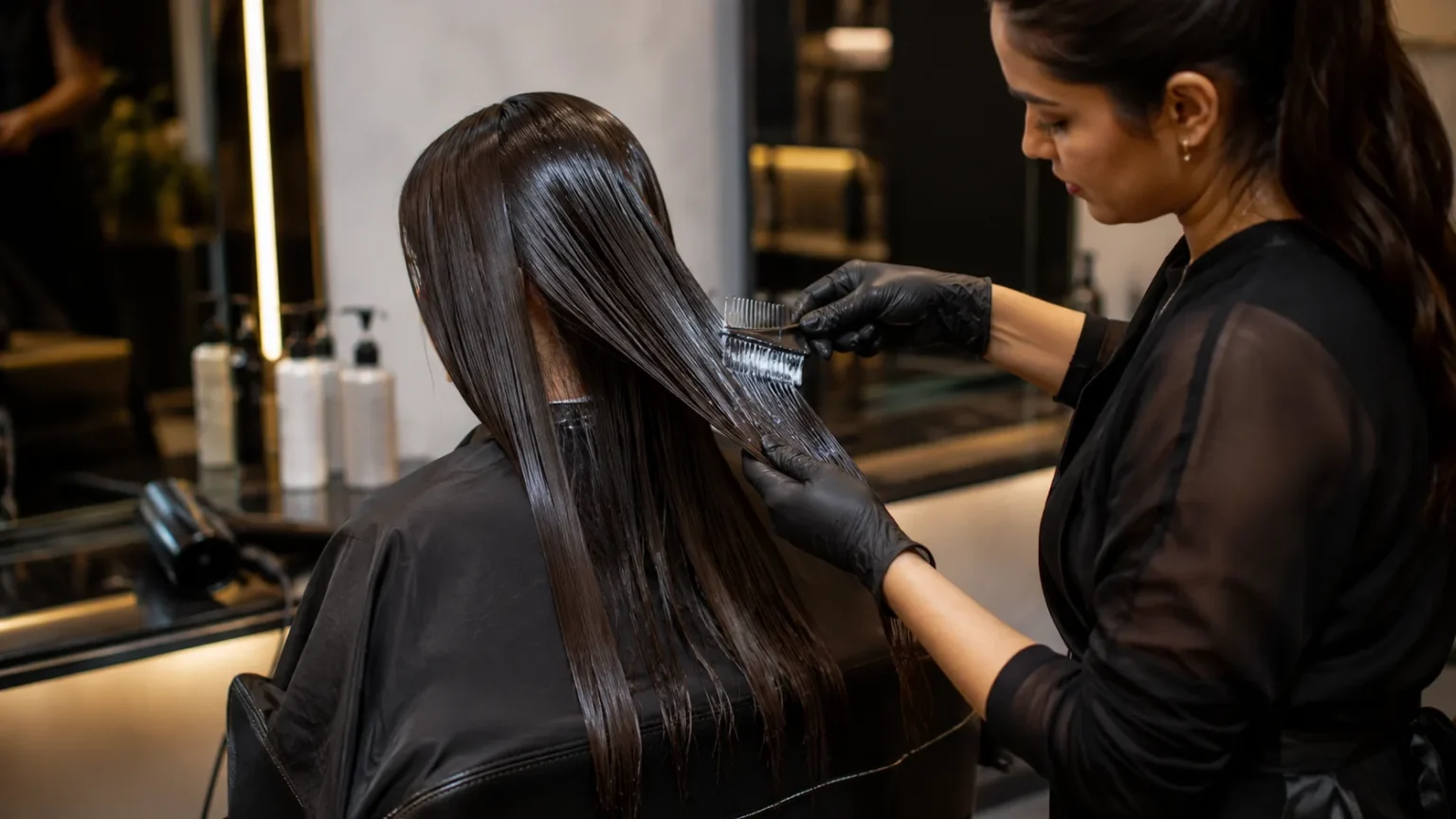
During treatment, a stylist usually applies a smoothing formula to the hair and then uses blow-drying and flat-ironing to process or seal the product. Different manufacturers specify different temperatures, application methods, processing times, and aftercare instructions.
The result is temporary rather than permanent. As the hair is repeatedly washed and new hair grows, the smoothing effect gradually fades. That makes keratin treatment different from some permanent chemical straightening methods that more fundamentally alter the structure of treated hair.
How Does a Keratin Treatment Work?
Human hair has an outer cuticle composed of overlapping layers. When the cuticle becomes rough, raised, weathered, or damaged, hair can feel coarse and become more prone to tangling and frizz. Smoothing treatments temporarily change how the surface behaves and how the hair responds during styling.
A stylist distributes the product throughout sections of the hair so the formula coats and interacts with the strands. The hair is then dried, and high heat is commonly used as part of the finishing process. The exact chemistry varies considerably between products.
After treatment, individual strands often lie flatter and reflect light more evenly. This can create the appearance of shinier, healthier-looking hair even though the service has not biologically regenerated damaged hair.
The amount of straightening depends on your original texture and the formula chosen. Someone with slightly wavy hair may notice a much straighter result, while tightly curled hair may remain curly but become smoother, softer-looking, and easier to manage.
7 Keratin Treatment Benefits People Want Most
The most obvious keratin treatment benefit is frizz reduction. Hair that normally expands in humidity may stay smoother and more controlled, which can make everyday styling considerably easier.
Another popular benefit is shine. Because the treatment creates a smoother-looking hair surface, light can reflect more consistently from the strands. Hair may consequently look polished even with relatively simple styling.
Many people also find that blow-drying becomes faster. When the hair is less frizzy and easier to control, achieving a smooth finish may require fewer passes with a brush or straightener.
Finally, keratin smoothing can make hair easier to detangle and style. Those convenience benefits are often the real reason people repeat the service, especially when their normal routine requires frequent heat styling to control frizz.
1. Keratin Treatments Can Reduce Frizz
Frizz occurs when individual strands do not lie smoothly together, and humidity can make the problem more noticeable in porous or textured hair. A smoothing treatment can temporarily make the outer surface feel flatter and more controlled.
This is particularly useful in humid climates where freshly styled hair quickly expands or loses definition after going outside. A keratin treatment for frizzy hair can reduce the amount of daily styling needed to maintain a polished appearance.
Results vary, however. Very damaged, highly porous, or tightly textured hair may respond differently from relatively healthy wavy hair, and not every treatment produces the same level of frizz control.
Tell your stylist what you actually want before the service begins. If your goal is simply reducing frizz while keeping curls, the product and technique may need to differ from what would be chosen for someone wanting maximum straightness.
2. Hair May Look Smoother and Shinier
A smoother hair surface generally reflects light more evenly than a rough one. This is why one of the first changes people notice after a keratin service is increased shine.
The result can make dull hair appear healthier even when previous chemical or mechanical damage has not actually disappeared. It is useful to distinguish between improving the appearance of damaged hair and reversing structural damage.
Conditioning products, careful styling, and reduced heat can help maintain the polished appearance after treatment. Excessive heat or repeated chemical processing may gradually make the hair look rough again.
The shine is also temporary. As the treatment wears away and the hair experiences normal washing and styling, its original characteristics gradually become more noticeable again.
3. Keratin Treatment Can Make Hair Easier to Style
For many clients, easier styling is more valuable than having perfectly straight hair. A treatment that controls frizz can reduce the number of products, tools, and styling steps required before leaving home.
Hair may become easier to brush and blow-dry because strands are less likely to tangle or expand. Someone who previously spent a long time creating a smooth blowout may notice that the same style requires less effort afterward.
That reduction in routine styling can be especially convenient for people with thick or long hair. Saving even 10 or 15 minutes during regular styling adds up over weeks of daily hair care.
However, easier styling does not mean your hair no longer needs gentle treatment. The chemical service itself and the heat used during application mean that minimizing unnecessary additional damage remains important.
4. Keratin Treatments Can Reduce Daily Heat Styling
If you currently straighten your hair almost every day, a successful smoothing treatment may reduce how frequently you reach for a flat iron. That can be one practical advantage for people whose main goal is manageable hair.
Reduced daily heat may help limit additional thermal stress, but this benefit needs context. Keratin treatment itself often involves high temperatures during the salon process, so it is not accurate to describe the service as completely heat-free or damage-free.
The American Academy of Dermatology advises limiting excessive heat because frequent use of flat irons, curling irons, and high-temperature blow-drying can damage hair. Using lower or moderate temperatures when possible and being gentle with the hair remain useful habits after treatment.
The best outcome is therefore not “I had keratin, so heat no longer matters.” It is using the easier-to-manage result as an opportunity to reduce unnecessary styling stress during the weeks and months afterward.
5. Humidity May Become Easier to Manage
Humidity is one of the biggest reasons people seek anti-frizz keratin treatments. Moisture in the environment can interact with porous hair, causing carefully styled strands to swell, bend, or frizz.
A smoothing treatment can make this response less dramatic. You may notice that your blowout remains polished longer or that curls do not expand as aggressively on humid days.
The effect is not waterproof, however. Rain, frequent swimming, harsh cleansing, and repeated washing can still affect your hair and may shorten how long you enjoy the smooth finish.
Think of keratin treatment as improving manageability rather than creating completely weather-resistant hair. Natural texture and environmental conditions can still influence the final appearance.
6. Keratin Can Soften the Appearance of Coarse Hair
Coarse hair can sometimes feel rough even when it is healthy because individual strands have a larger diameter. A smoothing treatment may make those strands feel softer and lie more neatly together.
This can create a noticeably more polished finish in thick hair. It may also make brushing and sectioning easier because the hair feels less bulky or resistant during styling.
Coarse hair should not automatically be treated as damaged hair. Texture is partly determined by genetics, and naturally thick strands do not need to be “repaired” simply because they feel different from fine hair.
If you like the natural volume and texture of your hair, tell the stylist before treatment. An overly strong smoothing service may remove more movement and fullness than you actually wanted.
7. Results Can Last Longer Than a Blowout
A conventional salon blowout changes the appearance of hair temporarily and usually disappears after washing or exposure to enough moisture. A keratin smoothing service can remain noticeable through many washes.
Depending on the formula, hair type, washing frequency, and aftercare, results can remain noticeable for several weeks to a few months. Some people see the effect fade gradually rather than disappearing suddenly.
Frequent shampooing can shorten the visible result because the treatment gradually wears from the hair. Swimming, clarifying shampoos, and repeated environmental exposure may also make the effect disappear faster.
This longer duration is one reason the higher upfront cost can make sense to some people. Instead of purchasing a single hairstyle, you are paying for easier everyday management over an extended period.
How Long Does a Keratin Treatment Last?
A professional keratin treatment can commonly last several weeks to a few months, but there is no universal timeline. The treatment used, original hair condition, shampooing habits, swimming, styling routine, and new hair growth all affect longevity.
People who wash their hair every day may notice the treatment fading sooner than those who shampoo less frequently. Strong clarifying shampoos can also remove buildup and may reduce the smoothing effect more quickly.
Your natural texture gradually becomes more noticeable rather than suddenly returning overnight. New hair growing from the scalp is untreated, while previously treated lengths slowly lose some of their smoothness.
Ask your stylist what duration the specific product is designed to provide. Broad promises such as “lasts six months for everyone” should be viewed cautiously because individual hair routines vary considerably.
What Happens During a Keratin Treatment at the Salon?
The appointment usually begins with consultation and cleansing. Your stylist may examine your hair’s texture, density, color history, damage, and previous chemical services before choosing an appropriate smoothing formula.
The treatment is then applied carefully through sections of hair. Depending on the system, the product may sit for a specific processing period before the hair is dried, or the next stages may begin without extensive waiting.
Heat is commonly an important part of the process. The FDA notes that professional hair-smoothing services typically involve applying a solution followed by a heat-processing step, often using a flat iron. With products that contain or release formaldehyde, heating can release formaldehyde gas into the salon air.
Appointments can therefore take several hours depending on your hair length, thickness, and the product protocol. Avoid scheduling the service when you need the stylist to rush through sectioning, drying, or application.
Keratin Treatment Risks You Should Know About
The most discussed keratin treatment risk involves exposure to formaldehyde. The FDA states that some hair-smoothing products contain formaldehyde or related ingredients and that exposure may produce eye irritation, headaches, dizziness, respiratory symptoms, nausea, chest discomfort, vomiting, or skin reactions.
The risk is particularly relevant because heat may cause formaldehyde-containing or formaldehyde-releasing products to release gas into the salon air. Ventilation and professional handling therefore matter for both the client and salon workers. OSHA has found that some smoothing products can release formaldehyde at levels exceeding occupational limits during use.
Hair damage is another consideration. Repeated exposure to strong chemicals and high-temperature flat ironing can leave already fragile hair more vulnerable to dryness and breakage, especially if the hair has also been heavily bleached, relaxed, or repeatedly colored.
Scalp or skin irritation is also possible with cosmetic products. Burning, severe itching, coughing, breathing difficulty, significant eye irritation, or other unusual symptoms during treatment should not simply be tolerated for the sake of achieving straighter hair.
The Formaldehyde Issue: Why It Matters
Formaldehyde is used directly or may be released from certain ingredients in some hair-smoothing formulas. When the product is heated during blow-drying or flat-ironing, airborne exposure can occur.
The FDA advises consumers considering a smoothing product to inspect ingredient information and specifically look for names such as formaldehyde, formalin, and methylene glycol. It also recommends asking the salon about product ingredients and, when relevant, its Safety Data Sheet.
Short-term exposure can irritate the eyes, nose, throat, lungs, and skin, while formaldehyde is also recognized as a human carcinogen. Risk depends on factors including concentration and duration of exposure, which is why salon ventilation and occupational exposure are important concerns.
If you are considering a treatment, do not hesitate to ask the exact product name before your appointment. A professional stylist should be able to discuss what is being applied to your hair and explain how the salon manages ventilation and exposure.
Does “Formaldehyde-Free” Automatically Mean Risk-Free?
No. A formaldehyde-free keratin treatment may eliminate one concern, but the phrase does not automatically establish that every other ingredient is harmless or appropriate for every client.
A particularly important recent development involves glyoxylic acid, which has been used in some hair-straightening products. France’s ANSES concluded in January 2025 that glyoxylic acid very likely plays a causal role in reported cases of acute kidney injury and advised consumers to avoid hair-straightening products containing it while further regulatory assessment continues.
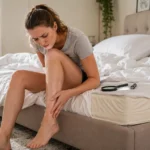
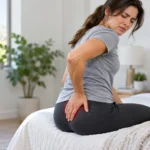
Reported symptoms following problematic exposure have included abdominal or lower-back pain, nausea, vomiting, unusual fatigue, and other symptoms developing within hours. These reports do not mean every non-formaldehyde smoothing treatment causes kidney injury, but they demonstrate why evaluating an alternative ingredient matters instead of trusting a marketing phrase alone.
Before booking, ask to see the complete product name and ingredient information. If the stylist cannot tell you what formula is being used or becomes dismissive when you ask basic safety questions, choosing another salon is reasonable.
Can Keratin Treatments Damage Your Hair?
Yes, hair damage is possible, particularly when already fragile strands are subjected to strong processing or excessive heat. A treatment can make hair look smoother while simultaneously placing additional stress on the physical structure of the strand.
This apparent contradiction is important. Smooth, glossy hair is not necessarily structurally healthier hair. Cosmetic coating and straightening can make damage less visible even when split ends, weakened areas, or previous bleaching remain underneath.
Repeated treatment can increase the concern because the same lengths may be exposed again and again. Someone receiving a smoothing service several times per year should discuss whether previously treated sections need the same intensity as new growth.
If your hair is breaking, extremely elastic when wet, heavily bleached, or already showing substantial chemical damage, improving its condition before adding another processing service may be a better choice.
Is Keratin Treatment Good for Curly Hair?
Keratin treatment can work well on curly hair when the goal is reducing frizz or loosening the curl pattern. The important question is how much of your natural texture you actually want to keep.
Some formulas primarily soften frizz while leaving noticeable curls. Stronger smoothing systems can relax curl definition considerably and create a straighter result, particularly when combined with repeated flat-ironing.
If you love your curls but dislike frizz, make this extremely clear during consultation. Showing photographs of your preferred result is often more useful than simply requesting “keratin,” because the term can mean different things across salons.
Remember that the treated lengths may behave differently from new growth as the service fades. People with strong curl patterns can eventually notice a texture difference between the roots and previously smoothed sections.
Is Keratin Treatment Suitable for Fine Hair?
Fine hair can receive a smoothing treatment, but the desired result requires careful consideration. Fine strands may become sleek very easily, which can also mean losing some of the volume that makes the hair appear fuller.
A heavy formula can leave naturally fine hair looking flat or overly coated. If volume matters to you, ask whether the salon offers a lighter smoothing treatment rather than automatically choosing the strongest option.
Fragility is another factor. Fine hair that has been heavily highlighted or chemically processed may not tolerate aggressive heat as well as stronger untreated hair.
A strand assessment before the appointment can help. The decision should be based on the actual condition of your hair rather than assuming that every hair type needs exactly the same formula and flat-iron temperature.
Can You Get a Keratin Treatment on Colored Hair?
Many people combine keratin treatment and hair color, but timing and hair condition matter. Both services place demands on the hair, particularly when coloring involves significant lightening.
Hair that has been gently colored may tolerate smoothing differently from hair that has undergone multiple rounds of bleach. Previous chemical history should therefore be discussed before treatment rather than discovered after the formula has already been applied.
Keratin smoothing can sometimes affect how color looks, especially immediately after processing. Ask your colorist whether coloring should happen before or after the particular smoothing system your salon uses.
When the same stylist does not perform both services, tell each professional what the other is planning. Coordinating chemical treatments helps avoid stacking unnecessary stress on already processed strands.
What About Bleached or Highlighted Hair?
Bleached hair deserves extra caution because bleaching removes pigment through chemical oxidation and can leave strands more porous and fragile. Adding a smoothing treatment and high-temperature flat ironing may create additional stress.
This does not mean every highlighted person must automatically avoid keratin treatments. Lightly highlighted hair in strong condition is very different from platinum hair that has been repeatedly lifted and already breaks during brushing.
A professional should inspect elasticity, porosity, breakage, and overall condition before recommending the service. If sections are already severely compromised, postponing treatment may protect your remaining length.
Do not let cosmetic smoothness hide a bigger problem. Severely damaged hair may benefit more from reducing chemical services, lowering heat exposure, trimming damaged ends, and using appropriate conditioning care.
Keratin Treatment vs Brazilian Blowout
The terms keratin treatment and Brazilian blowout are sometimes used loosely or interchangeably, but they can refer to different branded systems and smoothing formulas. The exact ingredients matter more than the category name.
Both services generally aim to reduce frizz and improve manageability, and both can involve heat during processing. The degree of straightening, waiting period after treatment, and expected longevity vary between specific products.
Rather than asking which name sounds better, compare the actual formulas available at the salon. Ask how much your curl pattern is expected to change, how long the service lasts, what aftercare is required, and what ingredients are involved.
Marketing language can make two very different chemical services sound identical. Product-specific information is much more useful than assuming every Brazilian, keratin, protein, or smoothing service follows the same chemistry.
Keratin Treatment vs Hair Rebonding
Hair rebonding is generally intended to create a much straighter and more permanent change in treated hair. Keratin smoothing is usually more temporary and focuses heavily on reducing frizz and improving manageability.
Because rebonded lengths remain chemically altered, the contrast with new growth can become noticeable as the hair grows. Keratin results typically fade more gradually through washing and time.
Someone wanting to preserve waves or curls may therefore prefer a mild smoothing treatment, while someone seeking very straight results may consider other options after discussing their risks and maintenance requirements.
Neither process should be selected solely because it promises straight hair. Your current condition, texture, previous chemical history, desired result, and willingness to maintain the style should all guide the decision.
What to Ask Your Stylist Before Getting Keratin
Start with the most basic question: What exact product will you use? Ask for the brand and treatment name rather than accepting a vague description such as “organic keratin” or “natural smoothing.”
Next, ask whether the product contains or releases formaldehyde and whether ingredients such as formalin, methylene glycol, or glyoxylic acid are present. The FDA recommends asking salons about ingredients, professional training, product safety information, and ventilation.
Then discuss your hair history. Tell the stylist about bleaching, permanent color, relaxers, previous keratin services, breakage, scalp sensitivity, and any other chemical processes performed recently.
Finally, ask what your hair should realistically look like afterward. A good consultation should clarify whether your curls will remain, how much volume may disappear, what maintenance is required, and how frequently the stylist believes the treatment should be repeated.
What Should a Safe Salon Experience Feel Like?
A professional smoothing service should not require you to ignore severe discomfort. Intense eye burning, persistent coughing, breathing difficulty, severe scalp burning, or feeling unusually unwell should be taken seriously rather than dismissed as proof that the treatment is “working.”
Ventilation is particularly important when products may release airborne chemicals. OSHA specifically requires exposure controls in workplaces where formaldehyde levels from salon products reach regulated thresholds.
Your stylist should also follow the manufacturer’s directions regarding protective equipment, application, processing, and heat. Increasing the flat-iron temperature or product quantity simply to achieve a stronger result may unnecessarily increase exposure or hair damage.
You should feel comfortable asking questions throughout the appointment. A salon that understands its products should be able to explain what is being used instead of treating ingredient questions as an inconvenience.
How to Care for Hair After a Keratin Treatment
Follow the aftercare instructions for the specific keratin product used. Older formulas sometimes required waiting before washing, while other systems allow washing much sooner, so generic rules from social media may not match your treatment.
Use shampoo and conditioner appropriate for your hair type and the manufacturer’s recommendations. If the salon advises avoiding strong clarifying shampoos, following that guidance may help preserve the smoothing effect longer.
Keep heat reasonable. Your hair may already require less straightening after treatment, so take advantage of that benefit instead of continuing to use a flat iron at maximum temperature every morning.
Regular conditioning can also help keep the lengths manageable. Treat your hair gently while wet, avoid rough towel drying, and detangle carefully to reduce mechanical breakage.
Should You Use Sulfate-Free Shampoo After Keratin?
Many stylists recommend sulfate-free shampoo after keratin treatment because strong cleansing products may cause the cosmetic effect to fade more quickly. However, the recommendation can vary between smoothing systems.
“Sulfate-free” does not automatically mean a shampoo is mild, perfect for your scalp, or guaranteed to extend results. The entire formula matters, including other cleansing agents and how frequently you wash.
Choose a shampoo that keeps your scalp clean without leaving your lengths unnecessarily dry. If you develop buildup, itching, or excessive oiliness while trying to preserve the treatment, extending results is not worth neglecting scalp health.
The simplest approach is to ask which cleanser the specific manufacturer recommends and then adjust according to how your scalp and hair respond.
Can You Swim After a Keratin Treatment?
Frequent swimming can shorten the appearance of a smoothing treatment. Pool water, repeated wetting, cleansing afterward, sunlight, and other environmental exposures all increase the amount of stress placed on treated hair.
If you swim regularly, mention this during consultation because your realistic treatment longevity may differ from someone who rarely gets their hair wet outside normal washing.
Once your stylist says normal washing and swimming can resume, rinse your hair with fresh water after pool or ocean exposure and use appropriate conditioning care. This can help reduce dryness from repeated swimming.
Do not schedule an expensive smoothing service immediately before a swimming-heavy holiday without discussing aftercare. Timing the appointment intelligently can help you enjoy the result for longer.
How Often Can You Get Keratin Treatments?
There is no ideal schedule that applies to every person. How often you can comfortably repeat a keratin hair treatment depends on the formula, your hair’s condition, previous chemical services, heat exposure, and how quickly the results fade.
Repeatedly treating the same fragile lengths simply because three months have passed is not necessarily sensible. Condition should matter at least as much as the calendar.
People with strong, minimally processed hair may tolerate repeat smoothing differently from someone who regularly bleaches, colors, straightens, and heat-styles their hair.
Have your hair reassessed before each treatment. If breakage, thinning-looking ends, excessive dryness, or loss of elasticity appears, extending the interval or skipping another chemical service may be preferable.
Can You Do a Keratin Treatment at Home?
Home kits are available, but professional smoothing treatments deserve caution because product chemistry, application technique, ventilation, and heat can all affect safety.
The FDA specifically discourages consumers from applying formaldehyde-containing hair-smoothing products themselves and recommends professional application when such treatments are considered. It also advises consumers to inspect labels and avoid products without adequate ingredient information.
Another problem is heat control. A professional can adjust temperature based on hair condition and work through controlled sections, whereas repeated passes with an excessively hot flat iron can increase the risk of breakage.
If you want a lower-commitment home option, consider ordinary conditioning and anti-frizz products rather than attempting to recreate a professional chemical straightening process without training or adequate ventilation.
Who May Want to Avoid a Keratin Treatment?
Anyone who has previously experienced a significant reaction to a particular smoothing treatment should avoid casually repeating the same exposure. Discuss previous reactions with a healthcare professional and stylist before considering another chemical service.
People with severely damaged, breaking, or extensively bleached hair may also want to postpone treatment until the hair is in better condition. Cosmetic smoothness is not worth creating additional breakage.
Pregnant or breastfeeding individuals should discuss elective chemical hair-smoothing services with their healthcare professional, particularly when the exact ingredients or potential airborne exposure are uncertain.
People with asthma, significant respiratory sensitivity, scalp disease, or strong chemical sensitivities should be especially cautious about products that may release irritating fumes. Knowing the complete formula before sitting in the salon chair is essential.
What Should You Do If You Feel Sick After a Hair-Smoothing Treatment?
Symptoms such as significant coughing, wheezing, chest discomfort, severe eye irritation, rash, dizziness, or persistent headache during or after a smoothing service deserve attention, particularly when chemical fumes were noticeable. FDA reports involving formaldehyde-containing products have included several of these reactions.
More recent safety alerts around glyoxylic-acid straightening products add another pattern to recognize. Severe abdominal or lower-back pain, nausea, vomiting, unusual fatigue, or other significant illness developing within hours of treatment warrants medical evaluation, especially if glyoxylic acid was used.
If a reaction occurs, keep the product name, ingredient list, photograph of the packaging, salon receipt, or other identifying information if possible. That information can be useful for healthcare professionals evaluating what happened.
Do not simply repeat the same treatment months later because the symptoms eventually disappeared. A significant reaction is a reason to investigate the product and discuss future exposure with an appropriate professional.
Is a Keratin Treatment Worth It?
A keratin treatment may be worth considering if frizz significantly affects your daily routine and you value easier styling, smoother texture, and reduced dependence on frequent straightening.
The service becomes less attractive when your hair is already severely damaged, you want to preserve every bit of natural curl and volume, or the salon cannot clearly explain what chemicals it uses.
Cost also matters because the effect is temporary. You are paying for several weeks or months of improved manageability rather than permanently changing the quality of all future hair growth.
The best decision comes from comparing convenience against cost, maintenance, chemical exposure, and your hair’s current condition. A treatment does not need to be universally “good” or “bad” to be the wrong choice for a particular person.
Keratin Treatment: The Bottom Line
A keratin treatment can reduce frizz, increase shine, soften texture, and make daily styling significantly easier. For people who regularly struggle with humidity or spend considerable time straightening their hair, those benefits can be meaningful.
However, keratin treatment is a broad label rather than one standardized formula. Products vary in chemistry, strength, heat requirements, straightening effect, and safety considerations, so knowing the exact product is critical.
Formaldehyde exposure remains an important issue with some smoothing products, while recent evidence has raised separate concerns about glyoxylic acid used in some alternatives. Choosing something marketed as “formaldehyde-free” should therefore not replace checking the actual ingredients.
Before booking, ask what product will be used, how it works on your specific hair type, how much your texture will change, and what safety precautions the salon follows. The best keratin treatment is not simply the strongest one—it is the one that delivers the result you want without ignoring the condition of your hair or your health.
Frequently Asked Questions About Keratin Treatments
Keratin treatments can be confusing because salons use similar names for services that may have different ingredients and results. One treatment may primarily control frizz while another noticeably straightens curls.
Hair condition also changes the outcome. Fine, bleached, curly, coarse, and untreated hair may respond differently even when the same formula is used.
Safety questions are equally important because smoothing formulas are not chemically identical. Asking for the specific product and ingredient information provides much more useful information than relying on marketing terms alone.
The following answers cover several of the questions people commonly ask before deciding whether professional keratin smoothing is right for their hair.
How long does a keratin treatment last?
Results commonly remain noticeable for several weeks to a few months. Hair type, treatment formula, washing frequency, swimming, and aftercare can all influence how quickly the smoothing effect fades.
Does keratin treatment permanently straighten hair?
Usually not. Most keratin smoothing treatments gradually fade with washing and time, although they may noticeably loosen curls or waves while the treatment remains active.
Can keratin treatment damage your hair?
It can, particularly when fragile or chemically processed hair is exposed to excessive heat or repeated treatments. A professional should assess your hair’s condition before performing the service.
Is a formaldehyde-free keratin treatment safe?
“Formaldehyde-free” removes only one potential concern and does not guarantee that every alternative ingredient is risk-free. Ask for the full product name and ingredient information before treatment.
Can I wash my hair after a keratin treatment?
Yes, but how soon depends on the specific product. Some treatments require a waiting period, while others allow earlier washing, so follow the instructions provided for the exact formula used.