

Vegan Protein: Best Sources to Build Muscle & Stay Strong
Building muscle on a vegan diet is absolutely possible, but it works best when protein intake is intentional rather than accidental. Plant foods can provide all the amino acids your body needs, yet some sources contain less protein per serving or have different amino acid profiles than common animal-based foods.
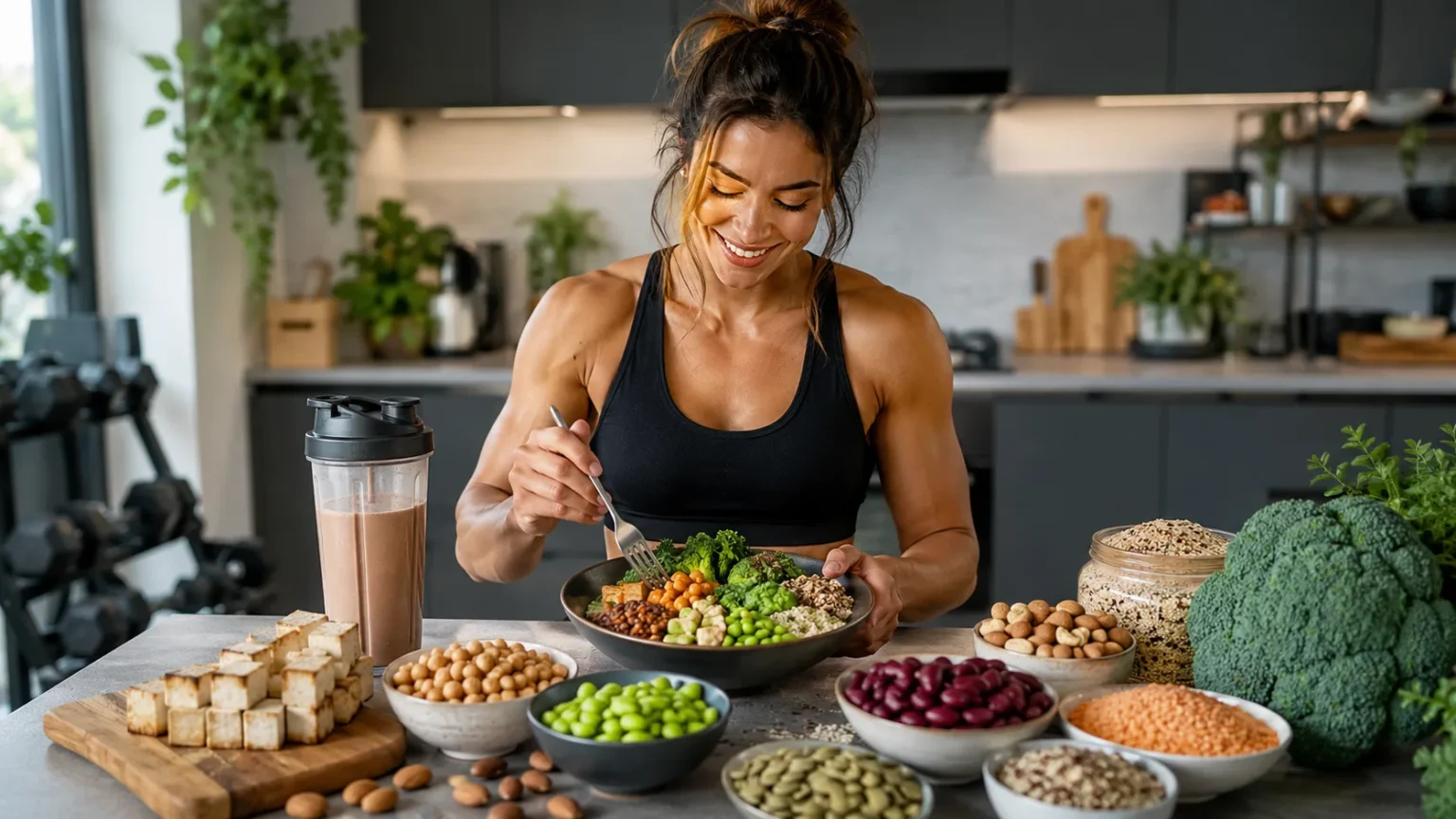
The good news is that vegan protein is available in a surprisingly wide range of foods, including tofu, tempeh, lentils, beans, seitan, soy milk, peas, chickpeas, quinoa, nuts, seeds, and plant-based protein powders. With the right combinations, meeting daily protein goals can be straightforward.
For people who lift weights, protein supports muscle repair, recovery, and growth after training. The key is not finding one perfect food but eating enough total protein across the day while choosing nutrient-dense foods that fit your calorie needs and digestion.
Whether you are fully vegan or simply eating more plant-based meals, understanding which foods are richest in protein can make meal planning much easier. This guide explains the best sources, how much protein you may need, and how to build meals that support strength and muscle.
How Much Protein Do You Need to Build Muscle?
Protein needs vary based on body weight, training volume, age, calorie intake, and overall fitness goals. For people performing regular resistance training, roughly 1.6 to 2.2 grams of protein per kilogram of body weight per day is a useful practical range.
Someone weighing 70 kilograms may therefore aim for roughly 112 to 154 grams of protein per day. You do not need to hit the exact same number every day, but staying within a consistent range makes it easier to support recovery and muscle growth.
People following a vegan diet may find it useful to aim toward the middle or upper part of that range, especially when most protein comes from whole plant foods. This is because different plant proteins vary in digestibility and amino acid concentration.
Instead of obsessing over one giant protein meal, spread intake across the day. Eating protein at breakfast, lunch, dinner, and one or two snacks can make the target feel much more manageable and support repeated opportunities for muscle protein synthesis.
Can You Build Muscle on a Vegan Diet?
Yes, you can build muscle on a vegan diet if you consume enough protein, calories, and total nutrients while following a progressive strength-training program. Your muscles respond to resistance and amino acids, not whether those amino acids came from plants or animals.
The biggest challenge is usually convenience rather than biology. A chicken breast or Greek yogurt provides a concentrated amount of protein, while some plant foods may require larger portions or combinations to deliver a similar amount.
That is why successful vegan muscle building often includes protein-dense foods such as soy, seitan, lentils, beans, peas, tofu, tempeh, and protein powder. These options make it easier to reach daily protein needs without dramatically increasing food volume.
Training quality remains just as important as nutrition. A high-protein vegan diet will not build significant muscle without progressive overload, sufficient recovery, and enough total calories to support your training goals.
What Makes a Good Vegan Protein Source?
A strong plant-based protein source should provide a meaningful amount of protein per serving while also fitting comfortably into your overall calorie and nutrient intake. Foods with 15 to 30 grams of protein per meal are particularly helpful for muscle-building diets.
Amino acid quality matters as well. Protein is made from amino acids, including essential amino acids that the body cannot produce on its own. Some plant foods contain lower amounts of certain essential amino acids, but variety across the day easily helps address this.
Digestibility is another factor. Processing foods such as tofu, tempeh, soy milk, or protein isolates can make plant protein more concentrated and easier to consume in larger amounts compared with relying entirely on whole beans or grains.
Finally, the best source is one you actually enjoy eating consistently. A theoretically perfect protein food provides little value if you dislike it so much that it disappears from your diet after one week.
1. Tofu: One of the Best Vegan Proteins
Tofu is one of the most versatile protein foods available on a vegan diet. Made from soybeans, it provides high-quality protein and can be used in stir-fries, curries, wraps, salads, scrambles, soups, and even desserts.
Firm and extra-firm tofu generally contain more protein per serving than softer varieties because they contain less water. A typical serving can contribute roughly 15 to 20 grams or more depending on the product and portion size.
Soy protein contains all nine essential amino acids, making tofu a convenient option for anyone concerned about complete proteins. It also works well in both high-protein and calorie-controlled meals because portions can be adjusted easily.
For better texture, press excess water from firm tofu and cook it using baking, air frying, grilling, or pan-searing. Seasoning and marinades matter because tofu readily absorbs the flavors around it.
2. Tempeh: Protein-Dense and Filling
Tempeh is another soy-based food, but unlike tofu, it is made from fermented whole soybeans. Its firmer texture and nutty flavor make it especially useful in sandwiches, stir-fries, bowls, tacos, and high-protein meal prep.
Tempeh is typically more protein-dense than tofu because it contains less water and retains much of the whole soybean. A standard serving can often provide around 15 to 20 grams of protein or more.
Because tempeh is fermented, some people find it easier to digest than large portions of whole beans. It also contains fiber and other nutrients that make it a more filling option than many highly processed meat substitutes.
Slice it thinly, marinate it, and cook until the edges become slightly crisp. Tempeh absorbs savory flavors well and can replace meat in many recipes without requiring complicated preparation.
3. Seitan: One of the Highest-Protein Vegan Foods
Seitan is made primarily from wheat gluten and is one of the most concentrated vegan protein foods. Depending on the brand and recipe, a modest serving can provide around 20 grams or more of protein.
Its chewy texture makes it popular in vegan versions of stir-fries, sandwiches, kebabs, wraps, and meat-style dishes. For people who struggle to reach high protein targets, seitan can make daily intake much easier.
Seitan is relatively low in lysine compared with several other protein sources, so it is best eaten as part of a varied diet containing legumes, soy foods, or other lysine-rich plant proteins.
It is not suitable for people with celiac disease or those who need to avoid gluten. Everyone else can use it as one convenient option rather than relying on it as their only protein source.
4. Lentils: Protein, Carbs, and Fiber Together
Lentils are an excellent staple for anyone following a high-protein vegan diet. They provide protein alongside complex carbohydrates, fiber, iron, potassium, and several other nutrients that support a balanced diet.
One cooked cup of lentils can provide roughly 17 to 18 grams of protein, making them useful in soups, curries, salads, pasta sauces, wraps, and grain bowls.
Lentils are especially convenient because they cook faster than many dried beans. Red lentils break down easily in soups and sauces, while green and brown varieties maintain a firmer texture in salads and meal-prep bowls.
For a higher-protein meal, combine lentils with tofu, seitan, soy yogurt, or a whole grain. Layering several protein sources in one meal makes it easier to reach 25 to 40 grams without enormous portions.
5. Chickpeas: A Versatile Everyday Protein
Chickpeas provide protein, carbohydrates, and fiber in a format that works in countless recipes. They can be roasted, blended into hummus, added to salads, cooked into curries, or mashed into sandwich fillings.
A cup of cooked chickpeas provides roughly 14 to 15 grams of protein. While that is less concentrated than tofu or seitan, chickpeas still contribute significantly when used regularly throughout the day.
Hummus can also add smaller amounts of protein to wraps, toast, vegetable bowls, and snacks. However, because hummus contains tahini and oil, it can become relatively calorie-dense before protein becomes especially high.
Use chickpeas as part of a broader protein strategy rather than expecting one serving to cover an entire meal. Combining them with quinoa, tofu, edamame, or whole grains creates a more protein-rich plate.
6. Beans: Affordable Protein for Muscle Building
Black beans, kidney beans, pinto beans, white beans, and other varieties provide an inexpensive source of vegan protein. They are also rich in fiber, which can support fullness and digestive health.
A cooked cup of many beans provides around 14 to 17 grams of protein. That makes them useful for burritos, chili, soups, tacos, grain bowls, salads, and pasta dishes.
Beans also pair naturally with grains such as rice, bread, or tortillas. These combinations provide a broad mixture of essential amino acids without requiring complicated meal-planning rules.
If beans cause digestive discomfort, increase portions gradually and rinse canned varieties thoroughly. Your digestive system may adapt over time as fiber intake becomes more consistent.
7. Edamame: A High-Protein Snack and Side
Edamame are young soybeans and provide one of the most convenient whole-food vegan proteins. They work well as a snack, side dish, salad topping, or addition to stir-fries and grain bowls.
One cup of cooked edamame can provide around 17 grams of protein, along with fiber and several micronutrients. Because they are soy-based, they also offer a strong essential amino acid profile.
Frozen edamame are particularly convenient because they require minimal preparation. Boil or microwave them, add seasoning, and you have a protein-rich snack ready within minutes.
Shelled edamame can also be blended into dips, tossed into pasta, or mixed with rice and vegetables. Keeping a bag in the freezer makes it easier to add protein to meals that would otherwise be relatively low.
8. Soy Milk: An Easy Protein Upgrade
Not all plant milks provide significant protein. Soy milk stands out because many varieties contain around 7 to 9 grams of protein per cup, making it considerably more useful for muscle-building diets than many low-protein alternatives.
It works well in oatmeal, smoothies, cereal, coffee, sauces, and baking. Simply replacing a low-protein plant milk with soy milk can increase daily protein without adding another meal.
Choose fortified varieties when possible because they may also provide calcium, vitamin D, vitamin B12, or other nutrients depending on the product.
Always check the nutrition label because protein content varies between brands. Unsweetened soy milk can be particularly useful when you want extra protein without a large amount of added sugar.
9. Peas and Pea Protein
Green peas contain more protein than many people expect. They are easy to add to pasta dishes, curries, soups, fried rice, and vegetable mixes, contributing protein alongside carbohydrates and fiber.
Pea protein is much more concentrated and is commonly used in vegan protein powders. It can provide approximately 20 to 25 grams of protein per scoop depending on the product.
Pea protein is particularly useful for people who avoid soy or gluten. Many plant protein powders combine pea protein with rice protein to create a broader amino acid profile.
Whole peas and pea protein serve different purposes. Whole peas contribute more fiber and micronutrients, while protein powder provides a convenient way to increase protein without adding a large volume of food.
10. Quinoa: A Higher-Protein Grain
Quinoa is technically a seed but is commonly cooked and eaten like a grain. It provides around 8 grams of protein per cooked cup, which is higher than some traditional grain choices.
The protein amount is not high enough to make quinoa your primary muscle-building food, but it can meaningfully increase the protein content of meals when combined with legumes, tofu, or tempeh.
Quinoa contains all essential amino acids and works well in salads, bowls, stuffed vegetables, and meal-prep dishes. Its mild flavor allows it to pair with both Mediterranean and Asian-inspired ingredients.
Think of quinoa as a protein-supporting carbohydrate rather than a protein powerhouse. Using it instead of a lower-protein grain can gradually increase your daily intake without requiring major dietary changes.
11. Nuts and Nut Butters
Almonds, peanuts, pistachios, cashews, and other nuts contain useful amounts of protein alongside healthy fats. Peanut butter, almond butter, and other nut spreads can also increase calories and protein in smoothies, oatmeal, or toast.
The important limitation is calorie density. Two tablespoons of nut butter may provide only around 7 to 8 grams of protein while contributing a substantial number of calories from fat.
That makes nuts especially useful during a vegan bulk when eating enough calories can be difficult. They are less efficient when someone needs maximum protein while keeping calories relatively low.
Use nuts and nut butters as supporting protein foods rather than primary sources. Tofu, seitan, legumes, soy foods, and protein powders provide considerably more protein per calorie.
12. Seeds: Small Foods With Useful Protein
Hemp seeds, pumpkin seeds, chia seeds, sunflower seeds, and flaxseeds can contribute protein while also providing fats, minerals, and other nutrients.
Hemp seeds are particularly useful because a few tablespoons can add several grams of protein to oatmeal, smoothies, salads, and yogurt-style bowls without significantly changing the meal’s texture.
Pumpkin seeds are another strong option and can be eaten as a snack or added to salads, cereals, and grain bowls. Their protein content is useful, although calories increase quickly with large portions.
Seeds work best as protein boosters rather than complete meals. Adding them to foods that already contain soy, legumes, or grains can increase total protein while also improving texture and nutrient variety.
13. Nutritional Yeast: A Simple Protein Booster
Nutritional yeast is popular in vegan cooking because it has a savory, slightly cheesy flavor. Depending on the product, a few tablespoons can provide several grams of protein.
It works well on pasta, popcorn, potatoes, vegetables, tofu scrambles, soups, and sauces. The flakes can increase protein while adding flavor without requiring much cooking.
Some nutritional yeast products are fortified with vitamin B12, which is especially useful on a vegan diet. However, fortification varies, so the nutrition label should always be checked rather than assuming every product contains B12.
Nutritional yeast should not replace major protein foods, but it is an easy way to add a few extra grams throughout the day. Small additions become meaningful when several meals already contain a solid protein base.
Are Plant Proteins Complete Proteins?
A complete protein contains all nine essential amino acids in sufficient proportions. Soy foods, quinoa, and several other plant foods provide complete or relatively well-balanced amino acid profiles.
Other plant proteins may be lower in one or more essential amino acids. That does not mean they are poor foods or that your body cannot use their protein.
You also do not need to combine specific proteins at every meal. Eating a varied diet containing legumes, grains, soy, nuts, seeds, and vegetables across the day generally provides a broad range of amino acids.
The concept of complementary proteins is still useful, but it does not need to become a complicated rule. Rice and beans, hummus and bread, or lentils and grains naturally create balanced meals without requiring detailed amino acid calculations.
Why Leucine Matters for Muscle Growth
Leucine is an essential amino acid involved in signaling processes related to muscle protein synthesis. Foods and meals that provide enough total essential amino acids and leucine can support the muscle-building response to resistance training.
Plant foods vary in leucine content, which is another reason total protein intake matters. A small amount of a low-protein food may not provide enough amino acids to create a strong muscle-building meal.
Higher-protein foods such as soy, pea protein, seitan, lentils, and certain protein powders make it easier to reach meaningful protein and leucine amounts within one meal.
You do not need to track leucine grams at every meal. If you consistently consume adequate daily protein and build meals around concentrated vegan protein sources, your amino acid intake will usually take care of itself.
How Much Protein Should You Eat at Each Meal?
A practical strategy is to spread daily protein across three to five meals. Many active adults may benefit from meals containing roughly 25 to 40 grams of protein, depending on body size and daily requirements.
For example, someone targeting 140 grams daily could eat four meals containing around 30 to 35 grams each. This is often easier than reaching dinner with 90 grams still left to consume.
Plant-based meals may require combining several foods to reach these numbers. Tofu with rice and edamame, lentil pasta with seitan, or oats with soy milk and protein powder can all create substantial protein totals.
Do not worry if every meal is not identical. Daily consistency matters more than perfectly distributing protein down to the gram.
Best Vegan Protein Powder for Muscle Gain
A vegan protein powder can be extremely useful when whole foods alone make your target difficult to reach. It provides a concentrated amount of protein without requiring a large meal.
Pea protein, soy protein, rice protein, and mixed plant protein blends are among the most common options. Soy and pea-based products are especially popular because they provide substantial amounts of essential amino acids.
Choose a powder that provides roughly 20 to 30 grams of protein per serving and fits your preferences for taste, ingredients, digestion, and price. You do not need an expensive product covered in muscle-building claims.
Protein powder is a convenience tool rather than a requirement. If you can comfortably reach your protein needs with whole foods, supplementation is optional.
Are Vegan Protein Powders as Good as Whey?
Whey is highly digestible and naturally rich in essential amino acids, which is why it has long been popular for muscle building. However, well-formulated plant protein powders can also effectively support daily protein intake.
Soy protein is one of the most complete plant-based options, while pea and rice proteins are often combined because their amino acid profiles complement each other.
A plant-based athlete may simply use a slightly larger serving or choose a product with a strong essential amino acid profile when comparing it with an equivalent whey serving.
The biggest factor is still total daily protein. A high-quality plant protein powder combined with effective strength training can easily fit into a successful muscle-building diet.
Best Vegan Breakfasts for More Protein
Breakfast is often one of the lowest-protein meals in a plant-based diet, especially when it consists only of toast, fruit, cereal, or coffee. Upgrading breakfast can make the entire day’s protein target easier.
Try oats made with soy milk and protein powder, tofu scramble with whole-grain toast, or a smoothie containing soy milk, frozen fruit, oats, and pea protein.
Soy yogurt can also be useful when paired with hemp seeds, granola, fruit, and an additional scoop of protein powder if needed. Always check labels because plant-based yogurts vary dramatically in protein.
Aim to build breakfast around a clear protein anchor. Once that is in place, carbohydrates, fruit, seeds, and fats can be added according to your energy and training needs.
High-Protein Vegan Lunch Ideas
A high-protein lunch might include a tofu and edamame rice bowl, lentil pasta with vegetables, a seitan wrap with hummus, or a bean burrito with additional soy-based protein.
Meal prepping can make vegan protein intake considerably easier because the most protein-dense foods are ready before hunger strikes. Cooking several portions of tofu, lentils, or tempeh at once saves time later.
Think in terms of building layers. A bowl containing quinoa, chickpeas, tofu, and tahini will provide considerably more protein than a salad consisting only of vegetables.
Sauces can also contribute. Hummus, blended tofu sauces, nutritional yeast, and certain bean-based dips can increase the protein content while improving flavor and texture.
High-Protein Vegan Dinner Ideas
Dinner is usually an easy opportunity to reach a meaningful amount of protein. Stir-fries, curries, chili, pasta, tacos, and grain bowls can all be built around protein-rich plant foods.
A tempeh stir-fry with rice and vegetables can easily become a strong muscle-building meal. Likewise, lentil pasta topped with a tofu-based sauce can provide considerably more protein than ordinary pasta with tomato sauce.
Bean chili becomes higher in protein when additional textured soy protein, tofu, or seitan is included. Curries can use lentils, chickpeas, and tofu together instead of relying on vegetables alone.
The key is to identify the protein source before building the rest of the meal. Asking “Where is the protein?” is one of the simplest habits for maintaining a high-protein vegan diet.
High-Protein Vegan Snacks
Snacks are useful when three meals alone do not provide enough protein. Soy yogurt, roasted edamame, protein shakes, seitan slices, hummus, and high-protein plant bars can all contribute.
A shake containing one scoop of protein powder and soy milk may provide around 25 to 35 grams depending on the products used. This makes it one of the quickest ways to close a protein gap.
Nuts and seeds are portable but relatively calorie-dense, so they may work better as part of a snack rather than the only protein source when fat loss or calorie control matters.
Planning snacks in advance prevents the common situation where most daily calories come from low-protein snack foods, leaving an unrealistic amount of protein to consume at dinner.
Vegan Protein for Bulking and Muscle Gain
During a vegan bulk, your goal is to eat enough calories and protein to support gradual muscle growth while training progressively. Protein becomes easier to reach because the additional calories provide more room for food.
Calorie-dense protein foods such as tempeh, tofu, nut butter, seitan, soy milk, hummus, and smoothies can help when appetite becomes a problem.
You still do not need an enormous calorie surplus. Eating far beyond what your body needs for muscle growth can lead to unnecessary fat gain just as it can on any other diet.
Focus on progressive training, adequate protein, and a modest surplus. Muscle development depends far more on consistent training and total nutrition than whether the bulk contains animal foods.
Vegan Protein for Fat Loss
During fat loss, the challenge changes because calories become more limited while protein remains important. This makes protein density especially valuable.
Tofu, seitan, tempeh, textured vegetable protein, edamame, lentils, and protein powder can help provide more protein per calorie than relying heavily on nuts, oils, or avocado.
Fiber-rich legumes are also useful because they can support fullness. Combining beans or lentils with vegetables and a more concentrated protein source creates meals that are both filling and protein-rich.
Avoid aggressively cutting calories simply to lose weight faster. Maintaining resistance training and sufficient protein can help preserve muscle while body weight decreases.
Common Mistakes When Eating Vegan for Muscle Gain
One common mistake is assuming that eating healthy automatically means eating enough protein. A diet can contain vegetables, fruit, grains, and healthy fats while still providing relatively little protein.
Another mistake is relying too heavily on nuts and nut butter. They contain protein, but their calories rise quickly, making them less efficient than tofu, seitan, soy foods, legumes, or protein isolates.
Some people also underestimate total calorie needs. If you are trying to gain muscle but body weight and gym performance remain unchanged for months, your overall food intake may be too low.
Finally, do not let dietary perfection interfere with consistency. A successful vegan muscle-building diet can include convenient foods, frozen meals, protein powder, and meat alternatives alongside whole plant foods.
Nutrients Vegan Athletes Should Pay Attention To
Protein is important, but it is not the only nutrient that matters. People following a vegan diet should also pay attention to vitamin B12, iron, calcium, iodine, vitamin D, zinc, and omega-3 fats.
Vitamin B12 deserves particular attention because reliable plant-based food sources are limited. Fortified foods or an appropriate supplement are commonly used in vegan diets.
Iron is available in lentils, beans, tofu, seeds, and fortified foods, although plant-based iron is absorbed differently from iron found in animal foods. Eating vitamin C-rich foods alongside iron-rich meals can support absorption.
A varied diet combined with appropriate fortified foods can cover many nutritional needs. If you have specific deficiencies, medical conditions, or unusually high training demands, individualized advice from a qualified dietitian can be valuable.
How to Build a High-Protein Vegan Meal
Start with a concentrated protein source such as tofu, tempeh, seitan, lentils, beans, textured vegetable protein, or edamame. This should form the nutritional anchor of the meal.
Next, add a carbohydrate source such as rice, potatoes, pasta, quinoa, bread, or whole grains. Carbohydrates help fuel strength training and make meals more satisfying.
Add vegetables or fruit for fiber, micronutrients, and variety. Then include an appropriate amount of fat from tahini, nuts, seeds, avocado, or cooking oil depending on your calorie needs.
This simple formula can produce dozens of meals without complicated recipes. Protein + carbohydrate + plants + healthy fat is an easy framework for building balanced vegan meals.
Vegan Protein: The Bottom Line
You do not need animal products to build muscle or stay strong. A well-planned vegan diet can provide sufficient protein and all essential amino acids when it includes a variety of protein-rich foods.
The strongest vegan protein sources include tofu, tempeh, seitan, lentils, beans, edamame, soy milk, peas, chickpeas, protein powder, and several protein-supporting foods such as quinoa, nuts, and seeds.
For muscle growth, focus on total daily protein, resistance training, sufficient calories, and recovery rather than chasing one supposedly perfect plant protein.
Build each meal around a clear protein source, use protein powder when convenient, and track intake temporarily if you are unsure whether you are eating enough. Once the habit becomes familiar, meeting your protein target can become surprisingly simple.
Frequently Asked Questions About Vegan Protein
Plant-based protein can support strength and muscle growth just as part of a well-planned training diet. The main challenge is ensuring that total protein intake is consistently high enough.
Different foods provide different amino acid profiles, which is why variety is valuable. You do not need every meal to contain every essential amino acid in identical proportions.
Protein powders can simplify high-protein vegan diets but are not mandatory. Whole foods such as soy, legumes, and seitan can provide most or all of your needs.
The following answers address common questions about vegan protein, muscle growth, protein quality, and daily intake.
What is the best vegan protein source for building muscle?
Soy foods, seitan, lentils, beans, edamame, and plant protein powders are among the most useful choices. The best diet combines several sources rather than depending on only one.
Can you get 100 grams of protein a day on a vegan diet?
Yes. Meals built around tofu, tempeh, seitan, legumes, soy milk, and protein powder can make 100 grams or more per day achievable without animal products.
Do vegans need more protein than meat eaters?
Not necessarily dramatically more, but some vegan athletes choose the middle or upper end of recommended protein ranges because plant proteins vary in digestibility and amino acid concentration.
Is soy protein good for muscle growth?
Yes. Soy provides all essential amino acids and can be an effective protein source for people who strength train. Tofu, tempeh, edamame, soy milk, and soy protein powder are all useful options.
Can vegan protein powder help you build muscle?
Yes. Vegan protein powder can help you reach daily protein requirements conveniently. Pea, soy, rice, or blended plant proteins can all fit into a muscle-building diet.