Pelvic pain after sex can feel worrying, especially when it appears suddenly or keeps returning. Some people describe cramping, pressure, aching, burning, or a deep soreness in the lower abdomen, pelvis, hips, or genital area. The discomfort may begin during intercourse, immediately afterward, or several hours later depending on what is contributing to the symptoms.
Occasional mild discomfort may be linked with muscle tension, certain sexual positions, dryness, or temporary irritation. However, recurring or severe pain can sometimes be associated with pelvic floor dysfunction, urinary problems, infections, endometriosis, ovarian conditions, prostate-related issues, or other medical concerns. Understanding the pattern of your symptoms can help you decide what to do next.
Pelvic pain after sex should not automatically be dismissed as normal, particularly when it interferes with intimacy or daily life. Gentle self-care may help mild symptoms, but ongoing pain deserves professional evaluation. The sections below explain common causes, important symptoms to watch for, practical relief strategies, and situations when medical care is appropriate.
What Does Pelvic Pain After Sex Feel Like?
Pelvic pain after intercourse can vary considerably from one person to another. You may notice a dull ache deep in the pelvis, cramping similar to menstrual discomfort, pressure around the lower abdomen, or soreness near the hips and pelvic floor. Some people instead experience a sharper sensation during certain movements or positions.
Burning or stinging can also occur, especially when sensitive tissues have been irritated by friction or dryness. Pain closer to the entrance of the vagina or external genital area may feel different from deeper pelvic discomfort. Understanding whether the pain feels superficial, muscular, abdominal, or deep inside the pelvis can provide useful information.
The duration also matters. Mild discomfort that settles quickly may have a different cause from pain that lasts for hours or continues into the following day. Keep track of when symptoms begin, how intense they feel, and whether they occur every time or only under particular circumstances.
Can Pelvic Floor Tension Cause Pain After Sex?
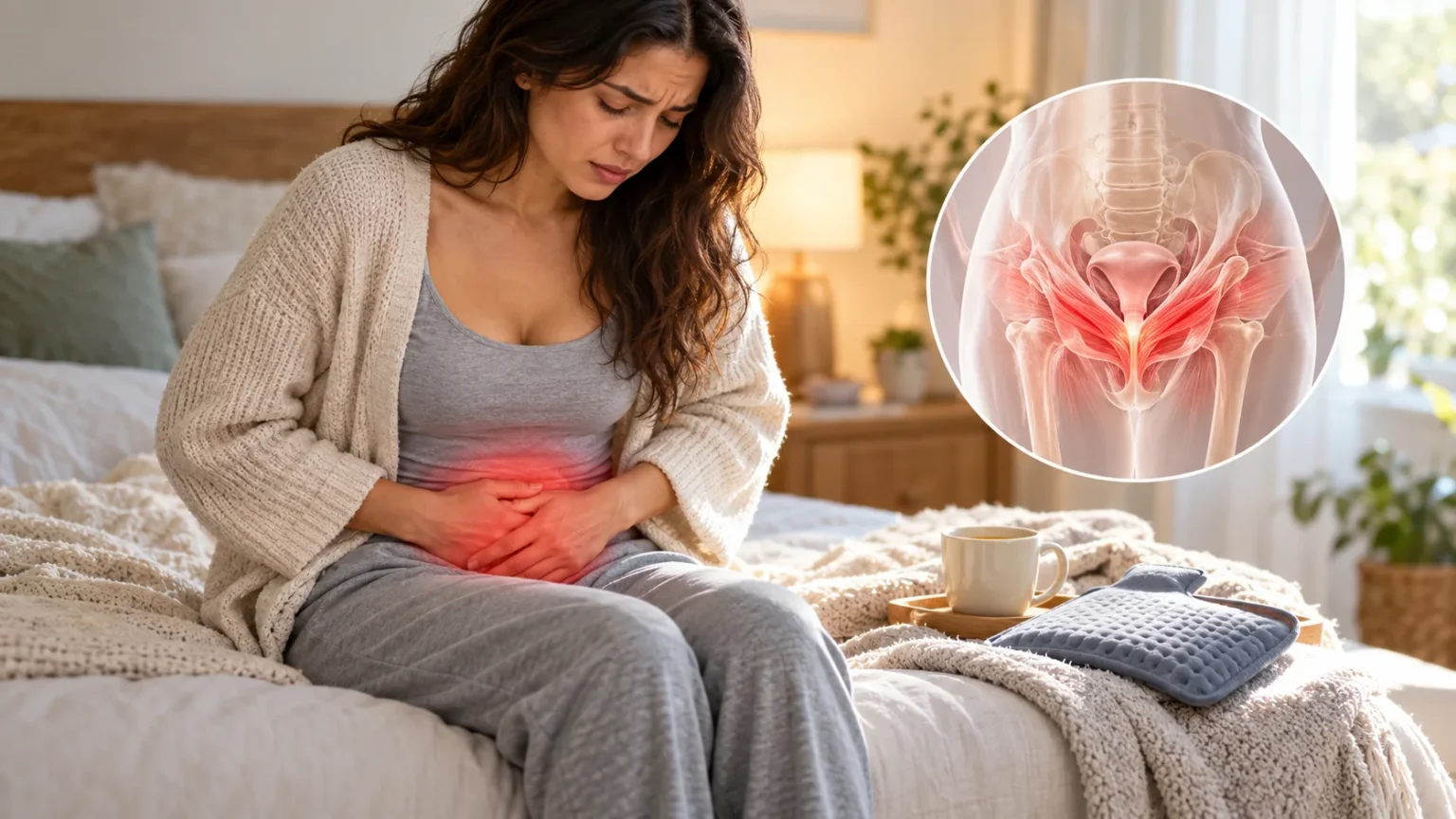
The pelvic floor is a group of muscles that supports structures in the pelvis and contributes to bladder, bowel, and sexual function. These muscles need to contract and relax at appropriate times. When they stay overly tense or have difficulty relaxing, intercourse can place additional pressure on already sensitive muscles.
A tight pelvic floor may cause aching, pressure, cramping, or a feeling that the pelvis remains clenched after sexual activity. Some people also notice discomfort around the tailbone, hips, lower abdomen, or buttocks. Symptoms may become more noticeable after prolonged sitting, stressful periods, or activities that involve repeated pelvic muscle tightening.
Muscle tension can also occur in surrounding areas. Gluteal muscles may tighten along with the pelvic floor, occasionally contributing to soreness or butt cramps after physical activity or prolonged muscle contraction. Gentle relaxation and breathing may help, but recurring pelvic tension can benefit from pelvic floor physical therapy assessment.
Can Dryness or Friction Cause Pelvic Discomfort?
Insufficient lubrication can increase friction during sexual activity, making sensitive tissues feel irritated afterward. This may cause burning, stinging, tenderness, or soreness near the genital area. Friction-related discomfort often feels closer to the surface than deep pelvic pain, although irritation can sometimes make surrounding muscles tense as well.
Natural lubrication can vary because of stress, hormonal changes, breastfeeding, menopause, medications, or differences in arousal. Moving too quickly into penetration before the body feels ready can also contribute. Using adequate lubrication and allowing more time for arousal may make sexual activity more comfortable.
If dryness is persistent, painful, or accompanied by unusual bleeding or other symptoms, consider discussing it with a healthcare professional. Hormonal changes and certain medical conditions may affect genital tissues. Identifying the cause can help determine whether simple lubrication is enough or whether additional treatment may be useful.
Can Certain Sexual Positions Cause Pelvic Pain?
Some sexual positions allow deeper penetration or place greater pressure on particular areas of the pelvis. If sensitive muscles, joints, reproductive organs, or pelvic tissues are involved, certain angles may trigger discomfort. You may notice that pain occurs consistently in one position but is absent or much milder in another.
Changing depth, speed, or positioning can reduce strain. Positions that allow the person experiencing discomfort to control penetration depth may be easier to tolerate. Pillows or other support can also help maintain a comfortable hip and pelvic position without requiring muscles to work continuously.
Pain should not be something you repeatedly push through in an attempt to become accustomed to it. Continuing despite significant discomfort can increase muscle guarding and make future sexual activity feel more stressful. Communication, slower pacing, and choosing comfortable positions are important parts of managing activity-related pelvic pain.
Can Infections Cause Pelvic Pain After Sex?
Certain urinary or reproductive tract infections can cause discomfort that becomes more noticeable after intercourse. Symptoms may include pelvic pressure, burning during urination, urinary urgency, abnormal discharge, unusual odor, bleeding, or pain during sexual activity. Fever or feeling generally unwell may occur with some infections.
Sexually transmitted infections can also produce pelvic discomfort, although some cause few or no obvious symptoms initially. Pelvic inflammatory disease is one example of a condition that can cause lower abdominal or pelvic pain and may require timely medical treatment. Symptoms alone cannot reliably determine which infection is present.
If pelvic pain occurs with fever, unusual discharge, urinary burning, bleeding, or possible exposure to a sexually transmitted infection, professional evaluation is appropriate. Testing can identify whether an infection is present and guide treatment. Avoid relying on home remedies when symptoms strongly suggest an infectious cause.
Can Endometriosis or Ovarian Problems Cause Pain After Sex?
Endometriosis can cause deep pain during or after intercourse in some people. Other possible symptoms include painful periods, persistent pelvic pain, bowel or bladder discomfort around menstruation, and difficulty becoming pregnant. Symptoms vary widely, so the presence or absence of one particular symptom does not confirm the condition.
Ovarian cysts can also occasionally cause one-sided pelvic pain or discomfort during sexual activity. Many cysts are harmless and resolve without causing significant problems, but some can become painful. Sudden severe pelvic pain, particularly with nausea, vomiting, weakness, or dizziness, requires prompt medical attention.
Other gynecological conditions can create similar symptoms, which is why persistent deep pain should not be self-diagnosed. A healthcare professional may consider your menstrual history, symptom timing, pelvic examination findings, and other factors. Further testing may be recommended when the cause remains unclear.
Can Bladder Problems Cause Pelvic Pain After Sex?
Bladder-related conditions can sometimes cause pelvic pressure or discomfort after sexual activity. Urinary tract infections may produce burning with urination, frequent urges to urinate, lower abdominal discomfort, or cloudy urine. Symptoms often become noticeable around the same time as pelvic pain rather than appearing as isolated muscle soreness.
Some people with bladder pain syndrome or interstitial cystitis notice symptom flare-ups after intercourse. They may experience bladder pressure, urinary urgency, increased frequency, or pelvic discomfort even when routine infection testing is negative. Flare patterns can vary from person to person.
Tracking urinary symptoms alongside pelvic pain can be useful. Note whether discomfort is linked with a full bladder, urination, certain drinks, or sexual activity. Persistent bladder-related symptoms should be discussed with a healthcare professional so infection and other urinary conditions can be properly evaluated.
Gentle Relief Tips for Pelvic Pain After Sex
Resting in a comfortable position can help when symptoms are mild and appear muscular. Try lying on your back with your knees supported by pillows or lying on your side with support between your legs. The goal is to reduce unnecessary tension rather than forcing the pelvis into a deep stretch.
Warmth may feel soothing for cramping or muscle tightness. A warm bath or heating pad placed over the lower abdomen or surrounding muscles can provide temporary comfort. Use moderate heat and protect your skin rather than applying very high temperatures for long periods.
Gentle walking can also help some people feel less stiff after prolonged muscle tension. Keep activity easy and avoid exercises that clearly reproduce pelvic pain. If symptoms worsen with movement or remain intense despite rest, self-care alone may not be appropriate and professional evaluation should be considered.
Breathing and Pelvic Floor Relaxation Techniques
Slow diaphragmatic breathing can encourage the abdominal wall and pelvic floor to move more naturally. Lie comfortably, place one hand on your abdomen, and breathe in slowly without forcing a large breath. Allow your abdomen and lower ribs to expand gently before exhaling without deliberately squeezing the pelvic muscles.
Try imagining the muscles at the base of the pelvis softening as you inhale. Avoid bearing down forcefully or trying to push the muscles downward. Pelvic floor relaxation should feel gentle, because straining can create additional pressure rather than reducing muscle guarding.
Traditional pelvic floor strengthening exercises are not automatically appropriate for every type of pelvic pain. If your muscles are already overactive or difficult to relax, repeatedly tightening them may increase discomfort. A pelvic floor physical therapist can help determine whether you need relaxation, strengthening, coordination work, or a combination.
How to Reduce the Chance of Pain After Sex
Allowing enough time for arousal and using lubrication when needed can reduce friction-related irritation. Move gradually and communicate about depth, pressure, and positions that feel comfortable. Small changes in pace or positioning can make a meaningful difference when symptoms are related to mechanical sensitivity.
Avoid repeatedly continuing sexual activity when discomfort is clearly increasing. Pain can cause the pelvic floor and surrounding muscles to tighten defensively, which may make the experience more uncomfortable. Pausing, changing position, or stopping when necessary can help prevent a mild symptom from turning into a stronger flare.
Look at broader lifestyle patterns as well. Stress, prolonged sitting, constipation, demanding exercise, and inadequate recovery may contribute to pelvic muscle tension in some people. Regular gentle movement, comfortable bowel habits, adequate sleep, and stress-management strategies can support overall pelvic health alongside sexual comfort.
When Should You See a Doctor for Pelvic Pain After Sex?
Arrange a medical evaluation when pain repeatedly occurs after sex, lasts for hours or days, or interferes with intimacy and everyday activities. Persistent symptoms can have several possible causes, and identifying the source is more useful than repeatedly trying different home remedies without a clear diagnosis.
Seek prompt medical care for severe or suddenly worsening pelvic pain, especially if it occurs with fever, heavy bleeding, vomiting, fainting, dizziness, or significant weakness. Sudden one-sided pain can occasionally signal an urgent reproductive or abdominal condition that requires immediate assessment.
Medical attention is also important for unexplained bleeding, abnormal discharge, painful urination, possible pregnancy, or new neurological symptoms. A clinician can evaluate reproductive, urinary, muscular, and pelvic floor causes. When symptoms are primarily muscular, referral to a pelvic health physical therapist may also be appropriate.
Conclusion
Pelvic pain after sex can be related to pelvic floor tension, dryness, friction, certain sexual positions, bladder problems, infections, endometriosis, ovarian conditions, or other underlying issues. The sensation may be cramping, aching, burning, pressure, or deep discomfort depending on the structures involved.
Mild symptoms may improve with rest, warmth, comfortable positioning, lubrication, gentle breathing, and temporary changes in sexual activity. Avoid pushing through pain or aggressively stretching sensitive pelvic muscles. Paying attention to triggers and symptom patterns can help you make safer choices and provide useful information during a medical assessment.
Recurring, severe, or unexplained pelvic pain deserves professional attention. Seek prompt care when symptoms include fever, heavy bleeding, fainting, severe one-sided pain, or other concerning changes. Understanding the cause is the most reliable way to choose treatment and make sexual activity more comfortable over time.
FAQs
Is Pelvic Pain After Sex Normal?
Occasional mild discomfort can happen because of friction, muscle tension, or certain positions. However, recurring, severe, or persistent pelvic pain should not simply be considered normal and deserves professional evaluation.
Why Do I Cramp After Sex?
Cramping may be related to pelvic floor muscle contractions, uterine contractions, physical positioning, or other pelvic conditions. Frequent or painful cramping should be assessed if it consistently follows sexual activity.
How Long Should Pelvic Pain After Sex Last?
Mild irritation may settle within a short period, but there is no single normal duration. Pain lasting many hours, returning frequently, or becoming progressively worse should be discussed with a healthcare professional.
Can a Tight Pelvic Floor Cause Pain After Intercourse?
Yes. Overactive pelvic floor muscles may have difficulty relaxing during and after sexual activity, leading to aching, pressure, cramping, or burning. Pelvic floor physical therapy may help when tension repeatedly contributes to symptoms.
When Is Pelvic Pain After Sex an Emergency?
Seek urgent care for sudden severe pain, heavy bleeding, fainting, fever, persistent vomiting, significant weakness, or severe pain during possible pregnancy. These symptoms can indicate conditions requiring prompt medical assessment.