

Butt cramps can come on suddenly and feel surprisingly intense. You may notice a tight, squeezing, aching, or knot-like sensation in one side of the buttocks or across the gluteal muscles. In many cases, the problem is related to muscle fatigue, overuse, prolonged sitting, or temporary irritation rather than a serious medical condition.
However, not every pain in the buttocks is a simple muscle cramp. Nerve irritation, lower-back problems, hip conditions, circulation issues, or injuries can sometimes produce similar symptoms. Knowing what commonly causes butt cramps, how to relieve them safely, and which warning signs deserve medical attention can help you respond appropriately.
What Are Butt Cramps?
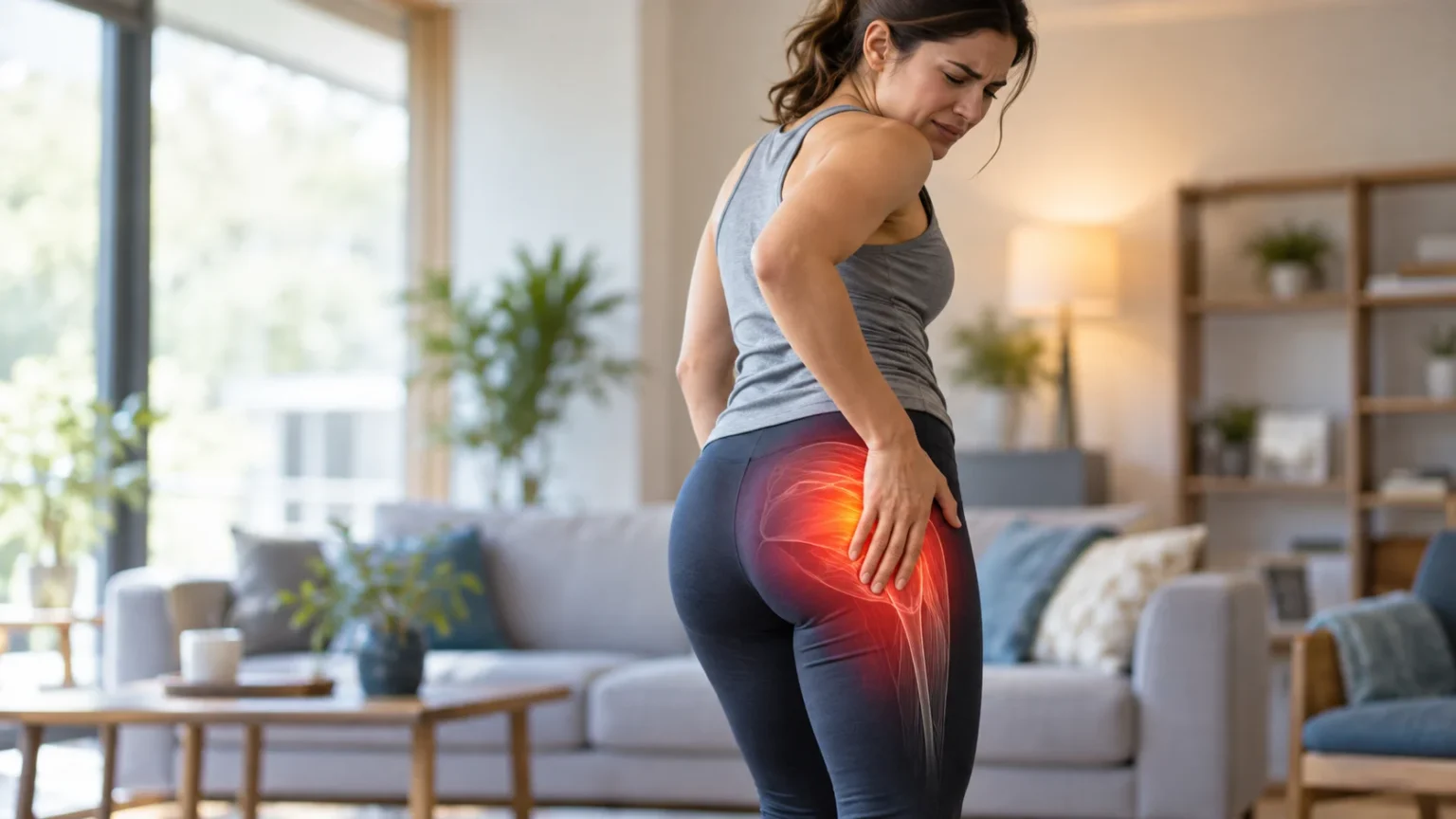
Butt cramps are involuntary tightening or spasms involving muscles in the buttocks, most commonly the gluteus maximus, gluteus medius, or smaller muscles surrounding the hip. The muscle may suddenly become hard and painful for several seconds or minutes. Some people experience isolated cramps, while others develop recurring episodes during exercise, rest, or sleep.
A cramp may feel like a deep knot that temporarily makes it difficult to walk, straighten the leg, or change position. The discomfort can remain localized in one spot or involve a larger portion of the buttock. Mild soreness can sometimes remain after the main spasm releases, especially if the muscle was already tired or overworked.
It is important to distinguish a true muscle cramp from other types of buttock pain. Burning, tingling, shooting pain, or numbness may point more toward nerve irritation than a simple muscle spasm. Persistent tenderness after an injury, meanwhile, could indicate a strain or another musculoskeletal problem that needs a different approach.
Common Causes of Butt Cramps
Muscle fatigue is one of the most common causes of cramping. Activities such as running, climbing hills, squatting, lunging, cycling, or heavy lower-body training can place significant demand on the gluteal muscles. If those muscles become tired, they may temporarily contract involuntarily, especially after an unusually difficult or unfamiliar workout.
Prolonged sitting can cause problems for a different reason. Remaining in one position for many hours can make the hips and buttock muscles feel stiff while reducing normal movement through the surrounding tissues. When you finally stand, stretch, or move suddenly, a tight muscle may respond with a brief spasm or cramping sensation.
Other possible contributors include inadequate recovery, sudden changes in activity level, dehydration, and certain mineral or electrolyte imbalances. However, cramps do not always mean that you are deficient in a specific nutrient. Repeated symptoms are better evaluated in the context of activity, medications, health conditions, and overall movement patterns rather than assuming one simple cause.
Butt Cramps After Exercise
Exercise-related cramps often occur when the glutes are working harder than they are accustomed to. Increasing your squat volume, running distance, sprinting intensity, or resistance too quickly can overload muscles before they have adapted. The cramp may happen during the workout or appear shortly afterward as the muscle begins to relax.
Poor exercise technique may also contribute to excessive fatigue. If the hips, core, and legs are not sharing the workload effectively, certain muscles can become overworked. Someone performing repeated lunges or squats with poor control may place unnecessary stress on the glutes and surrounding tissues, increasing the likelihood of soreness or spasms afterward.
Gradual progression is usually more helpful than making sudden jumps in training difficulty. Warm up before demanding sessions, increase volume slowly, and allow enough recovery between challenging lower-body workouts. If the same movement repeatedly causes sharp pain or severe cramping, stop and reassess your technique rather than simply pushing through the discomfort.
Can Dehydration Cause Butt Cramps?
Dehydration can contribute to muscle cramping in some situations, particularly during prolonged exercise, hot weather, or heavy sweating. Losing fluids may affect the way muscles and nerves function, especially when fluid loss becomes significant. However, not every muscle cramp is caused by dehydration, and simply drinking more water will not solve every recurring episode.
Electrolytes such as sodium, potassium, calcium, and magnesium help support normal muscle and nerve activity. Heavy sweating can alter electrolyte balance, particularly during long or intense exercise sessions. Most people can obtain these nutrients through a balanced diet, while athletes training for extended periods may need a more individualized hydration and fueling strategy.
Avoid assuming that frequent butt cramps automatically mean you need supplements. Excessive intake of certain minerals can also cause problems, and some supplements interact with medications or existing health conditions. If cramps are frequent, severe, or unexplained, discuss them with a healthcare professional rather than treating yourself based only on a suspected deficiency.
Butt Cramps From Sitting Too Long
Long periods of sitting can leave the hips and gluteal muscles feeling tight, weak, or uncomfortable. Office workers, drivers, students, and people who spend many hours at a computer may notice buttock cramping after standing suddenly. A firm chair or uneven sitting posture can make the area feel even more uncomfortable.
Changing position regularly is one of the simplest strategies. Stand up every so often, walk briefly, and gently move the hips instead of remaining completely still for several hours. You do not need an intense stretch every time; even short movement breaks can help restore normal motion and reduce the feeling of stiffness around the buttocks.
Your workstation setup may also affect symptoms. Keep both feet supported, avoid leaning heavily onto one hip, and adjust your chair so you are not constantly slouched or twisted. If cramps consistently occur only while sitting, notice whether changing your chair, posture, or sitting duration improves the problem over the following days.
Sciatica and Nerve-Related Buttock Pain
Sciatica can cause pain that begins in the lower back or buttock and travels down the leg. Unlike a typical muscle cramp, nerve-related pain may feel burning, electric, shooting, or accompanied by tingling and numbness. Symptoms can worsen with certain movements, prolonged sitting, coughing, or other positions that irritate the affected nerve.
Other nerves around the pelvis and hip can also produce unusual sensations in the buttocks. Muscle tension may occur alongside nerve irritation, which can make the problem feel like a cramp even when the nerve is contributing significantly. Persistent radiating symptoms should therefore be assessed rather than repeatedly treated as a simple tight muscle.
Musculoskeletal symptoms in different parts of the body can have many causes, so it is useful to avoid assuming that every pop, crack, spasm, or ache has the same meaning. For example, people concerned about upper-body joint sounds may also want to understand the facts around neck cracking rather than applying information from one body area to another.
How to Relieve Butt Cramps Quickly
When a cramp starts, stop the activity that triggered it and allow the muscle to relax. Gentle movement is often more comfortable than aggressively stretching the area. Try slowly changing position, walking a few steps if you can, or gently extending and flexing the hip until the intense contraction begins to release.
Light massage may also help some people. Use your hand to apply gentle pressure around the tight area without digging aggressively into painful tissue. A warm shower or heating pad on a comfortable setting may help the muscle relax afterward, particularly when the buttock feels tight rather than swollen from a recent injury.
If a cramp occurs after exercise, give the muscle time to recover before returning to high-intensity activity. Hydrate normally and eat a balanced meal or snack if you have been exercising for an extended period. Severe pain, repeated cramping, or symptoms that do not settle with simple measures deserve further evaluation.
Gentle Stretches for Buttock Muscle Cramps
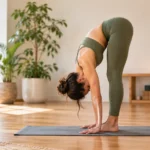
A gentle figure-four stretch can target muscles around the buttocks and outer hip. Lie on your back, cross one ankle over the opposite thigh, and carefully bring the supporting leg toward you. Hold only to the point of a mild stretch, and stop if you feel sharp pain, numbness, or symptoms traveling down the leg.
A knee-to-chest stretch can also feel comfortable for some people. Lie on your back and slowly bring one knee toward your chest while keeping the other leg relaxed. The movement should feel gentle rather than forceful, and there is no need to pull the knee as far as possible for the stretch to be useful.
Slow hip movement can sometimes work better than holding a long stretch. Try gentle walking, controlled hip rotations, or an easy bodyweight movement once the cramp has settled. If stretching consistently causes tingling, burning, or radiating pain, stop and consider whether nerve irritation rather than simple muscle tightness may be involved.
How to Prevent Butt Cramps
Regular movement and sensible training progression can reduce the chance of cramps caused by sudden overload. If you are beginning a new exercise program, increase intensity, resistance, or distance gradually instead of changing everything at once. Muscles adapt over time, so giving them appropriate recovery can be just as important as the workout itself.
Balanced lower-body strength may also help prevent certain overuse patterns. Squats, bridges, step-ups, hip hinges, and lunges can strengthen the glutes when performed with suitable resistance and technique. Core, hamstring, and hip strength also contribute to overall lower-body control, so avoid focusing only on one muscle group.
Daily habits matter as well. Take movement breaks during long sitting periods, maintain normal hydration, eat a varied diet, and get adequate sleep when possible. If you repeatedly cramp during the same activity, keep track of what happens beforehand because patterns involving workload, position, temperature, or fatigue may reveal useful triggers.
Can Medications or Health Conditions Cause Muscle Cramps?
Certain medications can sometimes contribute to muscle cramps or muscle discomfort. The exact risk depends on the medication, dose, other drugs being taken, and the person’s overall health. If new cramps began soon after starting or changing a prescription, discuss the timing with your healthcare professional rather than stopping medication on your own.
Medical conditions affecting nerves, muscles, circulation, kidneys, hormones, or metabolism can also contribute to recurring cramps in some people. This does not mean that frequent buttock cramping automatically indicates a serious disease. However, persistent symptoms are worth discussing when they occur without an obvious relationship to exercise or prolonged sitting.
A clinician may review your medications, activity level, medical history, and other symptoms before deciding whether testing is needed. In some situations, blood tests or a physical examination may help identify contributing factors. The goal is to look at the entire pattern rather than treating the cramp as an isolated symptom.
Butt Cramps During Pregnancy
Changes during pregnancy can place additional strain on the muscles around the hips, pelvis, and lower back. Altered posture, weight distribution, reduced activity, and pressure on surrounding structures may contribute to discomfort in the buttocks. Some pregnant people also experience muscle cramps elsewhere in the legs, particularly later in pregnancy.
Gentle walking, comfortable stretching, changing positions frequently, and using supportive pillows may help with mild muscle discomfort. However, pregnancy changes what treatments and medicines are appropriate, so it is best to discuss persistent pain or recurrent cramping with a qualified prenatal healthcare professional rather than relying on general recommendations.
Seek medical attention promptly for severe pain, significant swelling, weakness, shortness of breath, unusual bleeding, or other concerning pregnancy symptoms. Buttock discomfort is often musculoskeletal, but symptoms should still be considered in the wider context of pregnancy, especially when the pain is new, intense, or accompanied by other changes.
When Should You Worry About Butt Cramps?
Occasional cramps that appear after strenuous exercise and settle quickly are usually less concerning than persistent or progressive symptoms. Medical evaluation is reasonable if cramps happen frequently, disturb your sleep, occur without an obvious trigger, or become more intense over time. Significant weakness or difficulty walking should also be checked.
Seek urgent medical care if buttock pain occurs with new loss of bladder or bowel control, numbness around the groin or inner thighs, or severe weakness in one or both legs. These neurological symptoms can indicate significant nerve compression and should not be managed only with stretching, heat, or other home remedies.
You should also seek medical advice for severe swelling, redness, fever, unexplained weight loss, pain after major trauma, or symptoms accompanied by significant leg swelling. A healthcare professional can determine whether the problem is muscular, neurological, vascular, or related to another condition that requires specific treatment.
Conclusion
Butt cramps are commonly related to muscle fatigue, prolonged sitting, exercise, or temporary tightness around the hips. A cramp may feel intense, but many mild episodes improve with gentle movement, rest from aggravating activities, comfortable stretching, hydration, or warmth. Identifying patterns can make future episodes easier to prevent.
Recurring buttock pain deserves more attention when symptoms include burning, tingling, numbness, or pain traveling down the leg. These features may suggest nerve involvement rather than a straightforward muscle spasm. Medication effects, health conditions, or injuries may also contribute when cramps continue without a clear explanation.
Listen to how your symptoms behave instead of automatically pushing through them. Occasional exercise-related cramps are often manageable, while severe, persistent, or neurologically associated symptoms should be assessed professionally. Seek urgent care for bowel or bladder changes, major weakness, significant numbness, or other serious warning signs.
FAQs
Why do I keep getting cramps in my buttocks?
Repeated butt cramps can be related to muscle fatigue, prolonged sitting, intense exercise, dehydration, nerve irritation, or other health factors. Frequent unexplained episodes are worth discussing with a healthcare professional.
How do you get rid of a butt cramp quickly?
Stop the aggravating activity, change position, and try gentle walking or a comfortable stretch. Light massage or warmth may also help once the intense contraction begins to release.
Can sciatica feel like a butt cramp?
Yes, nerve irritation can sometimes feel like deep buttock tightness. Sciatica more commonly causes burning, shooting pain, tingling, numbness, or symptoms that travel from the buttock into the leg.
Does dehydration cause butt cramps?
Dehydration may contribute to muscle cramping, especially during prolonged exercise or heavy sweating. However, recurring cramps can have many causes, so dehydration should not automatically be assumed to be the only explanation.
When are butt cramps serious?
Seek medical care for severe or persistent cramps associated with weakness, significant numbness, fever, swelling, trauma, or worsening symptoms. Bowel or bladder changes with numbness around the groin require urgent assessment.