What Does Pain Behind the Knee Mean?
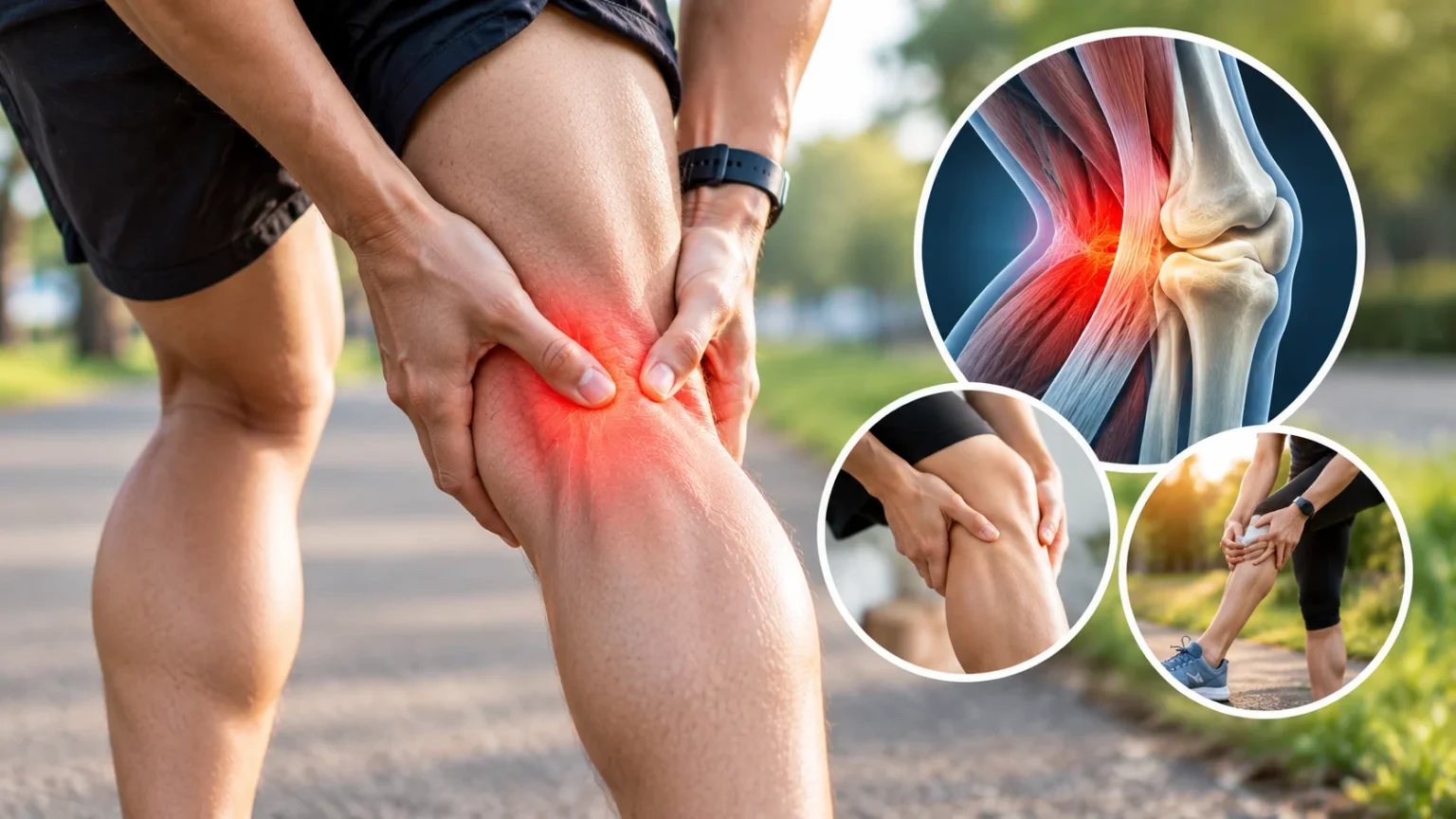
Pain behind the knee can come from muscles, tendons, joints, blood vessels, or other structures located around the back of the knee. Some causes are related to overuse or minor strain, while others may need medical attention. The exact location, severity, and timing of the discomfort can provide useful clues about what may be causing it.
You might notice pain only when walking, bending your knee, climbing stairs, exercising, or standing after sitting for a long time. Some people experience tightness, swelling, stiffness, or a pulling sensation instead of sharp pain. Symptoms can also appear suddenly after activity or develop gradually over several days or weeks.
Because many different conditions can produce similar symptoms, it is difficult to identify the exact cause based on pain alone. Paying attention to swelling, redness, warmth, instability, bruising, or changes in mobility can help narrow the possibilities. Persistent or worsening pain deserves professional assessment, especially when it interferes with normal movement.
Hamstring Strain and Muscle Tightness
The hamstring muscles run along the back of the thigh and help bend the knee and extend the hip. A strain can occur when these muscles are stretched or loaded beyond their current capacity. Sprinting, jumping, sudden acceleration, or returning to exercise too quickly can sometimes trigger pain near the back of the knee.
A mild hamstring strain may feel like soreness, tightness, or tenderness where the muscles and tendons approach the knee. More significant injuries may cause sudden sharp pain, weakness, bruising, or difficulty walking normally. Symptoms often become more noticeable when bending the knee against resistance or stretching the back of the thigh.
Rest from aggravating activity, gentle movement, and gradual return to exercise may help minor muscle strains settle. Avoid forcing deep stretches when the area is freshly injured or painful. If you experience major bruising, severe weakness, a popping sensation, or difficulty bearing weight, a healthcare professional should assess the injury.
Baker’s Cyst Behind the Knee
A Baker’s cyst is a fluid-filled swelling that can develop at the back of the knee. It often forms when excess joint fluid is pushed into a small sac behind the knee, sometimes because of arthritis or another problem inside the joint. The swelling may feel like a soft lump or pressure behind the knee.
Some Baker’s cysts cause very few symptoms, while others create stiffness, aching, or difficulty fully bending the knee. The discomfort may become more noticeable after activity or prolonged standing. Larger cysts can sometimes create a feeling of fullness behind the knee, especially when straightening or flexing the leg.
Treatment usually depends on the underlying cause rather than the cyst alone. Managing joint irritation, improving mobility, and addressing arthritis or another knee condition may reduce recurring swelling. Sudden calf swelling or pain should not automatically be assumed to come from a cyst because blood clots can produce similar symptoms.
Tendon Problems and Overuse Injuries
Several tendons pass near the back and sides of the knee, making tendon irritation another possible source of discomfort. Repeated running, jumping, cycling, or rapid increases in training volume may overload these tissues. Pain can develop gradually, particularly when the body has not had enough time to adapt to increased activity.
Tendon-related discomfort often feels localized and may worsen during specific movements. You may notice tenderness when pressing around the affected area or discomfort when contracting nearby muscles against resistance. Unlike sudden traumatic injuries, overuse problems often begin as mild soreness before becoming more persistent if the aggravating activity continues.
Reducing the activity that repeatedly triggers symptoms can provide time for irritated tissue to recover. Gradual strengthening is often more useful than complete inactivity once the initial pain settles. Persistent tendon pain, significant weakness, or symptoms that repeatedly return may benefit from assessment by a physical therapist or another qualified clinician.
Meniscus Injuries and Posterior Knee Pain
The menisci are pieces of cartilage inside the knee that help distribute load and support joint stability. A meniscus injury can occur after twisting the knee, changing direction suddenly, or squatting under load. Degenerative changes can also develop gradually, meaning symptoms may appear without one obvious injury.
Pain from a meniscus problem can sometimes be felt toward the back of the knee, particularly when the tear affects the posterior portion of the cartilage. You may also notice swelling, clicking, catching, stiffness, or difficulty fully bending or straightening your knee. Some people describe the joint as feeling temporarily stuck during movement.
Not every meniscus injury requires surgery, and treatment depends on symptoms, activity level, tear type, and overall knee health. Many cases are managed with activity modification and progressive rehabilitation. However, significant locking, persistent swelling, instability, or major loss of movement should be evaluated by an appropriate healthcare professional.
Arthritis and Joint Inflammation
Arthritis can cause aching, stiffness, swelling, and reduced movement in the knee. Osteoarthritis becomes more common with age and involves changes in the cartilage and other joint structures over time. The discomfort may be felt around several areas of the knee, including the back, especially when swelling or joint irritation is present.
Symptoms often become more noticeable after prolonged inactivity or after activities that place greater load on the joint. Some people experience morning stiffness, difficulty with stairs, or discomfort after walking for long periods. Knee swelling can also create pressure toward the back of the joint and contribute to a sensation of tightness.
Inflammatory conditions can also affect joints throughout the lower limb. Problems such as ankle gout show how crystal-related inflammation may cause sudden joint pain, warmth, and swelling in nearby areas. When knee symptoms are intense, recurrent, or accompanied by redness and heat, proper medical evaluation can help identify the underlying cause.
Calf Strain and Pain Near the Back of the Knee
The upper portion of the calf muscles attaches close to the knee, so an injury there can sometimes feel like pain directly behind the joint. Calf strains commonly happen during running, jumping, pushing off quickly, or sudden changes in direction. The discomfort may appear immediately or become more noticeable shortly after physical activity.
A strained calf may feel tender, tight, or painful when walking, rising onto your toes, or stretching the lower leg. More serious strains can lead to bruising, swelling, and difficulty pushing through the foot. Because the upper calf is close to the back of the knee, people sometimes mistake muscular pain for a knee-joint problem.
Gentle movement and temporary reduction of intense activity can help mild strains recover. Avoid aggressively stretching injured tissue during the early stages if it increases pain. If swelling becomes significant, walking becomes difficult, or you are unsure whether the problem is muscular or vascular, professional assessment is the safer approach.
Could Pain Behind the Knee Be a Blood Clot?
A deep vein thrombosis, or DVT, is a blood clot that commonly forms in a deep vein of the leg. It can sometimes cause pain around the calf or behind the knee, along with swelling, warmth, tenderness, or skin discoloration. Not everyone develops all of these symptoms, which makes DVT difficult to identify without medical testing.
Risk can be higher after prolonged immobility, major surgery, long travel, serious illness, pregnancy, certain medications, or a previous history of blood clots. Leg pain after these situations should not automatically be treated as a routine muscle strain. Sudden one-sided swelling or unexplained warmth deserves prompt medical assessment, particularly when no clear injury occurred.
A suspected blood clot requires urgent medical attention because part of the clot can potentially travel to the lungs. Seek emergency care if leg symptoms occur with sudden shortness of breath, chest pain, coughing up blood, fainting, or unexplained rapid breathing. Do not massage a painful swollen leg when a blood clot is a possibility.
Pain Behind the Knee When Bending
Pain that becomes noticeable when bending the knee can occur for several reasons. A Baker’s cyst, meniscus irritation, joint swelling, tendon problems, or muscle tightness may all become more noticeable as the knee moves into deeper flexion. The location and type of pain can help guide further assessment, but they cannot confirm a diagnosis alone.
If bending creates a feeling of pressure or fullness behind the knee, swelling may be limiting movement. A sharp catching sensation could suggest irritation within the joint, while a pulling sensation may be more consistent with muscle or tendon tension. Pain during deep squats or kneeling can also appear when several structures are being compressed simultaneously.
Avoid repeatedly forcing the knee into a painful range in an attempt to loosen it. Instead, use comfortable movement and note which activities consistently trigger symptoms. If the knee becomes locked, dramatically swollen, unstable, or unable to bend or straighten normally, arrange a medical evaluation rather than continuing to exercise through the problem.
Pain Behind the Knee After Running
Running places repeated load through the muscles, tendons, and joints of the lower body. Pain behind the knee after running can develop when training volume, speed, hills, or frequency increases faster than your body can adapt. Changes in footwear, running surface, strength, or recovery may also influence how much stress the area experiences.
The exact cause may involve the hamstrings, upper calf, tendons, joint structures, or irritation related to repeated knee movement. Pay attention to whether symptoms begin during the run, immediately afterward, or the following day. Also note whether pain occurs at a particular distance, pace, incline, or movement because these details can help identify patterns.
Temporarily reducing the activity that repeatedly triggers symptoms may allow irritated tissues to settle. Returning gradually is generally preferable to immediately resuming the same training load once pain decreases. If discomfort persists despite reasonable changes, affects normal walking, or repeatedly returns each time you run, professional assessment can help guide rehabilitation.
What You Can Do for Mild Pain Behind the Knee
For mild discomfort without major swelling, trauma, or warning signs, temporarily reducing activities that aggravate the knee may be helpful. Complete bed rest is rarely necessary for simple overuse symptoms, and comfortable everyday movement can often be maintained. The goal is to reduce irritating loads while keeping the joint and surrounding muscles gently active.
Cold or warm applications may provide temporary comfort depending on personal preference and the nature of the symptoms. Avoid placing extreme temperatures directly against the skin, and do not rely on heat or ice as a substitute for identifying persistent problems. Gentle movement, appropriate recovery, and gradual strengthening usually play a larger role in long-term improvement.
As symptoms settle, slowly rebuild tolerance to activities such as walking, cycling, resistance training, or running. Increase exercise gradually rather than immediately returning to your previous intensity. If a particular movement repeatedly causes sharp pain or significant swelling, stop pushing through it and consider getting guidance from a qualified healthcare or rehabilitation professional.
Exercises and Movement for Posterior Knee Pain
Exercise can be useful for some causes of pain behind the knee, but the correct approach depends on what is producing the symptoms. Gentle knee movement, calf strengthening, hamstring strengthening, and hip exercises may support overall lower-body function. However, exercises that help an overuse problem may not be appropriate during an acute injury or unexplained swelling.
Begin within a comfortable range rather than trying to stretch or strengthen through significant pain. Slow heel raises, gentle hamstring contractions, controlled knee bends, and light walking may be reasonable options for some people. Exercise intensity should increase gradually as symptoms improve, with attention to how the knee feels both during activity and afterward.
If symptoms become worse every time you exercise, the program may need adjustment. Pain accompanied by instability, major swelling, locking, neurological symptoms, or suspected vascular problems should not be managed with generic exercises alone. Individual assessment can help identify suitable movements and determine whether further testing or treatment is needed.
When Should You Worry About Pain Behind the Knee?
Seek prompt medical attention when pain behind the knee appears with sudden swelling, redness, unusual warmth, or unexplained tenderness in one leg. These symptoms can sometimes be associated with a blood clot or another condition requiring timely evaluation. Risk factors such as recent surgery, prolonged immobility, or previous blood clots make assessment even more important.
You should also seek care after significant trauma if you cannot bear weight, the knee looks deformed, or swelling develops rapidly. Locking, repeated giving way, substantial bruising, or an inability to fully move the knee may indicate a more significant injury. Persistent pain that does not improve with reasonable activity changes also deserves evaluation.
Emergency attention is appropriate when leg pain or swelling occurs together with chest pain, sudden shortness of breath, fainting, or coughing up blood. These symptoms may indicate a serious complication involving the lungs. When warning signs are absent, ongoing discomfort can usually be assessed through a routine healthcare appointment to determine the likely cause and appropriate treatment.
Conclusion
Pain behind the knee can come from many different structures, including muscles, tendons, cartilage, joint fluid, and blood vessels. Common possibilities include hamstring strains, calf injuries, Baker’s cysts, meniscus problems, arthritis, and overuse-related irritation. Understanding when symptoms occur and what other signs accompany them can provide helpful clues about the underlying problem.
Mild discomfort related to activity may improve with temporary load reduction, comfortable movement, and gradual return to exercise. However, persistent pain should not simply be ignored or repeatedly pushed through. Swelling, locking, instability, significant weakness, or reduced movement may indicate that the knee needs a more detailed assessment.
Sudden one-sided leg swelling, warmth, severe unexplained pain, or symptoms accompanied by breathing difficulty require urgent medical attention because a blood clot is one possible cause. For less urgent symptoms that continue or interfere with normal activity, a healthcare professional can help identify the problem and recommend an appropriate recovery plan.
FAQs
Why does the back of my knee hurt when I walk?
Pain while walking may come from irritated muscles, tendons, a Baker’s cyst, arthritis, or another knee problem. Persistent pain, swelling, or difficulty bearing weight should be evaluated by a healthcare professional.
Can tight hamstrings cause pain behind the knee?
Yes, hamstring tightness or strain can sometimes create discomfort near the back of the knee because the tendons attach close to the joint. Pain that persists or worsens may need further assessment.
Is pain behind the knee a sign of a blood clot?
It can be, although many other conditions cause similar pain. Sudden one-sided swelling, warmth, redness, or unexplained calf tenderness should be assessed promptly, especially when blood-clot risk factors are present.
Can a Baker’s cyst go away on its own?
Some Baker’s cysts become smaller when the underlying knee irritation improves. Persistent swelling, pain, restricted movement, or sudden calf symptoms should be evaluated to rule out other causes.
Should I exercise with pain behind my knee?
Gentle activity may be reasonable for mild symptoms, but avoid movements that clearly worsen the pain. Severe swelling, locking, instability, significant injury, or unexplained symptoms should be assessed before continuing exercise.