What Are Kegel Exercises for Women?
Kegel exercises are controlled contractions of the pelvic floor muscles, which support the bladder, uterus, bowel, and other pelvic organs. These muscles also contribute to urinary control and pelvic stability. Kegels involve gently tightening and relaxing the pelvic floor without strongly squeezing the abdominal, buttock, or thigh muscles at the same time.
The pelvic floor can become weaker or less coordinated after pregnancy, childbirth, aging, hormonal changes, surgery, or prolonged physical strain. Some women may notice urine leakage when coughing, sneezing, exercising, or lifting. In certain situations, properly performed pelvic floor exercises can improve muscle awareness, strength, endurance, and control during everyday activities.
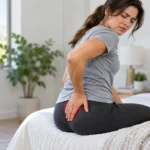
However, Kegels are not automatically appropriate for everyone. Some women have pelvic floor muscles that are already overly tense or difficult to relax, and additional strengthening may worsen discomfort. If you have pelvic pain, painful intercourse, difficulty emptying your bladder, or persistent pressure, professional assessment can help determine whether strengthening or relaxation is more appropriate.
What Muscles Do Kegel Exercises Target?
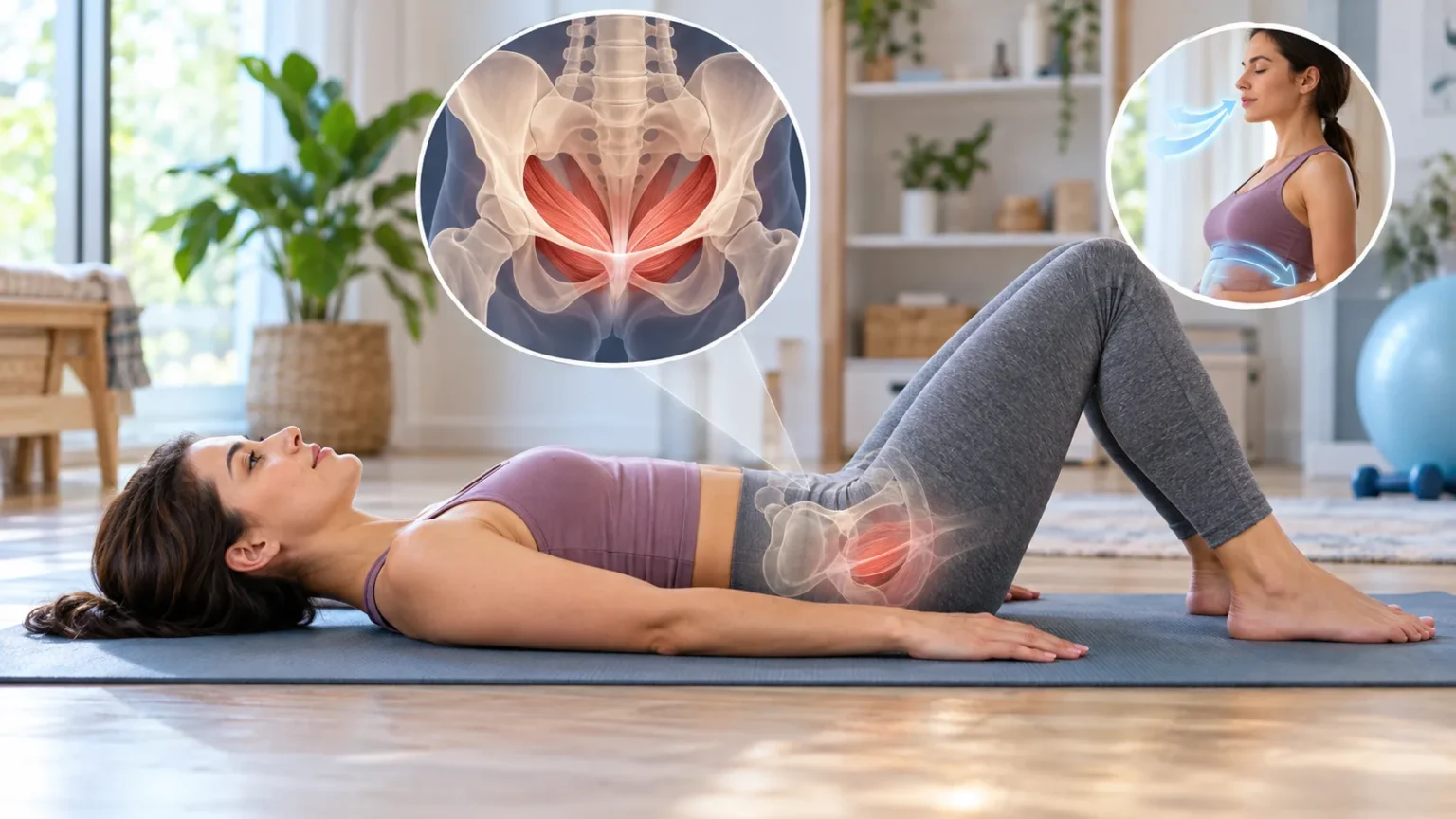
Kegel exercises primarily target the pelvic floor, a group of muscles and connective tissues forming a supportive base at the bottom of the pelvis. These muscles help support pelvic organs while contributing to bladder and bowel control. They also coordinate with the diaphragm, abdominal muscles, hips, and deeper trunk muscles during movement and breathing.
A healthy pelvic floor needs more than strength. The muscles should be able to tighten when necessary, remain active when supporting load, and relax fully during urination, bowel movements, and certain other activities. Strong muscles that cannot relax normally may still create symptoms, which is why coordination and control are just as important as contraction strength.
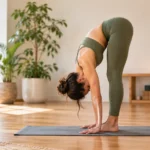
Pelvic floor function is also connected to overall lower-body movement. Exercises such as walking, hip strengthening, controlled squats, and seated leg lifts may support broader hip and core function when appropriate. Kegels can therefore be considered one part of a balanced movement routine rather than the only exercise needed for pelvic health.
Benefits of Kegel Exercises for Women
One of the most recognized benefits of Kegel exercises is improved bladder control in women with certain forms of urinary leakage. Strengthening and coordinating the pelvic floor can help the muscles respond more effectively when pressure increases during coughing, laughing, sneezing, running, or lifting. Progress generally requires correct technique and consistent practice rather than forceful squeezing.
Kegels may also be useful during or after pregnancy when recommended by a healthcare professional. Pregnancy and childbirth can place substantial demand on the pelvic floor, and some women benefit from targeted rehabilitation afterward. The appropriate approach depends on delivery history, symptoms, healing, and whether the pelvic floor is weak, tight, injured, or poorly coordinated.
Another possible benefit is improved awareness of the pelvic floor muscles. Many people find it difficult to identify these muscles or understand how they should contract and relax. Learning controlled activation can make it easier to coordinate the pelvic floor during daily activities while also recognizing when unnecessary tension needs to be released.
How to Identify Your Pelvic Floor Muscles
To understand a Kegel contraction, imagine gently trying to stop yourself from passing gas while also lifting the muscles around the vagina upward and inward. The sensation should be subtle rather than forceful. You should feel a gentle internal lift instead of strongly squeezing your thighs, clenching your buttocks, or pulling your stomach inward.
Some people are told to stop urine flow while using the bathroom to identify the correct muscles. Doing this once for awareness may help some women recognize the area, but repeatedly interrupting urination is generally not a good exercise method. Regularly stopping urine flow can interfere with normal bladder emptying and is unnecessary for effective pelvic floor training.
If you cannot tell whether you are contracting correctly, a pelvic floor physical therapist or another qualified clinician can provide individualized guidance. Professional assessment can identify whether the muscles are weak, overly tense, poorly coordinated, or functioning normally. This is especially helpful when symptoms continue despite regularly practicing pelvic floor exercises at home.
How to Perform Kegel Exercises Correctly
Begin in a comfortable position, such as lying down or sitting with your shoulders and abdomen relaxed. Breathe normally and gently contract the pelvic floor as though you are lifting the muscles upward inside your pelvis. Hold only as long as you can maintain the contraction comfortably without holding your breath or tightening surrounding muscles excessively.
After each contraction, fully relax the pelvic floor before beginning another repetition. The relaxation phase is important because muscles need to lengthen as well as contract. If you repeatedly tighten without allowing a complete release, you may create unnecessary tension, especially if your pelvic floor already has difficulty relaxing normally.
Keep the movement controlled and relatively gentle. A stronger squeeze is not always a better squeeze, and excessive effort can cause the abdominal muscles, buttocks, or inner thighs to take over. Focus on precision, breathing, and complete relaxation between repetitions rather than trying to perform as many contractions as possible.
Common Kegel Exercise Mistakes to Avoid
One common mistake is holding your breath while squeezing the pelvic floor. Breath-holding increases pressure through the abdomen and can make the exercise more difficult to coordinate properly. Continue breathing gently throughout each repetition, allowing the diaphragm and pelvic floor to work together instead of creating unnecessary pressure by bracing your entire trunk.
Another mistake is tightening the wrong muscles. If your buttocks visibly squeeze, your thighs press together, or your abdomen becomes extremely rigid, you may be compensating instead of isolating the pelvic floor. Some natural activation of nearby muscles can occur, but the exercise should not feel like a full-body contraction or intense abdominal workout.
Doing too many Kegels can also create problems. Pelvic floor muscles can become fatigued like any other muscles, and excessive tightening may contribute to discomfort in some people. Gradual progression is generally more useful than performing hundreds of repetitions, particularly when you have not been assessed for the underlying cause of your symptoms.
How Often Should Women Do Kegel Exercises?
The ideal number of Kegel exercises varies depending on your symptoms, muscle function, experience, and rehabilitation goals. A healthcare professional may recommend a specific combination of short contractions, longer holds, and rest periods. Beginners generally benefit from focusing on a smaller number of accurate repetitions rather than completing high-volume routines with poor technique.
Consistency is usually more important than intensity. Short practice sessions performed regularly can help improve muscle awareness and control without creating unnecessary fatigue. If you begin losing technique, holding your breath, tightening other muscles, or struggling to fully relax between contractions, it is usually better to stop rather than continue repeating lower-quality movements.
Pelvic floor strengthening also takes time, so immediate changes should not be expected after only a few sessions. Improvement depends on the starting condition of the muscles and the reason exercises are being performed. If symptoms are unchanged or become worse despite consistent practice, seek professional guidance rather than simply increasing the number of repetitions.
Kegel Exercises After Pregnancy and Childbirth
Pregnancy can stretch and load the pelvic floor as the body adapts to carrying a growing baby. Vaginal birth can place additional strain on pelvic floor muscles and surrounding tissues, although symptoms and recovery vary widely between individuals. Some women experience temporary weakness, urinary leakage, heaviness, or reduced muscle control after childbirth.
Kegel exercises may be included in postpartum recovery when they are comfortable and appropriate for the individual. However, the timing and intensity should reflect healing, delivery type, tearing, pain, and any instructions provided by your healthcare team. Postpartum rehabilitation should not be rushed simply because pelvic floor strengthening is often described as beneficial.
Some postpartum women have weakness, while others develop significant muscle guarding or tension. In those cases, repeatedly tightening the pelvic floor may not address the actual problem. Pain, pressure, urinary difficulties, persistent leakage, or discomfort during intercourse are good reasons to consider evaluation by a pelvic health professional for individualized treatment.
Kegel Exercises for Bladder Control
The pelvic floor helps close the urethra and support the bladder when abdominal pressure suddenly rises. Women with stress urinary incontinence may experience leakage during activities such as coughing, laughing, jumping, running, or lifting. Proper pelvic floor training can help some women improve the strength and timing needed to respond to these pressure changes.
Practicing the contraction itself is only part of bladder-control training. Learning when to activate the pelvic floor may also be useful, such as gently contracting before a cough, sneeze, or lift. Over time, improved coordination can make the response feel more automatic rather than requiring deliberate thought before every movement.
Urinary leakage can have several causes, and not all forms respond to strengthening in the same way. Frequent urgency, pain during urination, difficulty emptying the bladder, or sudden changes in urinary control should be appropriately assessed. Pelvic floor exercise is useful for many women, but it should not replace evaluation when symptoms suggest another underlying problem.
When Kegel Exercises May Not Be the Right Choice
Kegels may not be appropriate when pelvic floor muscles are already overly tight or unable to relax properly. Symptoms of excessive tension can include pelvic pain, pain during intercourse, discomfort with penetration, difficulty emptying the bladder or bowel, and persistent pressure or aching. More strengthening can sometimes increase tension rather than improve these symptoms.
In such situations, treatment may focus more on relaxation, breathing, gentle mobility, and learning how to release the pelvic floor. A pelvic floor physical therapist can help determine whether your muscles need strengthening, relaxation, coordination training, or a combination of approaches. Guessing based on symptoms alone can be difficult because weakness and tension sometimes produce overlapping complaints.
Stop Kegel exercises if they consistently cause pain, increased pressure, difficulty urinating, or worsening pelvic symptoms. Exercise should not create sharp pain or significant discomfort. Persistent symptoms, unexplained bleeding, new neurological problems, or sudden changes in bladder or bowel control should be discussed with an appropriate healthcare professional instead of managed through exercise alone.
Best Practices for Getting Better Results
Start with correct technique before increasing repetitions, duration, or resistance. A smaller number of accurate contractions with full relaxation between each one is more useful than a large number performed incorrectly. Keep your breathing natural, avoid forceful squeezing, and pay attention to whether surrounding muscles begin compensating as your pelvic floor becomes tired.
Make Kegels part of a broader approach to movement and pelvic health. Regular walking, appropriate strength training, hip mobility, comfortable core exercise, and healthy bowel habits can all influence pelvic floor function. Reducing chronic straining during bowel movements and avoiding unnecessary breath-holding during lifting may also help manage pressure through the pelvic region.
Most importantly, adjust the exercise according to how your body responds. Pelvic floor training should improve control without causing new symptoms. If you are uncertain about your technique or have ongoing leakage, pelvic pain, pressure, or sexual discomfort, individualized assessment can help you avoid ineffective exercises and create a more appropriate plan.
Conclusion
Kegel exercises for women can help improve pelvic floor awareness, muscle control, and bladder support when strengthening is appropriate. They are simple, require no equipment, and can usually be practiced in several positions. However, their effectiveness depends heavily on correct technique, consistent practice, and understanding whether the pelvic floor actually needs strengthening.
A proper Kegel involves a gentle internal lift followed by complete relaxation. Breathing should remain comfortable, while excessive squeezing of the thighs, buttocks, or abdomen should be avoided. Progress gradually instead of performing very large numbers of repetitions, and treat relaxation as an important part of every exercise rather than an optional step.
Pelvic floor problems are not all caused by weakness, so Kegels are not a universal solution. Women with pelvic pain, difficulty relaxing, persistent leakage, pressure, or bladder and bowel symptoms may benefit from professional evaluation. The right exercise program should reflect your individual symptoms, muscle function, and overall pelvic health needs.
FAQs
How long should you hold a Kegel?
Hold only as long as you can maintain a comfortable, controlled contraction without holding your breath or tightening other muscles. The appropriate duration varies according to strength, symptoms, and professional recommendations.
Can you do Kegel exercises every day?
Many women can practice Kegels regularly when strengthening is appropriate and the exercises remain comfortable. Avoid excessive repetitions, and allow the pelvic floor to relax fully between contractions to reduce unnecessary muscle fatigue.
How do I know if I am doing Kegels correctly?
You should feel a gentle lifting and tightening sensation around the pelvic openings without strongly squeezing your buttocks or thighs. If you remain unsure, a pelvic floor physical therapist can assess your technique.
Can Kegel exercises make pelvic pain worse?
Yes. If your pelvic floor is already overly tight, repeated strengthening may increase discomfort. Pelvic pain, painful intercourse, or difficulty relaxing may require relaxation-focused treatment rather than additional Kegel contractions.
How long does it take for Kegel exercises to work?
Results vary depending on the reason for training, starting strength, technique, and consistency. Pelvic floor changes generally develop gradually, so persistent symptoms should be reviewed rather than managed by continually increasing exercise volume.