

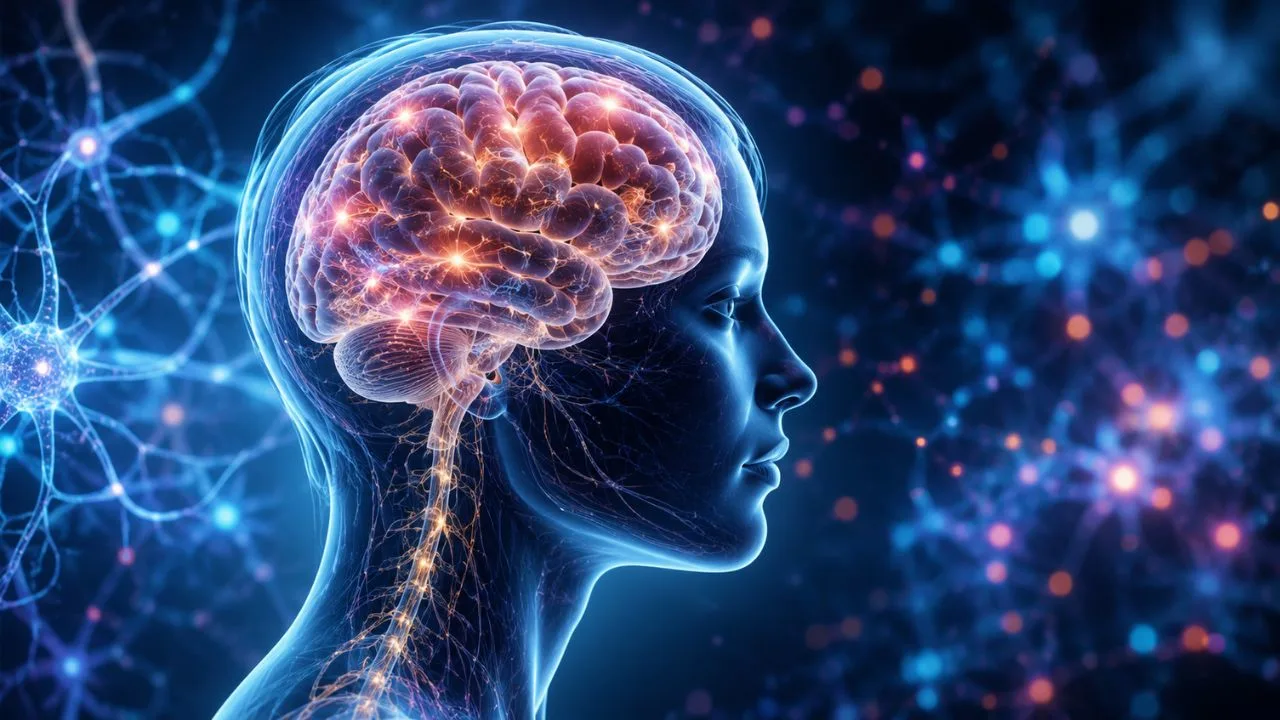
The human brain is the control center of the body. It helps you think, speak, move, learn, and remember. It also allows you to feel happiness, fear, anger, and excitement. Your brain receives information from inside and outside your body. It then decides how your body should respond.
The brain works every second of your life. It stays active while you study, play, eat, and sleep. Many of its jobs happen without any conscious effort. You do not need to tell your heart to beat. Your brain manages this important task automatically.
Learning how the human brain works may seem difficult at first. However, the basic process is easier to understand than many people think. Billions of brain cells send messages through connected pathways. Different brain areas handle different types of information. These areas work together as one powerful communication system.
Scientists understand many important human brain functions today. However, they are still studying how thoughts and consciousness develop. The brain is much more complex than any ordinary computer. It can learn from experience and adjust to change. It can also create ideas, emotions, memories, and dreams.
What Is the Human Brain?
The human brain is a soft organ inside the skull. It is made of nerve cells, blood vessels, and supporting cells. An adult brain weighs about three pounds on average. Although it is not very large, it uses considerable energy. It needs a steady supply of oxygen and nutrients.
The skull forms a hard protective covering around the brain. Several thin layers of tissue provide additional protection. A clear liquid also surrounds and cushions the brain. This liquid helps protect it from sudden movements and minor impacts. These protective structures keep the delicate brain tissue safer.
The brain connects with the spinal cord at its lower end. Together, they form the central nervous system. The spinal cord carries messages between the brain and body. Nerves spread from the spinal cord into different body areas. This network allows fast communication throughout the entire body.
Your brain receives information through your senses and internal organs. It processes sights, sounds, smells, tastes, touch, and pain. It also receives signals about hunger, temperature, and body position. The brain studies this information before creating a response. This process helps you understand and react to your surroundings.
What Are the Main Parts of the Brain?
The cerebrum is the largest part of the human brain. It forms the upper and outer area that people usually picture. The cerebrum supports thinking, learning, memory, speech, and movement. It also helps process information received through the senses. Its surface contains many folds that increase the working area.
The cerebrum is divided into left and right halves. These halves are called the cerebral hemispheres. A thick group of nerve fibers connects them together. Each side controls many functions on the opposite side of the body. However, both sides normally communicate and work as a team.
The cerebellum is located near the back of the brain. It helps control balance, posture, timing, and smooth movement. It becomes active when you walk, run, write, or catch something. It also helps your muscles work together accurately. Without it, controlled movements would become difficult and unsteady.
The brainstem sits at the base of the brain. It connects the brain to the spinal cord. The brainstem controls breathing, heart rate, swallowing, and sleep cycles. Many of these actions happen without conscious thought. This makes the brainstem essential for staying alive.
How Do the Brain Lobes Work?
The frontal lobe is located behind your forehead. It supports planning, reasoning, decision-making, and problem-solving. It also helps manage personality, emotions, and self-control. Areas within it control many voluntary muscle movements. You use the frontal lobe when making thoughtful choices.
The parietal lobe sits behind the frontal lobe. It processes information related to touch, pressure, pain, and temperature. It also helps you understand where your body is positioned. This ability allows you to move without constantly watching your limbs. The parietal lobe combines information from several senses.
The temporal lobes are found near the sides of the head. They play important roles in hearing, language, memory, and emotion. They help you understand spoken words and familiar sounds. Parts of the temporal lobes also help store new memories. Damage in this area may affect language or recognition.
The occipital lobe is located at the back of the brain. Its main role is processing information received from the eyes. It helps recognize shapes, colors, movement, and visual patterns. Your eyes collect light, but your brain creates the final image. This shows how closely the eyes and brain work together.
How Do Brain Cells Send Messages?
Neurons are special cells that carry information in the nervous system. They send messages using electrical and chemical signals. A neuron can receive information from many other cells. It processes these signals before passing a message forward. This communication happens extremely quickly throughout the brain.
A typical neuron has a cell body, dendrites, and an axon. Dendrites receive messages from nearby cells. The axon carries an electrical signal away from the cell body. Some axons are very short, while others are much longer. Their shapes help neurons complete different communication tasks.
Neurons do not usually touch one another directly. A tiny gap called a synapse separates nearby neurons. When a signal reaches the end of an axon, chemicals are released. These chemicals are known as neurotransmitters. They cross the synapse and affect the next cell.
Different neurotransmitters perform different jobs in the brain. Some increase activity, while others reduce or control it. These chemicals can influence attention, sleep, mood, movement, and learning. Healthy brain function depends on balanced communication between cells. Scientists continue studying how these chemical systems affect behavior.
How Does the Brain Control the Body?
The brain controls movement by sending signals through the nervous system. When you decide to raise your hand, movement areas become active. Signals travel down the spinal cord and through motor nerves. These nerves deliver instructions to the correct muscles. The muscles then tighten and move your arm.
The brain also receives constant updates from the moving body. Sensory nerves report pressure, balance, pain, and muscle position. The brain compares this information with the planned movement. It quickly corrects the action when something changes. This feedback makes movement smoother and more accurate.
Many body functions are controlled automatically by the brain. These functions include breathing, heartbeat, digestion, and blood pressure. The brainstem and related areas manage much of this work. They adjust body activity according to your current needs. For example, breathing becomes faster during physical exercise.
Reflexes help the body react quickly to possible danger. Some reflex signals are processed through the spinal cord first. This allows the body to move before full awareness develops. The brain still receives information about what happened. That is why you may pull away before feeling pain clearly.
How Does the Brain Process the Five Senses?
Your senses collect information about the world around you. The eyes, ears, nose, tongue, and skin detect different signals. Sensory nerves carry this information toward the brain. The brain processes the signals and gives them meaning. Without brain processing, sensory information would remain confusing.
When you look at an object, light enters your eyes. Special cells change the light into nerve signals. These signals travel to the visual areas of the brain. The brain studies color, shape, distance, and movement. It then creates the complete image you believe you see.
Sound begins when vibrations enter the ears. Structures inside the ear turn those vibrations into nerve signals. The signals travel to the brain’s hearing areas. Your brain identifies voices, music, warnings, and background sounds. It can also help locate where a sound started.
Touch receptors are spread throughout your skin and deeper tissues. They detect heat, cold, pressure, pain, and movement. Different signals travel along different sensory pathways. The brain combines them with memories and current surroundings. This helps you choose a safe and useful response.
How Does the Brain Create Memories?
Memory allows the brain to store and use past information. It helps you recognize people, places, words, and experiences. Several brain areas work together during memory formation. New information must first receive enough attention. Information that seems important is more likely to be stored.
Short-term memory holds information for a limited period. You use it when remembering a number for a few seconds. Working memory helps you use information during an active task. It supports reading, problem-solving, and following instructions. However, it can only hold a small amount at once.
Long-term memory can keep information for much longer periods. It includes facts, personal experiences, habits, and learned skills. Repetition can strengthen the pathways connected with a memory. Meaningful experiences may also be easier to remember. Emotion can make certain memories feel especially strong.
The hippocampus plays an important role in forming new memories. Other brain areas help store different parts of an experience. Sleep supports the process of organizing and strengthening information. This is one reason sleep is important for students. Good rest can support learning, attention, and memory.
How Does the Brain Help Us Learn?
Learning happens when experience changes connections within the brain. Neurons can strengthen or weaken their communication pathways. This ability is often called brain plasticity or neuroplasticity. It allows the brain to adjust when people practice. It also supports recovery after some types of injury.
Practice helps the brain perform a task more efficiently. At first, a new skill may require strong concentration. Repeated practice strengthens the brain pathways involved in that skill. The activity may slowly become easier and more automatic. This process occurs when learning sports, music, or languages.
Making mistakes can also support useful learning. A mistake gives the brain information about what did not work. The brain can compare the result with the intended goal. It then changes its approach during the next attempt. This is why patient practice is often more useful than perfection.
Attention is an important part of effective learning. The brain cannot focus equally on everything at once. Removing distractions can make information easier to process. Taking breaks may also help maintain concentration. Regular sleep helps prepare the brain for another day of learning.
How Does the Brain Create Thoughts and Emotions?
Thoughts are created through activity across connected brain networks. No single small area produces every type of thought. Different regions contribute memory, language, attention, and reasoning. These areas exchange information as you consider an idea. The exact process remains an active area of scientific research.
Emotions also involve several connected brain regions. They help the body respond to important people, events, and situations. Fear may prepare you to escape a possible danger. Happiness may encourage you to repeat a rewarding activity. Sadness can signal loss and a need for support.
Emotional reactions can cause physical changes in the body. Your heartbeat may increase when you feel nervous. Your face may become warm when you feel embarrassed. The brain sends signals that produce these body responses. It also receives feedback from the body during the experience.
The frontal areas can help manage strong emotional reactions. They allow you to pause and think before acting. This control continues developing during childhood and teenage years. Healthy emotional control does not mean never feeling upset. It means noticing feelings and responding in safer ways.
What Happens in the Brain During Sleep?
The brain remains active while the body is sleeping. Sleep is not simply a period when everything turns off. Brain activity changes as you move through different sleep stages. Some stages involve deep rest and slower brain activity. Other stages include vivid dreams and rapid eye movement.
Two main systems help control when you feel sleepy. One follows the body’s internal daily clock. The other tracks how long you have been awake. These systems work together throughout the day. Light, habits, and activity can influence their timing.
Sleep supports memory, attention, mood, and physical health. During sleep, the brain processes information gathered during the day. It strengthens some memories and reduces unneeded details. Rest also helps prepare attention for the next morning. Poor sleep can make thinking and learning more difficult.
Teenagers often need more sleep than busy schedules allow. Late-night screens may make regular sleep harder for some people. A calm routine can help the brain prepare for rest. Keeping a steady sleeping time may also be useful. Ongoing sleep problems should be discussed with a trusted adult or doctor.
How Can You Keep Your Brain Healthy?
Regular physical activity supports both the body and brain. Movement increases blood flow and supports overall heart health. A healthy heart helps deliver oxygen to brain cells. Exercise may also support mood, sleep, and attention. Choose safe activities that you can enjoy regularly.
Nutritious food gives the brain energy and building materials. Balanced meals can include vegetables, fruit, grains, and protein foods. Drinking enough water also supports normal body functions. Skipping meals may make concentration harder for some people. Healthy eating patterns matter more than one perfect food.
Sleep gives the brain time to recover and organize information. Students may struggle to focus after staying awake too late. A regular bedtime can make healthy sleep easier. Reducing bright screens before bed may also help. Rest should be treated as an important health need.
Protecting the head is another important part of brain health. Wear suitable safety equipment during sports and risky activities. Avoid substances that can harm brain development and judgment. Speak to a trusted adult when stress feels difficult to manage. Seek medical help after a serious head injury or unusual symptoms.
Why Is the Human Brain So Amazing?
The human brain manages nearly everything you experience and do. It controls movement while processing information from your senses. It forms memories while guiding emotions and decisions. It also controls important functions that keep you alive. Most of this work happens at the same time.
The brain can change as you learn and gain experience. New practice can strengthen communication between groups of neurons. Memories can influence how you understand future events. The brain can also adjust its methods after mistakes. This ability makes lifelong learning possible.
However, the human brain is not fully understood. Scientists understand many brain structures, cells, and communication systems. They still have questions about consciousness and complex thought. Research continues to reveal how brain networks work together. New discoveries may improve education, medicine, and mental healthcare.
Understanding how the human brain works can encourage better daily choices. Sleep, movement, food, safety, and learning all affect brain health. Your brain is shaped by both biology and experience. It supports your personality, abilities, emotions, and relationships. Taking care of it supports every part of your life.
Frequently Asked Questions
How does the human brain work?
The human brain receives information from the body and surroundings. It processes this information and sends instructions through the nervous system. These signals control movement, thoughts, emotions, memory, and important body functions.
What are the main parts of the brain?
The main parts of the brain are the cerebrum, cerebellum, and brainstem. The cerebrum manages thinking, memory, senses, and movement. The cerebellum controls balance, while the brainstem manages breathing and heartbeat.
How does the brain communicate with the body?
The brain communicates through the spinal cord and a large network of nerves. Brain cells called neurons send electrical and chemical signals. These messages travel quickly between the brain, muscles, skin, and internal organs.
How does the brain store memories?
The brain creates memories by building and strengthening connections between neurons. The hippocampus helps form new memories. Practice, repetition, attention, emotions, and proper sleep can make memories stronger and easier to recall.
Does the brain work while you sleep?
Yes, the brain remains active during sleep. It organizes information, strengthens memories, controls breathing, and supports body repair. Healthy sleep also improves concentration, learning, mood, and decision-making.
How does the brain control movement?
The brain sends instructions to muscles through the spinal cord and motor nerves. Muscles respond by tightening or relaxing. Sensory nerves then send updates back to the brain to keep each movement controlled and balanced.
Can the human brain change and learn?
Yes, the brain can change throughout life through a process called neuroplasticity. Learning and practice create stronger connections between brain cells. This ability helps people develop new skills, habits, and knowledge.
How can you keep your brain healthy?
Regular exercise, balanced meals, enough water, and proper sleep support brain health. Learning new skills and managing stress are also helpful. Wearing protective equipment can reduce the risk of serious head injuries.
Conclusion
The human brain is the body’s main control center. It manages thoughts, memories, emotions, senses, movement, breathing, and many other essential functions. Different brain regions have special jobs, but they work together through billions of connected nerve cells.
The brain constantly receives information from the body and the surrounding world. It processes these signals and decides how the body should respond. This fast communication allows you to learn, solve problems, avoid danger, and complete everyday activities.
One of the most impressive features of the brain is its ability to change. Practice, experience, and learning can strengthen connections between brain cells. This means the brain can continue developing new skills and knowledge throughout a person’s life.
Understanding how the human brain works can help you appreciate its importance. Healthy food, exercise, quality sleep, stress management, and head protection can support normal brain function. Taking care of your brain helps support your entire body and improves your daily life.