


Low Profile Lifestyle Sneakers: Style, Comfort, and Buying Guide
Low profile lifestyle sneakers have become a popular choice for everyday outfits. They have a slim shape that sits close to the ground. Unlike chunky shoes, they do not have thick or oversized soles. Their clean design makes them look relaxed, modern, and easy to wear. They can fit naturally into many personal clothing styles.
These sneakers are mainly designed for casual use rather than serious sports. You can wear them while meeting friends, shopping, studying, or exploring a city. Their simple appearance works with jeans, trousers, shorts, and many other clothes. Some designs look sporty, while others appear neat enough for smarter outfits. This flexibility makes them useful for different parts of daily life.
The low profile sneaker trend is also connected to older sports and racing shoes. Many modern pairs take ideas from football, motorsport, martial arts, and indoor training footwear. Brands update those shapes with softer materials and fashionable color combinations. The result feels both familiar and fresh at the same time. This retro influence has helped slim sneakers return to everyday fashion.
However, appearance should not be the only reason to choose a pair. Fit, cushioning, materials, support, and intended use are equally important. A beautiful sneaker may become uncomfortable if it is too narrow or poorly padded. Understanding these features can help you make a better buying decision. This guide explains everything in clear and easy language.
What Are Low Profile Lifestyle Sneakers?
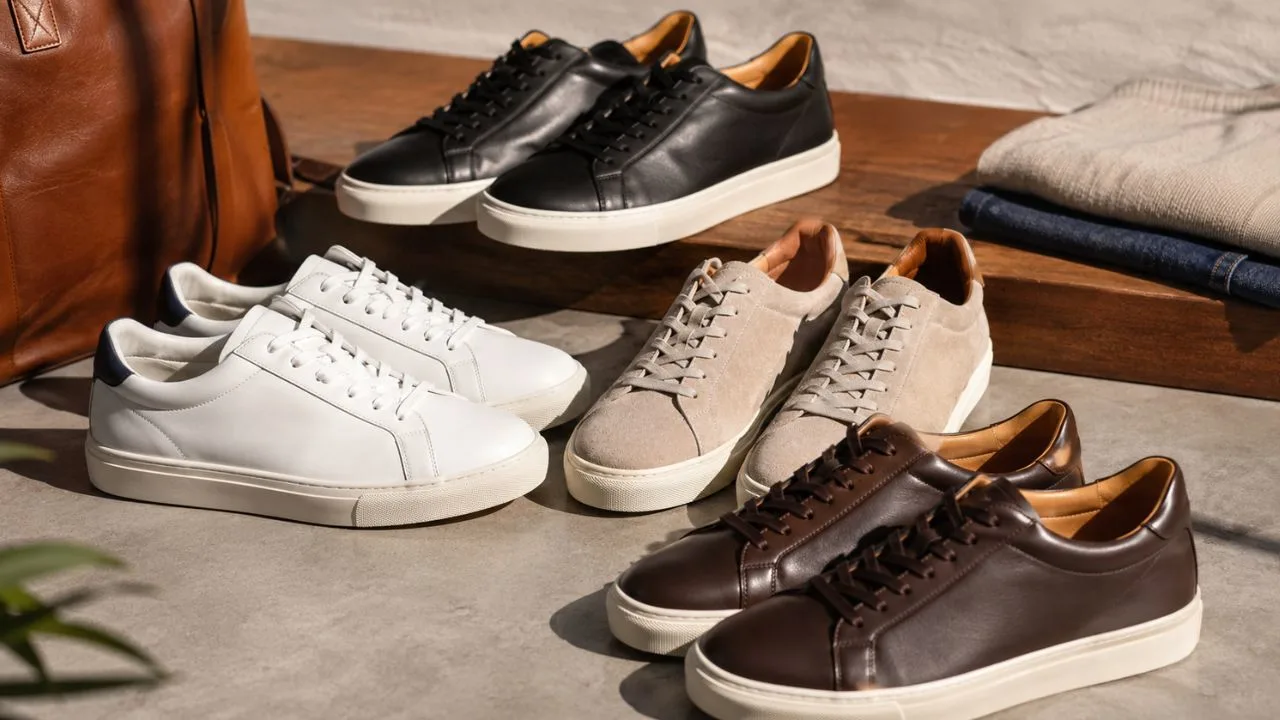
Low profile lifestyle sneakers are shoes with a slim and streamlined shape. They normally finish below the ankle and have a thin-looking sole. The foot remains closer to the ground than it would in chunky sneakers. Most pairs also avoid large panels, heavy padding, and oversized design details. This creates a clean appearance that does not overpower an outfit.
The word “lifestyle” means the shoes are mainly made for casual daily activities. They are not always designed for long-distance running or difficult training sessions. Their main purpose is to combine wearable comfort with an attractive design. You might wear them to school, work, cafés, or casual social events. They are best treated as everyday fashion sneakers rather than specialist sports equipment.
Many low profile sneakers have flat rubber soles and flexible upper materials. Common materials include suede, leather, canvas, nylon, mesh, and synthetic fabrics. Some pairs have a soft insole or padded collar for extra comfort. Others keep padding minimal to maintain a thinner and lighter shape. The exact experience can therefore change greatly from one model to another.
Low profile does not simply mean that a sneaker has a low ankle. The full shoe must usually have a narrow, close-to-the-ground appearance. A regular running shoe may be low around the ankle but still have thick cushioning. A true low profile style normally looks flatter from heel to toe. This slim structure is what separates it from bulky lifestyle footwear.
Why Are Low Profile Sneakers Popular?
One reason for their popularity is the return of simple fashion. After years of thick soles and oversized sneakers, many people want cleaner shapes. Low profile footwear feels lighter and less visually heavy. It allows the rest of an outfit to receive more attention. The look can feel stylish without appearing too carefully planned.
Retro fashion has also played an important role in this trend. Old racing shoes, football trainers, and court sneakers often had thin soles. Modern designers have brought these shapes back with updated materials and colors. Younger buyers can enjoy the vintage appearance without wearing an old shoe. Older buyers may like the familiar shape and sense of nostalgia.
Another reason is that low profile sneakers are easy to match. Their simple shape works with loose trousers, straight jeans, shorts, and casual suits. Neutral colors can quietly support an outfit without creating a strong contrast. Brighter pairs can add personality while still keeping a clean silhouette. This makes one good pair useful with many wardrobe choices.
Recent fashion coverage shows that slim sneakers are continuing to replace some chunkier styles. New releases now include motorsport-inspired, flat-soled, and minimalist lifestyle models. Established footwear companies are also introducing more narrow and low-to-the-ground designs. This suggests that the trend has moved beyond a few famous retro shoes. It is becoming a wider category within casual footwear.
Are Low Profile Lifestyle Sneakers Comfortable?
Low profile lifestyle sneakers can be comfortable for normal daily use. Their lighter construction may feel less tiring than a heavy, bulky shoe. Flexible soles can also make simple movements feel natural and controlled. Soft linings and well-shaped insoles improve comfort further. However, comfort depends on the design and the shape of your feet.
Many slim sneakers have less cushioning than modern running shoes. This helps create their flat and clean appearance. The thinner sole may provide better ground feel during short walks. However, it may not absorb impact as well during long days. People who need strong cushioning should examine the midsole carefully before buying.
The width of the sneaker is another important comfort factor. Some low profile styles are narrow around the toes and sides. A narrow shoe can create rubbing, pressure, or discomfort for wider feet. Trying the shoes on is the safest way to check the fit. Online shoppers should read sizing information and review the return policy first.
These sneakers may be suitable for school, work, short walks, and social activities. They are not automatically the best choice for running, hiking, or intense exercise. Specialist athletic shoes usually offer more cushioning, stability, and support for those activities. Choosing footwear according to its real purpose helps protect your feet. Style and comfort should support each other instead of competing.
How to Style Low Profile Lifestyle Sneakers
Low profile sneakers look natural with straight or relaxed jeans. The slim shoe balances the heavier shape of the trousers. You can add a plain T-shirt, sweatshirt, or casual jacket. This creates a comfortable outfit that works for many everyday situations. White, black, brown, or grey sneakers are especially easy to match.
Wide-leg trousers can also work well with slim sneakers. The contrast between loose clothing and narrow footwear creates an interesting shape. Make sure the trousers do not completely drag across the ground. A small part of the shoe should remain visible while walking. This keeps the outfit looking intentional rather than untidy.
For warmer weather, wear low profile sneakers with shorts and a simple top. Crew socks can create a sporty and slightly retro appearance. No-show socks provide a cleaner and more minimal result. You can also match the sneaker color with your shirt or accessories. Small color connections make an outfit look more complete.
Low profile sneakers can even work with smarter casual clothing. Try them with tailored trousers, a knitted shirt, or an unstructured jacket. Clean leather or suede pairs usually look more polished than bright training styles. Avoid shoes that are heavily damaged when creating a smarter outfit. A neat sneaker can soften formal clothing without making it look careless.
What to Look for Before Buying a Pair
Start by checking how the sneakers fit around your toes. Your toes should have enough space to move naturally. The heel should feel secure without painful rubbing or slipping. Both feet should be checked because one may be slightly larger. A good-looking shoe is not useful when the fit causes discomfort.
Next, examine the cushioning inside the sneaker. Press the insole gently to see how much softness it provides. Think about how long you expect to wear the shoes each day. A thin insole may be fine for short casual outings. Longer periods of walking may require better padding and support.
Materials affect comfort, appearance, durability, and cleaning. Suede can look warm and premium but may need protection from water. Leather is often durable and easier to wipe clean. Canvas feels casual and breathable but may collect stains quickly. Mesh improves airflow, although it may appear more sporty than polished.
You should also inspect the outsole and overall construction. A rubber sole can provide useful grip on common surfaces. Strong stitching and clean bonding may help the shoes last longer. Read the brand’s size chart instead of trusting your usual number alone. Different sneaker shapes can fit differently, even in the same stated size.
Choosing the Right Color and Material
Neutral colors are a safe starting point for most buyers. Black, white, grey, navy, and brown work with many outfits. They are useful when you want the sneakers to remain in the background. A simple color also makes repeated wear less noticeable. This can provide better value from a single pair.
Bright colors are better for people who want footwear to stand out. Red, green, yellow, or blue sneakers can become the main feature of an outfit. The remaining clothes should usually have fewer competing colors. This helps the shoes look interesting rather than confusing. A colorful pair can add energy to a basic wardrobe.
Suede is strongly connected with the retro low profile sneaker look. Its soft surface adds texture without making the shoe appear bulky. Smooth leather creates a cleaner and slightly smarter appearance. Nylon and mesh produce a lightweight, sportier design. Mixed materials can combine these qualities within one pair.
Consider your local weather before choosing a material. Light suede may be difficult to maintain during regular rain. White canvas may require frequent cleaning in dusty places. Dark leather can be practical because marks are less obvious. The best material is one that suits both your style and daily environment.
How to Care for Low Profile Sneakers
Regular cleaning can help low profile lifestyle sneakers stay fresh. Remove loose dirt with a soft brush after wearing them outside. Use a suitable cleaner based on the shoe material. Avoid soaking sneakers unless the care instructions clearly allow it. Too much water can weaken glue or change the shoe’s shape.
Leather shoes can usually be wiped with a soft, slightly damp cloth. Suede needs a special brush that lifts dirt without damaging the texture. Canvas may require gentle soap and careful hand cleaning. Mesh should be cleaned softly because rough brushing can harm the fibers. Always test a cleaning product on a hidden area first.
Allow wet sneakers to dry naturally in a ventilated place. Strong direct heat can damage materials and weaken adhesives. Remove the insoles when possible to help the inside dry faster. Paper placed inside can absorb moisture and support the shape. Replace the paper when it becomes too wet.
Rotating between two pairs may help each pair last longer. The shoes receive time to dry and return to their normal shape. Untie the laces before removing the sneakers from your feet. Forcing them off can damage the heel structure over time. Small care habits can protect both appearance and comfort.
Common Mistakes to Avoid
Do not buy low profile sneakers only because they are fashionable. A popular design may not match your foot shape or daily needs. Try to judge the fit before thinking about the brand name. Pain should never be accepted as part of breaking in a shoe. Comfortable footwear should feel reasonably good from the beginning.
Another mistake is wearing casual sneakers for every physical activity. Thin lifestyle shoes are not always built for running or difficult workouts. Using them incorrectly can lead to discomfort and faster wear. Choose training shoes when an activity requires extra support or cushioning. Keep lifestyle sneakers for the situations they were designed to handle.
Avoid choosing a size based only on another brand. Shoe length and width can vary between companies and models. Measure your feet and compare them with the provided size guide. Check reviews for comments about narrow or wide fitting. A careful size check is especially important when shopping online.
Finally, do not ignore how the shoes work with your existing clothes. A trendy color may be difficult to wear with your wardrobe. Think of at least three outfits before making the purchase. This simple test can prevent a pair from remaining unused. The best sneaker is one you will genuinely enjoy wearing often.
Frequently Asked Questions
What are low profile lifestyle sneakers?
Low profile lifestyle sneakers are slim casual shoes with thin-looking soles. They sit close to the ground and usually finish below the ankle. They are mainly designed for everyday style rather than serious athletic training.
Are low profile sneakers good for walking?
They can work well for short walks and normal daily movement. However, many pairs have less cushioning than proper walking shoes. Longer walks may require footwear with more support and impact protection.
Can people with wide feet wear low profile sneakers?
Yes, but they should look for models offered in wider fits. Many slim sneakers have narrow toe boxes that may create pressure. Trying them on or checking width information is important before buying.
What clothes go with low profile sneakers?
They work with jeans, wide trousers, shorts, skirts, and smart casual outfits. Their clean shape makes them easy to combine with different styles. Neutral pairs normally offer the greatest flexibility.
Are low profile sneakers still fashionable?
Yes, slim and flat-soled sneakers remain an important lifestyle footwear trend. Brands continue to introduce updated retro and motorsport-inspired designs. Their simple shape also gives them value beyond a single fashion season.
Conclusion
Low profile lifestyle sneakers offer a simple alternative to bulky footwear. Their slim soles and clean lines create a relaxed, balanced appearance. They can work with casual clothing as well as smarter everyday outfits. This makes them a flexible choice for many different wardrobes. Their retro influence also adds character without looking overly complicated.
However, not every low profile sneaker provides the same comfort. Some pairs contain soft insoles and helpful padding. Others focus more strongly on style and have very thin cushioning. Checking the fit, width, materials, and support can prevent disappointment. Your own comfort needs should guide the final decision.
Think carefully about when and where you will wear the sneakers. A casual pair may be excellent for school, shopping, or meeting friends. It may not provide enough protection for running or long-distance walking. Matching the shoe to the activity helps improve comfort and durability. It also allows the sneaker to perform its intended job.
The best low profile lifestyle sneakers should feel natural in your wardrobe. They should fit properly, match several outfits, and support your normal routine. Do not choose a pair only because it is popular online. Choose one that reflects your style and feels comfortable on your feet. A thoughtful choice can remain useful long after the trend changes.