


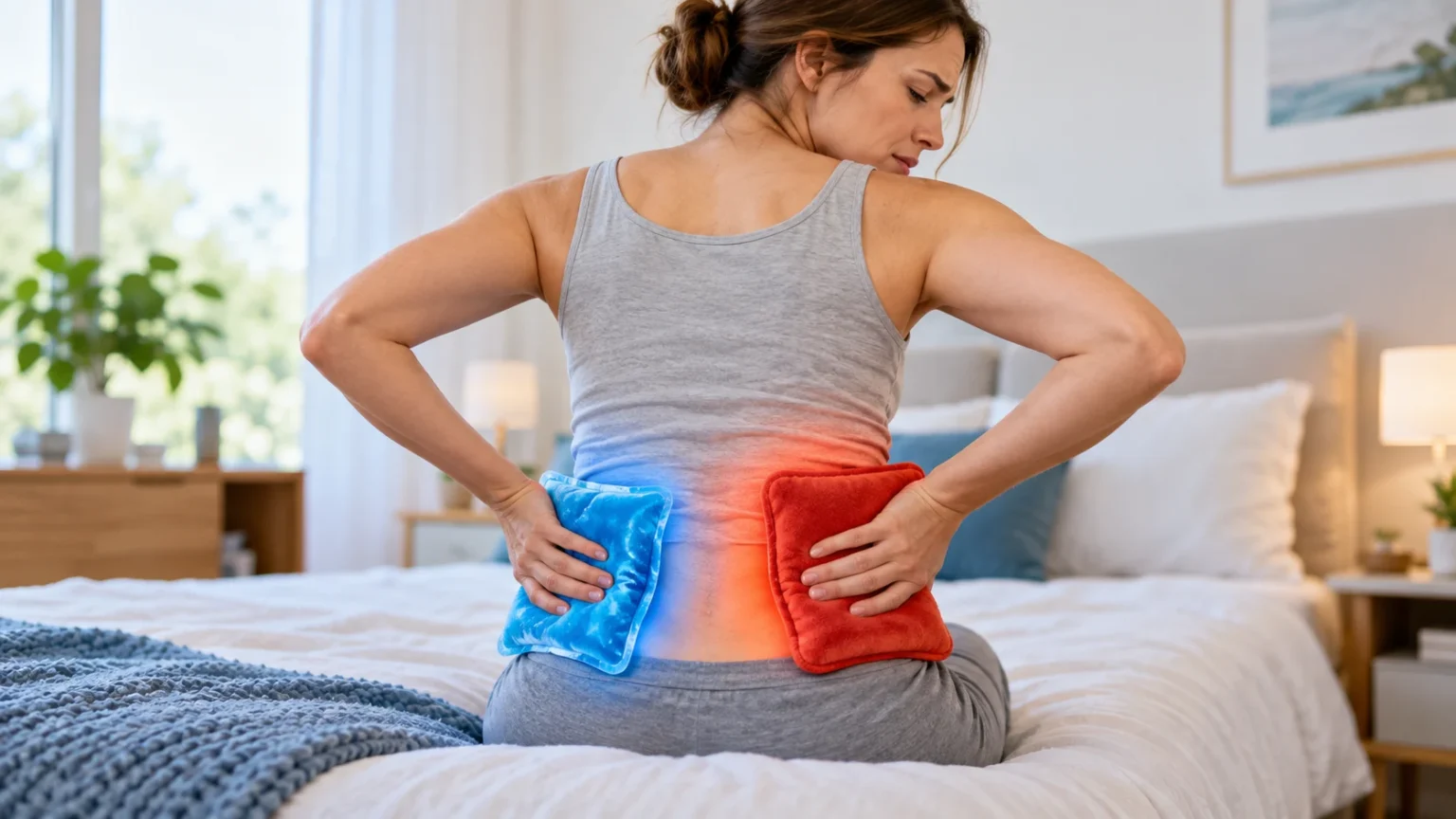
Back pain can appear after lifting something heavy, sitting too long, exercising, sleeping awkwardly, or simply moving in an unfamiliar way. When discomfort starts, one of the first questions people ask is whether they should use ice or heat for back pain. Both can provide temporary relief, but they work differently and may be more useful in different situations.
Ice is generally used to reduce discomfort after a recent injury or sudden flare, while heat can help relax tight muscles and ease stiffness. However, there is no universal rule that works for every type of back pain. The cause, timing, symptoms, and way your body responds can all influence which option feels better.
Understanding how cold and heat therapy work can help you use them more safely and effectively. It is also important to recognize when home remedies are not enough. Persistent pain, neurological symptoms, major trauma, or certain warning signs should be assessed by a healthcare professional rather than repeatedly managed with ice or heating pads alone.
Should You Use Ice or Heat for Back Pain?
Choosing between ice and heat often depends on how the back pain started and what the area feels like. Ice may feel more comfortable after a sudden strain, sports injury, or activity that leaves the back irritated. Heat may be more useful when stiffness, muscle tightness, or an aching sensation is the main problem.
There is also some personal variation in how people respond. One person may find heat immediately soothing for lower back discomfort, while another prefers cold therapy during a painful flare. The most practical approach is to use the method that provides relief without worsening symptoms or causing skin irritation.
Neither ice nor heat actually identifies or corrects the underlying cause of back pain. They are supportive measures that may temporarily reduce discomfort and make movement easier. If symptoms keep returning, interfere with normal activities, or become progressively worse, identifying the reason for the pain becomes more important than repeatedly applying cold or warmth.
When Is Ice Better for Back Pain?
Ice is commonly used during the early period after a sudden injury or painful episode. For example, a lifting strain, awkward twist, or sports-related movement may leave the back feeling sore and irritated. Cold therapy can temporarily numb the area and may help make the discomfort easier to tolerate during the first day or two.
Some people also prefer ice when their back feels particularly irritated after exercise or physical work. A wrapped cold pack can provide a cooling sensation that reduces pain temporarily. It should never be placed directly against bare skin because prolonged direct contact can cause irritation or cold-related skin injury.
Cold therapy does not need to be applied continuously. Short sessions are generally more practical, with enough time between applications for the skin to return to normal temperature. If ice increases stiffness, makes muscles feel more uncomfortable, or simply does not help, heat or gentle movement may be more suitable.
When Is Heat Better for Back Pain?
Heat is often useful when back pain is accompanied by stiffness, muscle tightness, or a dull aching sensation. Warmth can make tense muscles feel more relaxed and may improve comfort before gentle movement or stretching. Many people with recurring mechanical lower back discomfort find a warm shower or heating pad particularly soothing.
Heat may also be helpful after long periods of sitting or inactivity. Muscles around the spine can feel stiff after staying in one position for hours, especially when posture is uncomfortable. Applying warmth for a short period may make it easier to stand, walk, or begin gentle mobility exercises afterward.
Avoid applying intense heat to skin that is already numb, damaged, or unable to sense temperature normally. Heating pads should not be used at excessively high temperatures or while sleeping. The goal is comfortable warmth rather than trying to create as much heat as possible around the painful area.
Can You Alternate Ice and Heat for Back Pain?
Some people find that alternating cold and heat provides more relief than relying on one method alone. Cold may be used after an activity that aggravates the back, while heat may be used later when stiffness becomes more noticeable. This approach can be reasonable when both techniques are comfortable and do not worsen symptoms.
There is no required schedule for alternating ice and heat. You do not need to switch between them every few minutes or follow a complicated routine. Instead, pay attention to how the back responds and use each method for short, comfortable periods based on the symptoms you are experiencing.
Alternating therapies should still be treated as symptom management rather than treatment for the cause. If back pain is repeatedly triggered by lifting, prolonged sitting, weakness, or another activity, addressing those contributing factors may provide greater long-term benefit. Persistent pain should also be evaluated when simple home care produces little improvement.
What Commonly Causes Back Pain?
Muscle and ligament strains are among the most common causes of back pain. They can occur after lifting, twisting, exercising, carrying heavy objects, or suddenly performing an activity the body is not prepared for. The discomfort may feel tight, sore, or achy and can become more noticeable during certain movements.
Prolonged sitting and repetitive positions can also contribute to discomfort. Staying in one posture for hours may leave muscles fatigued and joints stiff, particularly when regular movement is limited. Back pain can also occur after suddenly increasing exercise volume or returning to strenuous activity after an extended period of inactivity.
Other causes include arthritis, disc-related problems, spinal stenosis, fractures, inflammatory conditions, and less commonly infections or other medical disorders. Pain can also occasionally be referred from structures outside the spine. Because many conditions produce similar symptoms, persistent or unusual back pain cannot always be identified based on location alone.
How Should You Use Ice Safely?
Always place a thin towel or other protective layer between an ice pack and your skin. Applying frozen material directly to the body can damage the skin, especially if it remains there too long. A cold pack should feel cool and soothing rather than intensely painful, burning, or completely numbing.
Short sessions are usually enough to gain temporary relief. Many people use cold therapy for around 10 to 20 minutes before removing it and allowing the skin to warm naturally. Longer exposure does not necessarily provide better relief and can increase the risk of skin irritation or cold injury.
Check the skin regularly while using ice, particularly if you have circulation problems or reduced sensation. Stop if the area becomes unusually pale, painful, intensely numb, or irritated. People with certain medical conditions affecting circulation or sensation should ask a healthcare professional whether cold therapy is appropriate for them.
How Should You Use Heat Safely?
Heat should feel pleasantly warm rather than extremely hot. Heating pads, warm towels, hot-water bottles, or warm showers can all be used, but each method should be carefully controlled. Place a layer of fabric between the heat source and your skin when necessary to reduce the chance of burns.
Use heat for limited periods and check your skin regularly. Falling asleep on a heating pad is not recommended because prolonged exposure can cause burns without you noticing immediately. This risk is greater when someone has reduced sensation from diabetes, nerve problems, medication, or another medical condition.
Avoid applying heat to areas with obvious swelling, broken skin, or conditions where temperature sensation is impaired unless a healthcare professional has advised otherwise. If warmth makes the pain significantly worse instead of better, stop using it. Comfort and safety are more important than following a rigid rule about heat therapy.
What Else Can Help Relieve Back Pain?
Gentle movement is often helpful for uncomplicated back pain. Complete bed rest for long periods can increase stiffness and reduce muscle conditioning, so staying reasonably active is usually preferable when movement is comfortable. Short walks, regular position changes, and gentle range-of-motion activities may help prevent the back from becoming increasingly stiff.
Temporarily modifying painful activities can also give irritated tissues time to settle. You might need to reduce heavy lifting, intense workouts, or repetitive bending for a short period. This does not necessarily mean avoiding all activity, but rather adjusting what you do while gradually returning to normal movement as symptoms improve.
Over-the-counter pain medicine may provide relief for some people, but it is not suitable for everyone. Medical conditions, allergies, pregnancy, kidney problems, stomach problems, and interactions with other medicines can affect which products are safe. A pharmacist or healthcare professional can provide guidance when you are uncertain about medication.
Should You Stretch When Your Back Hurts?
Gentle stretching can sometimes help when back pain is related to stiffness or muscle tension. Movements should remain comfortable and controlled rather than forcing the spine into extreme positions. A mild stretching sensation can be acceptable, but sharp pain or symptoms spreading into the leg are signs to stop and reassess.
Different people need different types of movement. A stretch that helps one person may aggravate another because back pain can come from many different structures. Instead of randomly choosing aggressive stretches, begin with easy movements that allow the spine and hips to move without significantly increasing symptoms.
If stretching repeatedly makes the pain worse, it should not be treated as something you simply need to push through. A physical therapist can evaluate mobility, strength, and movement patterns to determine which exercises are more appropriate. Rehabilitation should be built around your specific symptoms and functional needs.
How Long Does Mild Back Pain Usually Last?
Many episodes of uncomplicated back pain begin improving within several days and continue getting better over the following weeks. Recovery time depends on the cause, severity, activity level, general health, and whether aggravating movements continue. Some mild muscle strains may settle relatively quickly, while others require more gradual recovery.
Symptoms do not always improve in a perfectly straight line. You may have a good day followed by temporary soreness after increased activity. Small fluctuations can occur during recovery, but the overall pattern should gradually move toward better movement, less pain, and improved ability to perform everyday tasks.
Back pain that does not begin improving, lasts for several weeks, or repeatedly returns deserves further attention. Ongoing symptoms may benefit from assessment by a healthcare professional or physical therapist. The goal is to understand why the problem continues rather than repeatedly managing each flare with ice, heat, or rest alone.
When Should You See a Doctor for Back Pain?
Consider medical evaluation if back pain is severe, persistent, frequently recurring, or interfering significantly with sleep and daily activities. You should also seek assessment after a substantial fall, accident, or other trauma. People with known osteoporosis or increased fracture risk may need earlier evaluation even after relatively minor injuries.
Pain traveling down the leg with persistent numbness, tingling, or weakness should also be discussed with a healthcare professional. These symptoms may occur when nerves are irritated or compressed. While many nerve-related problems improve without surgery, worsening weakness or significant neurological changes require more urgent attention.
Back pain associated with unexplained weight loss, fever, a history of cancer, serious infection risk, or pain that is consistently severe at night should also be evaluated. These features do not automatically mean something dangerous is present, but they can influence whether additional examination or testing is appropriate.
What Back Pain Symptoms Need Urgent Medical Care?
Seek urgent medical attention if back pain occurs with new loss of bladder or bowel control. Numbness around the groin, buttocks, or inner thighs is another important warning sign. These symptoms may indicate significant compression of nerves in the lower spine and should not be managed simply with ice, heat, or home exercises.
Sudden or rapidly progressing weakness in one or both legs also requires urgent assessment. Severe back pain following major trauma should be evaluated promptly, particularly when standing or walking becomes difficult. Older adults or people with weakened bones may also experience fractures after injuries that initially appear relatively minor.
Fever combined with severe back pain, particularly when someone feels generally unwell, can also require timely medical attention. Back pain accompanied by chest pain, difficulty breathing, severe abdominal pain, or fainting should not automatically be assumed to be a spinal problem. Emergency evaluation may be appropriate depending on the symptoms.
Conclusion
Both ice and heat can provide temporary relief for back pain, but the best choice depends on your symptoms and how the discomfort began. Ice often feels useful after a recent strain or sudden flare, while heat may be more comfortable for stiffness and muscle tension. Neither method needs to be used if it makes symptoms worse.
Simple measures such as gentle movement, temporary activity modification, safe temperature therapy, and gradual return to normal activity can help many uncomplicated episodes of back pain. Avoid prolonged bed rest and aggressive stretching when they increase discomfort. Pay attention to the overall direction of recovery rather than expecting symptoms to disappear immediately.
Persistent, worsening, or unusual back pain deserves medical assessment, particularly when neurological or systemic symptoms are present. New bladder or bowel problems, groin numbness, significant weakness, major trauma, or fever with severe pain require prompt attention. Ice and heat are useful comfort measures, but they should never delay care for important warning signs.
FAQs
Is ice or heat better for lower back pain?
Neither is always better. Ice may feel helpful after a recent strain or sudden flare, while heat often works well for muscle tightness and stiffness. Use whichever safely provides more relief.
How long should I use ice on my back?
Cold therapy is commonly used for about 10 to 20 minutes at a time. Keep a protective layer between the cold pack and your skin and allow the area to warm between sessions.
How long should I apply heat for back pain?
Heat can generally be used for short, comfortable sessions rather than continuously. Avoid excessive temperatures, monitor your skin, and never sleep directly on an active heating pad.
Can heat make back pain worse?
Yes, some people find that heat aggravates certain painful flares or irritated tissues. If your pain noticeably increases after applying warmth, stop using it and try another comfortable approach.
When should I worry about back pain?
Seek medical attention for severe or persistent pain, significant weakness, major trauma, fever, or worsening neurological symptoms. New bladder or bowel problems or numbness around the groin require urgent assessment.