


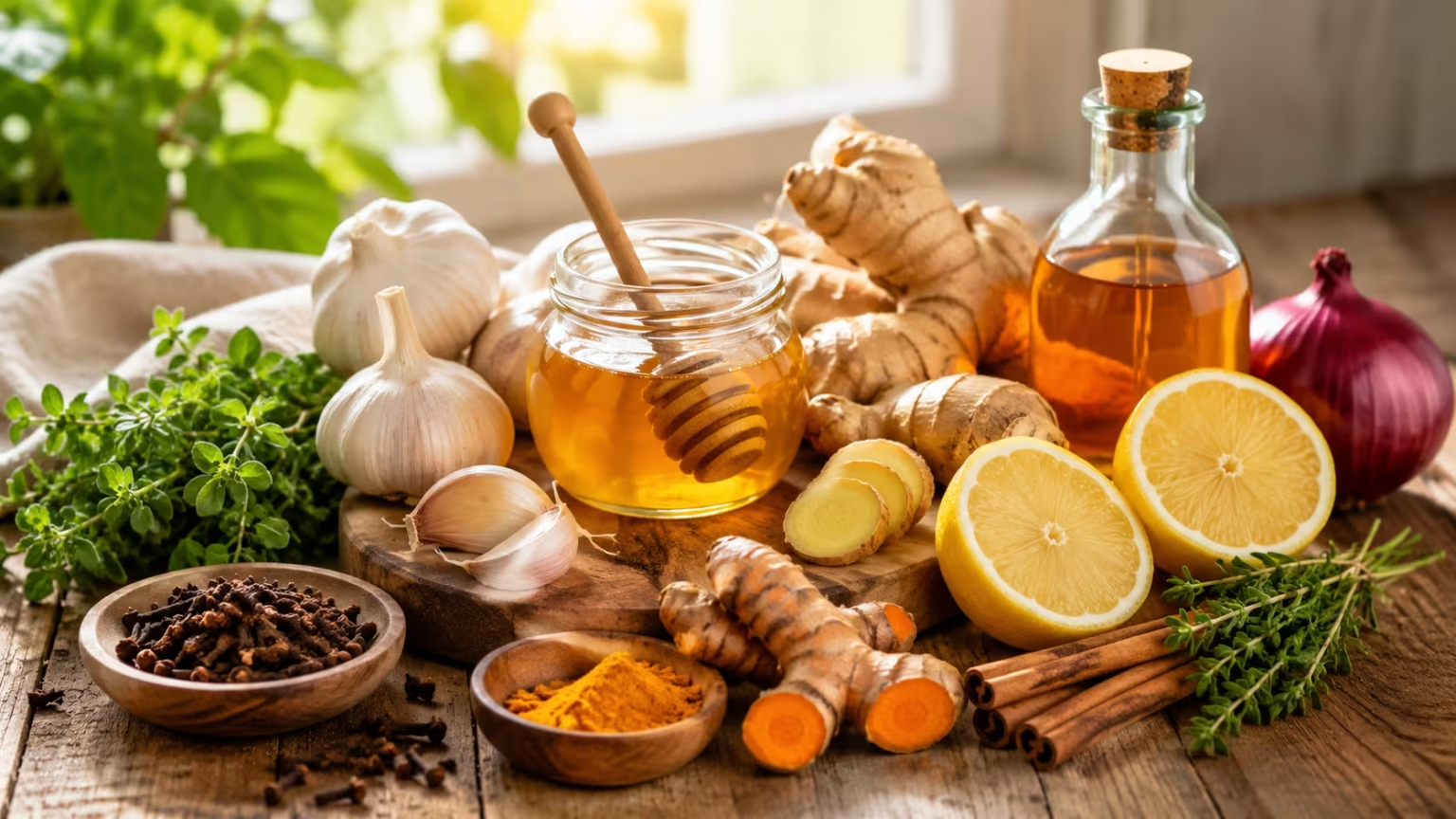
Natural Antibiotics: 12 Powerful Remedies That May Help
The idea of using natural antibiotics can be appealing when you are dealing with a sore throat, irritated skin or another possible infection. Foods, herbs and plant extracts have supplied researchers with many antimicrobial compounds, and some are now being studied for their activity against bacteria, fungi and other microorganisms.
However, the phrase “natural antibiotic” can create confusion. A substance that slows bacterial growth in a laboratory does not automatically cure an infection inside the human body. Digestion, dosage, absorption and the location of an infection can significantly change how a natural compound behaves.
Some natural antimicrobial remedies may support general health, soothe minor symptoms or complement professional care. Medical-grade honey, for example, has a recognised role in selected wound-care settings, while cranberry products may help some people reduce their risk of recurring urinary tract infections.
None of these remedies should replace prescribed antibiotics when a bacterial infection requires treatment. Pneumonia, kidney infections, strep throat, deep wounds and severe skin infections can worsen quickly without appropriate care. Natural options are safest when used with realistic expectations and professional guidance.
What Are Natural Antibiotics?
Natural antibiotics are foods, herbs or naturally derived substances that contain compounds with antimicrobial properties. These compounds may interfere with the growth, survival or attachment of certain microorganisms under laboratory conditions. Examples include allicin in garlic, carvacrol in oregano and eugenol in cloves.
The term does not mean that these substances work exactly like prescription antibiotics. Pharmaceutical antibiotics are developed, tested and dosed to reach specific bacteria at effective concentrations. Natural products often vary greatly in strength, purity, preparation and absorption.
Many so-called herbal antibiotics have stronger evidence from test-tube or animal studies than from human clinical trials. Laboratory findings are valuable because they identify promising compounds, but they cannot prove that eating a food or taking an extract will eliminate an active infection.
A more accurate description is natural substances with potential antimicrobial activity. They may be useful as foods, supportive remedies or ingredients in professionally formulated products. They should not be presented as guaranteed cures for bacterial diseases.
Why Natural Does Not Automatically Mean Safe
Natural products can produce real biological effects, which also means they can cause unwanted reactions. Essential oils may burn the skin, concentrated extracts can irritate the digestive system and certain herbs may affect blood pressure, blood sugar or blood clotting.
The strength of a supplement can be very different from the amount naturally found in food. Adding garlic to a meal is not the same as taking a high-dose garlic capsule. Similarly, drinking green tea is different from using a concentrated green tea extract.
Herbs and supplements may also interact with prescription medicines. This is particularly important for people taking blood thinners, diabetes medication, heart medicines, immune-suppressing drugs or treatments processed by the liver.
Pregnant or breastfeeding people, young children, older adults and individuals with chronic medical conditions should be especially careful. A pharmacist or healthcare professional can help determine whether a product is appropriate alongside existing treatment.
When an Infection Needs Medical Treatment
Minor irritation does not always require an antibiotic, but it can be difficult to determine whether symptoms are caused by bacteria, viruses, fungi, allergies or inflammation. Antibiotics do not work against viral infections such as colds and most cases of flu.
A confirmed bacterial infection may require a specific prescription antibiotic. The choice depends on the bacteria involved, the affected body area, local resistance patterns, allergies and the severity of the illness. A remedy that helps one condition may be useless for another.
Seek medical attention for a high or persistent fever, breathing difficulty, severe pain, confusion, dehydration or rapidly worsening symptoms. Spreading redness, pus, red streaks, deep wounds and swelling around the eyes also require prompt assessment.
Painful urination accompanied by fever, side or back pain, vomiting or pregnancy should not be managed with cranberry juice alone. These symptoms may indicate a kidney infection or another condition that needs testing and appropriate treatment.
1. Medical-Grade Honey
Honey contains sugars, acids and plant-derived compounds that can make it difficult for some microorganisms to survive. Certain varieties also produce hydrogen peroxide or contain additional antimicrobial components. This has led to growing interest in honey-based wound-care products.
The strongest practical use involves sterilised medical-grade honey, which may be included in dressings for selected wounds. These products are manufactured for clinical use and are different from ordinary honey purchased for cooking or spreading on food.
Do not place kitchen honey on an open, deep, surgical or infected wound. Grocery-store honey is not sterile and may contain contaminants. Improper wound treatment can trap moisture, delay healing or allow an infection to spread beneath the skin.
Medical-grade honey should be used according to advice from a wound-care professional. Increasing pain, warmth, swelling, pus, fever or red streaks are warning signs that a wound needs medical assessment rather than another layer of home treatment.
2. Garlic and Allicin
Garlic is one of the most widely discussed antibacterial foods. When fresh garlic is cut, crushed or chewed, chemical reactions produce allicin and related sulfur-containing compounds. These substances have shown activity against several microorganisms in laboratory research.
Eating garlic as part of a balanced diet can add flavour and useful plant compounds without requiring highly concentrated doses. It may be included in soups, vegetables, sauces and other meals, but it should not be expected to cure an established infection.
Raw garlic should not be placed directly on the skin. It can cause severe irritation, blistering and chemical burns, especially when covered with a bandage. Garlic inserted into the nose, ear or vagina can also damage sensitive tissue.
Garlic supplements may increase bleeding risk and interact with anticoagulants or aspirin. People preparing for surgery or taking regular medication should discuss concentrated garlic products with a healthcare professional before using them.
3. Ginger
Ginger contains active components such as gingerols and shogaols. Laboratory studies have explored their activity against certain bacteria and fungi, alongside ginger’s better-known effects on nausea and digestion. Human evidence for treating infections remains limited.
Fresh ginger can be used in meals or prepared as a warm beverage. Its soothing warmth may feel comforting during a mild respiratory illness, but that comfort does not mean it is killing the virus or bacteria responsible for the symptoms.
Ginger may cause heartburn, abdominal discomfort, diarrhoea or irritation of the mouth and throat. Concentrated supplements can deliver much larger amounts than food and may not be suitable for everyone.
People taking blood-thinning, diabetes or blood-pressure medicines should ask for professional advice before using high-dose ginger products. Persistent fever, breathing problems or worsening throat symptoms need evaluation rather than repeated home remedies.
4. Turmeric and Curcumin
Turmeric contains curcumin and other compounds investigated for anti-inflammatory and antimicrobial activity. Test-tube studies suggest that turmeric extracts may affect some microorganisms, but ordinary dietary turmeric has not been proven to treat bacterial infections in people.
Turmeric can be included in curries, soups, rice dishes and warm drinks as part of a varied diet. Its culinary use may contribute flavour and antioxidants, but it should be viewed as food rather than a substitute for medical treatment.
Applying turmeric mixtures to broken or infected skin is not recommended. Homemade pastes may irritate tissue, stain the skin and introduce contamination. A professionally manufactured topical product is not equivalent to kitchen turmeric mixed with water or oil.
Oral turmeric and curcumin supplements may cause reflux, nausea, diarrhoea or other digestive effects. Rare liver problems have also been associated with some concentrated products, particularly formulations designed to increase absorption.
5. Oregano
Oregano contains plant chemicals such as carvacrol and thymol. Extracts and essential oils containing these compounds have demonstrated antimicrobial effects against various organisms in laboratory studies. Researchers continue to investigate whether they can support future medical treatments.
Using dried or fresh oregano in meals is generally a simple way to enjoy the herb. Adding it to vegetables, soups and sauces is different from swallowing concentrated oregano essential oil, which may deliver an unpredictable and irritating dose.
Essential oils should not be swallowed unless a qualified healthcare professional has recommended a properly regulated preparation. Oregano oil can irritate the mouth, throat and digestive tract, and it may interact with medicines or trigger an allergic reaction.
Undiluted oregano oil should not be applied to the skin, placed in wounds or used inside the nose and ears. Laboratory antimicrobial activity does not make a highly concentrated essential oil safe for direct home treatment.
6. Thyme
Thyme is another culinary herb rich in thymol and related aromatic compounds. These substances are studied for antibacterial and antifungal effects and are sometimes used as ingredients in professionally formulated mouthwashes, cleansers and topical products.
Adding thyme to food is generally safer than experimenting with concentrated thyme oil. It can complement soups, beans, vegetables and roasted dishes while providing flavour that may help reduce the need for excessive salt.
Drinking thyme tea may feel soothing for a mild cough, but it has not been shown to cure pneumonia, strep throat or another serious respiratory infection. A cough that is persistent, painful or accompanied by breathing difficulty needs medical attention.
Thyme essential oil can irritate the skin and mucous membranes when used improperly. It should not be swallowed, placed directly in the mouth or applied undiluted to infected areas based solely on its natural origin.
7. Cinnamon
Cinnamon contains cinnamaldehyde and other compounds with antimicrobial activity in laboratory testing. It has been studied against food-related and disease-causing microorganisms, although this research does not establish cinnamon as a treatment for human infections.
Cinnamon can be enjoyed in normal culinary quantities in oatmeal, fruit, tea and baked foods. These amounts are very different from consuming spoonfuls of powder or highly concentrated cinnamon extracts in an attempt to fight bacteria.
Eating large quantities of dry cinnamon can cause choking, coughing and lung irritation. Cinnamon oil or powder applied directly to the skin may also cause burning, redness or allergic contact dermatitis.
Cassia cinnamon contains more coumarin than Ceylon cinnamon, and frequent high intake may be a concern for the liver. People taking medication or considering concentrated supplements should seek personalised safety advice.
8. Clove
Cloves contain eugenol, an aromatic compound investigated for antibacterial, antifungal and pain-relieving properties. Eugenol is also used in certain dental materials, which helps explain why clove is often associated with traditional toothache remedies.
Chewing cloves or applying clove oil does not treat the cause of a dental infection. Tooth decay, gum disease and dental abscesses can spread into the jaw, face or bloodstream and need treatment from a qualified dental professional.
Undiluted clove oil can burn the gums, mouth and skin. Swallowing larger amounts may be toxic and has been associated with serious complications, especially in children. It should be stored securely away from them.
Temporary numbing can make a tooth feel better while the infection continues to worsen underneath. Facial swelling, fever, difficulty swallowing or trouble opening the mouth requires urgent dental or medical attention.
9. Tea Tree Oil
Tea tree oil contains compounds with activity against certain bacteria and fungi in laboratory research. Diluted topical preparations are commonly marketed for acne, athlete’s foot and other skin concerns, but effectiveness depends on the condition and product formulation.
Tea tree oil should never be swallowed. Oral exposure can cause serious poisoning, including confusion, poor coordination, extreme drowsiness and loss of consciousness. It should also be kept away from children and pets.
Even diluted products may cause redness, burning, itching, dryness or allergic dermatitis. A patch test cannot guarantee safety on broken or infected skin, and tea tree oil should be kept away from the eyes, mouth and other sensitive areas.
Do not use it as a replacement for treatment of cellulitis, impetigo, infected wounds or severe fungal infections. Expanding redness, warmth, swelling, pus or fever indicates a need for professional diagnosis and care.
10. Cranberry
Cranberries contain proanthocyanidins, compounds that may reduce the ability of certain bacteria to attach to the urinary tract. This effect has made cranberry one of the most researched natural options for preventing recurring urinary tract infections.
Cranberry products may modestly reduce recurrence for some people, but results vary by product, dose and individual risk. They are more relevant to prevention than to the treatment of an active bacterial infection.
Cranberry juice will not reliably eliminate bacteria once a UTI has developed. Burning urination, urgency or lower abdominal discomfort may require a urine test, especially when symptoms continue or return frequently.
Fever, chills, vomiting, blood in the urine or pain in the back or side can signal a more serious infection. Pregnant people, children, men and individuals with kidney disease should seek medical guidance promptly for urinary symptoms.
11. Green Tea
Green tea contains catechins, including epigallocatechin gallate, which have been studied for potential antimicrobial and anti-inflammatory activity. Much of the infection-related evidence comes from laboratory research rather than clinical treatment trials.
Drinking moderate amounts of green tea can fit into a healthy diet for many adults. It provides fluid and plant compounds, but it should not be used to replace antibiotics, dental treatment or wound care.
Green tea contains caffeine unless it has been decaffeinated. Excessive consumption may cause insomnia, nervousness, headaches, digestive discomfort or a fast heartbeat in people who are sensitive to caffeine.
Concentrated green tea extracts have been associated with rare liver injury and may interact with medicines. A beverage and a high-dose capsule are not interchangeable, even when both carry the same plant name.
12. Rosemary
Rosemary contains aromatic compounds such as rosmarinic acid, camphor and cineole. Extracts and essential oils have demonstrated activity against some bacteria and fungi in laboratory studies, particularly in research involving food preservation.
As a culinary herb, rosemary can be added to vegetables, breads, soups and roasted foods. Normal food use is different from taking concentrated rosemary oil, which is far stronger and has not been proven to cure infections.
Rosemary essential oil should not be swallowed or applied undiluted to the skin. Misuse may cause irritation, nausea or other harmful effects, and concentrated oils require particular caution around children and during pregnancy.
A fragrant herb can improve the taste of nourishing meals while someone is recovering, but it cannot replace diagnostic testing. Persistent or severe symptoms should be investigated to identify whether bacteria, fungi, viruses or another condition are responsible.
Can Natural Remedies Be Used With Antibiotics?
Some natural foods can generally remain part of a normal diet while a person takes an antibiotic. However, concentrated supplements may change how medicines are absorbed, metabolised or cleared from the body, potentially increasing side effects or reducing effectiveness.
Tell your doctor or pharmacist about every herb, supplement, oil and traditional remedy you use. Include products taken only occasionally because ingredients such as garlic, ginger, berberine and green tea extracts can still create clinically relevant interactions.
Never stop a prescribed antibiotic early to switch to a natural remedy unless the prescriber tells you to do so. Symptoms can improve before bacteria have been adequately controlled, and incomplete treatment may allow an infection to return.
Contact the prescriber if you develop severe diarrhoea, a spreading rash, facial swelling, breathing difficulty or another concerning reaction. Do not attempt to cancel out a medicine side effect by adding multiple herbal products without professional guidance.
How to Use Natural Antimicrobials More Safely
Start by separating food use from medicinal use. Garlic, turmeric, oregano, thyme, cinnamon, cloves and rosemary can usually be enjoyed in meals, but their concentrated oils and supplements carry different risks and should be approached carefully.
Choose products from reputable manufacturers that clearly list ingredients and serving amounts. Avoid supplements claiming to cure every infection, replace all antibiotics or work instantly against resistant bacteria, as such promises are not supported by reliable evidence.
Do not apply essential oils, garlic, cinnamon or herbal powders to open wounds. Do not place remedies inside the ears, eyes, nose or vagina unless a qualified healthcare professional has prescribed a product specifically formulated for that location.
Use natural approaches as supportive tools rather than diagnostic shortcuts. Rest, hydration, nourishing meals and symptom relief may support recovery, but they cannot determine whether an illness is bacterial or whether prescription treatment is necessary.
The Bottom Line on Natural Antibiotics
Natural antibiotics are better understood as foods and plant compounds with possible antimicrobial properties. They provide interesting directions for research, and a few have specific supportive roles, but most have not been proven to cure active infections in humans.
Medical-grade honey may help selected wounds under professional supervision, while cranberry may reduce recurring UTIs for certain people. Culinary herbs can also contribute useful plant compounds without the risks associated with excessive or concentrated doses.
The most important step is identifying the cause of the symptoms. A bacterial infection, viral illness, fungal condition, allergy and inflammatory disorder may feel similar but require very different forms of treatment.
Use natural remedies cautiously, disclose supplements to your healthcare provider and seek care when symptoms are severe or worsening. The safest approach combines evidence-based medicine with sensible food choices instead of treating the two as competing options.
Frequently Asked Questions
What is the strongest natural antibiotic?
No natural remedy can be named the strongest for every infection. Medical-grade honey has a recognised topical role in selected wounds, but it is not a replacement for oral or injected antibiotics.
Can garlic cure a bacterial infection?
Garlic contains compounds with antibacterial activity in laboratory studies, but eating garlic has not been proven to cure serious bacterial infections. It can be part of a healthy diet while appropriate treatment is obtained.
Can natural antibiotics replace amoxicillin?
No. Amoxicillin reaches specific tissues at controlled doses and treats susceptible bacteria. Natural products do not provide an equivalent, predictable dose and should not replace prescribed medicine.
Is oregano oil a natural antibiotic?
Oregano oil contains carvacrol and thymol, which show antimicrobial activity in laboratory studies. Human evidence is limited, and concentrated oil can irritate the skin and digestive tract.
When should I see a doctor for an infection?
Seek care for persistent fever, severe pain, breathing difficulty, spreading redness, pus, confusion or dehydration. Urinary symptoms with fever, vomiting or back pain also need prompt medical assessment.