The pike pushup is a bodyweight exercise that places greater emphasis on the shoulders than a traditional pushup. By raising the hips and shifting more body weight toward the hands, the movement creates a pressing pattern similar to an overhead press. It can be especially useful for people who want to build shoulder strength without using dumbbells, barbells, or machines.
Although the pike pushup may look simple, technique plays a major role in how effective and comfortable it feels. Poor hand placement, limited shoulder mobility, or dropping the head straight toward the floor can change the movement and place unnecessary stress on the neck or wrists. Learning the correct setup makes the exercise safer and easier to progress.
Pike pushups are commonly used in calisthenics, home workouts, and handstand training because they can be scaled for different ability levels. Beginners can start with a higher hand position, while experienced trainees can elevate their feet to increase difficulty. Understanding the mechanics, muscles worked, and common mistakes can help you perform the movement with better control.
What Is a Pike Pushup?
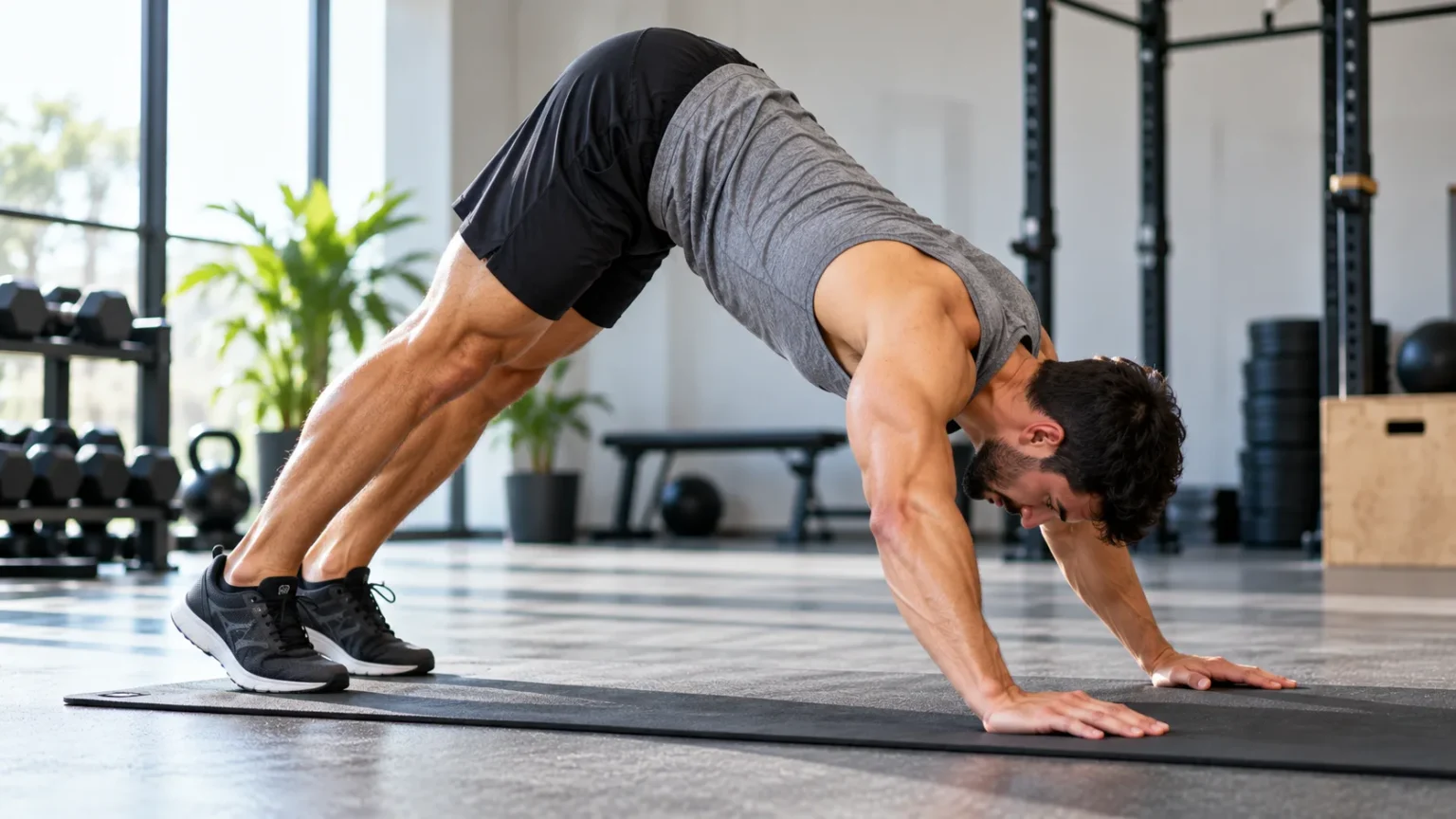
A pike pushup is a bodyweight pressing exercise performed with the hips raised high and the torso angled downward toward the floor. The body forms an inverted V shape, which shifts a greater percentage of body weight toward the upper body. This positioning makes the shoulders work harder than they typically would during a standard pushup.
The movement involves bending the elbows and lowering the head toward the floor while maintaining the elevated hip position. You then press through the hands to straighten the arms and return to the starting position. The movement pattern resembles a vertical press more closely than a horizontal chest-focused pushup.
Pike pushups are often used as a progression toward handstand pushups because they help develop shoulder pressing strength with less balance demand. They also require coordination between the shoulders, arms, core, and hips. Because resistance comes from body weight, difficulty can be adjusted by changing body position rather than adding external weight.
What Muscles Do Pike Pushups Work?
The shoulders, especially the front and side portions of the deltoids, are among the main muscles working during a pike pushup. The triceps also contribute significantly by straightening the elbows as you press away from the floor. The upper chest may assist, although the shoulder-dominant body angle reduces its role compared with a standard pushup.
Muscles around the shoulder blades also help maintain control during the exercise. The serratus anterior, trapezius, and other scapular stabilizers contribute as the shoulder blades move and support the upper body. Good scapular control is important because the shoulders need a stable base while handling a significant portion of body weight.
The core, glutes, and hip muscles also contribute by helping maintain the pike position. Deep hip muscles such as the obturator internus support hip and pelvic control during many movements, although they are not primary movers in the pike pushup. Keeping the lower body stable allows the shoulders to perform the pressing action more efficiently.
How to Set Up for a Pike Pushup
Begin in a standard pushup or high plank position with your hands slightly wider than shoulder width. From there, walk your feet toward your hands while lifting your hips toward the ceiling. Your goal is to create an inverted V shape while keeping enough distance between your hands and feet to move comfortably.
Place your palms flat on the floor with your fingers spread to create a stable base. Keep your head between your arms without forcing the neck upward or downward. Your heels do not need to touch the floor, especially if your hamstrings or calves are tight, so a slight bend in the knees is completely acceptable.
Before starting the first repetition, gently brace your core and think about pushing the floor away from you. Keep the hips elevated rather than allowing the body to drift into a regular pushup position. A strong starting position makes it easier to maintain the correct pressing angle throughout every repetition.
How to Do a Pike Pushup Correctly
From the pike position, bend your elbows and begin lowering your upper body toward the floor. Think about sending your head slightly forward and downward rather than dropping it directly between your hands. This creates a smoother pressing path and allows the shoulders to move through a more natural range.
Continue lowering until the top or front of your head approaches the floor, depending on your mobility and strength. Your elbows should remain controlled rather than flaring completely out to the sides. Keep the hips high throughout the movement so the exercise remains focused on the shoulders instead of turning into a standard pushup.
Press firmly through your palms to straighten the elbows and return to the starting position. Finish with control rather than snapping the elbows straight or rushing into the next repetition. Smooth repetitions with a consistent body angle are generally more useful than performing a higher number of fast, poorly controlled reps.
Common Pike Pushup Mistakes
One of the most common mistakes is allowing the hips to drop as the repetition becomes difficult. When the hips move downward, the exercise gradually becomes more like a regular pushup and places less emphasis on the shoulders. Keeping the hips elevated helps preserve the intended vertical pressing pattern.
Another mistake is lowering the head directly between the hands rather than allowing a slight forward movement. This can create an awkward pressing path and may limit the range of motion. Aiming the head toward a point slightly in front of the hands usually produces a more natural shoulder angle.
People may also choose a variation that is too difficult and compensate by shortening the range or rushing the movement. Elevated-feet versions can be challenging even for experienced trainees. It is better to perform controlled repetitions at an easier level than to use a harder variation with poor technique.
Pike Pushup Benefits
Pike pushups can build shoulder strength without requiring gym equipment. This makes them useful for home workouts, travel routines, and bodyweight training programs. Because the exercise uses your own body as resistance, you can practice pressing strength almost anywhere with enough floor space.
The movement can also help prepare the upper body for more advanced calisthenics skills. Handstand pushups require strong shoulders, triceps, upper-back muscles, and body control, all of which are challenged during pike pushups. Progressively increasing the amount of body weight placed over the hands creates a logical pathway toward more demanding vertical pressing exercises.
Another benefit is that the exercise develops strength together with coordination and stability. Your shoulders press while your core and lower body maintain the inverted V position. This combination makes pike pushups more than a simple isolation exercise and can improve awareness of how different parts of the body work together during pressing movements.
Pike Pushup vs Regular Pushup
The biggest difference between a pike pushup and a regular pushup is the angle of the torso. A standard pushup keeps the body relatively horizontal, which places more emphasis on the chest and triceps. A pike pushup raises the hips and shifts the torso toward a more vertical position, increasing the demand on the shoulders.
Both exercises involve elbow extension and require upper-body stability, but they serve slightly different training goals. Regular pushups are often chosen for horizontal pressing strength, while pike pushups are more useful for shoulder-focused pressing. Including both can create a more balanced bodyweight upper-body routine.
Neither exercise is automatically better than the other. The right choice depends on your goals, current strength, mobility, and training program. Someone focused on handstand strength may prioritize pike pushups, while a person building general chest strength may spend more time on traditional pushups.
Pike Pushup Progressions for Beginners
Beginners who find floor pike pushups difficult can start by placing their hands on an elevated surface such as a sturdy bench or box. This reduces the amount of body weight supported by the arms. The higher hand position can make it easier to learn the movement without sacrificing shoulder control.
Another option is to reduce the height of the hips slightly while still maintaining a clear pike position. As strength improves, you can gradually walk the feet closer to the hands and raise the hips higher. Small adjustments can noticeably increase the amount of weight transferred toward the shoulders.
Once regular pike pushups become comfortable, you can increase the range of motion by placing the hands on pushup handles or sturdy blocks. This allows the head to travel slightly lower between the hands. Progress should remain gradual because increasing range can make the exercise significantly more demanding.
Advanced Pike Pushup Variations
Elevating the feet is one of the most common ways to make pike pushups harder. Placing the feet on a box or bench shifts more body weight toward the hands and creates a more vertical torso position. The higher the feet, the more closely the movement begins to resemble a handstand pushup.
You can also slow down the lowering phase to increase time under tension. Taking three to five seconds to descend makes the shoulders and triceps work harder without requiring a different setup. Pausing briefly near the bottom can add another challenge while encouraging greater control.
Another advanced option is to progress toward wall-supported handstand pushups. This should only be attempted once you have developed sufficient shoulder strength, body control, and confidence in an inverted position. Pike pushups provide a useful foundation, but advanced vertical pressing should still be introduced progressively rather than rushed.
How Many Pike Pushups Should You Do?
The ideal number of pike pushups depends on your strength, training experience, and purpose for using the exercise. Beginners may start with two or three sets of a manageable number of controlled repetitions. Stopping before technique breaks down is usually more productive than forcing extra repetitions with poor form.
For strength development, choose a variation that makes the final few repetitions challenging while still allowing good control. You can progress by adding repetitions, increasing sets, slowing the tempo, increasing range of motion, or elevating the feet. Only one progression needs to change at a time.
Pike pushups do not necessarily need to be performed every day. The shoulders and triceps need adequate recovery after challenging strength work. Two or three weekly sessions may work well for many people, although total training frequency should consider other pressing exercises included in the program.
Wrist and Shoulder Comfort During Pike Pushups
Pike pushups can place significant pressure on the wrists because a large portion of body weight shifts toward the hands. Warming up the wrists and gradually increasing training volume can make the position easier to tolerate. Pushup handles may also provide a more neutral wrist position for people who find flat-hand pressing uncomfortable.
Shoulder mobility also affects how smoothly the exercise feels. Limited overhead movement may make it harder to maintain the desired torso and arm position. Working within a comfortable range is more important than forcing the body into a textbook shape that produces pinching or pain.
Normal muscular effort in the shoulders and arms is expected, but sharp or worsening joint pain should not be ignored. If the movement consistently causes discomfort despite technique adjustments and easier variations, stop the exercise. A qualified healthcare or rehabilitation professional can help determine whether another exercise would be more appropriate.
How to Add Pike Pushups to Your Workout
Pike pushups can be placed early in a workout when shoulder strength is a main goal. Performing them before fatigue builds allows you to use better technique and produce stronger repetitions. They can be paired with pulling exercises such as rows to create a balanced upper-body session.
You can also use pike pushups as an accessory movement after heavier pressing exercises. For example, someone who performs overhead presses may use a lighter pike variation afterward for additional shoulder volume. The total amount of pressing should still be managed carefully to avoid excessive fatigue.
In a bodyweight-only routine, pike pushups can be combined with standard pushups, rows, squats, lunges, and core exercises. This creates a simple full-body program without much equipment. The exercise is most useful when it supports a broader training plan rather than being treated as the only movement needed for shoulder development.
Conclusion
The pike pushup is an effective bodyweight exercise for building shoulder, triceps, and upper-body pressing strength. Raising the hips shifts more resistance toward the shoulders, making the exercise noticeably different from a traditional pushup. It can work especially well for people training at home or preparing for handstand-based movements.
Proper technique is essential for getting the most from the exercise. Keep the hips elevated, control the elbows, lower the head slightly forward, and press through the hands without rushing. Choosing an appropriate variation allows you to maintain good form while gradually increasing strength.
Start with a level that feels challenging but manageable, then progress through greater range, slower repetitions, or elevated feet as your strength improves. Pay attention to wrist and shoulder comfort throughout the process. With consistent practice and sensible progression, pike pushups can become a valuable part of an upper-body strength routine.
FAQs
Are pike pushups good for shoulders?
Yes, pike pushups place substantial emphasis on the deltoids and other shoulder-supporting muscles. They can build useful pressing strength when performed with controlled technique and an appropriate difficulty level.
Are pike pushups harder than regular pushups?
They can feel harder because more body weight shifts toward the shoulders and arms. The actual difficulty depends on hip height, hand position, foot position, strength, and movement range.
Do pike pushups help with handstand pushups?
Yes. Pike pushups are commonly used as a progression because they develop shoulder pressing strength and introduce a more vertical pressing angle without requiring the full balance demands of a handstand.
Why do my wrists hurt during pike pushups?
Wrist discomfort may come from limited mobility, sudden increases in training volume, or the amount of body weight placed through the hands. Easier variations or pushup handles may improve comfort.
How often should I do pike pushups?
Many people can include them two or three times per week depending on overall training volume and recovery. Allow enough recovery between challenging sessions, particularly if you also perform other shoulder presses.